
A Closer Look at Efficient Rental Property Management in Ferndale: A Guide
The Ferndale rental market is a dynamic and evolving landscape that requires keen insight and strategic planning for property owners and investors. With its unique blend of suburban charm and proximity to urban amenities, Ferndale has become an attractive destination for renters seeking a balanced lifestyle. Understanding the nuances of this market is crucial for anyone looking to maximize their investment.
Factors such as local employment rates, demographic trends, and the overall economic climate play significant roles in shaping rental demand. By keeping a pulse on these elements, property owners can make informed decisions that align with market conditions. Moreover, the rental market in Ferndale is influenced by seasonal trends and shifts in tenant preferences.
For instance, during peak moving seasons, such as summer, demand for rental properties often surges, leading to increased competition among landlords. Conversely, during the winter months, the market may experience a slowdown. By analyzing historical data and current trends, property owners can strategically time their rental listings to attract the right tenants.
This understanding not only aids in setting competitive rental prices but also enhances the overall profitability of the investment.
Key Takeaways
- The Ferndale rental market is competitive and requires a good understanding of local trends and demand.
- Setting clear rental property management goals is essential for success and long-term growth.
- Effective tenant screening and selection processes are crucial for finding reliable and responsible tenants.
- Implementing efficient maintenance and repair systems can help in preserving the property’s value and keeping tenants satisfied.
- Utilizing technology for property management can streamline processes and improve overall efficiency.
Setting Clear Rental Property Management Goals
Establishing clear and achievable goals is paramount for effective rental property management. Property owners must define what success looks like for their investments, whether it’s maximizing rental income, minimizing vacancies, or ensuring tenant satisfaction. By setting specific objectives, landlords can create a roadmap that guides their management strategies and decision-making processes.
For instance, if the goal is to increase rental income, property owners might consider renovations or upgrades that appeal to potential tenants, thereby justifying higher rent prices. Additionally, these goals should be revisited regularly to assess progress and make necessary adjustments. The rental market is not static; it evolves based on various factors such as economic conditions and tenant preferences.
By remaining flexible and open to change, property owners can adapt their strategies to meet shifting demands. This proactive approach not only enhances the overall management of the property but also fosters a sense of accountability and purpose in achieving long-term success.
Effective Tenant Screening and Selection
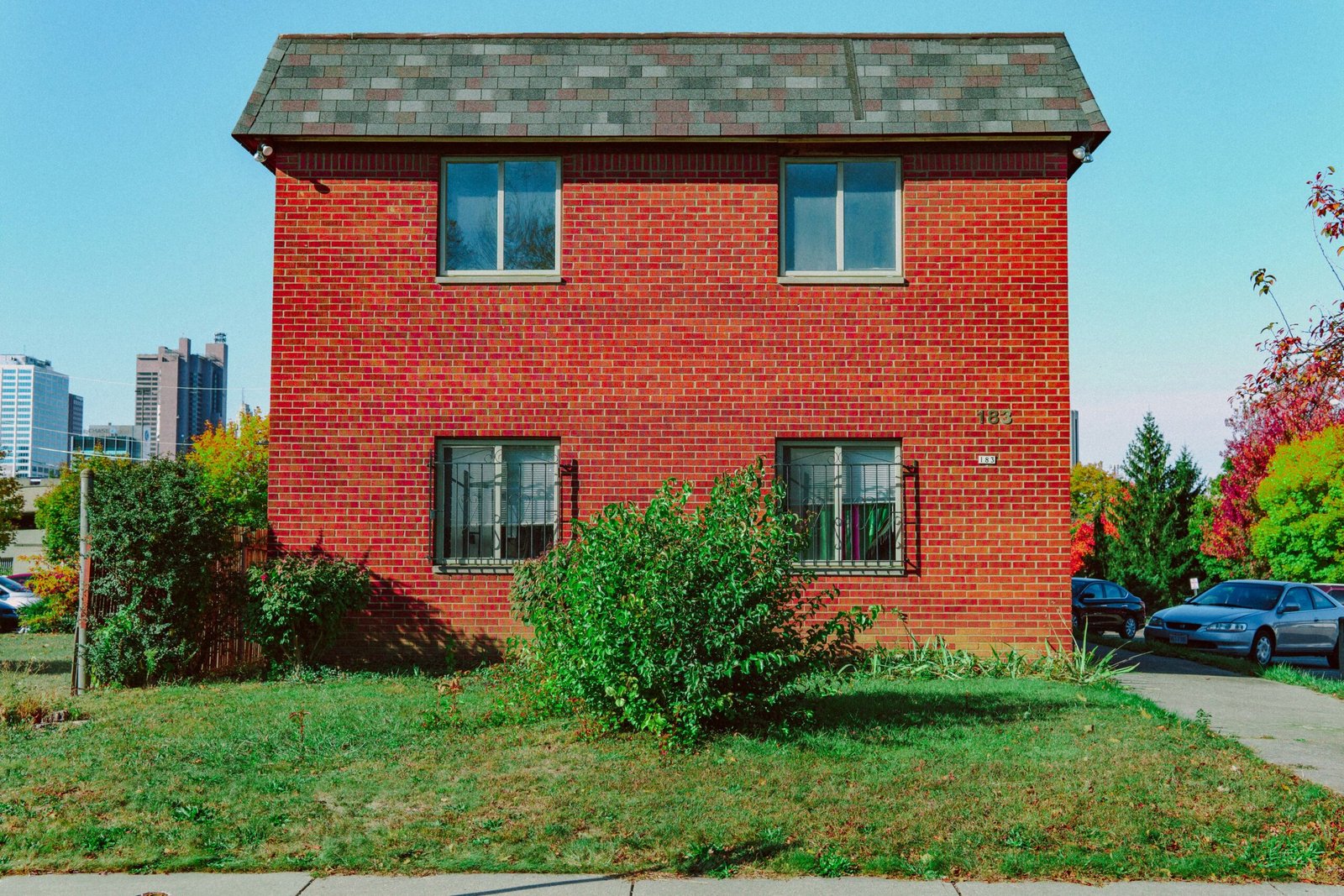
One of the most critical aspects of property management is tenant screening and selection. The right tenants can significantly impact the overall success of a rental property, while poor choices can lead to financial losses and stress for landlords. A thorough screening process involves evaluating potential tenants based on their credit history, rental history, income verification, and background checks.
This comprehensive approach helps landlords identify responsible tenants who are likely to pay rent on time and take care of the property. Moreover, effective tenant selection goes beyond just checking boxes on an application form. It involves understanding the needs and expectations of prospective tenants.
Engaging in open communication during the application process allows landlords to gauge compatibility and establish a positive rapport with potential renters. By prioritizing tenant quality over quantity, property owners can create a stable rental environment that fosters long-term relationships and minimizes turnover.
Implementing Efficient Maintenance and Repairs
| Metrics | Value |
|---|---|
| Equipment downtime | 5 hours per week |
| Preventive maintenance completion rate | 90% |
| Repair response time | 2 hours |
| Inventory turnover | 6 times per year |
Efficient maintenance and repairs are essential components of successful property management. A well-maintained property not only enhances tenant satisfaction but also protects the long-term value of the investment. Property owners should establish a proactive maintenance plan that includes regular inspections and timely repairs.
This approach not only prevents minor issues from escalating into costly problems but also demonstrates a commitment to providing a safe and comfortable living environment for tenants. Additionally, having a reliable network of contractors and service providers is crucial for addressing maintenance needs promptly. Property owners should prioritize building relationships with trusted professionals who can deliver quality work at competitive prices.
By streamlining the maintenance process and ensuring that repairs are handled efficiently, landlords can enhance tenant retention and uphold the property’s reputation in the market.
Utilizing Technology for Property Management
In today’s digital age, technology plays a pivotal role in streamlining property management processes. From online rent collection to maintenance request tracking, leveraging technology can significantly enhance efficiency and improve tenant experiences. Property management software allows landlords to automate routine tasks, such as sending reminders for rent due dates or scheduling maintenance appointments.
This not only saves time but also reduces the likelihood of human error. Furthermore, technology enables landlords to maintain clear communication with tenants through various channels, including email, text messaging, or dedicated portals. This accessibility fosters transparency and builds trust between landlords and tenants.
By embracing technological advancements, property owners can stay ahead of the curve in an increasingly competitive rental market while providing exceptional service to their tenants.
Creating a Comprehensive Lease Agreement

A well-crafted lease agreement is a cornerstone of effective property management. It serves as a legally binding document that outlines the rights and responsibilities of both landlords and tenants. A comprehensive lease should cover essential elements such as rent amount, payment due dates, security deposits, maintenance responsibilities, and rules regarding pets or smoking.
By clearly defining these terms upfront, landlords can minimize misunderstandings and disputes down the line. Moreover, it’s essential for landlords to ensure that their lease agreements comply with local laws and regulations. This includes adhering to guidelines set forth by the Residential Tenancy Act 1987 in Western Australia.
A legally sound lease not only protects the interests of both parties but also provides a framework for resolving conflicts should they arise. By investing time in creating a thorough lease agreement, property owners can establish a solid foundation for a successful landlord-tenant relationship.
Handling Rent Collection and Financial Management
Effective rent collection and financial management are vital for maintaining a profitable rental property. Landlords must establish clear procedures for collecting rent on time while also being flexible enough to accommodate tenants facing financial difficulties. Offering multiple payment options—such as online payments or direct deposits—can streamline the process and reduce late payments.
In addition to rent collection, property owners should maintain accurate financial records to track income and expenses related to their rental properties. This includes documenting repairs, maintenance costs, and any other expenditures associated with managing the property. By keeping detailed financial records, landlords can gain valuable insights into their investment’s performance and make informed decisions about future improvements or adjustments.
Managing Property Inspections and Compliance
Regular property inspections are essential for ensuring compliance with safety regulations and maintaining the overall condition of the rental unit. Landlords should schedule routine inspections to identify any potential issues before they escalate into significant problems. These inspections also provide an opportunity to assess tenant compliance with lease terms, such as cleanliness or unauthorized alterations to the property.
Moreover, staying compliant with local regulations is crucial for protecting both landlords and tenants. Familiarizing oneself with laws governing rental properties—such as health codes or safety standards—ensures that landlords fulfill their legal obligations while providing a safe living environment for tenants. By prioritizing inspections and compliance, property owners can mitigate risks and enhance their reputation in the rental market.
Building Positive Relationships with Tenants
Fostering positive relationships with tenants is key to successful property management. Open communication is essential; landlords should be approachable and responsive to tenant inquiries or concerns. By actively listening to tenants’ needs and addressing issues promptly, landlords can create an atmosphere of trust and respect.
Additionally, showing appreciation for good tenants can go a long way in building lasting relationships. Simple gestures such as sending holiday greetings or offering small incentives for timely rent payments can enhance tenant satisfaction and loyalty. When tenants feel valued and respected, they are more likely to renew their leases and take care of the property as if it were their own.
Dealing with Tenant Turnover and Vacancies
Tenant turnover is an inevitable aspect of property management that can pose challenges for landlords. However, having a proactive strategy in place can minimize vacancies and ensure a smooth transition between tenants. When a tenant gives notice to vacate, landlords should promptly begin marketing the property to attract new renters as quickly as possible.
Additionally, conducting exit interviews with departing tenants can provide valuable insights into areas for improvement within the property or management practices. Understanding why tenants choose to leave allows landlords to make necessary adjustments that enhance tenant retention in the future. By addressing potential issues proactively, property owners can reduce turnover rates and maintain consistent cash flow from their rental investments.
Staying Updated on Local Rental Regulations and Laws
Navigating the complex landscape of local rental regulations is essential for successful property management. Laws governing rental properties can vary significantly by region; therefore, staying informed about changes in legislation is crucial for compliance. Property owners should regularly review updates related to tenant rights, eviction processes, security deposit regulations, and other relevant laws.
Engaging with local real estate associations or attending workshops can provide valuable resources for staying current on legal requirements. Additionally, consulting with legal professionals specializing in real estate law can help landlords navigate any complexities they may encounter. By prioritizing compliance with local regulations, property owners not only protect themselves from potential legal issues but also foster a fair and transparent rental environment for their tenants.
In conclusion, effective property management requires a multifaceted approach that encompasses understanding the local market, setting clear goals, implementing efficient processes, utilizing technology, creating comprehensive agreements, managing finances diligently, fostering positive relationships with tenants, addressing turnover proactively, and staying informed about regulations. By embracing these principles, property owners can maximize their investments while providing exceptional living experiences for their tenants in Ferndale’s vibrant rental market.
If you’re interested in rental property management in Ferndale, you might find the article on
particularly insightful.
This article provides valuable insights into the local real estate market, offering tips and strategies for effective property management. It highlights the importance of understanding the unique characteristics of each neighborhood, which can be crucial for maximizing rental income and ensuring tenant satisfaction. Whether you’re a seasoned property manager or new to the field, the information shared in this article can help you make informed decisions and optimize your rental property investments.
Learn more by exploring our team.