
Efficient Property Management in Belmont: Maximizing Your Investment: Key Things to Consider
The Belmont real estate market is a dynamic and ever-evolving landscape that requires a keen understanding of local trends, demographics, and economic factors. As one of Perth’s most sought-after suburbs, Belmont boasts a unique blend of residential, commercial, and recreational spaces that attract a diverse range of buyers and renters. The area is characterized by its proximity to the Perth CBD, excellent transport links, and a variety of amenities, making it an appealing choice for families, professionals, and investors alike.
To navigate this competitive market successfully, it is essential to stay informed about current property values, rental yields, and market demand. In recent years, Belmont has experienced significant growth in property values, driven by an influx of new residents and ongoing infrastructure developments. This growth presents both opportunities and challenges for property owners and investors.
Understanding the nuances of the Belmont market allows property managers and owners to make informed decisions about pricing, marketing strategies, and investment opportunities. By keeping a pulse on local trends and engaging with the community, property managers can position themselves as trusted experts in the Belmont real estate market.
Key Takeaways
- Belmont Real Estate Market is dynamic and requires a deep understanding of local trends and factors.
- Clear property management goals are essential for success and should be aligned with the overall business strategy.
- Cost-effective maintenance strategies can help in maximizing property value and tenant satisfaction.
- Leveraging technology can streamline property management processes and improve efficiency.
- Building strong relationships with tenants is crucial for tenant retention and overall property success.
Setting Clear Property Management Goals
Establishing clear property management goals is crucial for ensuring the long-term success of any real estate investment. These goals should be specific, measurable, achievable, relevant, and time-bound (SMART), providing a roadmap for property managers to follow. Whether the objective is to maximize rental income, reduce vacancy rates, or enhance tenant satisfaction, having well-defined goals allows property managers to focus their efforts and resources effectively.
Moreover, setting clear goals fosters accountability and transparency between property managers and property owners. Regularly reviewing these objectives ensures that all parties remain aligned and can adapt to changing market conditions or tenant needs. By prioritizing open communication and collaboration, property managers can build trust with property owners while delivering exceptional service that meets their expectations.
Implementing Cost-Effective Maintenance Strategies
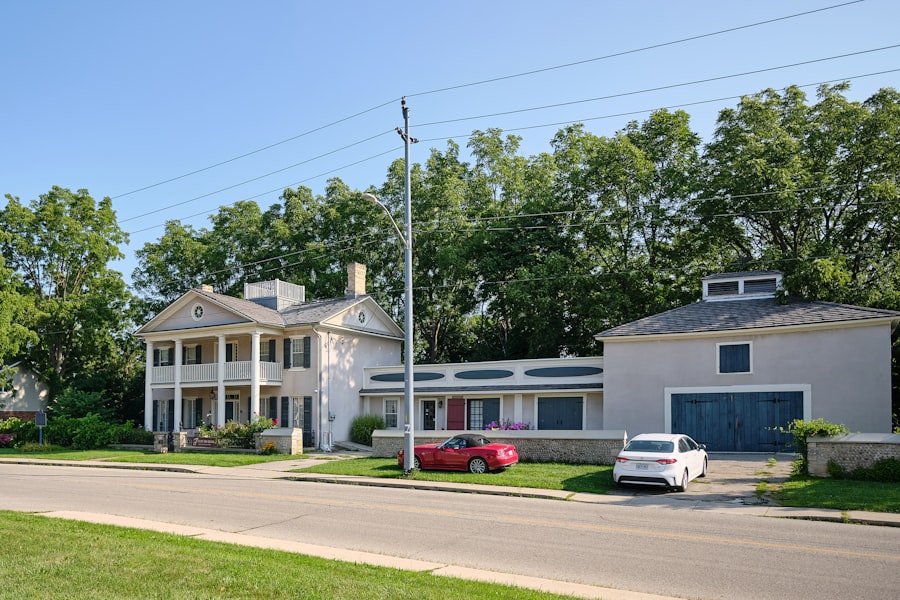
Effective property management hinges on the implementation of cost-effective maintenance strategies that preserve the value of the property while minimizing expenses. Regular maintenance not only enhances tenant satisfaction but also prevents costly repairs down the line. Property managers should develop a proactive maintenance plan that includes routine inspections, timely repairs, and preventative measures to address potential issues before they escalate.
Additionally, leveraging local contractors and service providers can lead to significant cost savings without compromising quality. Building strong relationships with reliable vendors allows property managers to negotiate competitive rates while ensuring that maintenance tasks are completed efficiently. By prioritizing cost-effective maintenance strategies, property managers can protect their clients’ investments while providing tenants with a safe and comfortable living environment.
Leveraging Technology for Streamlined Property Management
| Metrics | Data |
|---|---|
| Number of Properties Managed | 150 |
| Percentage of Maintenance Requests Handled Online | 85% |
| Time Saved on Rent Collection | 30% |
| Percentage of Tenant Communication via App | 70% |
In today’s fast-paced real estate environment, leveraging technology is essential for streamlining property management processes. Property management software can automate various tasks such as rent collection, maintenance requests, and tenant communication, freeing up valuable time for property managers to focus on strategic initiatives. By utilizing technology effectively, property managers can enhance operational efficiency while providing tenants with a seamless experience.
Moreover, technology can facilitate data-driven decision-making by providing valuable insights into market trends, tenant behavior, and property performance. By analyzing this data, property managers can identify areas for improvement and implement targeted strategies to maximize rental income and tenant satisfaction. Embracing technology not only enhances the overall management process but also positions property managers as forward-thinking professionals in a competitive market.
Building Strong Relationships with Tenants
Building strong relationships with tenants is a cornerstone of successful property management. Happy tenants are more likely to renew their leases, pay rent on time, and take care of the property as if it were their own. Property managers should prioritize open communication and responsiveness to tenant needs, fostering an environment of trust and respect.
Regular check-ins and feedback opportunities can help identify any concerns or issues before they escalate. Additionally, creating a sense of community among tenants can enhance their overall experience. Organizing events or providing resources that encourage social interaction can lead to increased tenant satisfaction and retention.
By investing in tenant relationships, property managers not only create a positive living environment but also contribute to the long-term success of their clients’ investments.
Maximizing Rental Income through Strategic Pricing

Strategic pricing is a critical component of maximizing rental income in the Belmont real estate market. Property managers must conduct thorough market research to determine competitive rental rates that reflect current demand while also considering the unique features of each property. Setting the right price from the outset can significantly reduce vacancy rates and attract high-quality tenants.
Moreover, regular reviews of rental pricing are essential to ensure that properties remain competitive in a fluctuating market. Property managers should be prepared to adjust rental rates based on changes in demand or local market conditions while also considering tenant feedback and satisfaction levels. By employing a strategic pricing approach, property managers can optimize rental income while maintaining strong tenant relationships.
Effective Marketing and Tenant Acquisition
Effective marketing is vital for attracting high-quality tenants and minimizing vacancy periods. Property managers should develop comprehensive marketing strategies that leverage both online and offline channels to reach potential renters. High-quality photographs, engaging property descriptions, and virtual tours can showcase properties effectively on various platforms, including social media and real estate websites.
Additionally, networking within the local community can yield valuable referrals and connections that enhance tenant acquisition efforts. Building relationships with local businesses or organizations can create opportunities for collaboration and cross-promotion. By implementing a multifaceted marketing approach, property managers can increase visibility for their properties while attracting tenants who align with their clients’ goals.
Ensuring Compliance with Local Property Regulations
Compliance with local property regulations is paramount for successful property management in Belmont. Property managers must stay informed about relevant laws and regulations governing rental properties, including the Residential Tenancy Act 1987. Adhering to these regulations not only protects property owners from potential legal issues but also ensures that tenants are treated fairly and ethically.
Regular training and education on compliance matters are essential for property managers to remain up-to-date with any changes in legislation. By prioritizing compliance, property managers can foster trust with both property owners and tenants while demonstrating their commitment to ethical practices in the real estate industry.
Implementing Sustainable and Eco-Friendly Practices
In an increasingly environmentally conscious world, implementing sustainable and eco-friendly practices in property management is not only beneficial for the planet but also attractive to tenants. Property managers should explore energy-efficient upgrades such as LED lighting, smart thermostats, and water-saving fixtures that reduce utility costs while minimizing environmental impact. Additionally, promoting recycling programs or community gardens can enhance tenant engagement while fostering a sense of responsibility towards sustainability.
By prioritizing eco-friendly practices, property managers can appeal to environmentally conscious tenants while contributing positively to the community’s overall well-being.
Managing Property Finances and Budgeting
Effective financial management is crucial for maximizing the profitability of rental properties. Property managers should develop comprehensive budgets that account for all expenses associated with property management, including maintenance costs, utilities, insurance, and marketing expenses. Regular financial reviews allow property managers to identify areas where costs can be reduced or revenue increased.
Moreover, transparent financial reporting provides property owners with peace of mind regarding their investments. By maintaining accurate records and providing regular updates on financial performance, property managers can build trust with clients while ensuring that all financial obligations are met promptly.
Evaluating and Improving Property Performance
Continuous evaluation of property performance is essential for identifying areas for improvement and maximizing returns on investment. Property managers should establish key performance indicators (KPIs) that measure various aspects of property management, including occupancy rates, tenant turnover rates, and maintenance response times. Regularly analyzing these metrics allows property managers to identify trends and make data-driven decisions that enhance overall performance.
Additionally, soliciting feedback from tenants can provide valuable insights into areas where improvements can be made. By fostering a culture of continuous improvement, property managers can ensure that properties remain competitive in the Belmont real estate market while delivering exceptional value to clients. In conclusion, effective property management in Belmont requires a multifaceted approach that encompasses understanding the local market, setting clear goals, implementing cost-effective strategies, leveraging technology, building strong tenant relationships, maximizing rental income through strategic pricing, effective marketing efforts, ensuring compliance with regulations, adopting sustainable practices, managing finances diligently, and continuously evaluating performance.
By prioritizing these elements, property managers can deliver outstanding results for their clients while contributing positively to the community’s overall well-being.
If you’re interested in understanding the dynamics of property management in Belmont, you might also find it beneficial to explore the broader trends in the real estate market. A related article that provides valuable insights is Perth Real Estate Market Trends in 2025. This article delves into the anticipated shifts and developments in the Perth real estate market, which can offer a broader context for property management strategies in Belmont. Understanding these trends can help property managers and investors make informed decisions in the ever-evolving real estate landscape.