
A Closer Look at Efficient Perth Rural Property Management
Rural property management presents a distinct set of challenges and opportunities that differ significantly from urban real estate management. The vast expanses of land, diverse ecosystems, and agricultural activities require a tailored approach that considers the unique needs of rural property owners. Understanding these needs is paramount for effective management, as it involves not only the physical aspects of the land but also the socio-economic factors that influence rural communities.
Property managers must be attuned to the specific requirements of farmers, ranchers, and landowners, ensuring that their services align with the realities of rural life. In rural areas, property management goes beyond mere oversight; it encompasses a deep understanding of agricultural practices, local markets, and community dynamics. Rural property managers must be equipped to handle a variety of tasks, from crop rotation planning to livestock management, while also being sensitive to the cultural and social fabric of the community.
This holistic approach ensures that property owners receive comprehensive support tailored to their unique circumstances, ultimately leading to more sustainable and profitable land use.
Key Takeaways
- Rural property management requires a deep understanding of the unique needs and challenges of rural areas, including infrastructure, environmental regulations, and wildlife management.
- Implementing sustainable farming practices is crucial for long-term success, including soil conservation, water management, and organic farming methods.
- Maximizing land use and productivity involves strategic planning, crop rotation, and efficient use of resources to ensure optimal yields and profitability.
- Utilizing technology, such as GPS mapping, drones, and automated equipment, can greatly improve efficiency and productivity in rural property management.
- Developing effective water and irrigation systems is essential for maintaining healthy crops and livestock, including proper drainage, water conservation, and irrigation infrastructure.
Implementing Sustainable Farming Practices
Sustainable farming practices are essential for the long-term viability of rural properties. These practices not only enhance productivity but also protect the environment and preserve natural resources for future generations. Implementing sustainable methods requires a commitment to understanding the land’s ecological balance and making informed decisions that promote biodiversity and soil health.
This can include crop rotation, cover cropping, and integrated pest management, all of which contribute to a more resilient agricultural system. Moreover, sustainable farming practices can lead to increased profitability for property owners. By reducing reliance on chemical fertilizers and pesticides, farmers can lower their input costs while improving the quality of their produce.
Additionally, consumers are increasingly seeking out sustainably sourced products, creating a market advantage for those who adopt eco-friendly practices. Property managers play a crucial role in guiding landowners toward these sustainable methods, ensuring that they are not only environmentally responsible but also economically viable.
Maximizing Land Use and Productivity
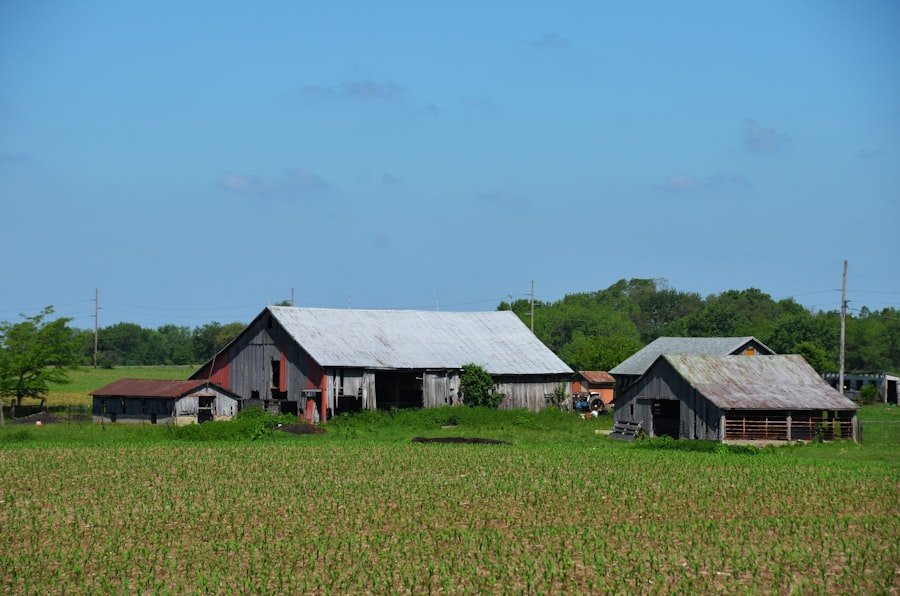
Maximizing land use and productivity is a fundamental goal of rural property management. Effective land use planning involves assessing the unique characteristics of the property, including soil quality, topography, and climate conditions. By understanding these factors, property managers can develop strategies that optimize land utilization for various agricultural activities, whether it be crop production, livestock grazing, or agroforestry.
In addition to strategic planning, ongoing monitoring and evaluation are essential for maximizing productivity. Property managers must regularly assess crop yields, livestock health, and overall land performance to identify areas for improvement. This proactive approach allows for timely interventions that can enhance productivity and ensure that landowners achieve their financial goals.
By fostering a culture of continuous improvement, rural property managers can help landowners unlock the full potential of their properties.
Utilizing Technology for Efficient Property Management
| Technology | Benefits |
|---|---|
| Property Management Software | Streamlines operations, automates tasks, and centralizes data |
| Smart Building Systems | Improves energy efficiency, enhances security, and enables predictive maintenance |
| Mobile Apps | Facilitates remote property inspections, maintenance requests, and tenant communication |
| Data Analytics | Provides insights for better decision-making, forecasting, and performance tracking |
The integration of technology into rural property management has revolutionized the way landowners operate their farms and manage their properties. From precision agriculture tools that monitor soil moisture levels to drones that survey crop health, technology offers innovative solutions that enhance efficiency and productivity. Property managers who embrace these advancements can provide valuable insights and recommendations to landowners, helping them make data-driven decisions that optimize their operations.
Moreover, technology facilitates better communication and collaboration between property managers and landowners. Online platforms allow for real-time updates on property conditions, financial performance, and market trends. This transparency fosters trust and ensures that landowners are well-informed about their investments.
By leveraging technology effectively, rural property managers can streamline operations, reduce costs, and ultimately deliver superior results for their clients.
Developing Effective Water and Irrigation Systems
Water management is a critical aspect of rural property management, particularly in agricultural settings where irrigation plays a vital role in crop production. Developing effective water and irrigation systems requires careful planning and consideration of local water resources, climate conditions, and crop needs. Property managers must work closely with landowners to design systems that maximize water efficiency while minimizing waste.
In addition to traditional irrigation methods, innovative technologies such as drip irrigation and rainwater harvesting can significantly enhance water management practices. These systems not only conserve water but also improve crop yields by delivering moisture directly to the root zone. Property managers who prioritize effective water management can help landowners achieve sustainable agricultural practices while ensuring compliance with local regulations regarding water usage.
Implementing Wildlife and Pest Management Strategies
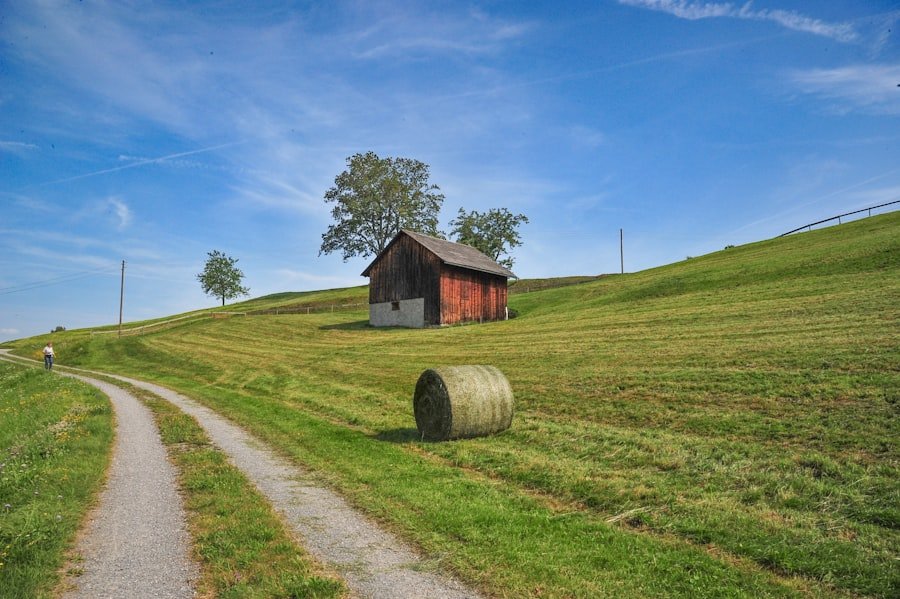
Wildlife and pest management are essential components of rural property management that directly impact agricultural productivity. Effective strategies must be developed to mitigate the risks posed by invasive species and pests while promoting biodiversity on the property. Property managers should work with landowners to implement integrated pest management (IPM) practices that focus on prevention, monitoring, and control measures tailored to the specific challenges faced by each property.
Additionally, fostering a healthy ecosystem can help manage wildlife populations naturally. This may involve creating habitats for beneficial species that prey on pests or implementing fencing strategies to protect crops from herbivores. By taking a holistic approach to wildlife and pest management, property managers can help landowners maintain healthy crops while preserving the ecological balance of their properties.
Maintaining and Repairing Rural Infrastructure
Rural properties often come with unique infrastructure needs that require ongoing maintenance and repair. From fences and barns to irrigation systems and access roads, ensuring that these structures are in good condition is vital for operational efficiency and safety. Property managers must develop comprehensive maintenance plans that address both routine upkeep and emergency repairs to prevent costly disruptions in agricultural activities.
Regular inspections and proactive maintenance can extend the lifespan of infrastructure while minimizing repair costs over time. Property managers should work closely with landowners to prioritize maintenance tasks based on urgency and budget constraints. By fostering a culture of proactive care for rural infrastructure, property managers can help landowners protect their investments and ensure smooth operations on their properties.
Ensuring Compliance with Environmental Regulations
Compliance with environmental regulations is a critical responsibility for rural property managers. Landowners must navigate a complex landscape of local, state, and federal regulations governing land use, water quality, pesticide application, and wildlife protection. Property managers play a vital role in ensuring that landowners understand their obligations and implement practices that meet regulatory requirements.
Staying informed about changes in environmental regulations is essential for effective compliance management. Property managers should provide ongoing education and support to landowners regarding best practices for environmental stewardship. By fostering a culture of compliance, property managers can help protect natural resources while minimizing legal risks for landowners.
Managing Livestock and Grazing Areas
Livestock management is a cornerstone of many rural properties, requiring careful planning and oversight to ensure animal health and productivity. Property managers must work with landowners to develop grazing plans that optimize pasture use while preventing overgrazing and soil degradation. This involves monitoring livestock health, managing herd sizes, and implementing rotational grazing practices that promote pasture recovery.
Additionally, effective livestock management includes ensuring proper nutrition, veterinary care, and biosecurity measures to protect animal health. Property managers should collaborate with veterinarians and nutritionists to develop comprehensive care plans tailored to the specific needs of each herd. By prioritizing livestock welfare and productivity, property managers can help landowners achieve sustainable farming practices while maximizing profitability.
Cultivating and Harvesting Crops
Crop cultivation and harvesting are central activities in rural property management that require careful planning and execution. Property managers must work closely with landowners to develop crop rotation schedules that enhance soil fertility while minimizing pest pressures. This involves selecting appropriate crops based on market demand, climate conditions, and soil characteristics.
During the harvesting phase, effective coordination is essential to ensure timely collection of crops at peak ripeness. Property managers should oversee logistics related to labor, equipment, and transportation to maximize efficiency during this critical period. By providing comprehensive support throughout the cultivation and harvesting process, property managers can help landowners achieve optimal yields while minimizing losses.
Providing Quality Rural Property Maintenance Services
Quality maintenance services are essential for preserving the value of rural properties over time. Property managers must offer a range of services tailored to the unique needs of each property, including landscaping, equipment maintenance, building repairs, and more. By providing comprehensive maintenance solutions, property managers can help landowners protect their investments while ensuring that their properties remain functional and aesthetically pleasing.
Furthermore, establishing strong relationships with local service providers can enhance the quality of maintenance services offered. Property managers should cultivate partnerships with skilled tradespeople who understand the specific requirements of rural properties. By prioritizing quality in all aspects of property maintenance, rural property managers can deliver exceptional value to landowners while fostering long-term success in their agricultural endeavors.
In conclusion, effective rural property management requires a multifaceted approach that addresses the unique challenges faced by landowners in agricultural settings. By understanding the specific needs of rural properties, implementing sustainable practices, leveraging technology, managing resources effectively, ensuring compliance with regulations, and providing quality maintenance services, property managers can deliver exceptional results for their clients while promoting sustainable agricultural practices for future generations.
For those interested in Perth rural property management, it’s essential to consider comprehensive services that cater to diverse needs. A related article that might be of interest is about the all-inclusive property management services offered by Smart Realty. This article provides insights into how property management can be streamlined to ensure efficiency and effectiveness, which is crucial for managing rural properties. You can read more about these services by visiting the following link: All-Inclusive Property Management Services.