
Why Efficient Office Space Leasing Management Tips Matters
In today’s fast-paced corporate landscape, understanding the unique needs of your business is paramount to creating an effective office environment. Every organization has its own set of goals, culture, and operational requirements that dictate how space should be utilized. Whether you are a startup looking to foster creativity or an established firm aiming for efficiency, recognizing these needs is the first step toward optimizing your office space.
Engaging with your team to gather insights about their daily tasks, collaboration preferences, and comfort levels can provide invaluable information that shapes your office design. Moreover, understanding your business needs extends beyond just the physical space. It encompasses the technological requirements, the need for privacy versus collaboration, and even the potential for future growth.
By conducting a thorough analysis of your current operations and future aspirations, you can create a blueprint that not only meets your immediate needs but also adapts to changes in the business landscape. This foundational understanding will guide all subsequent decisions regarding office space, ensuring that every square foot is utilized effectively.
Key Takeaways
- Assess your business needs and current office space to identify improvement opportunities.
- Negotiate favorable lease terms while incorporating space-saving furniture and flexible layouts.
- Enhance the work environment by maximizing natural light, ventilation, and promoting collaboration.
- Implement sustainable practices like paperless systems and energy consumption monitoring.
- Regularly evaluate the leasing management plan to ensure ongoing effectiveness and efficiency.
Assessing the current office space
Once you have a clear understanding of your business needs, the next step is to assess your current office space. This involves a comprehensive evaluation of how well your existing environment supports your operational goals. Take stock of the layout, amenities, and overall functionality of the space.
Are there areas that feel cramped or underutilized? Is there sufficient room for collaboration and teamwork? By conducting a thorough walkthrough and gathering feedback from employees, you can identify strengths and weaknesses in your current setup.
Additionally, it’s essential to consider the location of your office. Is it easily accessible for both employees and clients? Does it reflect the image you want to project as a business?
The assessment should also include an analysis of costs associated with the current space, such as rent, utilities, and maintenance. Understanding these factors will provide a clearer picture of whether your current office is meeting your needs or if it’s time to explore new options.
Identifying potential areas for improvement
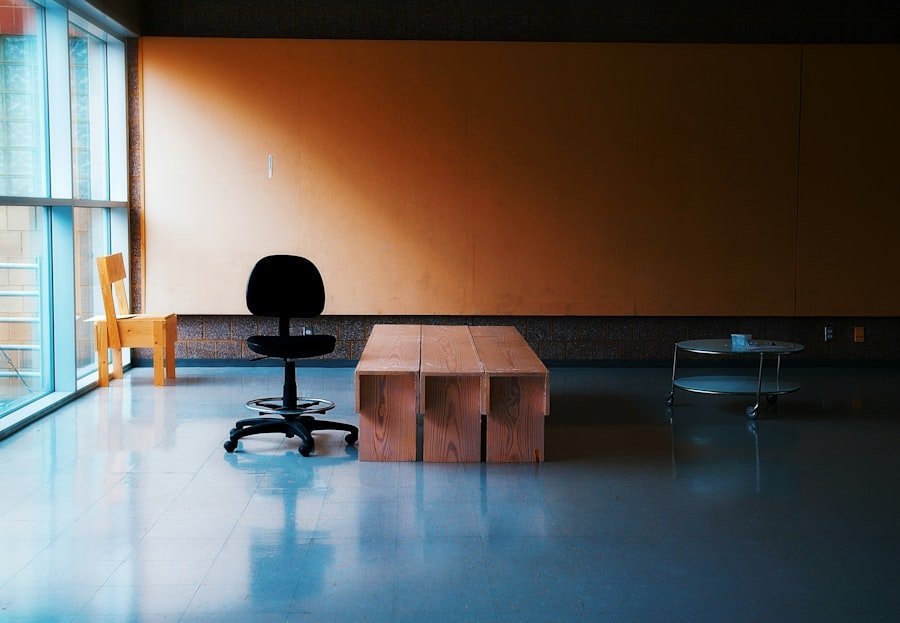
With a comprehensive assessment in hand, the next step is to identify potential areas for improvement within your office space. This could involve anything from reconfiguring existing layouts to investing in new technology that enhances productivity. For instance, if collaboration is lacking due to physical barriers, consider creating open spaces or breakout areas that encourage teamwork.
Alternatively, if employees are struggling with outdated equipment, upgrading technology can significantly improve efficiency and morale. Moreover, it’s crucial to think about employee well-being when identifying areas for improvement. Factors such as noise levels, comfort of furniture, and access to natural light can greatly impact productivity and job satisfaction.
By prioritizing these elements in your improvement plan, you not only enhance the work environment but also demonstrate a commitment to employee welfare. This holistic approach ensures that any changes made are beneficial not just for the business but also for those who work within it.
Negotiating lease terms and conditions
| Metric | Description | Typical Range | Importance Level |
|---|---|---|---|
| Lease Term Length | Duration of the lease agreement | 1 to 10 years | High |
| Rent Amount | Monthly or annual rent payment | Varies by location and property | High |
| Rent Escalation | Annual percentage increase in rent | 2% to 5% per year | Medium |
| Security Deposit | Upfront amount held as security | 1 to 3 months’ rent | Medium |
| Maintenance Responsibilities | Who is responsible for repairs and upkeep | Tenant, Landlord, or Shared | High |
| Renewal Options | Terms for extending the lease | 1 to 5 years | Medium |
| Termination Clause | Conditions under which lease can be ended early | Varies by agreement | High |
| Subletting Permission | Whether tenant can sublease the property | Allowed or Not Allowed | Low to Medium |
| Improvements and Alterations | Rules about modifying the leased space | Requires landlord approval | Medium |
Once you have identified areas for improvement and decided on potential changes, it’s time to negotiate lease terms and conditions that align with your vision for the office space. This process requires careful consideration and strategic planning. Begin by researching market rates for similar properties in your area to ensure you are negotiating from an informed position.
Understanding the local real estate landscape will empower you to advocate for favorable terms that suit your business needs. During negotiations, be clear about what you require from the lease agreement. This may include flexibility in lease duration, options for expansion, or specific clauses that protect your interests as a tenant.
It’s also wise to consult with legal professionals who specialize in commercial leases to ensure that all terms are fair and compliant with local regulations. A well-negotiated lease can provide stability and security for your business while allowing you the freedom to adapt as needed.
Utilizing space-saving furniture and equipment
In an era where maximizing every square foot is essential, utilizing space-saving furniture and equipment can make a significant difference in your office layout. Consider investing in multifunctional furniture that serves multiple purposes without sacrificing comfort or style. For example, desks with built-in storage or conference tables that can be easily reconfigured for different uses can help optimize space while maintaining a professional appearance.
Additionally, technology plays a crucial role in creating a more efficient workspace. Opting for compact equipment such as all-in-one printers or cloud-based solutions can reduce clutter and free up valuable real estate within the office. By thoughtfully selecting furniture and equipment that prioritize functionality without compromising aesthetics, you can create an environment that feels open and inviting while still meeting all operational needs.
Implementing a flexible and collaborative work environment
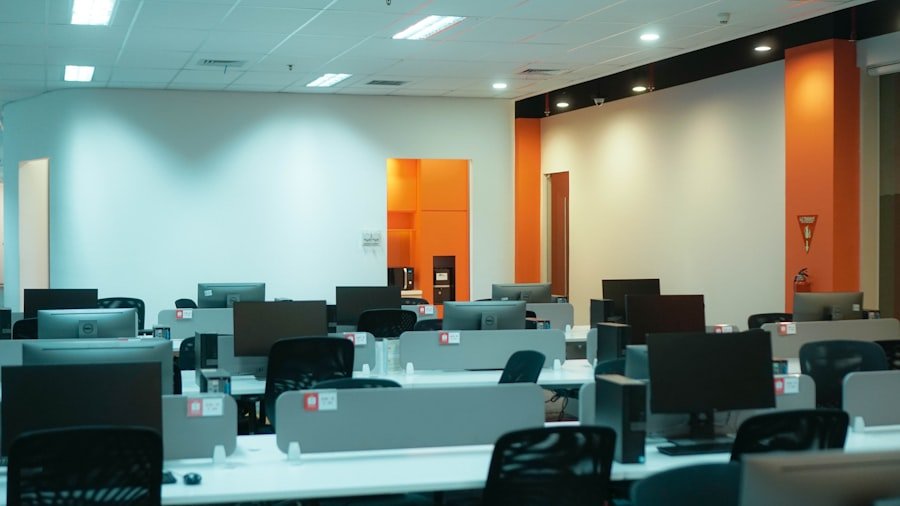
The modern workplace is evolving, with flexibility and collaboration becoming key components of successful office design. Implementing a flexible work environment allows employees to choose where and how they work best—whether that’s at their desks, in collaborative spaces, or even remotely. This adaptability not only boosts morale but also enhances productivity by catering to individual work styles.
Creating collaborative spaces within the office is equally important. Designating areas specifically for teamwork encourages communication and idea-sharing among employees. These spaces can be equipped with whiteboards, comfortable seating, and technology that facilitates brainstorming sessions or meetings.
By fostering a culture of collaboration through thoughtful design, you empower employees to engage with one another more effectively, ultimately driving innovation and success within your organization.
Maximizing natural light and ventilation
Natural light and proper ventilation are often overlooked aspects of office design that can significantly impact employee well-being and productivity. Studies have shown that access to natural light can improve mood, reduce eye strain, and enhance overall job satisfaction. When assessing your office space, consider how you can maximize natural light through strategic placement of windows or skylights.
In addition to light, proper ventilation is crucial for maintaining a healthy work environment. Stale air can lead to fatigue and decreased concentration levels among employees. Incorporating elements such as open windows or air purification systems can help ensure that the air quality remains high throughout the day.
By prioritizing natural light and ventilation in your office design, you create a more inviting atmosphere that promotes both health and productivity.
Streamlining office layout and design
An efficient office layout is essential for optimizing workflow and enhancing employee productivity. Streamlining the design involves creating clear pathways for movement while minimizing distractions caused by clutter or disorganization. Consider adopting an open floor plan that encourages communication while still providing designated areas for focused work.
Additionally, incorporating technology into your layout can further streamline operations. For instance, integrating video conferencing tools into meeting rooms allows for seamless communication with remote team members without disrupting the flow of in-person meetings. By thoughtfully designing your office layout with both functionality and aesthetics in mind, you create an environment that supports productivity while reflecting your brand identity.
Implementing a paperless office system
In today’s digital age, implementing a paperless office system is not only environmentally friendly but also enhances efficiency within your organization. Transitioning to digital documentation reduces clutter and makes information retrieval faster and easier for employees. Utilize cloud storage solutions to ensure that important files are accessible from anywhere while maintaining security protocols.
Moreover, adopting digital communication tools can streamline internal processes by reducing reliance on physical memos or printed reports. Tools such as project management software or instant messaging platforms facilitate real-time collaboration without the need for paper trails. By embracing a paperless approach, you not only improve operational efficiency but also contribute positively to sustainability efforts within your organization.
Monitoring and managing energy consumption
As businesses become increasingly aware of their environmental impact, monitoring and managing energy consumption has become a critical aspect of office management. Implementing energy-efficient practices not only reduces costs but also demonstrates corporate responsibility to clients and employees alike. Start by conducting an energy audit to identify areas where consumption can be reduced—this may include upgrading lighting systems to LED bulbs or investing in energy-efficient appliances.
Additionally, consider implementing smart technology solutions that allow for real-time monitoring of energy usage throughout the office. These systems can provide insights into peak usage times and identify opportunities for further savings. By prioritizing energy efficiency within your office management plan, you create a sustainable work environment that benefits both your bottom line and the planet.
Evaluating the effectiveness of the leasing management plan
Finally, evaluating the effectiveness of your leasing management plan is essential for ensuring long-term success in your office space strategy. Regularly review key performance indicators such as employee satisfaction levels, productivity metrics, and cost-effectiveness of lease agreements to assess whether your current setup aligns with business goals. Soliciting feedback from employees about their experiences within the office can provide valuable insights into areas that may require adjustment or improvement over time.
By maintaining an ongoing evaluation process, you can adapt your leasing management plan as needed to ensure it continues to meet the evolving needs of your business while fostering a positive work environment for all employees involved.
Effective office space leasing management is crucial for maximizing productivity and minimizing costs. For those looking to enhance their understanding of property management, a related article on how to add value to your property can be quite insightful. You can read more about it in this article: How to Add a Room to a House Cheap. This resource provides practical tips that can be beneficial for landlords and property managers alike.
To get the full picture, pair this with Top Property Management Solutions in Perth and Navigating the Perils of Property Management: Danger Creek.