
How Efficient Commercial Property Management in Canning Vale Affects You
Efficient property management is the backbone of successful real estate operations, particularly in a dynamic market like Perth. It encompasses a wide range of responsibilities, from tenant relations to maintenance and financial oversight. The significance of effective property management cannot be overstated; it directly impacts tenant satisfaction, property value, and overall profitability.
When property management is executed with precision, it fosters a harmonious relationship between landlords and tenants, ensuring that both parties feel valued and secure. This balance is crucial in maintaining occupancy rates and minimizing turnover, which can be costly for property owners. Moreover, efficient property management serves as a protective shield for property owners against potential legal issues and financial losses.
By adhering to best practices and industry standards, property managers can mitigate risks associated with tenant disputes, maintenance failures, and regulatory compliance. This proactive approach not only safeguards the investment but also enhances the reputation of the property in the market. In a competitive landscape, where every detail matters, the importance of having a dedicated and skilled property management team cannot be overlooked.
Key Takeaways
- Efficient property management is crucial for maximizing property value and ensuring cost-effective operations.
- Technology plays a key role in streamlining property management processes and improving efficiency.
- Implementing sustainable practices can lead to cost savings and environmental benefits in property management.
- Effective communication with tenants and property owners is essential for maintaining positive relationships and resolving issues.
- Proactive maintenance and upgrades are important for maximizing property value and attracting tenants.
The Role of Technology in Streamlining Property Management Processes
In today’s fast-paced world, technology plays a pivotal role in streamlining property management processes. From automated rent collection systems to advanced maintenance tracking software, technology has revolutionized how property managers operate. By leveraging these tools, property managers can enhance efficiency, reduce human error, and provide a higher level of service to both tenants and property owners.
For instance, online portals allow tenants to submit maintenance requests and pay rent seamlessly, while property owners can access real-time financial reports and updates on their investments. Furthermore, technology enables property managers to analyze data more effectively, leading to informed decision-making. With the ability to track market trends and tenant preferences through analytics, property managers can adjust their strategies to meet the evolving needs of their clients.
This adaptability not only improves tenant satisfaction but also maximizes the return on investment for property owners. As technology continues to advance, its integration into property management will only deepen, making it an essential component of successful real estate operations.
Implementing Sustainable Practices for Cost-Effective Property Management
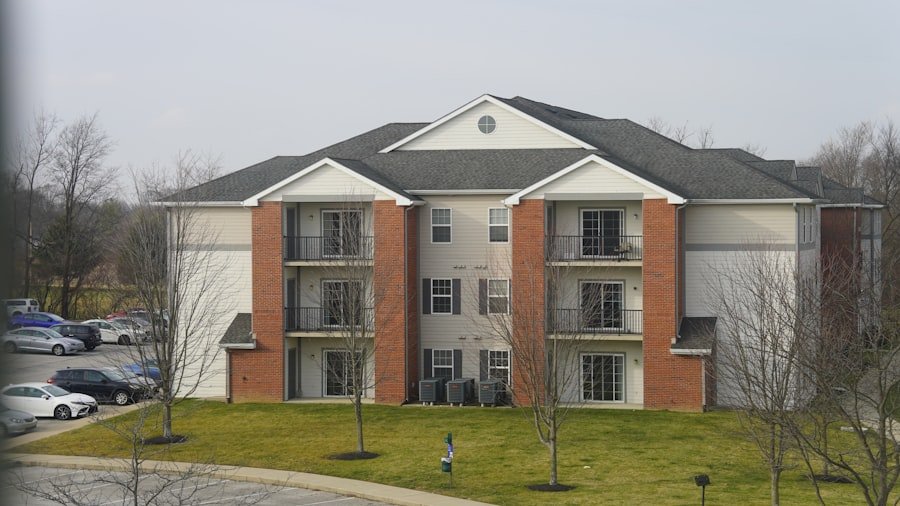
Sustainability is no longer just a buzzword; it has become a fundamental aspect of property management that benefits both the environment and the bottom line. Implementing sustainable practices can lead to significant cost savings while enhancing the appeal of properties to environmentally conscious tenants. Simple measures such as energy-efficient lighting, water-saving fixtures, and proper waste management can reduce utility costs and increase the overall value of a property.
Moreover, properties that prioritize sustainability often attract higher-quality tenants who are willing to pay a premium for eco-friendly living spaces. In addition to cost savings, sustainable practices contribute to a positive brand image for property management companies. By demonstrating a commitment to environmental stewardship, property managers can differentiate themselves in a crowded market.
This not only helps in attracting tenants but also fosters loyalty among existing ones who appreciate the efforts made towards sustainability. As more individuals prioritize eco-friendly living, integrating sustainable practices into property management will become increasingly essential for long-term success.
Effective Communication Strategies with Tenants and Property Owners
| Communication Strategy | Metrics |
|---|---|
| Regular Updates | Frequency of communication (e.g. weekly, monthly) |
| Clear and Concise Messages | Understanding level of tenants and property owners |
| Multiple Communication Channels | Usage of different platforms (e.g. email, phone, in-person) |
| Feedback Mechanism | Number of responses received from tenants and property owners |
Effective communication is at the heart of successful property management. Establishing clear lines of communication with both tenants and property owners is crucial for fostering trust and transparency. Regular updates regarding property maintenance, financial performance, and community events can keep all parties informed and engaged.
Utilizing various communication channels—such as emails, newsletters, and social media—ensures that messages reach tenants and owners in a timely manner. Moreover, active listening is an essential component of effective communication. Property managers should encourage feedback from tenants regarding their living experience and address any concerns promptly.
This not only enhances tenant satisfaction but also provides valuable insights that can inform future management strategies. For property owners, transparent communication about financial performance and market trends builds confidence in the management team’s ability to protect their investment. By prioritizing effective communication, property managers can create a collaborative environment that benefits everyone involved.
Maximizing Property Value through Proactive Maintenance and Upgrades
Proactive maintenance is a cornerstone of maximizing property value in real estate management. Regular inspections and timely repairs prevent minor issues from escalating into costly problems that can diminish a property’s appeal and value. By adopting a proactive approach, property managers can ensure that properties remain in excellent condition, which is essential for attracting high-quality tenants and achieving optimal rental rates.
In addition to routine maintenance, strategic upgrades can significantly enhance a property’s value. Investing in modern amenities or energy-efficient appliances not only improves tenant satisfaction but also positions the property favorably in the market. Property managers should stay informed about current trends and tenant preferences to make informed decisions about upgrades that will yield the highest return on investment.
By prioritizing proactive maintenance and thoughtful upgrades, property managers can ensure that properties remain competitive and continue to appreciate in value over time.
Ensuring Compliance with Local and State Regulations
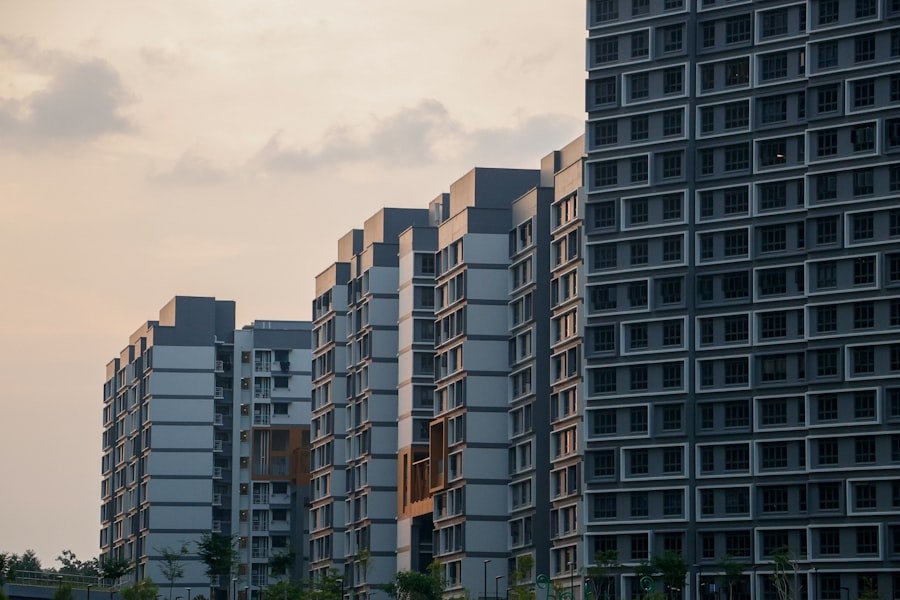
Compliance with local and state regulations is a critical aspect of property management that cannot be overlooked. The Residential Tenancy Act 1987 outlines specific rights and responsibilities for both landlords and tenants in Western Australia. Property managers must stay abreast of any changes to these regulations to ensure that they are operating within the law.
Failure to comply can result in legal disputes, financial penalties, and damage to the property’s reputation. Moreover, strict adherence to regulations protects both property owners and tenants by establishing clear guidelines for rental agreements, maintenance responsibilities, and dispute resolution processes. By fostering an environment of compliance, property managers can build trust with tenants while safeguarding the interests of property owners.
This commitment to regulatory compliance not only enhances operational efficiency but also contributes to a positive reputation within the community.
Managing Financials and Budgeting for Commercial Properties
Effective financial management is essential for the success of commercial properties. Property managers must develop comprehensive budgets that account for all operational expenses while maximizing revenue potential. This includes everything from maintenance costs to marketing expenses and tenant improvements.
By carefully analyzing financial data and market trends, property managers can make informed decisions that drive profitability. Additionally, transparent financial reporting is crucial for building trust with property owners. Regular updates on income, expenses, and overall financial performance provide owners with peace of mind regarding their investment.
Property managers should also be proactive in identifying opportunities for cost savings or revenue enhancement—whether through renegotiating vendor contracts or exploring new leasing strategies. By prioritizing sound financial management practices, property managers can ensure the long-term success of commercial properties.
Leveraging Data and Analytics for Informed Decision Making
In an increasingly data-driven world, leveraging analytics is essential for effective property management. By collecting and analyzing data on tenant behavior, market trends, and operational performance, property managers can make informed decisions that enhance efficiency and profitability. For instance, understanding tenant demographics can inform marketing strategies while analyzing maintenance data can identify patterns that lead to proactive solutions.
Moreover, data analytics can help property managers forecast future trends and make strategic adjustments accordingly. By staying ahead of market shifts or changes in tenant preferences, property managers can position their properties favorably within the competitive landscape. The ability to harness data effectively not only improves operational efficiency but also enhances overall decision-making processes—ultimately leading to better outcomes for both tenants and property owners.
Creating a Positive Tenant Experience to Drive Tenant Retention
Creating a positive tenant experience is paramount for driving tenant retention in today’s competitive rental market. Satisfied tenants are more likely to renew their leases and recommend properties to others—reducing turnover costs for property owners. Property managers should prioritize tenant engagement by fostering a sense of community through events or initiatives that encourage interaction among residents.
Additionally, addressing tenant concerns promptly and effectively contributes significantly to overall satisfaction. Whether it’s responding to maintenance requests or providing clear communication about policies or changes within the community, attentive service goes a long way in building trust with tenants. By focusing on creating a positive experience for residents, property managers can cultivate long-term relationships that benefit both tenants and property owners alike.
Strategies for Marketing and Leasing Commercial Properties
Marketing commercial properties requires a strategic approach that highlights their unique features while appealing to potential tenants’ needs. Property managers should utilize various marketing channels—such as online listings, social media campaigns, and targeted outreach—to reach prospective tenants effectively. High-quality visuals showcasing the property’s amenities can significantly enhance interest among potential renters.
Moreover, understanding the target audience is crucial for tailoring marketing efforts effectively. Whether targeting startups seeking flexible office space or established businesses looking for long-term leases, aligning marketing strategies with tenant needs ensures maximum engagement. Additionally, offering incentives such as reduced rent for early signings or flexible lease terms can attract prospective tenants while minimizing vacancy periods.
The Future of Property Management in Canning Vale: Trends and Innovations
As Canning Vale continues to evolve as a vibrant community within Perth’s real estate landscape, the future of property management will undoubtedly be shaped by emerging trends and innovations. One significant trend is the increasing demand for smart home technology among tenants—features such as smart thermostats or security systems are becoming essential selling points for modern properties. Additionally, sustainability will remain at the forefront of property management practices as more individuals prioritize eco-friendly living options.
Property managers who embrace green initiatives will not only attract environmentally conscious tenants but also contribute positively to the community’s overall well-being. In conclusion, the future of property management in Canning Vale will be characterized by adaptability—embracing technological advancements while prioritizing tenant satisfaction through effective communication strategies and sustainable practices will be key drivers of success in this ever-evolving industry landscape.
In the realm of commercial property management in Canning Vale, it’s essential to stay informed about the latest trends and strategies to maximize property value and tenant satisfaction. A related article that provides valuable insights into property management can be found on Smart Realty’s website. This article discusses effective management practices and market trends that can be applied to properties in Canning Vale. For more detailed information, you can read the full article by visiting this link.
For related advice specific to your situation, our article on Landlord Services in West Perth: How to Maximize Your Rental covers the essentials.