
How Effective Waterfront Property Management in Perth Affects You
Waterfront properties are among the most coveted real estate assets, offering breathtaking views, recreational opportunities, and a unique lifestyle that many aspire to attain. However, managing these properties comes with its own set of challenges and responsibilities. Effective waterfront property management is crucial not only for maintaining the aesthetic appeal and functionality of these properties but also for ensuring the safety and satisfaction of residents and visitors alike.
The significance of professional management cannot be overstated, as it directly impacts property value, tenant retention, and overall community well-being. In the realm of waterfront property management, the stakes are high. These properties often face unique environmental challenges, such as erosion, flooding, and the effects of climate change.
A well-structured management plan is essential to navigate these complexities while maximizing the potential of the property. By employing experienced professionals who understand the intricacies of waterfront management, property owners can ensure that their investments are protected and that they are providing a desirable living environment for tenants. This proactive approach not only enhances property value but also fosters a sense of community among residents.
Key Takeaways
- Waterfront property management is important for maximizing the potential of the property and ensuring a positive experience for residents and visitors.
- Regulations and compliance for waterfront properties in Perth are crucial for maintaining safety and environmental standards.
- Regular maintenance of waterfront infrastructure and facilities is essential for preserving the property’s value and appeal.
- Environmental conservation and sustainability practices are key for responsible waterfront property management.
- Safety and security measures are necessary to protect waterfront properties and ensure the well-being of residents and visitors.
Regulations and Compliance for Waterfront Properties in Perth
Navigating the regulatory landscape is a critical aspect of waterfront property management in Perth. The city is governed by a myriad of laws and regulations designed to protect both property owners and the environment. Compliance with these regulations is not merely a legal obligation; it is a fundamental component of responsible property management.
Understanding local zoning laws, environmental regulations, and building codes is essential for ensuring that waterfront properties are developed and maintained in accordance with the law. In Perth, the Residential Tenancy Act 1987 plays a pivotal role in safeguarding the rights of both landlords and tenants. This legislation outlines the responsibilities of property owners, including maintenance obligations and tenant rights.
By adhering to these regulations, property managers can create a transparent and fair rental environment that fosters trust between landlords and tenants. Moreover, compliance with environmental regulations ensures that waterfront properties are developed sustainably, preserving the natural beauty of Perth’s coastline for future generations.
Maintaining Waterfront Infrastructure and Facilities
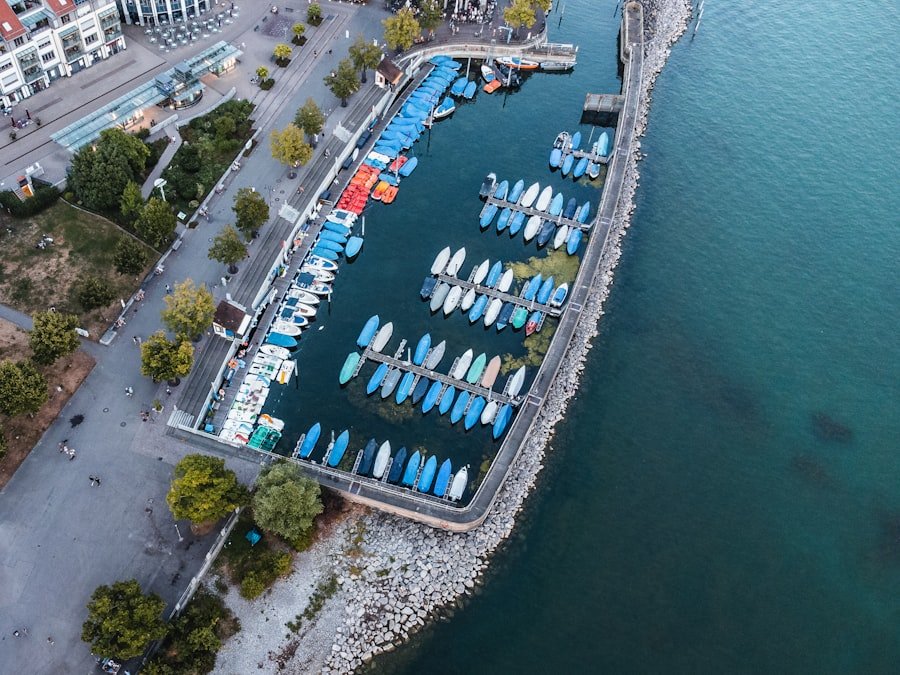
The infrastructure and facilities associated with waterfront properties require meticulous attention to detail. From docks and piers to walkways and recreational areas, these amenities must be regularly maintained to ensure safety and functionality. Effective property management involves conducting routine inspections, addressing maintenance issues promptly, and investing in upgrades when necessary.
This proactive approach not only enhances the user experience but also protects the long-term value of the property. Moreover, maintaining waterfront infrastructure is not just about aesthetics; it is also about safety. Deteriorating facilities can pose significant risks to residents and visitors alike.
Property managers must prioritize safety by implementing regular maintenance schedules and adhering to industry best practices. By doing so, they can mitigate potential hazards and create a welcoming environment that encourages community engagement and enjoyment of the waterfront.
Environmental Conservation and Sustainability in Waterfront Property Management
| Metrics | Data |
|---|---|
| Water Usage Reduction | 20% decrease in water consumption over the past year |
| Energy Efficiency | Implemented LED lighting resulting in 30% reduction in energy usage |
| Waste Management | Increased recycling rate to 50% through education and infrastructure improvements |
| Green Spaces | Added 2 acres of green space to the waterfront property |
| Wildlife Conservation | Implemented measures to protect and preserve local wildlife habitats |
As stewards of valuable waterfront resources, property managers have a responsibility to prioritize environmental conservation and sustainability. This commitment goes beyond compliance with regulations; it involves actively seeking ways to minimize the ecological footprint of waterfront properties. Implementing sustainable practices such as rainwater harvesting, native landscaping, and energy-efficient systems can significantly reduce environmental impact while enhancing the appeal of the property.
Furthermore, engaging with local conservation initiatives can foster a sense of community responsibility among residents. By promoting awareness of environmental issues and encouraging participation in conservation efforts, property managers can create a culture of sustainability that benefits both the property and the surrounding ecosystem. This holistic approach not only preserves the natural beauty of waterfront areas but also attracts environmentally conscious tenants who value sustainable living.
Safety and Security Measures for Waterfront Properties
Safety and security are paramount concerns for waterfront properties, where unique risks such as flooding, storms, and unauthorized access can pose significant challenges. Effective property management involves implementing comprehensive safety measures to protect both residents and assets. This includes installing security systems, conducting regular safety drills, and ensuring that emergency response plans are in place.
In addition to physical security measures, fostering a sense of community among residents can enhance safety.
Property managers can facilitate this by organizing community events or establishing neighborhood watch programs that promote vigilance and camaraderie.
By prioritizing safety and security, property managers can create a peaceful living environment that enhances the overall quality of life for residents.
Effective Communication and Community Engagement for Waterfront Property Management
Effective communication is at the heart of successful waterfront property management. Property managers must establish clear lines of communication with residents to address concerns, provide updates on maintenance activities, and foster a sense of community engagement. Utilizing various communication channels—such as newsletters, social media platforms, and community meetings—can help ensure that residents feel informed and involved in decision-making processes.
Community engagement is essential for building strong relationships among residents. Organizing events such as clean-up days, social gatherings, or educational workshops can encourage participation and foster a sense of belonging. When residents feel connected to their community, they are more likely to take pride in their surroundings and contribute positively to the overall atmosphere of the waterfront area.
By prioritizing effective communication and community engagement, property managers can create a vibrant living environment that enhances tenant satisfaction.
Managing Rental and Leasing of Waterfront Properties
The rental and leasing process for waterfront properties requires careful consideration to attract quality tenants while maximizing rental income. Property managers must conduct thorough tenant screenings to ensure that prospective renters meet financial criteria and have a history of responsible tenancy. Additionally, setting competitive rental rates based on market analysis can help attract tenants while ensuring that property owners receive fair returns on their investments.
Once tenants are secured, effective lease management becomes crucial. Property managers should clearly outline lease terms, including maintenance responsibilities, payment schedules, and rules regarding common areas. Open communication with tenants throughout their lease term is essential for addressing any issues that may arise promptly.
By providing exceptional service during the rental process, property managers can foster long-term relationships with tenants while minimizing turnover rates.
Landscaping and Beautification of Waterfront Areas
The aesthetic appeal of waterfront properties is significantly influenced by landscaping and beautification efforts. Well-maintained green spaces not only enhance the visual appeal of the property but also contribute to a positive living environment for residents. Property managers should prioritize landscaping initiatives that incorporate native plants, sustainable practices, and thoughtful design elements that complement the natural surroundings.
Regular maintenance of landscaping features is essential to ensure their longevity and attractiveness. This includes routine lawn care, pruning trees and shrubs, and seasonal planting to keep the area vibrant throughout the year. Additionally, creating inviting outdoor spaces such as picnic areas or walking paths encourages residents to enjoy their surroundings while fostering a sense of community pride in maintaining these shared spaces.
Addressing Erosion and Flooding Risks in Waterfront Property Management
Erosion and flooding are significant concerns for waterfront properties due to their proximity to bodies of water. Property managers must proactively address these risks through comprehensive planning and mitigation strategies. This may involve conducting regular assessments of shoreline conditions, implementing erosion control measures such as riprap or vegetation buffers, and developing emergency response plans for flooding events.
Collaboration with local authorities and environmental agencies can provide valuable insights into best practices for managing erosion and flooding risks effectively. By staying informed about potential threats and implementing preventative measures, property managers can protect both their properties and residents from the adverse effects of natural disasters.
Implementing Effective Maintenance and Repairs for Waterfront Properties
A robust maintenance program is essential for ensuring that waterfront properties remain in excellent condition over time. Property managers should establish regular inspection schedules to identify maintenance needs proactively before they escalate into costly repairs. This includes routine checks on structural integrity, plumbing systems, electrical components, and outdoor amenities.
When repairs are necessary, timely action is crucial to minimize disruption for residents. Engaging reliable contractors who specialize in waterfront properties can ensure that repairs are conducted efficiently while adhering to industry standards. By prioritizing effective maintenance practices, property managers can enhance tenant satisfaction while preserving the long-term value of their properties.
Leveraging Technology for Efficient Waterfront Property Management
In today’s digital age, leveraging technology is essential for efficient waterfront property management. Property managers can utilize software solutions for tasks such as tenant screening, rent collection, maintenance tracking, and communication with residents. These tools streamline operations while providing valuable insights into property performance.
Additionally, technology can enhance security measures through surveillance systems or access control solutions that monitor entry points to waterfront properties. Smart home technologies can also be integrated into rental units to improve energy efficiency and enhance tenant comfort. By embracing technological advancements, property managers can optimize their operations while providing exceptional service to residents in waterfront communities.
In conclusion, effective waterfront property management encompasses a wide range of responsibilities that require careful consideration and proactive planning. From navigating regulations to prioritizing safety measures and fostering community engagement, successful management hinges on a commitment to excellence at every level. By embracing sustainable practices, leveraging technology, and maintaining open lines of communication with residents, property managers can create thriving waterfront communities that stand the test of time while maximizing property value for owners.
When it comes to managing waterfront properties in Perth, it’s essential to stay informed about the latest trends and market conditions. A related article that provides valuable insights into the real estate market is “Rents Slowly Creeping Up in Year 2019,” which discusses the gradual increase in rental prices and its implications for property management. This article can offer useful context for understanding the dynamics of waterfront property management in Perth. For more information, you can read the full article by visiting Rents Slowly Creeping Up in Year 2019.