
A Closer Look at Effective Tenant Management in Perth: Tips for Success
The tenant-landlord relationship is a crucial aspect of property management that can significantly influence the success of any rental arrangement. At its core, this relationship is built on mutual respect, trust, and a clear understanding of each party’s rights and responsibilities. Landlords must recognize that tenants are not merely occupants of their properties; they are individuals who deserve to be treated with dignity and fairness.
This understanding fosters a positive environment where both parties can thrive, leading to longer tenancies and reduced turnover rates. Moreover, a healthy tenant-landlord relationship is essential for maintaining the property’s value. When tenants feel valued and respected, they are more likely to take care of the property, report maintenance issues promptly, and adhere to lease terms.
This symbiotic relationship can lead to a win-win situation where landlords enjoy consistent rental income while tenants enjoy a comfortable living environment. Therefore, it is imperative for landlords to approach this relationship with an open mind and a commitment to fostering goodwill.
Key Takeaways
- The tenant-landlord relationship requires clear communication and mutual respect.
- Setting clear expectations from the beginning can help prevent misunderstandings and disputes later on.
- A comprehensive lease agreement should outline all terms and conditions to protect both parties.
- Effective communication channels, such as email or a dedicated phone line, should be established for prompt responses to tenant inquiries.
- Handling tenant complaints and maintenance requests in a timely and efficient manner is crucial for tenant satisfaction and property maintenance.
Setting Clear Expectations from the Beginning
Setting clear expectations from the outset is vital in establishing a successful tenant-landlord relationship. This begins with thorough communication during the application process, where landlords should outline their expectations regarding rent payment schedules, property maintenance responsibilities, and acceptable behavior within the property. By being transparent about these expectations, landlords can minimize misunderstandings and set the tone for a respectful and cooperative relationship.
Additionally, it is essential to discuss the consequences of failing to meet these expectations. This includes outlining the procedures for late payments, property damage, or lease violations. By addressing these issues upfront, landlords can ensure that tenants are fully aware of their obligations and the potential repercussions of not adhering to them.
This proactive approach not only protects the landlord’s interests but also empowers tenants to take responsibility for their actions.
Creating a Comprehensive Lease Agreement
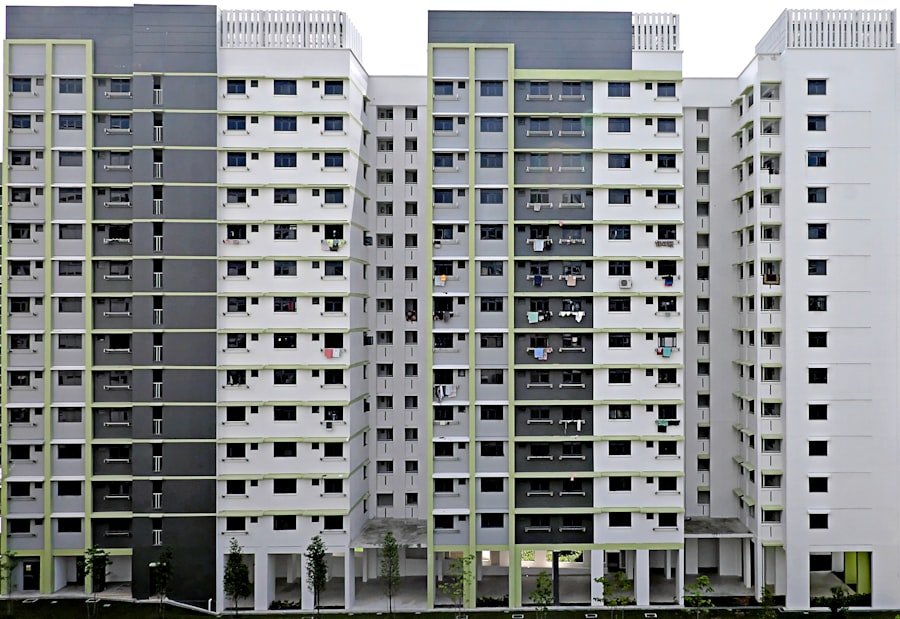
A comprehensive lease agreement serves as the foundation of the tenant-landlord relationship, outlining the terms and conditions that govern the rental arrangement. This document should cover all essential aspects, including rent amount, payment due dates, security deposits, maintenance responsibilities, and rules regarding pets or subletting. A well-drafted lease agreement protects both parties by providing clarity and reducing the likelihood of disputes.
Moreover, it is crucial for landlords to ensure that their lease agreements comply with local laws and regulations. This includes adhering to the Residential Tenancy Act 1987 in Western Australia, which outlines the rights and responsibilities of both landlords and tenants. By incorporating these legal requirements into the lease agreement, landlords can safeguard themselves against potential legal issues while providing tenants with a clear understanding of their rights.
Establishing Effective Communication Channels
| Communication Channel | Advantages | Disadvantages |
|---|---|---|
| Face-to-Face Meetings | Allows for immediate feedback and non-verbal cues | Requires scheduling and may be time-consuming |
| Can reach a large audience quickly | May lead to misinterpretation and information overload | |
| Phone Calls | Allows for real-time conversation | Lack of visual cues and potential for interruptions |
| Instant Messaging | Enables quick and informal communication | May lead to distractions and misunderstandings |
Effective communication is the cornerstone of a successful tenant-landlord relationship. Landlords should establish clear channels for communication that allow tenants to reach out with questions, concerns, or maintenance requests. This could include providing multiple contact methods such as phone numbers, email addresses, or even a dedicated tenant portal for online communication.
By making themselves accessible, landlords demonstrate their commitment to addressing tenant needs promptly. Furthermore, regular check-ins can enhance communication and foster a sense of community within the rental property. Landlords can schedule periodic meetings or send out newsletters to keep tenants informed about property updates, maintenance schedules, or community events.
This proactive approach not only strengthens relationships but also encourages tenants to feel more invested in their living environment.
Handling Tenant Complaints and Maintenance Requests
Handling tenant complaints and maintenance requests efficiently is critical for maintaining tenant satisfaction and preserving property value. Landlords should have a clear process in place for tenants to report issues, ensuring that all complaints are acknowledged and addressed in a timely manner. This could involve setting up an online submission form or a dedicated phone line for maintenance requests.
When addressing complaints, landlords should approach each situation with empathy and professionalism. Listening to tenant concerns and taking appropriate action demonstrates that landlords value their tenants’ well-being. Additionally, timely resolution of maintenance issues not only enhances tenant satisfaction but also prevents minor problems from escalating into costly repairs down the line.
Enforcing Lease Terms and Policies

Enforcing lease terms and policies is an essential responsibility for landlords to ensure that all tenants adhere to the agreed-upon rules. This includes monitoring compliance with payment schedules, property maintenance standards, and community guidelines. When violations occur, landlords must address them promptly and fairly, following the procedures outlined in the lease agreement.
Consistency in enforcement is key to maintaining authority as a landlord while fostering respect among tenants. Landlords should avoid favoritism or leniency towards certain tenants, as this can lead to resentment among others. By treating all tenants equally and enforcing policies uniformly, landlords create an environment of fairness that encourages compliance and cooperation.
Conducting Regular Property Inspections
Regular property inspections are an integral part of effective property management that benefits both landlords and tenants. These inspections allow landlords to assess the condition of their properties, identify maintenance needs, and ensure that tenants are adhering to lease terms. By conducting inspections at regular intervals—such as quarterly or biannually—landlords can proactively address issues before they escalate into significant problems.
Additionally, property inspections provide an opportunity for landlords to engage with tenants directly. During these visits, landlords can discuss any concerns tenants may have while also reinforcing their commitment to maintaining a safe and comfortable living environment. This open dialogue fosters trust and encourages tenants to take pride in their homes.
Dealing with Late Payments and Evictions
Dealing with late payments and potential evictions is one of the more challenging aspects of property management. Landlords must approach these situations with sensitivity while also adhering to legal protocols. When a tenant fails to make timely rent payments, it is essential for landlords to communicate promptly and professionally about the issue.
A friendly reminder or discussion about potential payment plans can often resolve the situation without escalating tensions. However, if late payments persist despite efforts to communicate, landlords must be prepared to take further action in accordance with local laws. This may involve issuing formal notices or initiating eviction proceedings if necessary.
While this process can be difficult for both parties involved, it is crucial for landlords to remain firm yet fair throughout the process to protect their investment while also respecting tenant rights.
Building Positive Relationships with Tenants
Building positive relationships with tenants is essential for long-term success in property management. When tenants feel valued and respected, they are more likely to renew their leases and recommend the property to others. Landlords can foster these relationships by being approachable, responsive, and attentive to tenant needs.
Simple gestures such as sending holiday greetings or organizing community events can go a long way in creating a sense of belonging among tenants. Additionally, soliciting feedback from tenants about their experiences can help landlords identify areas for improvement while demonstrating that they care about tenant satisfaction. Ultimately, positive relationships lead to happier tenants who are more likely to treat the property with care.
Staying Informed about Tenancy Laws and Regulations
Staying informed about tenancy laws and regulations is crucial for landlords to ensure compliance and protect their interests. Laws governing rental properties can change frequently, so it is essential for landlords to stay updated on any amendments or new legislation that may impact their operations. This includes understanding local regulations related to security deposits, eviction processes, and tenant rights.
By remaining knowledgeable about these laws, landlords can avoid potential legal pitfalls while also providing tenants with accurate information about their rights and responsibilities. Engaging in ongoing education through workshops or industry associations can further enhance a landlord’s understanding of best practices in property management.
Seeking Professional Property Management Assistance when Needed
While many landlords may choose to manage their properties independently, there are times when seeking professional property management assistance becomes necessary. Experienced property management companies offer valuable expertise in navigating complex tenancy laws, handling maintenance requests efficiently, and managing tenant relationships effectively. By partnering with a reputable property management firm, landlords can alleviate the stress associated with day-to-day operations while ensuring that their properties are well-maintained and compliant with regulations.
This professional support allows landlords to focus on other priorities while still maximizing their investment’s potential. In conclusion, effective property management requires a multifaceted approach that prioritizes clear communication, adherence to legal standards, and positive tenant relationships. By understanding the intricacies of the tenant-landlord relationship and implementing best practices throughout the rental process, landlords can create a thriving rental environment that benefits both parties involved.
Whether managing properties independently or seeking professional assistance, a commitment to excellence will ultimately lead to greater success in real estate endeavors.
Managing tenants effectively in Perth requires a comprehensive understanding of the local real estate market and the specific needs of both property owners and tenants. One crucial aspect to consider is the cost associated with property management services. For those interested in understanding the financial implications, the article on the average property management fee in Perth provides valuable insights. This resource can help property owners make informed decisions about hiring property management services and ensure they are getting the best value for their investment. By staying informed about these fees, landlords can better manage their properties and maintain positive relationships with their tenants.