
Understanding East Perth Renovation: Maximizing Rental Return
The East Perth rental market is a dynamic and evolving landscape that offers both opportunities and challenges for property owners and investors. With its proximity to the central business district, vibrant cultural scene, and access to public transport, East Perth has become a sought-after location for renters. Understanding the nuances of this market is crucial for anyone looking to invest in rental properties here.
The demand for rental properties in East Perth has been steadily increasing, driven by a mix of young professionals, families, and students who are drawn to the area’s amenities and lifestyle offerings. To navigate this competitive market effectively, it is essential to stay informed about current rental trends, vacancy rates, and demographic shifts. Analyzing local market data can provide valuable insights into rental pricing strategies and tenant preferences.
For instance, properties that are well-located near parks, schools, and shopping centers tend to attract higher rental yields. Additionally, understanding the seasonal fluctuations in demand can help landlords time their rental listings strategically, ensuring they maximize occupancy rates throughout the year.
Key Takeaways
- Understanding the East Perth Rental Market:
- Research the current rental market trends and demand in East Perth.
- Consider the demographics and preferences of potential tenants in the area.
- Assessing the Property’s Potential:
- Evaluate the property’s condition and potential for renovation.
- Consider the location, amenities, and potential rental income.
- Budgeting for Renovation Costs:
- Create a detailed budget for renovation costs, including materials and labor.
- Factor in unexpected expenses and set aside a contingency fund.
- Choosing the Right Renovation Projects:
- Prioritize renovations that will add value and appeal to potential tenants.
- Consider both cosmetic and functional improvements for the property.
- Maximizing Space and Functionality:
- Look for opportunities to optimize the layout and functionality of the property.
- Consider open floor plans, storage solutions, and multi-purpose spaces.
Assessing the Property’s Potential
Before diving into any renovation project, it is vital to assess the potential of the property in question. This involves a thorough evaluation of its current condition, layout, and overall appeal. A property’s potential can often be unlocked through strategic renovations that enhance its value and attractiveness to prospective tenants.
Conducting a comprehensive property inspection can reveal areas that require immediate attention, such as structural issues or outdated systems that may deter potential renters. Moreover, understanding the target demographic is key to assessing a property’s potential. For instance, if the goal is to attract young professionals, an open-concept layout with modern finishes may be more appealing than traditional designs.
Conversely, families may prioritize functional spaces such as additional bedrooms or outdoor areas. By aligning renovation plans with the needs and preferences of the target market, property owners can ensure that their investments yield maximum returns.
Budgeting for Renovation Costs
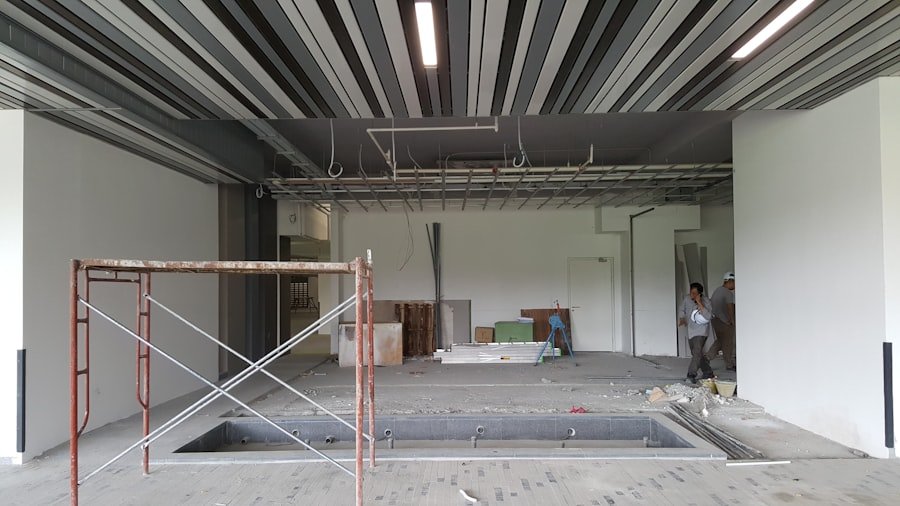
Budgeting for renovation costs is a critical step in any property improvement project. It is essential to create a detailed budget that accounts for all potential expenses, including materials, labor, permits, and unexpected contingencies. A well-planned budget not only helps in managing finances but also ensures that the renovation process runs smoothly without financial strain.
Property owners should consider obtaining multiple quotes from contractors to ensure they are getting competitive pricing while also assessing the quality of work. In addition to direct renovation costs, it is important to factor in potential lost rental income during the renovation period. Depending on the extent of the renovations, properties may be uninhabitable for a certain period, which can impact cash flow.
By planning ahead and setting aside a contingency fund for unforeseen expenses, property owners can mitigate financial risks and ensure that their renovation projects remain on track.
Choosing the Right Renovation Projects
| Renovation Projects | Factors to Consider | Benefits |
|---|---|---|
| Kitchen Remodel | Budget, layout, functionality | Increased home value, improved functionality |
| Bathroom Renovation | Plumbing, ventilation, lighting | Enhanced comfort, increased home value |
| Deck Addition | Material, size, maintenance | Expanded outdoor living space, improved home appeal |
Selecting the right renovation projects is crucial for maximizing a property’s value and appeal. Not all renovations yield equal returns on investment; therefore, it is essential to prioritize projects that align with market demands and enhance functionality. For instance, kitchen and bathroom remodels are often cited as high-impact renovations that can significantly increase a property’s value.
Upgrading appliances, fixtures, and finishes in these areas can create a modern and inviting atmosphere that attracts quality tenants. Additionally, enhancing energy efficiency through renovations such as installing double-glazed windows or upgrading insulation can not only reduce utility costs but also appeal to environmentally conscious renters. It is also wise to consider cosmetic improvements such as fresh paint or landscaping that can dramatically improve curb appeal without breaking the bank.
By focusing on renovations that offer the best return on investment, property owners can ensure their efforts translate into increased rental income and property value.
Maximizing Space and Functionality
In today’s rental market, maximizing space and functionality is paramount. Many renters are looking for properties that offer efficient use of space without compromising on comfort. This can be achieved through thoughtful design choices such as open floor plans that create a sense of spaciousness or multi-functional furniture that allows for flexible living arrangements.
Moreover, incorporating storage solutions into renovations can greatly improve functionality. Built-in shelving, under-stair storage, and closet organizers can help tenants make the most of their living space while keeping it organized and clutter-free.
By prioritizing space optimization in renovation plans, property owners can create environments that resonate with potential tenants and encourage longer lease terms.
Selecting High-Quality Materials and Finishes

The choice of materials and finishes plays a significant role in determining the overall quality and longevity of renovations. Opting for high-quality materials not only enhances the aesthetic appeal of a property but also reduces maintenance costs in the long run. For instance, investing in durable flooring options such as hardwood or high-quality laminate can withstand wear and tear while providing a timeless look that appeals to renters.
Additionally, selecting finishes that are both stylish and practical is essential.
Property owners should also consider trends in design and finishes that resonate with their target demographic; modern fixtures and neutral color palettes often attract a wider range of tenants.
By prioritizing quality in every aspect of renovations, property owners can ensure their investments stand the test of time.
Adding Modern Amenities and Features
Incorporating modern amenities and features into rental properties can significantly enhance their appeal to prospective tenants. Today’s renters often seek conveniences such as smart home technology, energy-efficient appliances, and high-speed internet access. By integrating these features into renovations, property owners can differentiate their properties from others on the market and justify higher rental rates.
For instance, installing smart thermostats or security systems not only adds value but also appeals to tech-savvy renters who prioritize convenience and safety. Additionally, creating outdoor living spaces such as patios or balconies equipped with seating areas can enhance the overall living experience for tenants. By staying attuned to current trends in amenities and features, property owners can ensure their properties remain competitive in an ever-evolving rental market.
Enhancing Curb Appeal and Outdoor Spaces
Curb appeal is often the first impression potential tenants have of a property; therefore, enhancing it should be a top priority for property owners. Simple improvements such as fresh landscaping, new paint on the front door, or updated lighting fixtures can make a significant difference in how a property is perceived from the street. A well-maintained exterior not only attracts interest but also signals to prospective tenants that the property has been cared for.
Outdoor spaces also play an important role in tenant satisfaction. Creating inviting outdoor areas with seating arrangements or gardens can provide tenants with additional living space while enhancing their overall quality of life. Properties with well-designed outdoor spaces are often more desirable and can command higher rental rates.
By investing time and resources into improving curb appeal and outdoor areas, property owners can create lasting impressions that lead to quicker rentals.
Creating a Low-Maintenance and Sustainable Property
In today’s environmentally conscious society, creating low-maintenance and sustainable properties is increasingly important for attracting tenants who value eco-friendly living. Implementing sustainable practices during renovations—such as using recycled materials or energy-efficient appliances—can significantly reduce a property’s environmental footprint while appealing to eco-minded renters. Additionally, low-maintenance landscaping options such as native plants or xeriscaping can minimize upkeep while enhancing aesthetic appeal.
Properties designed with sustainability in mind not only contribute positively to the environment but also reduce long-term costs associated with maintenance and utilities. By prioritizing sustainability in renovation projects, property owners can position themselves as responsible landlords while attracting a growing demographic of environmentally conscious tenants.
Marketing the Renovated Property to Potential Tenants
Once renovations are complete, effectively marketing the property is essential for attracting quality tenants quickly. High-quality photographs showcasing the newly renovated spaces are crucial for online listings; they should highlight key features such as modern amenities and outdoor areas. Crafting compelling descriptions that emphasize the property’s unique selling points will help capture potential tenants’ attention.
Utilizing various marketing channels—such as social media platforms, real estate websites, and local community boards—can broaden exposure to potential renters. Hosting open houses or virtual tours allows interested parties to experience the property firsthand while providing an opportunity for landlords to showcase their commitment to quality living spaces. By implementing strategic marketing efforts post-renovation, property owners can maximize interest in their properties and secure reliable tenants swiftly.
Monitoring and Adjusting Rental Rates for Maximum Return
Finally, monitoring and adjusting rental rates is crucial for ensuring maximum return on investment over time. Conducting regular market analyses allows property owners to stay informed about local rental trends and adjust pricing accordingly. Factors such as seasonal demand fluctuations or changes in local amenities should be considered when determining rental rates.
Additionally, being responsive to tenant feedback regarding pricing can help landlords maintain positive relationships while ensuring their properties remain competitive in the market. Offering incentives such as reduced rent for longer lease terms or including utilities in rent can attract quality tenants while maximizing occupancy rates. By actively managing rental rates based on market conditions and tenant needs, property owners can optimize their investment returns while fostering long-term tenant relationships.
In conclusion, navigating the East Perth rental market requires careful planning and strategic decision-making at every stage of property management and renovation projects. From understanding market dynamics to selecting appropriate renovation projects and effectively marketing properties post-renovation, each step plays a vital role in maximizing returns on investment while ensuring tenant satisfaction. By prioritizing quality materials, modern amenities, sustainability practices, and effective marketing strategies, property owners can position themselves for success in this competitive landscape while creating desirable living spaces for tenants.
Renovating properties in East Perth can significantly enhance rental returns, making it a lucrative investment for property owners. A well-executed renovation not only increases the property’s aesthetic appeal but also its market value, attracting higher-paying tenants. For those considering such an investment, it’s crucial to work with experienced professionals who understand the local market dynamics. An insightful article on experienced property management in Canning Vale provides valuable tips on maximizing rental returns through strategic property enhancements and effective management practices. This resource can guide property owners in making informed decisions to optimize their rental income.
You may also find these helpful: Essential Property Maintenance in Carlisle WA 6101 and Professional Rental Property Maintenance Services in St James, WA 6102.