
East Perth Move-Out Inspections: A Complete Guide: Key Things to Consider
Move-out inspections are a critical component of the rental process, serving as a formal assessment of a tenant’s property condition at the end of their lease. This inspection typically occurs after the tenant has vacated the premises but before the landlord or property manager prepares to re-rent the unit. The primary purpose of this inspection is to evaluate any potential damages beyond normal wear and tear, ensuring that the property is returned in a satisfactory condition.
It is an opportunity for landlords to assess the state of their investment and for tenants to understand their responsibilities regarding security deposits. During a move-out inspection, landlords or property managers will meticulously examine various aspects of the property, including walls, floors, appliances, and fixtures. They will look for signs of damage, cleanliness, and any necessary repairs that may need to be addressed before new tenants move in.
This process is not only about identifying issues but also about documenting the property’s condition to protect both parties involved. Understanding the nuances of move-out inspections can empower tenants to take proactive steps in ensuring a smooth transition and minimizing disputes over security deposits.
Key Takeaways
- Move-out inspections are important for both tenants and landlords to assess the condition of the property before and after the lease period.
- Proper preparation for the move-out inspection can help tenants avoid disputes and ensure the return of their security deposit.
- A thorough cleaning and maintenance checklist can help tenants ensure that the property is in good condition before the move-out inspection.
- Documenting the condition of the property with photos and written notes can provide evidence in case of disputes over damages.
- Effective communication with the landlord or property manager is key to a successful move-out inspection and resolving any concerns.
Importance of Move-Out Inspections
The significance of move-out inspections cannot be overstated, as they play a pivotal role in maintaining the integrity of rental agreements and protecting the interests of both landlords and tenants. For landlords, these inspections provide a clear record of the property’s condition at the time of a tenant’s departure, which is essential for determining any deductions from the security deposit. This process helps ensure that landlords can uphold their rights while also fostering a sense of accountability among tenants.
For tenants, move-out inspections offer an opportunity to demonstrate their commitment to leaving the property in good condition. A thorough inspection can help tenants avoid disputes over security deposits and ensure that they receive their full deposit back. Moreover, it allows them to address any issues before they leave, which can lead to a more amicable relationship with their landlord.
Ultimately, move-out inspections serve as a crucial bridge between the end of one tenancy and the beginning of another, promoting transparency and fairness in the rental process.
Preparing for the Inspection
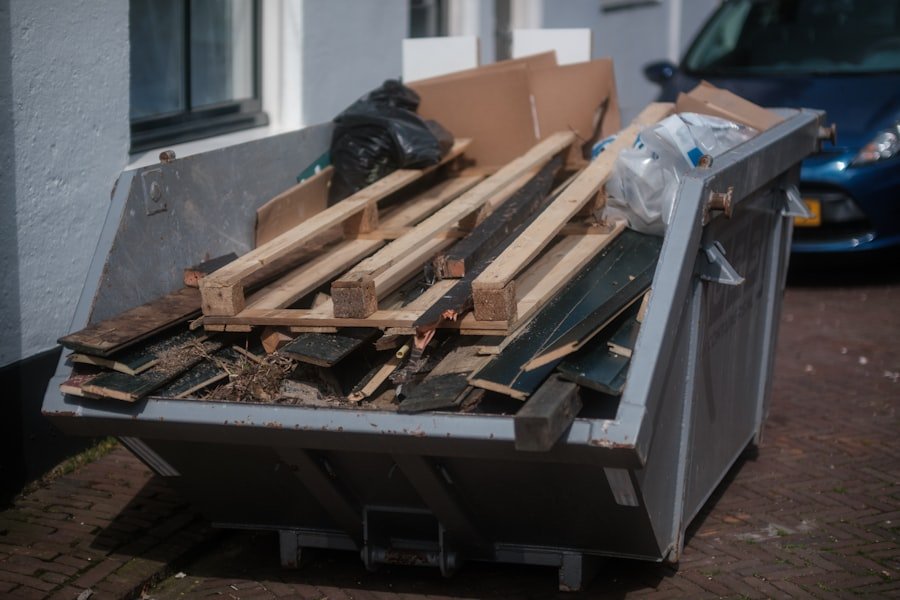
Preparation is key when it comes to move-out inspections. Tenants should begin by reviewing their lease agreement to understand their responsibilities regarding property maintenance and cleanliness. This document often outlines specific expectations for returning the property in its original condition, which can serve as a valuable guide during the preparation process.
Additionally, tenants should familiarize themselves with any local laws or regulations that pertain to move-out inspections, as these can vary by jurisdiction. Once tenants have a clear understanding of their obligations, they should create a checklist of tasks to complete before the inspection. This list may include deep cleaning the entire unit, addressing minor repairs, and ensuring that all personal belongings have been removed.
By taking these steps, tenants can present the property in its best light and demonstrate their commitment to fulfilling their lease obligations. A well-prepared tenant is more likely to have a positive experience during the move-out inspection and avoid potential disputes with their landlord.
Cleaning and Maintenance Checklist
| Area | Cleaning Task | Frequency | Responsible |
|---|---|---|---|
| Restrooms | Sanitize toilets, sinks, and counters | Daily | Janitorial staff |
| Breakroom | Wipe down tables and chairs | Weekly | Office manager |
| Office Floors | Vacuum and mop | Bi-weekly | Cleaning crew |
A comprehensive cleaning and maintenance checklist is essential for ensuring that a rental property is left in excellent condition. Tenants should start by focusing on high-traffic areas such as kitchens and bathrooms, where grime and dirt tend to accumulate.
In the kitchen, this includes cleaning appliances like ovens, refrigerators, and dishwashers, as well as wiping down countertops and cabinets.
Bathrooms should be scrubbed thoroughly, with special attention paid to toilets, sinks, and showers to remove any soap scum or mildew.
Beyond cleaning surfaces, tenants should also check for any maintenance tasks that need attention.
This may involve replacing burnt-out light bulbs, tightening loose cabinet handles, or fixing leaky faucets.
Addressing these minor issues can make a significant difference in how the property is perceived during the inspection. By following a detailed cleaning and maintenance checklist, tenants can ensure that they leave the property in pristine condition, which can ultimately lead to a smoother move-out process and a higher likelihood of receiving their full security deposit back.
Repairing Damages
Repairing damages before a move-out inspection is crucial for tenants who want to avoid disputes with their landlords over security deposits. Even minor damages can lead to deductions if not addressed properly. Common issues that may need repair include nail holes in walls from hanging pictures, scratches on hardwood floors, or stains on carpets.
Tenants should take the time to assess the property thoroughly and identify any areas that may require attention. In some cases, tenants may be able to handle minor repairs themselves, such as patching up small holes or repainting walls. However, for more significant issues like plumbing leaks or electrical problems, it may be wise to consult with professionals.
Taking proactive steps to repair damages not only demonstrates responsibility but also helps maintain a positive relationship with landlords. By leaving the property in excellent condition, tenants can increase their chances of receiving their full security deposit back and avoid potential legal disputes.
Documenting the Condition of the Property

Documenting the condition of the property before moving out is an essential step that can protect tenants’ interests during the move-out inspection process. Taking photographs or videos of each room can serve as valuable evidence of the property’s state at the time of departure. This documentation can be particularly useful if there are disputes regarding damages or cleanliness after the inspection.
When documenting the property, tenants should focus on capturing details such as wall conditions, flooring integrity, and appliance functionality. It is advisable to take wide-angle shots that encompass entire rooms as well as close-ups of any specific areas of concern. Additionally, tenants should consider creating a written inventory of any existing damages or issues that were present when they moved in.
This comprehensive approach not only provides peace of mind but also serves as a safeguard against unjust deductions from security deposits.
Addressing Landlord Concerns
Addressing landlord concerns during a move-out inspection is vital for fostering a positive relationship between tenants and property owners. Landlords may have specific expectations regarding cleanliness and maintenance that tenants should be aware of before the inspection takes place. Open communication is key; tenants should feel comfortable discussing any concerns they may have about potential deductions from their security deposit.
If landlords express concerns during the inspection, tenants should listen attentively and respond respectfully. If there are legitimate issues that need addressing, such as repairs or cleaning tasks that were overlooked, tenants should acknowledge them and take responsibility where appropriate. Demonstrating a willingness to cooperate can go a long way in ensuring a smooth transition out of the property and may even lead to leniency regarding security deposit deductions.
Communicating with the Landlord or Property Manager
Effective communication with landlords or property managers is essential throughout the move-out process. Tenants should inform their landlords well in advance of their intended move-out date to allow for proper planning regarding inspections and potential new tenants. This proactive approach not only shows respect for the landlord’s time but also helps establish a positive rapport.
During this communication, tenants should inquire about any specific requirements or expectations for the move-out inspection. Understanding what landlords are looking for can help tenants prepare more effectively and avoid misunderstandings later on. Additionally, maintaining open lines of communication after the inspection can facilitate discussions about security deposit returns and any necessary follow-up actions.
Tips for a Successful Move-Out Inspection
To ensure a successful move-out inspection, tenants should follow several key tips that can help them navigate this process smoothly. First and foremost, thorough preparation is essential; this includes cleaning every corner of the property and addressing any repairs needed before the inspection date arrives. A well-maintained property will leave a positive impression on landlords.
Another important tip is to be present during the inspection if possible. Being there allows tenants to address any concerns immediately and clarify any misunderstandings that may arise during the assessment process. Additionally, having documentation ready—such as photographs or videos—can provide valuable support if disputes arise later on.
By following these tips, tenants can enhance their chances of having a successful move-out inspection experience.
Common Mistakes to Avoid
There are several common mistakes that tenants should avoid when preparing for a move-out inspection to ensure they do not jeopardize their security deposit return. One major pitfall is neglecting to read the lease agreement thoroughly; understanding specific obligations regarding cleanliness and maintenance is crucial for compliance during inspections. Another mistake is failing to communicate effectively with landlords or property managers about expectations for the inspection process.
Tenants who do not ask questions or seek clarification may find themselves unprepared for what landlords are looking for during assessments. Lastly, overlooking minor repairs or cleaning tasks can lead to unnecessary deductions from security deposits; addressing these issues proactively can save tenants time and money in the long run.
Knowing Your Rights as a Tenant
Understanding tenant rights is paramount when navigating move-out inspections and ensuring fair treatment throughout the rental process. Tenants have specific rights under local laws that protect them from unjust deductions from security deposits and ensure they receive proper notice regarding inspections. Familiarizing oneself with these rights empowers tenants to advocate for themselves effectively.
Additionally, knowing what constitutes “normal wear and tear” versus damage can help tenants prepare for inspections more confidently. Normal wear and tear refers to gradual deterioration that occurs over time due to regular use; it should not result in deductions from security deposits unless explicitly stated otherwise in lease agreements. By being informed about their rights as tenants, individuals can approach move-out inspections with greater assurance and clarity.
In conclusion, move-out inspections are an integral part of the rental experience that requires careful preparation and understanding from both landlords and tenants alike. By following best practices such as thorough cleaning, addressing repairs proactively, documenting conditions accurately, and maintaining open communication with landlords or property managers, tenants can navigate this process successfully while safeguarding their interests throughout their tenancy journey.
When preparing for a move-out inspection in East Perth, it’s essential to ensure that the property is in top condition to avoid any potential disputes over bond returns. A comprehensive approach to property management can significantly ease this process. For those interested in a seamless property management experience, the article on all-inclusive property management in Thornlie provides valuable insights. It highlights the importance of thorough inspections and maintenance, which can be beneficial for both tenants and landlords in ensuring a smooth transition during move-outs.
FAQs
What is a move-out inspection in East Perth?
A move-out inspection in East Perth is a thorough assessment of a rental property at the end of a tenancy, conducted by the landlord or property manager to document the condition of the property before the tenant moves out.
Why are move-out inspections important in East Perth?
Move-out inspections are important in East Perth to ensure that the property is returned in the same condition as when the tenant moved in. It helps to identify any damages or issues that may need to be addressed before a new tenant moves in.
What is the purpose of a move-out inspection in East Perth?
The purpose of a move-out inspection in East Perth is to determine if there are any damages beyond normal wear and tear, and to assess if the tenant is eligible for the return of their security deposit.
Who is responsible for conducting the move-out inspection in East Perth?
The landlord or property manager is responsible for conducting the move-out inspection in East Perth. It is recommended to schedule the inspection with the tenant present to discuss any findings and address any concerns.
What should tenants do to prepare for a move-out inspection in East Perth?
Tenants should thoroughly clean the property and address any damages or issues before the move-out inspection in East Perth. It is also advisable to review the initial move-in inspection report to ensure all pre-existing damages are documented.
What happens after a move-out inspection in East Perth?
After the move-out inspection in East Perth, the landlord or property manager will provide the tenant with a report detailing any damages and deductions from the security deposit, if applicable. The tenant may have the opportunity to address any discrepancies or negotiate the findings.