
East Perth Entry Report: Current Conditions: Key Things to Consider
East Perth, a vibrant and evolving suburb located just a stone’s throw from the heart of Western Australia’s capital, has become a focal point for urban development and community engagement. This report aims to provide a comprehensive analysis of East Perth’s entry, examining its demographics, infrastructure, transportation options, traffic flow, accessibility for pedestrians and cyclists, safety measures, environmental impact, and how it compares to other areas. By delving into these aspects, we can better understand the current state of East Perth and identify opportunities for improvement that will enhance the quality of life for its residents and visitors alike.
As East Perth continues to grow and attract new residents, businesses, and visitors, it is essential to assess the various elements that contribute to its appeal. This report will not only highlight the strengths of East Perth but also address areas that require attention. By doing so, we aim to provide a roadmap for future development and improvements that align with the community’s needs and aspirations.
Key Takeaways
- East Perth is a diverse and growing area with a range of infrastructure and transportation options.
- The demographics of East Perth are varied, with a mix of residential, commercial, and recreational spaces.
- Current infrastructure in East Perth is generally well-maintained, but there are areas for improvement.
- Public transportation options in East Perth are convenient and accessible, but may benefit from expansion and improvement.
- Traffic flow and congestion in East Perth are manageable, but could be optimized for better efficiency.
Overview of East Perth’s Demographics
East Perth is characterized by a diverse demographic landscape that reflects the broader cultural tapestry of Perth. The suburb is home to a mix of young professionals, families, and retirees, creating a dynamic community that thrives on inclusivity and engagement. According to recent census data, the population of East Perth has seen steady growth over the past decade, with an increasing number of residents drawn to its proximity to the central business district (CBD) and the picturesque Swan River.
The demographic profile of East Perth reveals a significant proportion of residents aged between 25 and 34 years, indicating a youthful and vibrant community. This age group is often associated with a desire for urban living, access to amenities, and a strong sense of community. Additionally, East Perth boasts a multicultural population, with residents hailing from various backgrounds, contributing to the suburb’s rich cultural diversity.
This demographic mix not only enhances the social fabric of East Perth but also fosters a sense of belonging among its residents.
Analysis of Current Infrastructure in East Perth
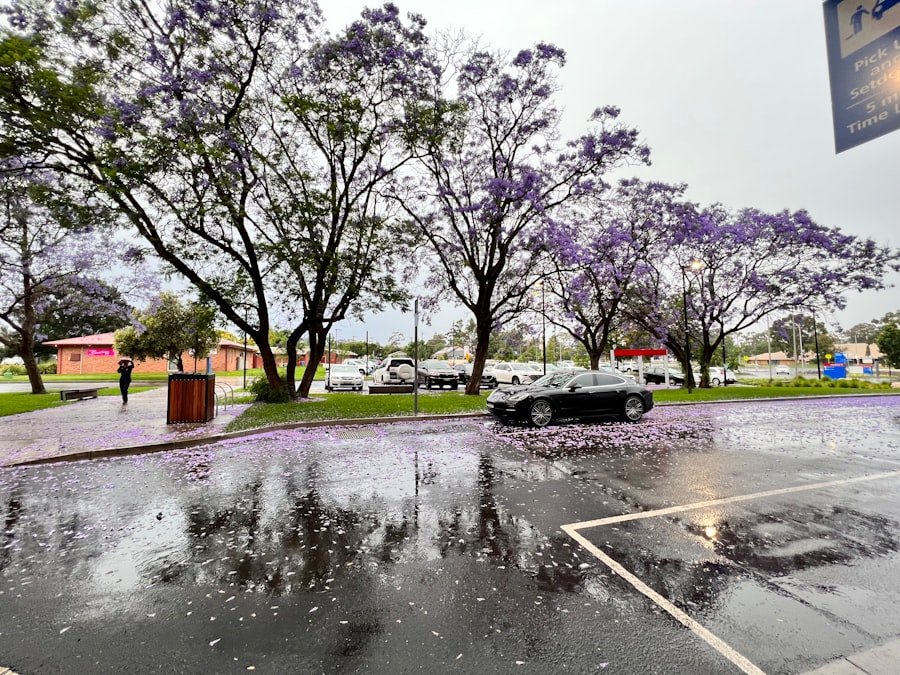
The infrastructure in East Perth plays a crucial role in supporting the needs of its residents and businesses. The suburb is well-equipped with essential services such as schools, healthcare facilities, parks, and recreational areas. The presence of modern amenities ensures that residents have access to quality education and healthcare, contributing to an overall high standard of living.
Moreover, East Perth has seen significant investment in public spaces and community facilities in recent years. The revitalization of parks and recreational areas has created inviting spaces for residents to gather, exercise, and enjoy outdoor activities. However, while the existing infrastructure is commendable, there are opportunities for further enhancement.
As the population continues to grow, it is imperative to assess whether current facilities can accommodate future demands and ensure that they remain accessible and functional for all residents.
Evaluation of Public Transportation Options
| Transportation Option | Cost | Frequency | Accessibility |
|---|---|---|---|
| Bus | Low | High | Good |
| Subway | Medium | High | Good |
| Train | High | Medium | Good |
Public transportation is a vital component of urban living, providing residents with convenient access to employment opportunities, educational institutions, and recreational activities. East Perth benefits from a well-connected public transport network that includes buses and trains, making it easy for residents to navigate the city and beyond.
Despite the strengths of the public transportation system in East Perth, there are areas for improvement. While services are generally reliable, peak hours can lead to overcrowding on certain routes. Additionally, some residents have expressed concerns about the frequency of services during off-peak hours.
Addressing these issues would enhance the overall public transport experience and encourage more residents to utilize these services as their primary mode of transportation.
Examination of Traffic Flow and Congestion
As East Perth continues to develop into a bustling urban center, traffic flow and congestion have become increasingly relevant concerns. The suburb’s proximity to the CBD means that it experiences high volumes of traffic during peak hours, leading to congestion on major thoroughfares. This not only affects commuters but also impacts local businesses and residents who rely on efficient transportation options.
To mitigate traffic congestion, it is essential to explore alternative solutions such as improved traffic management systems and the promotion of carpooling initiatives. Additionally, enhancing cycling infrastructure could encourage more residents to opt for bicycles as a viable mode of transportation, thereby reducing reliance on cars and alleviating congestion on the roads.
Assessment of Pedestrian and Cyclist Accessibility
Accessibility for pedestrians and cyclists is a critical aspect of urban planning that directly impacts the quality of life in East Perth. The suburb features several pedestrian-friendly pathways and cycling lanes that promote active transportation options. However, there are still areas where improvements can be made to ensure that all residents can navigate the suburb safely and comfortably.
While some streets are equipped with dedicated bike lanes, others lack adequate infrastructure for cyclists. Enhancing connectivity between existing cycling routes and key destinations such as parks, schools, and commercial areas would encourage more residents to embrace cycling as a sustainable mode of transport. Furthermore, improving pedestrian crossings and ensuring that sidewalks are well-maintained will create a safer environment for those who choose to walk.
Review of Safety and Security Measures
Safety is paramount in any community, and East Perth is no exception. The suburb has implemented various safety measures aimed at ensuring the well-being of its residents. Local law enforcement agencies work diligently to maintain public safety through regular patrols and community engagement initiatives.
Additionally, the presence of CCTV cameras in key areas serves as a deterrent against crime. However, ongoing efforts are necessary to address safety concerns raised by residents. Engaging with the community to gather feedback on safety issues can help identify specific areas that require attention.
Discussion of Environmental Impact
As urban development continues in East Perth, it is essential to consider the environmental impact of growth initiatives. The suburb is fortunate to be situated near the Swan River and several green spaces that contribute to its natural beauty. However, increased development can lead to challenges such as habitat loss and increased pollution levels.
To mitigate these environmental concerns, it is crucial for local authorities to prioritize sustainable development practices that protect natural resources while accommodating growth. Initiatives such as green building standards, tree planting programs, and waste reduction campaigns can help preserve East Perth’s unique environment while promoting responsible urbanization.
Comparison of East Perth Entry with Other Areas
When comparing East Perth with other suburbs in the region, it becomes evident that it possesses unique advantages that set it apart. Its proximity to the CBD offers unparalleled access to employment opportunities and cultural attractions that many other suburbs cannot match. Additionally, East Perth’s diverse demographic profile fosters a sense of community that enhances its appeal.
However, some neighboring suburbs may offer more extensive amenities or larger green spaces. By analyzing these comparisons, we can identify best practices from other areas that could be adapted to enhance East Perth’s offerings further. Learning from successful initiatives in similar suburbs can provide valuable insights into how East Perth can continue to evolve while maintaining its distinct character.
Recommendations for Improvement
Based on the findings from this report, several recommendations can be made to enhance East Perth’s entry experience for residents and visitors alike. First and foremost, investing in public transportation improvements—such as increased service frequency during off-peak hours—would significantly enhance accessibility for all users. Additionally, prioritizing pedestrian and cyclist infrastructure improvements will create a more inclusive environment that encourages active transportation options.
Expanding bike lanes and ensuring safe pedestrian crossings will promote healthier lifestyles while reducing traffic congestion. Furthermore, engaging with the community through regular forums or surveys will allow local authorities to gather valuable feedback on safety concerns and infrastructure needs. By fostering open communication between residents and decision-makers, we can ensure that future developments align with community aspirations.
Conclusion and Future Outlook for East Perth Entry
In conclusion, East Perth stands at a pivotal moment in its development journey. With its rich demographic diversity, strong infrastructure foundation, and commitment to sustainability, the suburb has immense potential for growth while maintaining its unique character. By addressing current challenges related to public transportation, traffic congestion, accessibility for pedestrians and cyclists, safety measures, and environmental impact, East Perth can continue to thrive as an attractive destination for residents and visitors alike.
Looking ahead, it is essential for local authorities and community stakeholders to collaborate on initiatives that prioritize sustainable development while enhancing quality of life in East Perth. By embracing innovative solutions and fostering community engagement, we can ensure that East Perth remains a vibrant urban center that meets the needs of its diverse population for years to come.
In relation to the East Perth condition entry report, it’s important to consider the broader context of real estate in Western Australia. For those interested in selling property in the region, understanding the local market dynamics can be crucial. A useful resource for this is an article on selling your house provided by Smart Realty. This article offers valuable insights into the selling process, including tips on preparing your home for sale and understanding market trends, which can be particularly beneficial for property owners in East Perth looking to maximize their property’s value.
For further guidance, see Top 5 Reasons to Choose Property Management Kingsley, Transparent Property Management in Perth: No Hidden Fees and Top Apartment Property Management Companies: A Comprehensive Guide. Each one breaks the topic down step by step.