
Dual Occupancy Homes in Harrisdale: The Ultimate Solution for Modern Living: Key Things to Consider
Dual occupancy living refers to a residential arrangement where two separate dwellings are built on a single block of land. This innovative housing solution allows for two families or households to coexist in close proximity while maintaining their independence. Each dwelling typically has its own entrance, amenities, and living spaces, providing a sense of privacy and autonomy.
The concept of dual occupancy is gaining traction in urban areas where land is at a premium, making it an attractive option for homeowners looking to maximize their property’s potential. In essence, dual occupancy living is not just about sharing a piece of land; it’s about creating a harmonious living environment that caters to the needs of multiple families. This arrangement can take various forms, from side-by-side units to stacked apartments, each designed to optimize space and functionality.
As cities expand and the demand for housing increases, dual occupancy homes present a viable solution that addresses both affordability and community living.
Key Takeaways
- Dual occupancy living refers to the arrangement of two separate dwellings on one property, providing independent living spaces for two households.
- The benefits of dual occupancy homes in Harrisdale include increased rental income, maximized land use, and potential for multi-generational living.
- The rise of dual occupancy homes in the modern housing market is driven by the demand for affordable housing options and the need for flexible living arrangements.
- Design and layout considerations for dual occupancy homes include privacy, separate entrances, and functional floor plans to accommodate two households.
- The financial advantages of dual occupancy living include rental income, potential for capital growth, and shared utility costs, making it an attractive investment option.
The Benefits of Dual Occupancy Homes in Harrisdale
Harrisdale, a suburb in Perth, has seen a surge in the popularity of dual occupancy homes due to their numerous benefits. One of the primary advantages is the efficient use of land. With urban sprawl becoming a pressing issue, dual occupancy homes allow for more families to reside in desirable areas without compromising on space or quality of life.
This not only helps alleviate housing shortages but also fosters a sense of community among residents. Another significant benefit is the financial aspect. Dual occupancy homes can provide homeowners with an additional source of income through rental opportunities.
By renting out one of the dwellings, property owners can offset their mortgage costs or generate passive income. This financial flexibility is particularly appealing in today’s economic climate, where many are seeking ways to enhance their financial security while enjoying the comforts of home.
The Rise of Dual Occupancy Homes in the Modern Housing Market

The modern housing market is evolving rapidly, and dual occupancy homes are at the forefront of this transformation. As more people seek affordable housing options in urban areas, the demand for dual occupancy living has skyrocketed. This trend is driven by various factors, including rising property prices, changing family dynamics, and a growing emphasis on sustainable living.
Moreover, dual occupancy homes are increasingly recognized as a smart investment choice. Investors are drawn to the potential for higher rental yields and capital growth associated with these properties. As urban centers become more congested, the appeal of dual occupancy living continues to grow, making it a key player in the future of housing development.
Design and Layout Considerations for Dual Occupancy Homes
| Consideration | Metrics |
|---|---|
| Space Utilization | Percentage of total space used for each unit |
| Privacy | Number of separate entrances and outdoor spaces |
| Flexibility | Number of adaptable spaces for different uses |
| Accessibility | Number of accessible features for each unit |
| Natural Light | Percentage of rooms with natural light access |
When it comes to designing dual occupancy homes, careful consideration must be given to layout and functionality. The goal is to create two distinct living spaces that cater to the needs of different families while ensuring privacy and comfort. Architects and builders often focus on maximizing natural light and ventilation, which can significantly enhance the overall living experience.
Additionally, outdoor spaces play a crucial role in the design of dual occupancy homes. Balconies, gardens, and shared outdoor areas can foster a sense of community while providing residents with their own private retreats. Thoughtful design choices can also include soundproofing measures to minimize noise transfer between units, ensuring that each household can enjoy their space without disturbance.
The Financial Advantages of Dual Occupancy Living
The financial advantages of dual occupancy living extend beyond rental income. Homeowners can benefit from reduced living costs through shared utilities and maintenance expenses. By splitting these costs between two households, residents can enjoy significant savings over time.
Furthermore, dual occupancy properties often appreciate at a faster rate than traditional single-dwelling homes, making them an attractive investment option. For first-time homebuyers or those looking to downsize, dual occupancy homes offer an affordable entry point into the property market. With the ability to live in one unit while renting out the other, buyers can ease their financial burden and build equity more quickly.
This unique financial structure makes dual occupancy living an appealing choice for a wide range of individuals and families.
Dual Occupancy Homes: A Solution for Multi-Generational Living
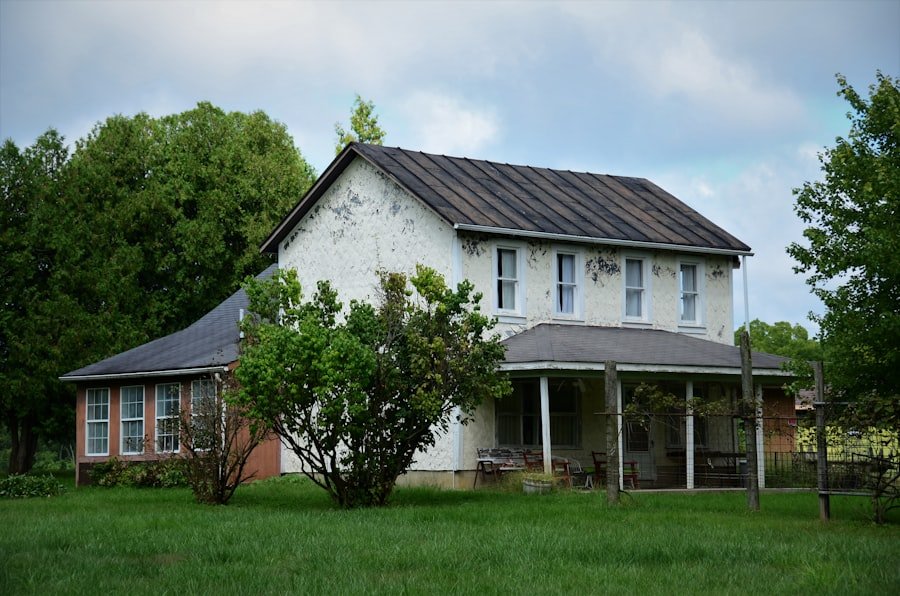
As family structures evolve, multi-generational living has become increasingly common. Dual occupancy homes provide an ideal solution for families looking to live together while maintaining their independence. This arrangement allows grandparents, parents, and children to share resources and support one another while enjoying their own private spaces.
The benefits of multi-generational living extend beyond emotional support; they also include financial advantages. Families can pool resources to cover expenses such as mortgage payments and maintenance costs, making homeownership more attainable for everyone involved. Additionally, having family members nearby can provide invaluable assistance with childcare or elder care, fostering stronger family bonds and enhancing overall quality of life.
The Impact of Dual Occupancy Homes on the Community
The rise of dual occupancy homes has a profound impact on local communities. By increasing housing density in established neighborhoods, these homes contribute to vibrant and diverse communities that reflect a range of lifestyles and backgrounds. This diversity fosters social interaction and collaboration among residents, creating a sense of belonging that enhances community cohesion.
Moreover, dual occupancy developments often lead to improved infrastructure and amenities in the surrounding area. As more families move into a neighborhood, local businesses may thrive due to increased demand for goods and services. This economic boost can lead to better public facilities, parks, and recreational spaces that benefit all residents, further enriching the community experience.
Dual Occupancy Homes: A Sustainable Housing Solution
Sustainability is a growing concern in today’s world, and dual occupancy homes offer an eco-friendly alternative to traditional housing models. By maximizing land use and reducing urban sprawl, these homes contribute to more sustainable development practices. Additionally, they often incorporate energy-efficient designs and materials that minimize environmental impact.
Dual occupancy living also encourages shared resources among residents, such as communal gardens or solar energy systems. This collaborative approach not only reduces individual carbon footprints but also fosters a sense of community responsibility towards environmental stewardship. As more people prioritize sustainability in their housing choices, dual occupancy homes are poised to play a significant role in shaping greener urban landscapes.
The Process of Building a Dual Occupancy Home in Harrisdale
Building a dual occupancy home in Harrisdale involves several key steps that require careful planning and execution. First and foremost, prospective homeowners must familiarize themselves with local zoning regulations and building codes that govern dual occupancy developments. Engaging with experienced architects and builders who understand these requirements is crucial for ensuring compliance and achieving desired outcomes.
Once the design phase is complete, obtaining necessary permits and approvals is essential before construction can begin. This process may involve consultations with local councils and adherence to specific guidelines related to land use and environmental impact. Throughout construction, maintaining open communication with builders and contractors will help ensure that the project stays on track and meets quality standards.
Overcoming Challenges in Dual Occupancy Living
While dual occupancy living offers numerous benefits, it is not without its challenges. One common concern is managing relationships between neighbors who share a property line. Clear communication and established boundaries are essential for fostering positive interactions between households.
Setting expectations regarding shared spaces and responsibilities can help mitigate potential conflicts. Another challenge may arise from differing lifestyles or preferences between residents. To address this issue, it’s important for families considering dual occupancy living to engage in open discussions about their needs and expectations before moving in together.
By establishing mutual respect and understanding from the outset, families can create a harmonious living environment that benefits everyone involved.
Is Dual Occupancy Living Right for You?
Ultimately, whether dual occupancy living is right for you depends on your unique circumstances and lifestyle preferences. For those seeking affordability, flexibility, and community engagement, this housing model presents an attractive option worth considering. It offers an opportunity to maximize property value while enjoying the benefits of close-knit living arrangements.
Before making a decision, it’s essential to weigh the pros and cons carefully. Consider your family dynamics, financial goals, and long-term plans when evaluating whether dual occupancy living aligns with your vision for homeownership. With thoughtful consideration and planning, dual occupancy homes can provide an enriching living experience that meets the needs of modern families while contributing positively to the community at large.
In the growing suburb of Harrisdale, dual occupancy homes are becoming an increasingly popular choice for homeowners looking to maximize their property investment. These homes offer the flexibility of living in one unit while renting out the other, providing a steady income stream. For those interested in exploring similar property opportunities in nearby areas, the article on affordable rental property services in Canning Vale offers valuable insights. Canning Vale, much like Harrisdale, is experiencing a surge in demand for versatile housing solutions, making it a prime location for investors and homeowners alike.
To get the full picture, pair this with Efficient Realty Management: Maximizing Property Potential and Affordable Housing Apartments: A Solution for Low-Income Families.