
Discover Your Southern River Home’s Value Explained
To navigate the complex world of real estate, it is essential to have a firm grasp of the market trends in your area.
For instance, if you notice a consistent increase in property values over the past few years, it may indicate a strong demand for housing in your neighborhood.
Conversely, if prices are stagnating or declining, it may be time to reassess your property’s value and consider adjustments to your selling strategy. Market trends can also be influenced by various external factors such as economic conditions, interest rates, and demographic shifts. For example, an influx of new businesses or infrastructure projects can lead to increased demand for housing, while rising interest rates may deter potential buyers.
By staying informed about these trends, you can position yourself strategically in the market, ensuring that your property is priced competitively and appealing to prospective buyers.
Key Takeaways
- Understanding the Market Trends in Your Area:
- Stay updated on local market trends to make informed decisions.
- Consider factors like supply and demand, interest rates, and economic indicators.
- Assessing the Condition and Features of Your Property:
- Evaluate the condition, age, and unique features of your property.
- Consider any upgrades or renovations that may add value.
- Comparing Similar Properties in Your Neighborhood:
- Look at recent sales and listings of similar properties in your area.
- Consider factors like size, condition, and location.
- Working with a Real Estate Professional:
- Seek guidance from a real estate professional for expert advice.
- Utilize their knowledge of the market and negotiation skills.
- Utilizing Online Valuation Tools:
- Use online tools to get an initial estimate of your property’s value.
- Consider professional appraisal for a more accurate valuation.
Assessing the Condition and Features of Your Property
The condition and features of your property play a pivotal role in determining its market value. A well-maintained home with modern amenities will naturally attract more interest than one that requires significant repairs or updates. Therefore, conducting a thorough assessment of your property is crucial.
This includes evaluating the structural integrity, plumbing, electrical systems, and overall aesthetic appeal. Identifying any areas that need improvement can help you make informed decisions about necessary repairs or upgrades before listing your property. Additionally, the features of your property—such as the number of bedrooms and bathrooms, outdoor space, and energy-efficient appliances—can significantly impact its value.
Buyers often seek homes that meet their specific needs and preferences, so highlighting unique features can set your property apart from others on the market. By presenting your property in its best light and addressing any shortcomings, you can enhance its appeal and potentially increase its selling price.
Comparing Similar Properties in Your Neighborhood
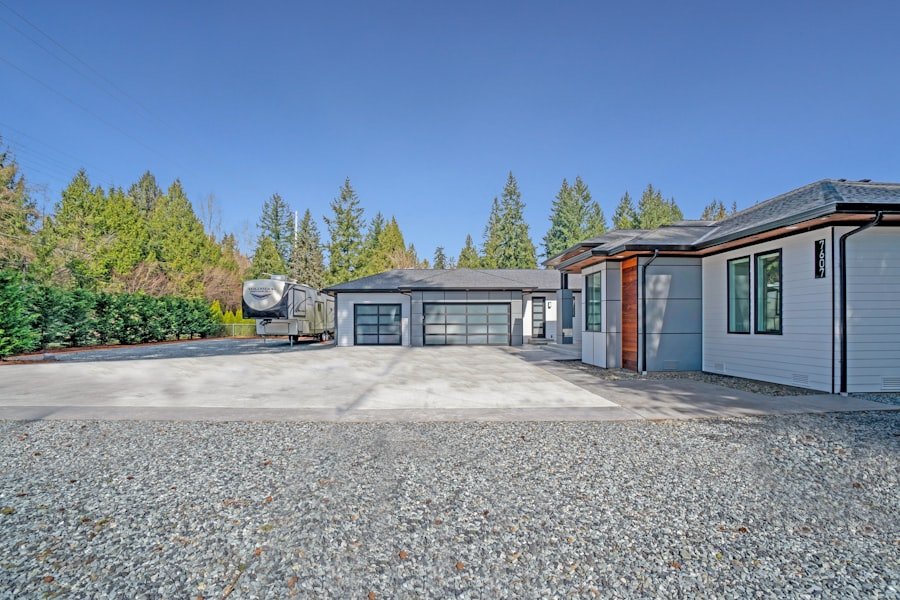
One of the most effective ways to gauge your property’s value is by comparing it to similar properties in your neighborhood.
Factors such as square footage, age, condition, and location should all be taken into account when making these comparisons.
By analyzing the sale prices of comparable properties, you can gain a clearer understanding of where your home stands in the current market. Moreover, it’s essential to consider not only the sale prices but also the time it took for these properties to sell. A property that sold quickly may indicate high demand in the area, while one that lingered on the market for an extended period could suggest a lack of interest or overpricing.
By synthesizing this information, you can make informed decisions about pricing your property competitively and effectively attracting potential buyers.
Working with a Real Estate Professional
| Metrics | Results |
|---|---|
| Number of properties viewed | 25 |
| Time spent searching for properties | 20 hours |
| Number of offers made | 3 |
| Time from search to closing | 3 months |
Navigating the real estate market can be daunting, which is why working with a qualified real estate professional is often a wise choice. An experienced agent brings a wealth of knowledge about local market conditions, pricing strategies, and negotiation tactics that can significantly benefit you as a seller. They can provide valuable insights into how to position your property effectively and attract potential buyers.
Furthermore, a real estate professional can handle the myriad details involved in selling a home, from marketing and showings to paperwork and negotiations. Their expertise allows you to focus on other aspects of your life while ensuring that your property is presented in the best possible light. With their guidance, you can navigate the complexities of the selling process with confidence and ease.
Utilizing Online Valuation Tools
In today’s digital age, online valuation tools have become increasingly popular among homeowners looking to assess their property’s worth. These tools use algorithms and data from recent sales to provide an estimated value for your home based on various factors such as location, size, and features. While these estimates can serve as a helpful starting point, it’s important to remember that they are not always entirely accurate.
Online valuation tools often lack the nuance that comes from a thorough assessment by a real estate professional who understands local market dynamics. Therefore, while these tools can provide a general idea of your property’s value, they should be used in conjunction with other methods—such as comparative market analysis and professional appraisals—to arrive at a more accurate figure.
Considering Recent Sales and Market Demand

Recent sales data is a critical component of understanding your property’s value within the current market context. By examining homes that have sold in your area over the past few months, you can gain insights into prevailing market demand and pricing trends. This information can help you determine whether it’s an opportune time to sell or if waiting for more favorable conditions might yield better results.
Additionally, understanding market demand involves recognizing buyer preferences and behaviors. For instance, if there is a surge in demand for homes with energy-efficient features or open floor plans, you may want to highlight these aspects when marketing your property. By aligning your selling strategy with current market trends and buyer preferences, you can enhance your chances of achieving a successful sale.
Factoring in Upgrades and Renovations
Upgrades and renovations can significantly impact your property’s value and appeal to potential buyers. When assessing your home’s worth, it’s essential to consider any improvements you’ve made over the years—such as kitchen remodels, bathroom upgrades, or landscaping enhancements. These updates not only enhance your home’s aesthetic appeal but can also lead to higher offers from interested buyers.
However, it’s important to approach renovations strategically. Not all upgrades yield a high return on investment (ROI), so it’s wise to focus on projects that are likely to resonate with buyers in your area. For example, modernizing outdated fixtures or enhancing curb appeal through landscaping can often provide substantial returns when it comes time to sell.
By carefully selecting which upgrades to pursue, you can maximize your property’s value while minimizing unnecessary expenses.
Evaluating the Overall Appeal of Your Property
The overall appeal of your property encompasses both its physical attributes and its emotional resonance with potential buyers. Factors such as curb appeal, interior design, and staging play crucial roles in creating a positive first impression. A well-maintained exterior with attractive landscaping can draw buyers in, while an inviting interior that feels warm and welcoming can help them envision themselves living there.
Staging your home effectively can also enhance its appeal by showcasing its best features and allowing buyers to imagine how they would utilize the space. This may involve decluttering rooms, rearranging furniture for optimal flow, or adding decorative touches that create an inviting atmosphere. By investing time and effort into enhancing your property’s overall appeal, you can significantly increase its attractiveness to potential buyers.
Understanding the Impact of Location and Surrounding Amenities
Location is often cited as one of the most critical factors influencing property value. Homes situated in desirable neighborhoods with access to quality schools, parks, shopping centers, and public transportation tend to command higher prices than those in less favorable areas. When assessing your property’s worth, it’s essential to consider not only its immediate surroundings but also the broader community context.
Additionally, proximity to amenities such as restaurants, entertainment venues, and recreational facilities can enhance your property’s appeal to potential buyers. Many buyers prioritize convenience and lifestyle when searching for a new home; therefore, highlighting nearby amenities in your marketing efforts can help attract interest and potentially lead to higher offers.
Exploring Potential Future Development in the Area
Future development plans in your area can have a significant impact on property values over time. If there are proposals for new infrastructure projects—such as roads, public transportation systems, or commercial developments—these changes could enhance accessibility and desirability in your neighborhood. As such developments come to fruition, they may lead to increased demand for housing and subsequently drive up property values.
Staying informed about local development plans allows you to make strategic decisions regarding your property investment. If you anticipate positive changes on the horizon that could enhance your neighborhood’s appeal, it may be worth holding onto your property until those developments materialize. Conversely, if you believe that upcoming changes could negatively impact your area’s desirability, it may be prudent to consider selling sooner rather than later.
Considering the Potential Return on Investment
Ultimately, understanding your property’s value involves considering its potential return on investment (ROI). This concept encompasses not only the current market value but also how various factors—such as upgrades, location changes, and market trends—can influence future appreciation or depreciation. By evaluating these elements holistically, you can make informed decisions about whether to sell now or hold onto your investment for potential future gains.
When assessing ROI, it’s essential to factor in both tangible improvements made to the property as well as intangible elements such as location desirability and market demand. By taking a comprehensive approach to evaluating your property’s worth and potential returns, you can position yourself for success in the ever-evolving real estate landscape. In conclusion, understanding the multifaceted nature of property valuation is crucial for homeowners looking to maximize their investment potential.
By considering market trends, assessing property condition and features, comparing similar properties, working with professionals, utilizing online tools, analyzing recent sales data, factoring in upgrades and renovations, evaluating overall appeal, understanding location impacts, exploring future developments, and considering ROI—all these elements come together to create a comprehensive picture of your property’s value in today’s dynamic real estate market.
If you are looking to find out how much your house is worth in Southern River, you may also be interested in finding a reliable property manager in Gosnells. Smart Realty offers services in both areas, helping homeowners maximize the value of their properties. To learn more about property management in Gosnells, check out this article.
We also recommend reading our take on Top Forrestdale Real Estate Agents: Your Key to Finding Your for additional perspective.