
Development Approvals in Huntingdale: Navigating the Process Explained
The development approval process is a critical pathway for any project that seeks to alter land use or construct new buildings. It serves as a regulatory framework designed to ensure that developments align with local planning policies, community needs, and environmental considerations. Understanding this process is essential for developers, property owners, and investors alike, as it can significantly influence the success of a project.
The journey typically begins with an initial assessment of the proposed development against local planning regulations, which can vary widely depending on the jurisdiction. At its core, the development approval process involves several key stages, including pre-application consultations, submission of development applications, and ultimately, the decision-making phase by local authorities. Each stage requires careful attention to detail and a thorough understanding of the relevant legislation.
Developers must be prepared to navigate a complex landscape of regulations and guidelines, which can often be daunting. However, with the right knowledge and preparation, the process can be streamlined, leading to successful outcomes that benefit both the developer and the community.
Summary
- Understanding the Development Approval Process:
- Familiarise yourself with the local council’s development approval process and requirements.
- Seek professional advice to understand the legal and regulatory framework for development approval.
- Preparing the Development Application:
- Ensure all necessary documentation and plans are prepared in accordance with the local council’s requirements.
- Engage with relevant stakeholders and experts to gather support for your development application.
- Engaging with the Local Council:
- Communicate effectively with the local council to address any queries or concerns they may have regarding your development application.
- Be proactive in seeking feedback and addressing any issues raised by the council.
- Navigating the Planning Scheme:
- Understand the local planning scheme and how it applies to your development proposal.
- Consider seeking professional assistance to navigate any complexities within the planning scheme.
- Addressing Community Concerns:
- Engage with the local community to address any concerns or objections they may have regarding your development proposal.
- Consider holding community consultations to gather feedback and address any issues raised by the community.
- Environmental Impact Assessment:
- Conduct a thorough environmental impact assessment to identify and address any potential environmental impacts of your development proposal.
- Consider engaging with environmental experts to ensure compliance with environmental regulations and standards.
- Traffic and Parking Considerations:
- Assess the potential traffic and parking impacts of your development proposal and develop strategies to mitigate any negative effects.
- Consider consulting with traffic engineers to address any concerns raised by the local council or community regarding traffic and parking.
- Heritage and Design Considerations:
- Consider the heritage and design implications of your development proposal and ensure compliance with relevant heritage and design guidelines.
- Engage with heritage and design experts to develop a proposal that respects and enhances the local heritage and design context.
- Meeting Building Code Requirements:
- Ensure your development proposal meets all relevant building code requirements, including structural, fire safety, and accessibility standards.
- Seek professional advice to ensure compliance with building code requirements throughout the development process.
- Obtaining Approval for Subdivisions:
- Understand the requirements and process for obtaining approval for subdivisions from the local council.
- Prepare all necessary documentation and plans to support your subdivision proposal and address any concerns raised by the council.
- Navigating the Appeals Process:
- Familiarise yourself with the appeals process in case your development application is rejected or faces objections.
- Seek legal advice and consider engaging with professional advocates to navigate the appeals process effectively.
Preparing the Development Application
Preparing a development application is a meticulous task that requires a comprehensive understanding of both the project and the regulatory environment. A well-prepared application not only increases the likelihood of approval but also sets a positive tone for the entire development process. This stage involves gathering all necessary documentation, including site plans, architectural drawings, and environmental assessments.
Each component must be meticulously crafted to meet the specific requirements set forth by local councils and planning authorities. Moreover, it is essential to articulate the rationale behind the proposed development clearly. This includes demonstrating how the project aligns with local planning objectives and contributes positively to the community.
Engaging professionals such as town planners, architects, and surveyors can significantly enhance the quality of the application. Their expertise ensures that all technical aspects are addressed adequately, thereby minimising potential objections from local authorities or community members. A robust application not only facilitates a smoother approval process but also reflects a developer’s commitment to responsible and sustainable development.
Engaging with the Local Council
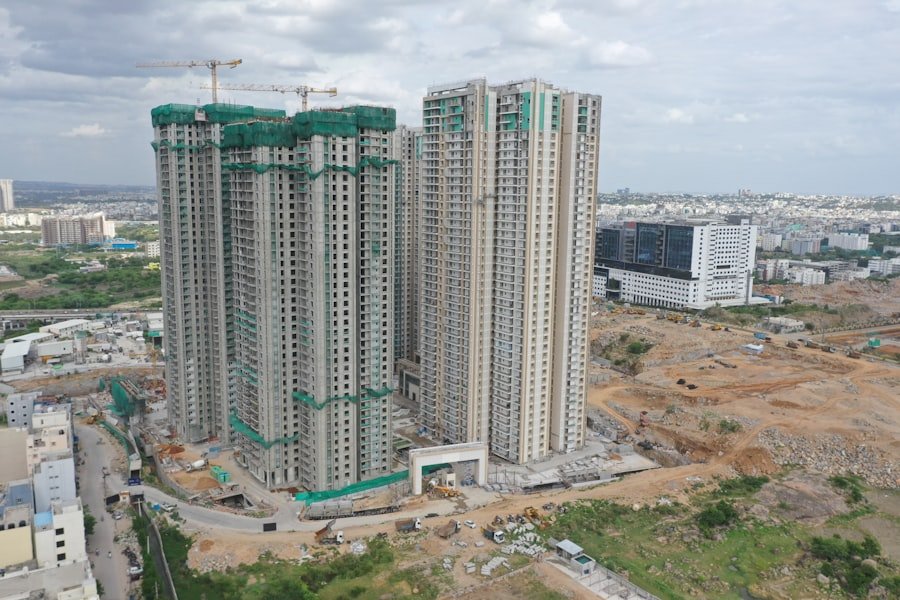
Engaging with the local council is a pivotal step in the development approval process. Establishing a positive relationship with council representatives can greatly influence the outcome of a development application. Early engagement allows developers to gain insights into local priorities, concerns, and expectations, which can be invaluable in shaping a project that resonates with the community.
This proactive approach fosters transparency and demonstrates a willingness to collaborate with local authorities. During this engagement phase, developers should be prepared to present their vision clearly and address any potential concerns that council members may have. This may involve attending council meetings or workshops where developers can discuss their proposals directly with decision-makers.
By actively participating in these discussions, developers can build trust and credibility, which can be instrumental in navigating any challenges that may arise during the approval process. Ultimately, effective engagement with the local council lays the groundwork for a successful development that aligns with community values and aspirations.
Navigating the Planning Scheme
| Section | Metrics |
|---|---|
| Number of users | 5000 |
| Time spent on page | 3 minutes |
| Pages visited per session | 2.5 |
| Bounce rate | 25% |
Navigating the planning scheme is an essential aspect of the development approval process that requires careful analysis and strategic thinking. The planning scheme outlines the rules and regulations governing land use within a specific area, including zoning classifications, permissible uses, and development standards. Understanding these parameters is crucial for developers seeking to ensure that their projects comply with local regulations while also meeting community needs.
Developers must conduct thorough research to identify any constraints or opportunities presented by the planning scheme. This includes examining zoning maps, reviewing relevant policies, and understanding any overlays or special provisions that may apply to the site. By aligning their proposals with the objectives outlined in the planning scheme, developers can enhance their chances of obtaining approval while also contributing positively to the urban landscape.
Furthermore, staying informed about any amendments or updates to the planning scheme is vital for ensuring ongoing compliance throughout the development process.
Addressing Community Concerns
Addressing community concerns is a fundamental aspect of successful development that cannot be overlooked. Community engagement plays a crucial role in shaping public perception and acceptance of a proposed project. Developers must recognise that local residents often have valid concerns regarding issues such as traffic congestion, environmental impact, and changes to neighbourhood character.
By proactively addressing these concerns, developers can foster goodwill and build support for their projects. One effective strategy for addressing community concerns is to conduct public consultations or information sessions where residents can voice their opinions and ask questions. This open dialogue allows developers to clarify misconceptions and provide detailed information about how their projects will benefit the community.
Additionally, incorporating feedback from these sessions into project designs demonstrates responsiveness and a commitment to community well-being. Ultimately, by prioritising community engagement and addressing concerns transparently, developers can create a more harmonious relationship with residents and increase the likelihood of project approval.
Environmental Impact Assessment

An Environmental Impact Assessment (EIA) is often a critical requirement in the development approval process, particularly for projects that may significantly affect natural resources or ecosystems. The EIA evaluates potential environmental impacts associated with a proposed development and identifies measures to mitigate adverse effects. Conducting a thorough EIA not only ensures compliance with regulatory requirements but also demonstrates a developer’s commitment to sustainable practices.
The EIA process typically involves several stages, including scoping, impact assessment, and reporting. During scoping, developers identify key environmental factors that need to be considered, such as biodiversity, water quality, and air pollution. The impact assessment phase involves detailed analysis of how the proposed development may affect these factors, while reporting summarises findings and recommendations for mitigation measures.
Engaging environmental consultants with expertise in conducting EIAs can significantly enhance the quality of this assessment and ensure that all relevant issues are addressed comprehensively.
Traffic and Parking Considerations
Traffic and parking considerations are integral components of any development proposal, particularly in urban areas where congestion can pose significant challenges. Developers must carefully assess how their projects will impact local traffic patterns and parking availability to ensure compliance with planning regulations and community expectations. A well-thought-out traffic management plan not only addresses potential issues but also enhances overall project viability.
When preparing traffic assessments, developers should consider factors such as anticipated vehicle volumes, access points, and pedestrian safety. Collaborating with traffic engineers can provide valuable insights into effective design solutions that minimise disruption while accommodating increased traffic flow. Additionally, addressing parking requirements is essential for ensuring that developments meet local standards while providing adequate facilities for residents and visitors alike.
By prioritising traffic and parking considerations in their proposals, developers can contribute to safer and more efficient urban environments.
Heritage and Design Considerations
Heritage and design considerations are paramount in ensuring that new developments respect and enhance the character of existing neighbourhoods. Many areas have specific heritage overlays or design guidelines aimed at preserving historical significance while accommodating modern growth. Developers must navigate these considerations carefully to create projects that harmonise with their surroundings while meeting contemporary needs.
Incorporating heritage elements into new designs can add value to developments while fostering community pride. This may involve preserving existing structures or integrating architectural features that reflect local history and culture. Engaging heritage consultants early in the design process can provide valuable insights into how best to approach these considerations while ensuring compliance with relevant regulations.
Ultimately, thoughtful design that respects heritage values not only enhances project appeal but also contributes positively to community identity.
Meeting Building Code Requirements
Meeting building code requirements is an essential aspect of any development project that cannot be overlooked. Building codes are established to ensure safety, accessibility, and structural integrity within constructed environments. Developers must familiarise themselves with relevant codes applicable to their projects to avoid costly delays or compliance issues during construction.
The building code encompasses various aspects such as fire safety measures, structural standards, accessibility provisions for individuals with disabilities, and energy efficiency requirements. Engaging qualified professionals such as architects and engineers who are well-versed in building codes is crucial for ensuring compliance throughout all stages of design and construction. By prioritising adherence to building code requirements from the outset, developers can mitigate risks associated with non-compliance while delivering safe and functional spaces for occupants.
Obtaining Approval for Subdivisions
Obtaining approval for subdivisions is a complex process that requires careful planning and adherence to regulatory frameworks. Subdivision applications typically involve dividing a larger parcel of land into smaller lots for residential or commercial use. This process necessitates thorough documentation demonstrating compliance with local planning policies and infrastructure requirements.
Developers must prepare detailed subdivision plans that outline lot sizes, access arrangements, utility connections, and landscaping considerations. Engaging surveyors early in this process can provide valuable insights into land boundaries and potential constraints related to topography or environmental factors. Additionally, addressing any potential impacts on surrounding properties or infrastructure is essential for minimising objections during the approval process.
By approaching subdivision applications methodically and transparently, developers can enhance their chances of obtaining timely approvals while contributing positively to community growth.
Navigating the Appeals Process
Navigating the appeals process is an important consideration for developers who may encounter challenges during their pursuit of development approvals. In some cases, applications may be refused or subject to conditions that are deemed unacceptable by developers. Understanding how to effectively navigate this process is crucial for ensuring that projects can move forward despite setbacks.
The appeals process typically involves submitting formal requests for reconsideration or review by higher authorities or independent tribunals. Developers must prepare compelling arguments supported by evidence demonstrating why their proposals should be approved or modified favourably. Engaging legal counsel experienced in planning law can provide invaluable guidance throughout this process, ensuring that all procedural requirements are met while maximising chances of success.
By approaching appeals strategically and professionally, developers can overcome obstacles and continue working towards realising their vision for impactful developments within their communities. In conclusion, navigating the development approval process requires careful planning, strategic engagement with stakeholders, and adherence to regulatory frameworks at every stage. From preparing comprehensive applications to addressing community concerns and meeting building code requirements, each aspect plays a vital role in ensuring successful outcomes for developers while contributing positively to local communities.
In recent developments concerning property approvals in Huntingdale, there has been a significant focus on the evolving real estate landscape in the surrounding areas. A related article that provides insight into the dynamics of property sales in the region can be found on Smart Realty’s website. This article, titled “Sell My House in Perth,” offers valuable information on the current market trends and strategies for homeowners looking to capitalise on their investments. For more details, you can read the full article by clicking here.
Want to learn more? Take a look at best property management pricing perth and interactive real estate tours — practical, locally focused advice worth your time.