
How Designing Your Dream Home: Lockridge Living Affects You
When embarking on the journey of building your dream home, the first step is to gain a deep understanding of your lifestyle and needs. This foundational phase is crucial, as it sets the tone for every decision that follows. Consider your daily routines, family dynamics, and future aspirations.
Are you a growing family that requires ample space for children to play and grow? Or perhaps you are a couple looking to downsize, seeking a cozy yet functional environment that reflects your tastes? By taking the time to assess your lifestyle, you can create a home that not only meets your current needs but also adapts to your future.
Moreover, understanding your needs goes beyond mere square footage or the number of bedrooms.
It involves envisioning how you want to live in your space. Do you entertain frequently and require an open-concept layout?
Is a home office essential for your work-from-home lifestyle? By articulating these desires, you can ensure that your new home is not just a structure but a sanctuary that enhances your quality of life. Engaging in discussions with family members and considering their perspectives will further refine your vision, leading to a more harmonious living environment.
Key Takeaways
- Understand your lifestyle and needs before starting the home building process
- Set a realistic budget to avoid overspending and financial stress
- Find the right location that suits your lifestyle and future plans
- Choose the right architect and builder with experience and a good track record
- Incorporate sustainable and energy-efficient features to reduce environmental impact and save on utility costs
Setting a Realistic Budget
Once you have a clear understanding of your lifestyle and needs, the next step is to set a realistic budget. This is often one of the most challenging aspects of the home-building process, as it requires balancing dreams with financial realities. Begin by evaluating your financial situation, including savings, income, and any potential loans or mortgages.
It’s essential to have a comprehensive view of what you can afford without stretching yourself too thin. A well-defined budget will serve as a guiding framework throughout the project, helping you make informed decisions about materials, design features, and overall scope. In addition to establishing a budget for construction costs, it’s wise to account for additional expenses that may arise during the building process.
These can include permits, inspections, landscaping, and interior furnishings. By anticipating these costs upfront, you can avoid unpleasant surprises down the line. Furthermore, consider setting aside a contingency fund—typically around 10-15% of your total budget—to cover unexpected expenses that may arise during construction.
This proactive approach will provide peace of mind and allow you to navigate the building process with confidence.
Finding the Right Location
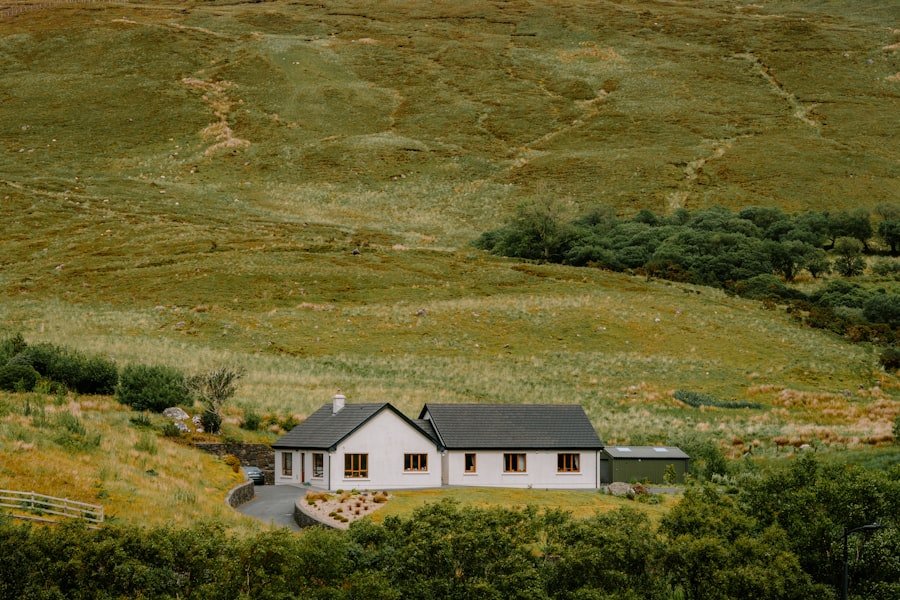
The location of your new home is one of the most significant factors influencing its value and your overall satisfaction. When searching for the perfect spot, consider not only the aesthetic appeal of the area but also its proximity to essential amenities such as schools, shopping centers, parks, and public transportation. A well-chosen location can enhance your quality of life and provide convenience for daily activities.
Additionally, think about the long-term potential of the area; neighborhoods undergoing development or revitalization may offer excellent investment opportunities. Beyond practical considerations, take the time to explore the community itself. Visit potential neighborhoods at different times of day to gauge traffic patterns, noise levels, and overall ambiance.
Engage with local residents to gain insights into the community’s culture and values. Ultimately, finding the right location is about more than just geography; it’s about discovering a place where you feel connected and inspired—a place that truly feels like home.
Choosing the Right Architect and Builder
| Factors to Consider | Architect | Builder |
|---|---|---|
| Experience | 10 years | 15 years |
| Portfolio | 20 projects | 30 projects |
| Communication | Good | Excellent |
| Cost | ||
| Timeline | 12 months | 10 months |
Selecting the right architect and builder is paramount to bringing your vision to life. These professionals will play a crucial role in translating your ideas into tangible designs while ensuring that construction runs smoothly. Start by researching local architects and builders with a strong reputation for quality work and customer satisfaction.
Look for portfolios that resonate with your style preferences and check references from previous clients to gauge their experiences. Once you have narrowed down your options, schedule consultations to discuss your project in detail. This is an opportunity to assess their communication skills, creativity, and willingness to collaborate.
A successful partnership hinges on mutual understanding and respect; therefore, choose professionals who listen attentively to your ideas while offering valuable insights based on their expertise. By fostering a collaborative relationship with your architect and builder, you can ensure that every aspect of your home reflects your vision while adhering to industry standards.
Incorporating Sustainable and Energy-Efficient Features
In today’s world, sustainability is more than just a trend; it’s a responsibility we owe to future generations. As you design your new home, consider incorporating sustainable and energy-efficient features that minimize environmental impact while maximizing comfort and savings. Start by exploring options such as solar panels, energy-efficient appliances, and high-quality insulation that reduces energy consumption.
These features not only contribute to a healthier planet but can also lead to significant cost savings on utility bills over time. Additionally, consider using sustainable materials in your construction process. Opt for locally sourced products whenever possible to reduce transportation emissions and support local economies.
Reclaimed wood, recycled materials, and low-VOC paints are excellent choices that promote sustainability without compromising aesthetics. By prioritizing eco-friendly practices in your home design, you can create a space that aligns with your values while contributing positively to the environment.
Selecting the Perfect Floor Plan
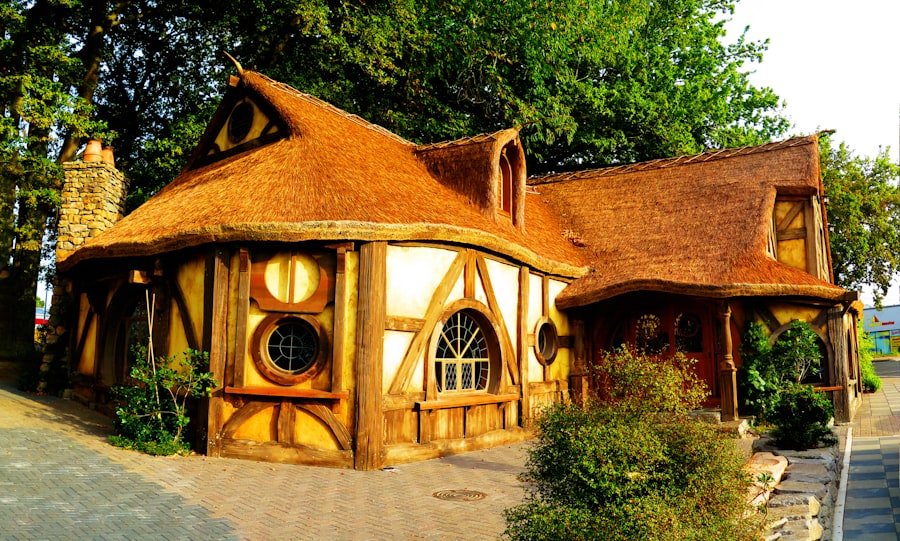
The floor plan is the blueprint of your home; it dictates how spaces flow together and how you will interact with them daily. When selecting a floor plan, consider both functionality and aesthetics. Think about how you envision using each space—will you need separate areas for work and relaxation?
Do you prefer an open-concept layout that encourages social interaction? By carefully evaluating these factors, you can choose a floor plan that enhances your lifestyle. Moreover, don’t hesitate to customize existing floor plans to better suit your needs.
Many architects offer flexible designs that can be tailored to accommodate specific requirements or preferences. Whether it’s adding an extra bedroom or creating a dedicated home office space, customization allows you to create a home that truly reflects who you are. Remember that this is not just about aesthetics; it’s about creating an environment where you feel comfortable and inspired.
Personalizing Your Home with Custom Features
Personalization is what transforms a house into a home—a place that reflects your unique personality and style. As you embark on this journey, consider incorporating custom features that resonate with your tastes and preferences. This could range from bespoke cabinetry in the kitchen to handcrafted tiles in the bathroom or even unique architectural details that set your home apart from others in the neighborhood.
Engaging with skilled artisans or craftsmen can elevate these custom features even further. Collaborating with local artists or tradespeople allows you to infuse your home with character while supporting the community. Whether it’s commissioning a piece of artwork for your living room or designing custom furniture that fits perfectly within your space, these personal touches will create an environment that feels distinctly yours.
Maximizing Natural Light and Views
Natural light has an incredible ability to transform spaces—making them feel larger, more inviting, and connected to the outdoors. When designing your home, prioritize maximizing natural light through strategic window placement and thoughtful architectural choices. Consider incorporating large windows or sliding glass doors that open up to outdoor spaces, allowing sunlight to flood in while providing stunning views of your surroundings.
Additionally, think about how different times of day will affect light within your home. South-facing windows typically receive abundant sunlight throughout the day, while north-facing windows may provide softer light ideal for certain rooms like bedrooms or studies. By carefully considering these factors during the design phase, you can create a bright and airy atmosphere that enhances both comfort and well-being.
Creating Functional and Stylish Outdoor Spaces
Outdoor spaces are an extension of your home—offering opportunities for relaxation, entertainment, and connection with nature. As you design these areas, think about how they will complement your lifestyle. Do you envision hosting summer barbecues on a spacious deck?
Or perhaps creating a tranquil garden retreat where you can unwind after a long day? Whatever your vision may be, ensure that outdoor spaces are functional yet stylish. Incorporating elements such as outdoor kitchens, fire pits, or comfortable seating areas can enhance usability while adding aesthetic appeal.
Additionally, consider landscaping options that harmonize with the natural environment—native plants require less maintenance while providing habitat for local wildlife. By thoughtfully designing outdoor spaces that reflect both functionality and beauty, you can create an inviting atmosphere that encourages outdoor living year-round.
Incorporating Smart Home Technology
In our increasingly connected world, smart home technology has become an integral part of modern living. As you design your new home, consider incorporating smart features that enhance convenience, security, and energy efficiency. From smart thermostats that optimize heating and cooling based on occupancy patterns to security systems that allow remote monitoring via smartphone apps—these technologies offer peace of mind while simplifying daily tasks.
Moreover, think about how smart technology can improve overall comfort within your home. Automated lighting systems can create ambiance tailored to different activities or moods while smart appliances streamline cooking processes in the kitchen. By integrating these innovative solutions into your design plan, you can create a home that not only meets contemporary demands but also enhances everyday living experiences.
Ensuring Quality and Longevity in Design and Materials
Finally, as you embark on this exciting journey of building your dream home, prioritize quality and longevity in both design choices and materials used throughout construction.
Investing in high-quality materials may require a higher upfront cost but will pay off in terms of durability and reduced maintenance over time.
Consider options such as solid hardwood flooring or stone countertops—these materials not only exude elegance but also stand up against wear and tear.
Additionally, work closely with your architect and builder to ensure that design choices align with industry best practices for longevity. This includes considering factors such as climate resilience—selecting materials suited for local weather conditions—and adhering to building codes that promote safety and structural integrity. By prioritizing quality in every aspect of construction—from foundational elements to finishing touches—you can create a home that stands the test of time while providing comfort for years to come.
In conclusion, building your dream home is an exciting yet complex journey that requires careful consideration at every stage—from understanding lifestyle needs to ensuring quality in design choices. By following these guidelines and engaging with skilled professionals along the way, you can create a space that not only meets practical requirements but also reflects personal style—a true sanctuary where cherished memories will unfold for years ahead.
If you’re interested in exploring more about the real estate market and finding your dream home, you might want to check out a related article on a property located in Gosnells, WA. This article provides insights into the features and benefits of living in this area, which could be a great addition to your search for the perfect home. For more details, you can read the full article by visiting this link.
For further guidance, see Discover Queens Park WA Real Estate: Your Ultimate Search Guide, Beckenham Suburb Profile: Real Estate Market Overview and Charming Wattle Grove Family Homes: A Perfect Place to Settle Down. Each one breaks the topic down step by step.