
Controversial Trump and Epstein Statues Spark Debate: Key Things to Consider
In a bold and provocative move, the unveiling of statues depicting former President Donald Trump and the disgraced financier Jeffrey Epstein has ignited a firestorm of controversy across the nation. These statues, which have been installed in prominent public spaces, serve as a stark reminder of the complex and often tumultuous relationship between art, politics, and societal values. The decision to erect such contentious figures has not only sparked debates about artistic expression but has also raised questions about the implications of glorifying individuals whose legacies are marred by scandal and controversy.
As the public grapples with the meaning and significance of these installations, the conversation surrounding them continues to evolve, revealing deep-seated divisions within society. The statues, crafted with meticulous attention to detail, are designed to provoke thought and discussion rather than simply celebrate their subjects. However, the choice to immortalize figures like Trump and Epstein—who have both faced significant public scrutiny—has led many to question the motivations behind their creation.
Are these artworks a form of social commentary, or do they represent a troubling trend in which controversial figures are celebrated rather than critiqued? As we delve deeper into the reactions and implications of these statues, it becomes clear that their presence is more than just an artistic statement; it is a reflection of the current state of our society.
Key Takeaways
- The unveiling of controversial Trump and Epstein statues sparks public outcry and criticism.
- The artist’s intent behind the statues is explored, shedding light on the motivation behind the controversial artworks.
- The impact of the statues on current events is analyzed, revealing their political symbolism.
- Polls and surveys on public opinion about the statues provide insight into the public’s perception of the controversial artworks.
- Comparisons to other controversial monuments offer historical context for the Trump and Epstein statues.
The Backlash: Public Outcry and Criticism
The unveiling of the Trump and Epstein statues has been met with widespread backlash from various segments of the population. Critics argue that these installations glorify individuals whose actions have had profoundly negative impacts on society. For many, the statues serve as painful reminders of the divisive political climate and the moral failings associated with both figures.
Public outcry has manifested in protests, social media campaigns, and calls for their immediate removal, with opponents asserting that such representations are not only inappropriate but also harmful to community values. Moreover, the backlash has been fueled by a growing sentiment that art should not be used as a vehicle for promoting controversial figures without critical examination. Many believe that the statues undermine efforts to hold individuals accountable for their actions, particularly in light of Epstein’s criminal history and Trump’s polarizing presidency.
The public’s response highlights a broader concern about the role of art in shaping societal narratives and the responsibility that artists bear in their choices of subject matter. As discussions surrounding the statues continue to unfold, it is evident that they have struck a nerve within the community, prompting a reevaluation of what is deemed acceptable in public art.
The Artist’s Intent: Exploring the Motivation Behind the Statues

To fully understand the controversy surrounding the Trump and Epstein statues, it is essential to explore the artist’s intent behind their creation. The artist has publicly stated that these works are meant to challenge viewers and provoke critical thought about power dynamics, privilege, and accountability in contemporary society. By placing these figures in a public space, the artist aims to spark dialogue about the implications of idolizing individuals who have been embroiled in scandal and controversy.
However, this intent has not been universally accepted. While some appreciate the artist’s willingness to confront uncomfortable truths, others argue that the execution falls short of its intended message. Critics contend that rather than fostering meaningful discourse, the statues may inadvertently normalize or trivialize the actions of their subjects.
This dichotomy raises important questions about the responsibilities of artists in addressing complex social issues through their work. As we examine the motivations behind these statues, it becomes clear that art can serve as both a mirror reflecting societal values and a catalyst for change—if wielded thoughtfully.
Political Symbolism: Analyzing the Impact of the Statues on Current Events
| Statue | Location | Impact |
|---|---|---|
| Robert E. Lee | Charlottesville, Virginia | Controversy and protests |
| Christopher Columbus | Various cities in the US | Debate over historical significance |
| Confederate Soldiers | Multiple locations in the South | Discussions on racism and heritage |
The political symbolism inherent in the Trump and Epstein statues cannot be overlooked. In an era marked by heightened political polarization and social unrest, these installations serve as potent symbols of the ongoing struggles for justice, accountability, and representation. By placing such controversial figures at the forefront of public discourse, the statues invite viewers to confront uncomfortable truths about power structures and societal norms.
Furthermore, the timing of their unveiling coincides with significant political events, amplifying their impact on current events. As debates surrounding issues such as corruption, inequality, and systemic injustice continue to dominate headlines, these statues become emblematic of broader societal tensions. They challenge viewers to reflect on their own beliefs and values while grappling with the implications of celebrating figures whose legacies are fraught with controversy.
In this way, the statues transcend mere artistic expression; they become powerful tools for political commentary and social critique.
Public Opinion: Polls and Surveys on the Controversial Statues
Public opinion regarding the Trump and Epstein statues is deeply divided, as evidenced by various polls and surveys conducted since their unveiling. While some segments of the population view these installations as bold statements that challenge societal norms, others see them as offensive and inappropriate representations of individuals whose actions have caused harm. The stark contrast in opinions underscores the complexities surrounding art in public spaces and its ability to evoke strong emotional responses.
Surveys reveal that younger demographics tend to be more supportive of provocative art that challenges traditional narratives, while older generations often express concern over glorifying controversial figures. This generational divide highlights differing perspectives on freedom of expression and artistic responsibility. As public opinion continues to evolve in response to these statues, it becomes clear that they have sparked a broader conversation about what constitutes acceptable art in contemporary society.
Historical Context: Comparing the Trump and Epstein Statues to Other Controversial Monuments
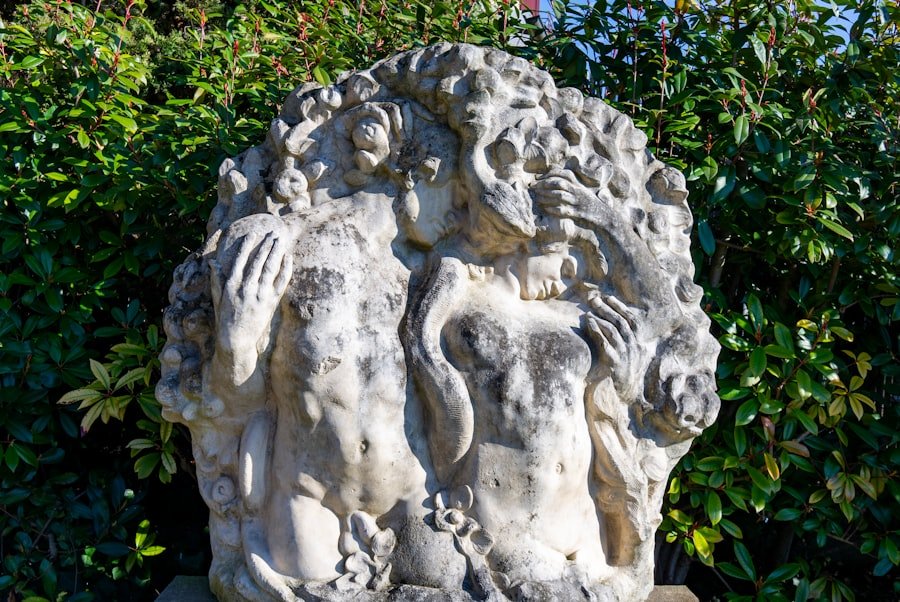
To fully appreciate the significance of the Trump and Epstein statues, it is essential to place them within a historical context that includes other controversial monuments throughout history. From Confederate statues to monuments honoring colonial figures, society has grappled with how to memorialize individuals whose legacies are marred by controversy. The installation of these new statues raises important questions about how we choose to remember our past and what values we prioritize in our public spaces.
Comparing these statues to other contentious monuments reveals patterns in societal responses to controversial figures. In many cases, public outcry has led to calls for removal or recontextualization of monuments that no longer align with contemporary values. The Trump and Epstein statues may represent a new chapter in this ongoing dialogue about accountability and representation in public art.
As communities navigate these complex issues, it is crucial to consider how our collective memory shapes our understanding of history and informs our present-day values.
Legal Issues: Challenges and Lawsuits Surrounding the Installation of the Statues
The installation of the Trump and Epstein statues has not only sparked public debate but has also raised legal challenges regarding their placement in public spaces. Local governments have faced pressure from constituents demanding their removal, leading to potential lawsuits over issues such as freedom of expression versus community standards. These legal battles highlight the complexities surrounding public art installations and the often contentious relationship between artists, municipalities, and community members.
Additionally, questions surrounding permits and zoning regulations have emerged as key legal issues in this controversy. Critics argue that proper procedures were not followed during the installation process, raising concerns about transparency and accountability within local government decision-making. As legal challenges unfold, they serve as a reminder of the intricate interplay between art, law, and community values—a dynamic that will undoubtedly shape future discussions surrounding controversial public artworks.
The Role of Art in Society: Debating the Boundaries of Freedom of Expression
The controversy surrounding the Trump and Epstein statues raises fundamental questions about the role of art in society and the boundaries of freedom of expression. Advocates for artistic freedom argue that artists should be free to explore any subject matter without fear of censorship or backlash. They contend that provocative art can serve as a catalyst for important conversations about societal issues and injustices.
Conversely, opponents argue that there must be limits to artistic expression when it comes to glorifying individuals whose actions have caused harm or perpetuated systemic injustices. This debate underscores a broader societal struggle over how we define acceptable art in public spaces and who gets to decide what narratives are worth celebrating or critiquing. As discussions surrounding these statues continue to evolve, they challenge us to reconsider our own beliefs about art’s role in shaping cultural narratives and influencing social change.
Reactions from Political Leaders: Statements and Responses to the Statues from Government Officials
Political leaders across the spectrum have weighed in on the controversy surrounding the Trump and Epstein statues, offering a range of perspectives that reflect broader societal divisions. Some officials have condemned the installations as inappropriate representations that undermine community values, while others have defended them as legitimate expressions of artistic freedom. These varied responses highlight how deeply intertwined art is with politics and how public figures navigate complex issues related to representation and accountability.
Moreover, statements from political leaders often reflect their own positions on broader societal issues such as corruption, justice reform, and accountability. As they respond to this controversy, they reveal not only their personal beliefs but also their understanding of how art can influence public discourse. The reactions from government officials serve as a microcosm of larger societal debates about power dynamics and representation—issues that continue to shape our political landscape.
Social Media and the Statues: The Influence of Online Platforms on the Controversy
In today’s digital age, social media plays a pivotal role in shaping public discourse around controversial topics such as the Trump and Epstein statues. Platforms like Twitter, Facebook, and Instagram have become battlegrounds for competing narratives as supporters and opponents engage in heated discussions about these installations. The rapid dissemination of information—and misinformation—has amplified reactions from both sides, creating an environment where opinions can shift quickly based on viral content.
Furthermore, social media has provided a platform for marginalized voices to share their perspectives on these statues, contributing to a more nuanced understanding of public sentiment. Hashtags related to the controversy have emerged as rallying cries for those advocating for removal or preservation, illustrating how online activism can influence real-world outcomes. As we navigate this complex landscape shaped by social media dynamics, it becomes clear that these platforms are not just tools for communication; they are powerful agents of change that can shape public opinion and drive social movements.
The Future of the Statues: Predictions and Speculations on the Fate of the Controversial Artworks
As discussions surrounding the Trump and Epstein statues continue to unfold, speculation abounds regarding their future in public spaces. Will they remain as permanent fixtures or be removed amid ongoing backlash? The fate of these controversial artworks will likely depend on a combination of public sentiment, legal challenges, and political responses—factors that are constantly evolving in today’s fast-paced environment.
Some predict that continued protests and legal challenges may ultimately lead to their removal or recontextualization within a broader narrative about accountability and representation in public art. Others argue that these statues could serve as enduring symbols of societal tensions—reminders of our collective struggles with power dynamics and moral accountability. Regardless of their ultimate fate, it is clear that these installations have sparked important conversations about art’s role in society and its capacity to challenge prevailing narratives.
In conclusion, while the Trump and Epstein statues may be polarizing symbols today, they represent much more than mere artistic expression; they embody ongoing debates about power dynamics, accountability, freedom of expression, and societal values. As we navigate this complex landscape shaped by art’s intersection with politics and culture, it is essential to engage thoughtfully with these issues—recognizing both their historical significance and their potential for shaping our collective future.
In recent discussions surrounding controversial figures, the topic of Trump and Epstein statues has sparked significant debate. These statues have become a focal point for conversations about historical representation and accountability. For those interested in exploring how property management can play a role in preserving or transforming spaces associated with such figures, the article on Discovering Excellence in Property Management provides valuable insights. It delves into the importance of effective property management in maintaining the integrity and purpose of various properties, which can be crucial when dealing with sites of historical or cultural significance.
This connects to what we covered in Jeff Smart Realty: Your Key to Real Estate Success — worth a read if you are exploring your options.