
Why Captivating Realty: Smart, Sold Photos Matters
In the competitive world of real estate, visuals are not just an accessory; they are a necessity. The power of imagery in this industry cannot be overstated. When potential buyers or renters browse listings, the first thing that captures their attention is the visual representation of the property.
High-quality images can evoke emotions, create a sense of space, and ultimately influence decision-making. In an era where online listings dominate the market, having striking visuals can set a property apart from the rest, making it more appealing and memorable. Moreover, visuals serve as a storytelling medium.
They allow prospective buyers to envision themselves in a space, creating a personal connection that text alone cannot achieve. A well-captured image can highlight the unique features of a property, from its architectural details to its surrounding environment. This emotional engagement is crucial in real estate, where buyers are often making significant financial commitments.
Therefore, investing in high-quality visuals is not merely an option; it is an essential strategy for success in the real estate market.
Key Takeaways
- High-quality visuals significantly boost real estate marketing and sales.
- Proper lighting and composition are essential for capturing attractive property photos.
- Staging and props can enhance the appeal and storytelling of real estate images.
- Professional photography and editing elevate the overall presentation of listings.
- Advanced techniques like drones and virtual tours provide immersive property experiences.
Tips for Capturing Stunning Real Estate Photos
Capturing stunning real estate photos requires a blend of technical skill and artistic vision. First and foremost, understanding your camera settings is vital. Whether you are using a professional DSLR or a smartphone, knowing how to adjust exposure, aperture, and ISO can significantly impact the quality of your images.
A well-exposed photo can bring out the vibrancy of colors and details, while improper settings can lead to dull or washed-out images. Experimenting with different settings in various lighting conditions will help you find the perfect balance for each property. In addition to technical proficiency, composition plays a crucial role in real estate photography.
The rule of thirds is a fundamental guideline that can enhance the visual appeal of your images. By positioning key elements along the grid lines or at their intersections, you create a more dynamic and engaging composition. Additionally, incorporating leading lines can draw the viewer’s eye into the frame, guiding them through the space.
Remember to declutter the scene before shooting; a clean and organized space allows potential buyers to focus on the property’s features rather than distractions.
Lighting Techniques for Showcasing Properties
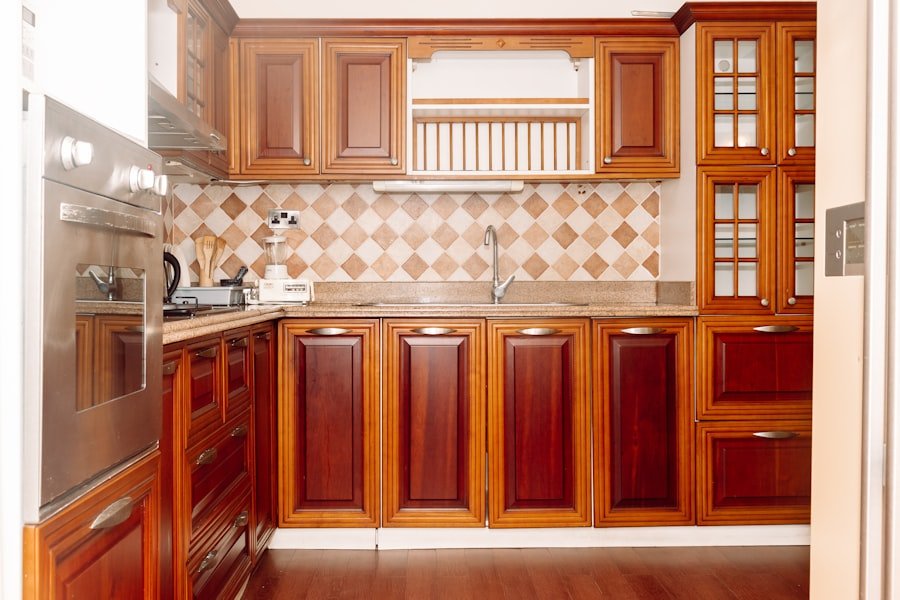
Lighting is one of the most critical aspects of real estate photography. Natural light can create a warm and inviting atmosphere, making spaces feel more welcoming. To take advantage of natural light, schedule your shoots during the golden hours—early morning or late afternoon—when the sunlight is soft and diffused.
Open curtains and blinds to let in as much light as possible, and consider using reflectors to bounce light into darker corners of a room. However, relying solely on natural light may not always be feasible, especially in dimly lit spaces. In such cases, artificial lighting can be your best friend.
Using softbox lights or LED panels can help illuminate areas that lack sufficient light without creating harsh shadows. Additionally, consider using multiple light sources to create depth and dimension in your images. Balancing natural and artificial light will ensure that your photos are bright and inviting while accurately representing the property’s ambiance.
Composition and Angles for Maximum Impact
The composition and angles you choose can dramatically affect how a property is perceived in photographs. Wide-angle lenses are often used in real estate photography to capture more of a room in a single frame, making spaces appear larger and more open. However, it’s essential to use these lenses judiciously; over-exaggeration can lead to distorted images that misrepresent the property.
Experimenting with different angles can also yield impressive results.
Shooting from a lower angle can make ceilings appear higher and create a sense of grandeur, while shooting from above can provide an overview of the layout. Don’t hesitate to move around the space and try various perspectives; sometimes, the best shot comes from an unexpected angle.
Remember that each room has its unique characteristics, so tailor your approach to highlight what makes each space special.
Using Props and Staging to Enhance Photos
| Metric | Value | Description |
|---|---|---|
| Average Listing Views | 1,250 | Number of views per listing with smart sold realty photos |
| Average Days on Market | 18 | Average number of days a property stays listed before sale |
| Increase in Sale Price | 7% | Percentage increase in final sale price compared to listings without smart photos |
| Photo Quality Rating | 4.8 / 5 | Average user rating of photo quality and appeal |
| Number of Photos per Listing | 15 | Average number of photos included in each smart sold realty listing |
| Engagement Rate | 35% | Percentage of viewers who interact with the listing (clicks, inquiries) |
Staging is an invaluable tool in real estate photography that can transform a property from ordinary to extraordinary. By strategically placing furniture and decor items, you can create an inviting atmosphere that resonates with potential buyers. Consider using neutral colors and minimalistic designs to appeal to a broader audience while allowing viewers to envision their own style within the space.
Props can also play a significant role in enhancing your photos. Simple additions like fresh flowers, stylish throw pillows, or tasteful artwork can add warmth and personality to a room without overwhelming it. Additionally, consider incorporating lifestyle elements that reflect how the space can be used—such as setting a dining table for entertaining or creating a cozy reading nook in a sunlit corner.
These thoughtful touches not only enhance visual appeal but also help potential buyers imagine themselves living in the home.
Editing and Enhancing Real Estate Images
Editing is an essential step in real estate photography that allows you to refine your images and ensure they accurately represent the property while enhancing their visual appeal. Basic adjustments such as cropping, straightening lines, and correcting exposure can significantly improve the overall quality of your photos. Additionally, color correction can help ensure that the hues in your images are true to life, making spaces look more inviting.
Advanced editing techniques can also be employed to take your images to the next level. For instance, HDR (High Dynamic Range) imaging combines multiple exposures to capture details in both shadows and highlights, resulting in a more balanced image. However, it’s crucial to maintain authenticity; overly edited photos can mislead potential buyers and lead to disappointment during viewings.
Strive for a polished yet realistic representation of the property that showcases its best features without straying too far from reality.
The Role of Professional Photography in Real Estate
While anyone with a camera can take photos, professional real estate photography brings expertise and artistry that significantly enhances property marketing efforts. Professional photographers understand how to capture spaces in ways that highlight their best features while creating an emotional connection with potential buyers. Their experience allows them to navigate challenges such as lighting conditions and composition with ease.
Moreover, professional photographers often have access to high-quality equipment that can make a substantial difference in image quality. From advanced cameras to specialized lenses and lighting equipment, these tools enable them to produce stunning visuals that stand out in listings. Investing in professional photography is not just about aesthetics; it’s about maximizing your property’s marketability and ensuring it attracts serious buyers.
Creating Virtual Tours and 360-Degree Photos
In today’s digital age, virtual tours and 360-degree photos have become increasingly popular tools for showcasing properties. These immersive experiences allow potential buyers to explore spaces at their own pace, providing a comprehensive view of the property without needing to visit in person. Virtual tours can be particularly beneficial for out-of-town buyers or those with busy schedules who may not have time for traditional viewings.
Creating virtual tours involves stitching together high-quality images or videos into an interactive format that allows users to navigate through rooms seamlessly. This technology not only enhances engagement but also provides an opportunity for sellers to highlight unique features that may not be easily captured in standard photographs. As more buyers turn to online resources during their home search, offering virtual tours can give your listing a competitive edge.
The Importance of High-Quality Images in Real Estate Marketing
High-quality images are paramount in real estate marketing as they serve as the first impression potential buyers will have of a property. In an industry where competition is fierce, having visually appealing images can make all the difference between attracting interest or being overlooked entirely. Listings with professional photographs tend to receive more views and inquiries than those with subpar images.
Furthermore, high-quality visuals contribute to building trust with potential buyers. When they see well-composed and edited images that accurately represent a property, they are more likely to feel confident about scheduling viewings or making offers. Conversely, poor-quality images can raise red flags about the property’s condition or lead buyers to question whether it is worth their time or investment.
Therefore, prioritizing high-quality imagery is essential for effective real estate marketing.
Utilizing Drones for Aerial Real Estate Photography
Drones have revolutionized real estate photography by providing unique aerial perspectives that were once difficult or impossible to achieve. Aerial shots allow potential buyers to see not only the property itself but also its surroundings—such as nearby parks, schools, or amenities—that may influence their purchasing decision. This bird’s-eye view adds context and depth to listings, showcasing properties in their broader environment.
When utilizing drones for real estate photography, it’s essential to adhere to local regulations regarding drone usage and ensure that you have permission for aerial shots if necessary. Professional drone operators understand these guidelines and can capture stunning footage while maintaining compliance with safety standards. Incorporating drone photography into your marketing strategy can elevate your listings and provide prospective buyers with a comprehensive view of what makes each property special.
The Impact of Great Real Estate Photos on Sales
The impact of great real estate photos on sales cannot be underestimated; they are often the deciding factor for potential buyers when choosing which properties to pursue further. Listings with high-quality images tend to sell faster and at higher prices than those with mediocre visuals. In fact, studies have shown that properties with professional photographs sell 32% faster than those without.
Moreover, great photos enhance online visibility by increasing engagement on social media platforms and real estate websites. Listings with eye-catching visuals are more likely to be shared among friends and family, expanding their reach beyond traditional marketing channels. In an age where first impressions matter more than ever, investing in exceptional photography is not just beneficial—it’s essential for achieving successful sales outcomes in today’s competitive real estate market.
In conclusion, mastering the art of real estate photography involves understanding various techniques—from lighting and composition to editing and staging—that work together to create stunning visuals capable of captivating potential buyers. By prioritizing high-quality imagery and leveraging innovative tools like drones and virtual tours, sellers can significantly enhance their marketing efforts and ultimately achieve better sales results. In this fast-paced industry where visuals reign supreme, investing time and resources into exceptional photography is not just an option; it’s a necessity for success.
Smart sold realty photos play a crucial role in attracting potential buyers by showcasing properties in the best light. For those interested in enhancing their real estate listings, you might find the article on real estate virtual walkthroughs particularly insightful, as it discusses innovative ways to present properties that can complement high-quality photography.
Curious about property management? Start with Discover the Allure of Parkwood Lifestyle Properties and Discover Langford: Open Homes Await.