
Understanding Brick Homes: The Timeless Appeal of Martin’s British Architecture
The history of brick homes in Britain is a tale woven into the very fabric of the nation’s architectural evolution. The use of brick as a building material can be traced back to the Roman occupation, where the Romans introduced fired clay bricks to the British Isles. These early structures were often utilitarian, serving as fortifications and public buildings.
However, as time progressed, the use of brick began to permeate domestic architecture, particularly during the medieval period. The advent of the Industrial Revolution in the 18th century marked a significant turning point, as advancements in manufacturing processes made bricks more accessible and affordable. This led to a surge in brick construction, particularly in urban areas where rapid population growth necessitated the development of housing.
By the 19th century, brick homes had become synonymous with British residential architecture. The Victorian era saw a flourishing of styles, with brick being used in a variety of ways to create intricate facades and decorative elements. The introduction of new brick-making techniques allowed for greater variety in colour and texture, enabling architects to experiment with design.
This period also witnessed the rise of terraced housing, which became a staple of British urban living. As cities expanded, brick homes provided a practical solution to housing shortages, and their durability ensured that they would stand the test of time.
Summary
- Brick homes have a long history in Britain, dating back to Roman times and becoming popular in the 17th century.
- Martin’s British architecture has had a significant influence on modern design, with its emphasis on traditional brick homes and timeless aesthetics.
- Martin’s British brick homes are known for their durability, classic red brick facades, and elegant yet practical design features.
- Brick homes continue to be popular in Britain due to their timeless appeal, low maintenance, and ability to withstand the test of time.
- Brick homes play a significant role in British culture and society, symbolising stability, tradition, and a sense of belonging.
The Influence of Martin’s British Architecture on Modern Design
Martin’s British architecture has left an indelible mark on modern design, influencing not only the aesthetic but also the functional aspects of contemporary homes. His approach to architecture emphasised harmony with the surrounding environment, integrating natural materials and local craftsmanship into his designs. This philosophy resonates strongly with today’s architects who seek to create spaces that are not only visually appealing but also sustainable and in tune with their surroundings.
Martin’s emphasis on proportion and scale has inspired a generation of designers to consider how buildings interact with their context, leading to a resurgence in the appreciation for traditional materials like brick. Moreover, Martin’s innovative use of space has paved the way for modern open-plan living. His designs often featured flexible layouts that catered to the needs of families, allowing for a seamless flow between indoor and outdoor spaces.
This concept has been embraced by contemporary architects who recognise the importance of creating adaptable environments that can evolve with the changing dynamics of family life. The principles established by Martin continue to inform modern architectural practices, ensuring that his legacy endures in the homes we inhabit today.
The Characteristics of Martin’s British Brick Homes
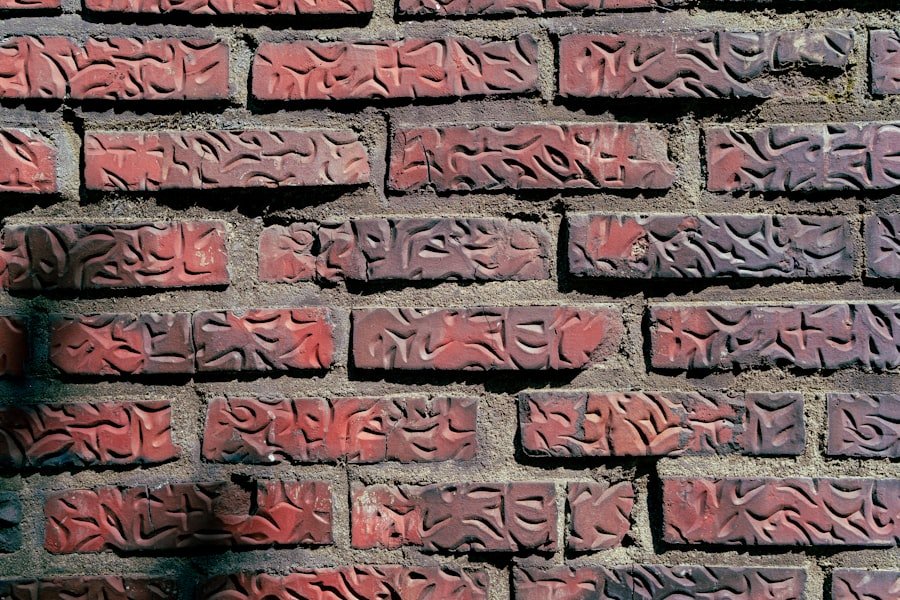
Martin’s British brick homes are characterised by their distinctive features that reflect both functionality and aesthetic appeal. One of the most notable aspects is the use of locally sourced bricks, which not only enhances the visual coherence of a neighbourhood but also supports local economies. The rich palette of colours and textures available in British bricks allows for a diverse range of styles, from traditional red-brick cottages to more contemporary interpretations that incorporate modern design elements.
Another defining characteristic is the attention to detail evident in Martin’s designs. From ornate cornices to intricately patterned brickwork, every element is thoughtfully considered to create a cohesive whole. Large windows are often a hallmark of his homes, allowing natural light to flood interior spaces while providing a connection to the outdoors.
Additionally, Martin’s commitment to sustainability is reflected in his choice of materials and construction methods, ensuring that his brick homes are not only beautiful but also environmentally responsible.
The Enduring Popularity of Brick Homes in Britain
| Reasons for Popularity | Percentage of Homeowners |
|---|---|
| Traditional and Classic Appeal | 65% |
| Durability and Longevity | 72% |
| Energy Efficiency | 58% |
| Low Maintenance | 67% |
| Resilience to Weather | 70% |
The enduring popularity of brick homes in Britain can be attributed to several factors that resonate with homeowners across generations. Firstly, brick is renowned for its durability and low maintenance requirements, making it an ideal choice for those seeking long-lasting quality in their homes. Unlike other materials that may require frequent repairs or replacements, brick stands resilient against the elements, ensuring that homes remain structurally sound for decades.
Furthermore, brick homes possess an inherent charm and character that appeals to buyers. The warmth and texture of brick create an inviting atmosphere that is often associated with comfort and stability. In an era where modern design trends can sometimes feel impersonal, brick homes offer a sense of authenticity and connection to history.
This emotional resonance contributes significantly to their continued desirability among homebuyers, making them a sought-after option in both urban and rural settings.
The Role of Brick Homes in British Culture and Society
Brick homes hold a significant place in British culture and society, serving as symbols of community and heritage. They are often seen as embodiments of national identity, reflecting the architectural traditions that have shaped the landscape over centuries. In many towns and cities, rows of brick houses create a sense of continuity and belonging, fostering strong community ties among residents.
Moreover, brick homes have played a crucial role in addressing housing needs throughout history. From the industrial revolution’s push for affordable housing to contemporary efforts aimed at sustainable living, brick construction has provided solutions that resonate with societal values. As communities evolve and adapt to changing demographics, brick homes remain a steadfast choice for those seeking stability and permanence in an ever-changing world.
The Advantages of Living in a Martin’s British Brick Home
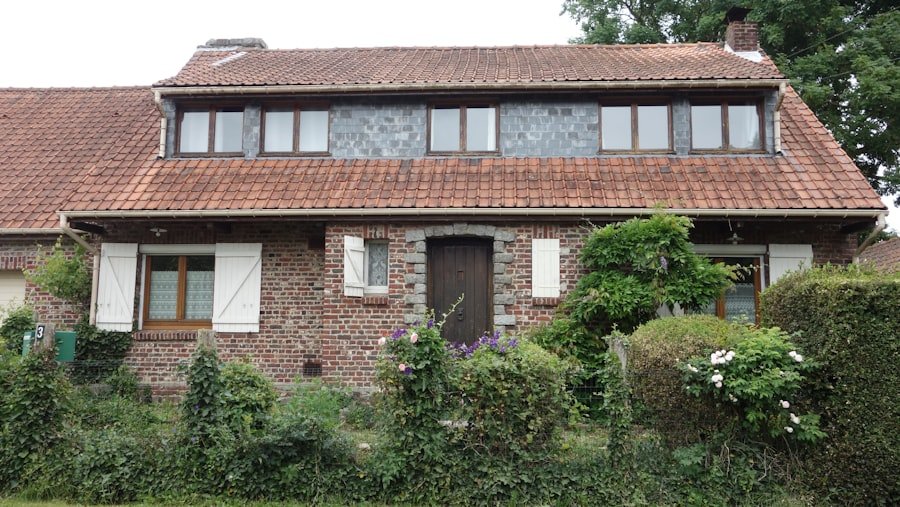
Living in a Martin’s British brick home offers numerous advantages that enhance both quality of life and property value. One significant benefit is energy efficiency; brick has excellent thermal mass properties, helping to regulate indoor temperatures throughout the year. This means that homes remain cooler in summer and warmer in winter, reducing reliance on heating and cooling systems and ultimately lowering energy bills.
Additionally, Martin’s designs prioritise functionality without compromising on style. Open-plan layouts encourage social interaction while providing flexibility for various activities within the home. The use of high-quality materials ensures that these homes are not only aesthetically pleasing but also built to last.
Homeowners can take comfort in knowing that their investment is secure, as Martin’s brick homes are designed with longevity in mind.
The Evolution of Martin’s British Architecture Over Time
The evolution of Martin’s British architecture reflects broader trends within society while maintaining a commitment to timeless design principles. Over the years, Martin has adapted his approach to incorporate modern technologies and sustainable practices without losing sight of traditional craftsmanship. This ability to evolve while remaining true to core values has allowed his work to resonate with diverse audiences.
As societal needs have changed, so too have Martin’s designs. The increasing emphasis on sustainability has led him to explore innovative building techniques that minimise environmental impact while maximising energy efficiency. This evolution demonstrates a forward-thinking mindset that embraces change while honouring the rich architectural heritage of Britain.
The Sustainability and Longevity of Brick Homes in Britain
Sustainability is at the forefront of contemporary architectural discourse, and Martin’s British brick homes exemplify this ethos through their longevity and minimal environmental impact. Brick is an inherently sustainable material; it is made from natural resources and can be recycled at the end of its life cycle. Furthermore, its durability means that fewer resources are required for repairs or replacements over time.
In addition to their material sustainability, Martin’s designs often incorporate energy-efficient features such as high-performance insulation and renewable energy systems. These elements not only reduce carbon footprints but also enhance the overall comfort and livability of the home. As awareness around environmental issues continues to grow, brick homes stand out as responsible choices for conscientious buyers seeking sustainable living solutions.
The Iconic Examples of Martin’s British Brick Homes
Throughout Britain, there are numerous iconic examples of Martin’s British brick homes that showcase his architectural prowess and commitment to quality design. One such example is the charming terraced houses found in urban areas like London’s Notting Hill or Manchester’s Northern Quarter, where rows of colourful bricks create vibrant streetscapes filled with character. Another notable example is the elegant country cottages scattered across rural England, which embody traditional charm while incorporating modern amenities.
These homes often feature picturesque gardens and thoughtful landscaping that enhance their appeal within their natural surroundings. Each iconic example serves as a testament to Martin’s ability to blend aesthetics with functionality, creating spaces that resonate with both history and contemporary living.
The Future of Martin’s British Brick Homes in Contemporary Architecture
As we look towards the future, Martin’s British brick homes are poised to play an integral role in shaping contemporary architecture. With an increasing focus on sustainability and community-oriented design, there is a growing demand for homes that reflect these values while maintaining aesthetic appeal. Martin’s commitment to innovation ensures that his designs will continue to evolve alongside societal needs.
Moreover, as urbanisation continues to rise, there is an opportunity for Martin’s principles to inform new developments that prioritise green spaces and community engagement. By integrating traditional materials like brick into modern designs, architects can create harmonious environments that foster connection among residents while respecting local heritage.
The Allure of Martin’s British Brick Homes for Homebuyers and Investors
For homebuyers and investors alike, Martin’s British brick homes present an irresistible allure rooted in both practicality and emotional resonance. The combination of timeless design, durability, and energy efficiency makes these properties highly attractive investments that promise long-term value appreciation. As buyers increasingly seek homes that offer both comfort and sustainability, Martin’s designs stand out as exemplary choices.
Furthermore, the cultural significance attached to brick homes enhances their desirability within the market. Buyers are not merely purchasing a property; they are investing in a piece of history that embodies community values and architectural heritage. This unique blend of practicality and emotional connection ensures that Martin’s British brick homes will continue to captivate future generations seeking their ideal living spaces in Britain’s ever-evolving landscape.
Brick homes have long been a staple in architectural design, offering durability and timeless appeal. For those interested in the financial aspects of home ownership, an insightful article on Smart Realty’s expert strategies for unlocking thousands in mortgage savings provides valuable information. This piece delves into various methods homeowners can employ to reduce their mortgage costs, which is particularly beneficial for those investing in brick homes. By understanding these strategies, potential buyers can make informed decisions and potentially save a significant amount on their mortgage, making the dream of owning a brick home more attainable.
These guides are popular with our readers right now: Paul Skenes: A Rising Star in the Business World, Discover New Homes in Forrestdale, WA and Discover the Exciting New Estates in Forrestdale.