
Understanding Affordable Housing Solutions in Perth
Perth, the sun-kissed capital of Western Australia, is facing a significant challenge that has become increasingly pressing over the years: the affordable housing crisis. As the city continues to grow and attract new residents, the demand for housing has surged, leading to skyrocketing property prices and rental rates. Many families and individuals find themselves priced out of the market, struggling to secure a stable and affordable place to live.
This crisis is not just a statistic; it represents the real-life struggles of countless residents who are forced to make difficult choices between basic necessities and housing costs. The implications of this crisis extend beyond mere economics; they touch on social stability, community cohesion, and overall quality of life. As housing becomes less affordable, more people are pushed into precarious living situations, such as overcrowded homes or even homelessness.
The ripple effects can be seen in schools, healthcare systems, and local economies, as families grapple with the stress and instability that comes from housing insecurity. Addressing this crisis is not just a matter of policy; it is a moral imperative that requires immediate attention and action from all sectors of society.
Key Takeaways
- Perth is facing an affordable housing crisis, with many low-income families struggling to find suitable and affordable housing options.
- The government has implemented various initiatives to address the affordable housing issue, including subsidies and incentives for developers to build affordable housing units.
- Non-profit organizations and community programs play a crucial role in providing support and resources for low-income individuals and families in need of affordable housing.
- Rent-to-own schemes are being introduced to help low-income families achieve homeownership and build equity over time.
- Affordable housing developments in Perth are being built to provide safe and affordable housing options for low-income individuals and families.
Government Initiatives to Address Affordable Housing
In response to the growing affordable housing crisis, the Western Australian government has implemented a range of initiatives aimed at increasing the availability of affordable housing options. These initiatives include funding for new developments, incentives for private developers to include affordable units in their projects, and support for community housing organizations. By leveraging public funds and resources, the government aims to create a more balanced housing market that caters to all income levels.
One notable initiative is the introduction of the Affordable Housing Strategy, which outlines a comprehensive plan to increase the supply of affordable homes over the next decade. This strategy emphasizes collaboration between government agencies, private developers, and non-profit organizations to create sustainable housing solutions. By fostering partnerships and encouraging innovative approaches, the government is taking proactive steps to ensure that affordable housing becomes a reality for more residents in Perth.
Non-Profit Organizations and Community Programs
Non-profit organizations play a crucial role in addressing the affordable housing crisis in Perth by providing essential services and support to those in need. These organizations often work in tandem with government initiatives to create programs that offer financial assistance, housing counseling, and advocacy for low-income families. By focusing on community engagement and empowerment, non-profits help individuals navigate the complex housing landscape and access resources that can lead to stable housing.
Community programs also focus on building awareness about affordable housing issues and mobilizing local residents to advocate for change. Through workshops, outreach efforts, and partnerships with local businesses, these organizations strive to create a more informed and engaged community that understands the importance of affordable housing. By fostering a sense of solidarity among residents, non-profits are helping to build a movement that demands action from policymakers and stakeholders.
Rent-to-Own Schemes for Low-Income Families
| Metrics | Data |
|---|---|
| Number of low-income families served | 500 |
| Average monthly rent paid | 500 |
| Percentage of families who eventually own the property | 75% |
| Length of average rental period | 5 years |
One innovative solution gaining traction in Perth is the implementation of rent-to-own schemes designed specifically for low-income families. These programs allow tenants to rent a property with the option to purchase it after a predetermined period. This model not only provides families with a stable living situation but also offers them a pathway to homeownership that may have previously seemed unattainable.
Rent-to-own schemes can be particularly beneficial for families who struggle to save for a down payment while paying high rents. By allowing a portion of their rent payments to contribute towards the eventual purchase price, these families can gradually build equity in their future home. This approach not only empowers individuals but also fosters a sense of community ownership and investment in their neighborhoods.
Affordable Housing Developments in Perth
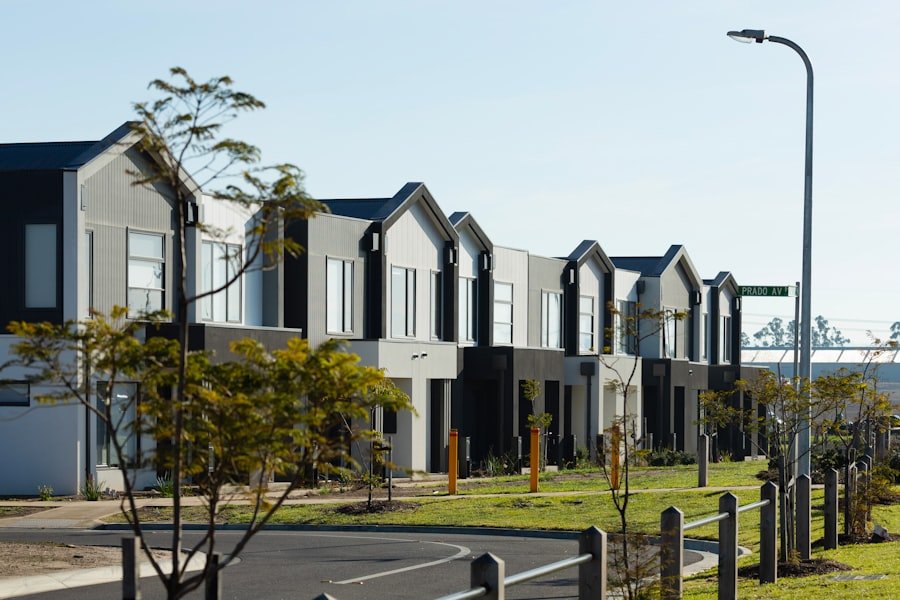
In recent years, Perth has seen a surge in affordable housing developments aimed at addressing the pressing needs of its residents. These projects often incorporate innovative design elements and sustainable building practices to create livable spaces that cater to diverse populations. By prioritizing affordability without compromising quality, developers are making strides toward creating inclusive communities where everyone can thrive.
Many of these developments are strategically located near public transportation hubs, schools, and essential services, ensuring that residents have easy access to everything they need. This thoughtful planning not only enhances the quality of life for residents but also contributes to the overall vibrancy of neighborhoods. As more affordable housing projects come online, Perth is taking significant steps toward alleviating its housing crisis and fostering a more equitable city.
The Role of Private Developers in Providing Affordable Housing

Private developers play an essential role in addressing the affordable housing crisis in Perth by bringing much-needed resources and expertise to the table. While profit motives often drive development projects, many developers are increasingly recognizing the importance of incorporating affordable housing into their portfolios. By partnering with government agencies and non-profit organizations, these developers can create mixed-income communities that benefit both low-income families and market-rate buyers.
Moreover, private developers have the capacity to innovate and implement cost-effective building techniques that can lower construction costs without sacrificing quality. This ability to adapt and respond to market demands positions them as key players in the quest for affordable housing solutions. As they embrace social responsibility alongside profitability, private developers can help reshape Perth’s housing landscape for the better.
Innovative Architectural and Design Solutions for Affordable Housing
The design of affordable housing plays a critical role in its success and acceptance within communities. Innovative architectural solutions can transform how we think about affordability by creating functional, aesthetically pleasing spaces that enhance residents’ quality of life. From modular construction techniques to energy-efficient designs, architects are finding ways to reduce costs while maximizing livability.
Additionally, incorporating communal spaces within affordable housing developments fosters a sense of community among residents. Shared gardens, playgrounds, and recreational areas encourage social interaction and collaboration among neighbors, ultimately contributing to stronger communities. By prioritizing thoughtful design in affordable housing projects, Perth can create environments where residents feel proud to live and thrive.
The Impact of Gentrification on Affordable Housing in Perth
While gentrification can bring investment and revitalization to neighborhoods, it often comes at a steep cost for existing residents. In Perth, as certain areas undergo transformation due to rising property values and increased demand for housing, long-time residents may find themselves displaced or unable to afford their homes. This phenomenon exacerbates the affordable housing crisis by reducing the availability of low-cost options in desirable locations.
To mitigate the negative effects of gentrification, it is essential for policymakers and community leaders to implement strategies that protect vulnerable populations while promoting development. This may include measures such as rent control policies, inclusionary zoning requirements for new developments, or community land trusts that prioritize long-term affordability. By addressing gentrification head-on, Perth can work toward creating a more equitable urban landscape.
The Importance of Accessible Public Transportation for Affordable Housing
Accessible public transportation is a vital component of any successful affordable housing strategy. In Perth, ensuring that low-income residents have access to reliable transit options can significantly enhance their quality of life by connecting them to employment opportunities, educational institutions, and essential services. When affordable housing is located near public transportation hubs, it allows residents to commute easily without incurring high transportation costs.
Moreover, investing in public transportation infrastructure can stimulate economic growth by attracting businesses and creating jobs in underserved areas. As more people gain access to reliable transit options, communities become more vibrant and economically diverse. By prioritizing public transportation alongside affordable housing initiatives, Perth can create an interconnected urban environment that benefits all residents.
The Role of Education and Job Training in Breaking the Cycle of Poverty
Education and job training are critical components in breaking the cycle of poverty that often accompanies housing insecurity. In Perth, providing low-income families with access to quality education and vocational training programs can empower them to secure stable employment and improve their financial situations. When individuals have the skills necessary to compete in the job market, they are better positioned to afford housing costs and achieve long-term stability.
Community organizations and educational institutions play an essential role in offering these programs by providing resources such as scholarships, mentorship opportunities, and job placement services. By investing in education and job training initiatives alongside affordable housing efforts, Perth can create a holistic approach that addresses both immediate needs and long-term solutions for its residents.
The Future of Affordable Housing in Perth
The future of affordable housing in Perth hinges on collaboration among government agencies, private developers, non-profit organizations, and community members. As awareness of the affordable housing crisis grows, there is an increasing recognition that innovative solutions must be pursued to create lasting change. By embracing new ideas—such as rent-to-own schemes, sustainable building practices, and inclusive community planning—Perth can pave the way for a more equitable future.
Ultimately, addressing the affordable housing crisis requires a commitment from all stakeholders involved. By prioritizing honesty, transparency, and integrity in decision-making processes, Perth can foster an environment where everyone has access to safe and affordable housing options. With concerted efforts from all sectors of society, there is hope for a brighter future where every resident can call Perth home without fear of displacement or insecurity.
In the quest to address the affordable housing challenges in Perth, it’s essential to consider the role of real estate agents in facilitating access to cost-effective housing solutions. An insightful article that delves into the intricacies of real estate agents and their impact on the housing market can be found here. This piece provides a comprehensive overview of how real estate professionals operate, which can be crucial for understanding the dynamics of affordable housing in the region.