
Understanding Subdivision Costs in Western Australia
Navigating the intricacies of property subdivision in Western Australia can feel like charting a course through unmapped territory. For property owners considering this significant undertaking, understanding the various costs involved is paramount. This guide provides a comprehensive, step-by-step breakdown of potential expenditures, offering clarity and insights grounded in the realities of the Western Australian property market.
Before any earth is turned or plans are officially submitted, a crucial preliminary phase involves assessing the viability of your subdivision project. This stage is akin to the foundation upon which your entire project rests; skimping here can lead to costly realignments down the line. For any inquiries or assistance, please Contact Smart Realty.
Feasibility Study and Due Diligence
A preliminary feasibility study is the bedrock of any successful subdivision. This often involves engaging professionals to assess the practical and financial viability of your proposed project.
- Consultation with Local Council: Before committing to significant expenses, an initial consultation with your local government authority (LGA) is highly recommended. Council planning officers can provide preliminary advice on zoning, density codes, potential obstacles, and the general likelihood of approval. While these initial discussions might be informal, they can save considerable time and money by highlighting immediate red flags. Some councils offer pre-lodgement advice services for a fee.
- Surveyor’s Preliminary Assessment: A licensed land surveyor can conduct a preliminary site inspection and provide an initial assessment of boundaries, topography, existing structures, and potential easements. They can advise on the approximate subdivision potential based on current zoning and propose different subdivision configurations. This initial assessment, often less detailed than a full feature and level survey, helps clarify what’s possible on your specific block.
- Market Research: Understanding current property values and demand in your area is crucial for determining the potential profitability of your subdivision. While this can often be done by the property owner, engaging a real estate agent for a comparative market analysis (CMA) tailored for subdivided lots can provide invaluable insights into pricing strategies and market absorption rates for new, smaller parcels of land.
Professional Fees for Planning and Design
Once feasibility is established, professional expertise becomes indispensable. These professionals translate your vision into actionable plans and navigate the complex regulatory landscape.
- Planning Consultant: For complex subdivisions or those requiring discretionary approvals, a planning consultant can be invaluable. They possess deep knowledge of planning schemes, development policies, and the application process. They can prepare the detailed planning application, justify your proposal to the council, and act as your advocate throughout the approval process. Their fees can vary significantly based on complexity but are often offset by expediting approvals and avoiding missteps.
- Licensed Land Surveyor: This is a non-negotiable expense. A licensed land surveyor will conduct detailed surveys to accurately define boundaries, topographic features, and existing infrastructure. Their work forms the basis for all design and approval processes.
- Feature and Level Survey: This comprehensive survey maps out the contours of your land, existing structures, services (water, power, sewerage), and neighboring properties. It’s essential for architects, engineers, and planners to design the subdivision accurately.
- Subdivision Design and Marking: Once approval is granted, the surveyor will mark out the new lot boundaries on the ground, a critical step before titles can be issued.
- Deposited Plan Preparation: The surveyor prepares the Deposited Plan, a legal document showing the new lots, common property, and easements, which is lodged with Landgate.
- Civil Engineer: Depending on the scale and complexity, a civil engineer may be required to design infrastructure such as drainage, roads, and earthworks. Their designs ensure compliance with council specifications and manage stormwater runoff effectively. This is particularly relevant for larger subdivisions or those on challenging terrain.
- Architect/Building Designer (if applicable): If your subdivision involves retaining existing dwellings or building new ones as part of the project, an architect or building designer will be necessary to design plans that meet all relevant building codes and maximize the potential of the new lots.
For property owners in Western Australia looking to navigate the complexities of subdivision costs, a comprehensive understanding is essential. A related article that can provide valuable insights is available at Smart Realty’s Property Appraisal Guide, which offers detailed information on property valuation and the factors influencing appraisal outcomes. This resource can help property owners make informed decisions regarding their subdivision projects.
Application and Approval Costs
Securing the necessary approvals from various government agencies is a multi-step process, each with its own associated fees. These fees are essentially your ticket through the regulatory gates.
Local Government Authority (LGA) Fees
Your local council plays the primary role in approving your subdivision.
- Development Application (DA) Fees: The application fee payable to your local council varies depending on the number of lots and the estimated cost of works. These fees cover the council’s administrative costs for processing, assessing, and making a decision on your application.
- Building Permit Fees (if applicable): If your subdivision involves new construction or significant modifications to existing structures, separate building permit applications and associated fees will be required.
Western Australian Planning Commission (WAPC) Fees
For most subdivisions in WA, the WAPC is the ultimate approval body.
- Subdivision Application Fees: An application fee is paid to the WAPC when you lodge your proposal for subdivision approval. This fee is scaled based on the number of new lots being created. The WAPC assesses the application against state planning policies and scheme provisions.
- Condition Clearance Fees: Once the WAPC grants conditional approval, you’ll need to satisfy various conditions. Some conditions, such as obtaining clearances from service providers or submitting final designs, may incur administrative fees during the clearance process.
Service Authority Connection and Headworks Fees
Connecting new lots to existing essential services is a major expenditure category. These costs can be substantial, as they contribute to the broader infrastructure network.
- Water Corporation:
- Service Connection Fees: New lots will require separate water and wastewater (sewerage) connections. The Water Corporation charges fees for connecting each new lot to their network. These fees cover the cost of infrastructure creation and maintenance.
- Headworks Charges / Developer Charges: These are one-off payments to the Water Corporation, and sometimes to other service providers, to contribute towards the cost of upgrading or extending their main infrastructure (pipes, treatment plants) to service the new development. These charges are often a significant cost component and are calculated based on the number and type of new lots.
- Western Power (Electricity):
- Service Connection Fees: New lots will require individual electricity connections, incurring fees from Western Power. This includes the cost of running cables to the new properties and installing meters.
- Undergrounding Charges: In many new developments, particularly inner-city, undergrounding power lines is a requirement, adding considerably to Western Power’s connection costs. This aesthetic and safety requirement can escalate connection expenses.
- Gas Retailer (e.g., ATCO Gas):
- Service Connection Fees: If gas connection is desired or required, this will involve fees from the relevant gas retailer for extending the reticulation and connecting to individual lots.
- Telco Infrastructure (e.g., NBN Co):
- Connection Fees: While often less direct, ensuring new lots have access to telecommunications infrastructure, particularly NBN, can have associated costs or requirements for the developer to provide certain conduits or access points.
Infrastructure and Development Costs
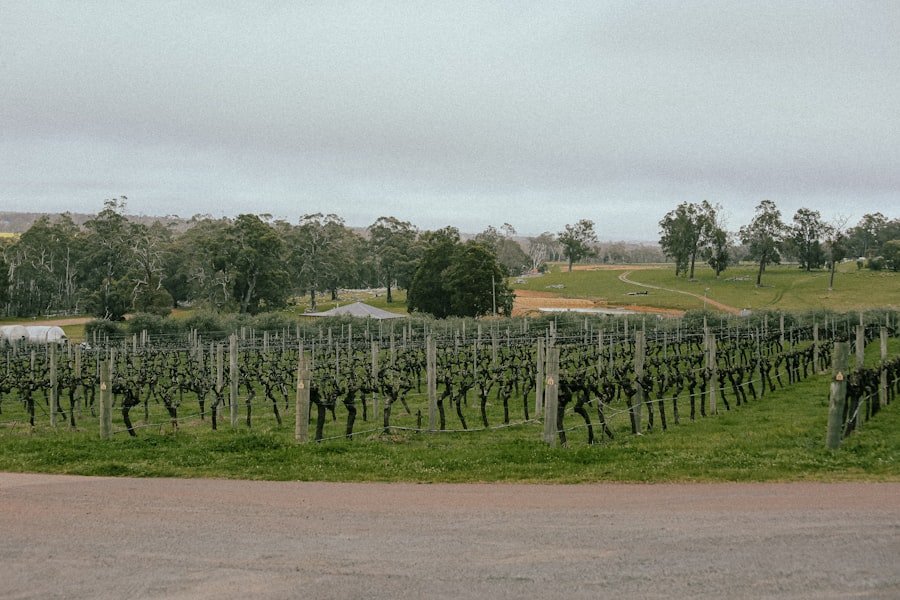
This category encompasses the physical work required on the ground to transform your existing property into multiple buildable lots. These are the hands-on costs of shaping the land.
Earthworks and Site Preparation
Preparing the land for new construction is often a significant undertaking.
- Demolition Costs: If existing structures (e.g., an old shed, part of a house) need to be removed to facilitate the subdivision, demolition contractors will charge based on the scale of the demolition and disposal of materials.
- Tree Removal: Significant trees may need to be removed for clear access, services, or building envelopes. Arborist services and stump grinding add to costs. Tree protection orders can sometimes prevent removal, necessitating redesign.
- Site Remediation/Contamination: In older areas, or on sites with a history of industrial use, soil contamination may be present. Remediation can involve excavating and replacing soil, or specialized treatment, which can be extremely costly. Environmental assessments are crucial in such cases.
- Cut and Fill: Leveling the land to create suitable building pads and drainage can require extensive earthmoving. This involves excavating soil from high areas (cut) and placing it in low areas (fill). The amount depends on the site’s topography and the proposed development.
Civil Works and Services Installation
These are the unseen arteries and veins that make the new lots functional.
- Internal Drainage: Designing and installing internal stormwater drainage systems is crucial for managing runoff and preventing waterlogging on the new lots and adjacent areas. This can involve pipes, soakwells, and retention basins.
- Sewerage and Water Reticulation: Running new water mains and sewer lines to service each new lot, particularly where existing services are not directly accessible, is a major civil works cost.
- Underground Power and Communications Conduits: Installing conduits for underground power and communications (NBN) requires trenching and backfilling, adding to the civil works expense.
- Driveways and Crossovers: If the subdivision creates new access points or battle-axe lots, the creation of new crossovers (driveway entries from the street) and internal driveways will be necessary. This requires approval from the local council and specific construction standards.
- Fencing: While not always a direct subdivision cost, new boundary fencing between the subdivided lots and existing neighbors is a common implication. Agreements on cost-sharing with neighbours are typical.
Other Costs and Contingencies

Beyond the direct costs, there are several indirect expenses and potential financial buffers that prudent property owners must account for.
Legal and Administrative Fees
The legal framework surrounding property transactions incurs specific charges.
- Conveyancing Fees: A licensed settlement agent or solicitor will handle the legal process of creating the new titles. This includes preparing and lodging documents with Landgate (e.g., Deposited Plan, applications for new titles), liaising with financial institutions, and ensuring a smooth transfer of ownership. Their fees are based on the complexity and value of the transaction.
- Landgate Fees: Landgate, the state’s land information authority, charges fees for lodging various documents, including the Deposited Plan and applications for new certificates of title. These are statutory fees and are non-negotiable.
- Strata Company Formation (Strata Subdivision): If undertaking a strata subdivision (e.g., creating multiple units on one original lot), additional legal and administrative costs are involved in establishing the strata company, drafting by-laws, and setting up initial management.
Holding Costs
Subdivision is not an instantaneous process; there will be a period where you hold the original property while incurring expenses.
- Council Rates: You will continue to pay council rates on the original property until the new titles are issued and new rate assessments are made.
- Utilities (Water, Electricity, Gas): Similarly, you will continue to pay for utility services to the existing property throughout the subdivision period.
- Mortgage Interest: If the property is mortgaged, the interest payments will continue to accrue during the subdivision process. This can be a significant cost over an extended timeframe.
Contingency Fund
No subdivision project, no matter how meticulously planned, is immune to unforeseen circumstances. A contingency fund is your safety net.
- Unforeseen Delays: Delays from council, WAPC, or service providers can prolong the project, increasing holding costs.
- Unexpected Site Conditions: Discovery of rock, buried services, or unforeseen soil conditions can lead to increased earthwork costs or require redesigns.
- Price Increases: Material and labor costs can fluctuate over the lifespan of a project.
- Regulatory Changes: While rare during an active application, changes in planning policy or building codes can sometimes impact a project.
As a rule of thumb, it is advisable to allocate 10-15% of your estimated total project cost as a contingency fund. This acts as a buffer, ensuring that minor setbacks do not derail your entire financial plan.
For property owners navigating the complexities of subdivision costs in Western Australia, understanding the various factors involved is crucial. A helpful resource that complements this guide is an article that delves into the specific details of a property in Thornlie, which can provide insights into local market trends and potential investment opportunities. You can read more about it in this detailed overview. This information can assist owners in making informed decisions about their subdivision projects.
Taxation Implications
<?xml encoding=”UTF-8″>
| Subdivision Stage | Estimated Cost Range | Description | Typical Timeframe |
|---|---|---|---|
| Preliminary Planning & Consultation | 1,000 – 3,000 | Initial consultation with town planners and local council to assess feasibility | 1-2 weeks |
| Surveying & Land Title Search | 2,000 – 5,000 | Professional land survey and title verification | 2-4 weeks |
| Engineering & Design | 5,000 – 15,000 | Design of subdivision layout, drainage, and infrastructure planning | 3-6 weeks |
| Development Application Fees | 1,500 – 4,000 | Fees payable to local government for subdivision approval | 4-8 weeks (approval time) |
| Construction & Infrastructure | 20,000 – 50,000+ | Building roads, drainage, utilities, and other necessary infrastructure | 8-16 weeks |
| Final Survey & Certification | 1,000 – 3,000 | Final survey to confirm boundaries and certification for title registration | 2-4 weeks |
| Title Registration & Legal Fees | 1,000 – 3,000 | Costs for registering new titles and legal documentation | 1-2 weeks |
| Total Estimated Cost | 31,500 – 83,000+ | Complete subdivision process from start to finish | 4-6 months |
Understanding the tax consequences of subdivision is as important as calculating the direct costs. The Australian Tax Office (ATO) views subdivision activities differently depending on your intent.
Capital Gains Tax (CGT)
- Principal Place of Residence Exemption: If the subdivision involves land that forms part of your principal place of residence, and you meet specific criteria (e.g., the land was used in connection with your home, total land area is 2 hectares or less), a portion of the capital gain on the subdivided lot may be exempt from CGT. However, it’s crucial to seek professional advice as complexities can arise.
- Investment Property: If the subdivided land is not your principal place of residence, any profit made from selling the new lots will generally be subject to CGT. Costs associated with the subdivision can be included in the cost base to reduce the taxable gain.
- Intention: The ATO differentiates between an isolated transaction of selling a subdivided lot occasionally and an ongoing business of property development. Your intention at the time of acquiring the property and undertaking the subdivision is critical.
Goods and Services Tax (GST)
- Enterprise Activity: If the subdivision is deemed to be an “enterprise” activity (i.e., you are carrying out activities in the nature of a business with an expectation of profit), you may be required to register for GST.
- GST on Sales: If registered for GST, you would charge GST on the sale of the new lots. However, you would also be able to claim GST credits on eligible expenses incurred during the subdivision process.
- Margin Scheme: The margin scheme can be used to calculate GST on the sale of subdivided land. Instead of applying GST to the full sale price, it is applied to the difference between the sale price and the original cost of the land, potentially reducing the GST payable. This is a complex area, and professional tax advice is essential.
Stamp Duty
- No Stamp Duty on Subdivision Itself: The act of subdividing land does not directly incur stamp duty.
- Stamp Duty on Future Sales: However, future buyers of your newly created lots will pay stamp duty on their purchase, which is an external factor influencing market demand and pricing.
Engaging a qualified accountant or tax advisor early in your subdivision journey is not an option; it is a necessity. They can interpret your specific situation within the ATO’s guidelines, help you structure your project tax-efficiently, and ensure compliance.
Conclusion
Subdividing property in Western Australia is a multifaceted endeavor, a journey that demands careful planning, significant financial outlay, and a thorough understanding of regulatory requirements. It is not a path for the fainthearted but one that, when executed strategically, can yield substantial returns. By meticulously cataloguing and understanding each potential cost outlined in this guide, from initial feasibility studies to the nuances of taxation, property owners can approach their subdivision project with confidence and clarity. Think of this guide as your detailed map, helping you navigate the financial terrain of property subdivision and ultimately, steer your project towards a successful and profitable outcome.
FAQs
What are the typical costs involved in subdividing property in Western Australia?
Subdivision costs in Western Australia generally include application fees, surveyor and consultant fees, infrastructure contributions, development approval fees, and costs related to connecting utilities. Additional expenses may arise from land clearing, fencing, and legal services.
How long does the subdivision process usually take in Western Australia?
The subdivision process can take several months to over a year, depending on the complexity of the project, local government processing times, and whether any issues arise during planning and approvals.
Do I need approval from the local council to subdivide my property?
Yes, property owners must obtain development approval from their local council or relevant planning authority before proceeding with subdivision. This involves submitting detailed plans and meeting specific zoning and planning requirements.
Are there any government fees or charges associated with subdivision?
Yes, there are government fees such as application fees for subdivision approval, fees for plan endorsement, and possible infrastructure or development contributions that fund local services and amenities.
Can I subdivide my property without hiring professionals?
While it is possible to attempt subdivision independently, it is highly recommended to engage professionals such as surveyors, town planners, and legal advisors to ensure compliance with regulations and to manage the technical and legal aspects effectively.