
Understanding Pet-Friendly Rentals in Perth: How Landlords Can Increase Their Tenant Pool
The rental market has experienced a notable increase in demand for pet-friendly accommodations in recent years, driven by changing tenant demographics and preferences. Statistical data indicates that approximately 70% of U.S. households own pets, with a significant portion of these being renters who prioritize housing that accepts their animals.
Market research shows that pet-owning tenants often demonstrate greater willingness to pay higher rents and security deposits for properties that accommodate their pets. This demand is most pronounced in metropolitan areas where housing inventory is constrained and competition among renters is intense.
Real estate industry data suggests that properties allowing pets can achieve occupancy rates 5-10% higher than those with no-pet policies. Property owners who implement pet-friendly policies often benefit from increased tenant retention rates, as pet owners tend to remain in suitable accommodations longer to avoid the difficulty of relocating with animals. Additionally, pet deposits and monthly pet fees provide supplementary revenue streams that can offset potential property maintenance costs associated with pet ownership.
For any inquiries or assistance, please
Creating a pet-friendly rental property involves more than simply allowing pets; it requires thoughtful consideration of the needs of both tenants and their animals. One effective strategy is to invest in durable flooring options that can withstand wear and tear from pets. Materials such as laminate or tile are not only easy to clean but also resistant to scratches and stains.
Additionally, providing outdoor spaces that are secure and accessible can enhance the appeal of a property for pet owners. Landlords should also consider implementing pet amenities that cater to both tenants and their furry friends. Features such as dog parks, pet washing stations, or designated pet areas can significantly enhance the attractiveness of a rental property.
Furthermore, establishing clear communication with tenants about their pets’ needs and behaviors can foster a positive landlord-tenant relationship and ensure that everyone is on the same page regarding expectations.
Setting Clear Pet Policies for Rental Properties
Establishing clear pet policies is essential for landlords who wish to create a harmonious living environment for all tenants. These policies should outline specific guidelines regarding the types of pets allowed, any breed restrictions, and the number of animals permitted per household. Additionally, landlords may want to consider implementing a pet deposit or pet rent to cover potential damages caused by animals.
Transparency is key when it comes to pet policies. Landlords should ensure that all tenants are aware of the rules before signing a lease agreement. This clarity helps prevent misunderstandings and sets expectations from the outset.
By fostering open communication about pet policies, landlords can create a positive atmosphere that encourages responsible pet ownership while protecting their properties.
Marketing Pet-Friendly Rentals to Attract More Tenants
| Metric | Value | Notes |
|---|---|---|
| Percentage of Perth Renters with Pets | 45% | Estimated proportion of renters who own pets |
| Increase in Tenant Pool with Pet-Friendly Rentals | 30% | Average increase in tenant inquiries when pets are allowed |
| Average Rent Premium for Pet-Friendly Properties | 5% | Additional rent landlords can charge for pet-friendly units |
| Pet Deposit Amount | One to Two Weeks Rent | Typical refundable deposit to cover pet-related damages |
| Common Pet Restrictions | Size Limits, Breed Restrictions | Most landlords restrict large dogs or certain breeds |
| Average Vacancy Rate for Pet-Friendly Rentals | 3% | Lower than non-pet-friendly rentals in Perth |
| Tenant Retention Rate with Pet-Friendly Policies | 85% | Higher retention due to pet accommodation |
To effectively market pet-friendly rentals, landlords must highlight the unique features that set their properties apart from others in the market.
Additionally, using descriptive language in listings that emphasizes the property’s suitability for pets can resonate with prospective renters.
Utilizing social media platforms and online rental listing sites can further enhance visibility for pet-friendly properties. Engaging with local pet communities or organizations can also help landlords connect with potential tenants who prioritize pet-friendly living arrangements. By actively promoting their properties as welcoming spaces for pets, landlords can attract a dedicated audience of renters eager to find a home that accommodates their furry companions.
Addressing Landlord Concerns About Allowing Pets in Rentals
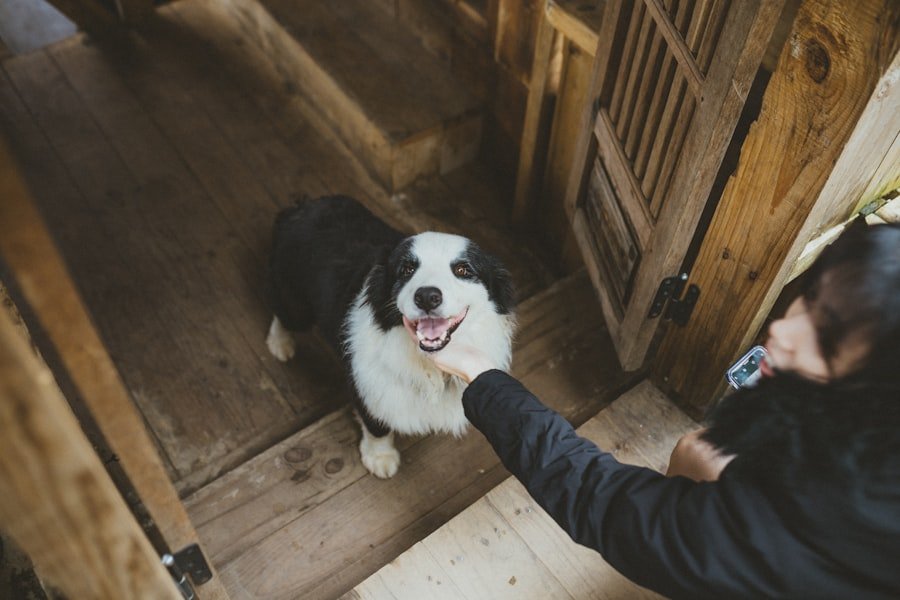
While there are numerous benefits to allowing pets in rental properties, many landlords may still harbor concerns about potential risks associated with pet ownership. Common worries include property damage, noise disturbances, and liability issues stemming from aggressive behavior. However, these concerns can be mitigated through proactive measures.
One effective approach is to implement a thorough screening process for prospective tenants with pets. This may include requiring references from previous landlords or proof of pet training certifications. By carefully vetting applicants, landlords can identify responsible pet owners who are likely to maintain their properties well.
Additionally, establishing clear guidelines regarding pet behavior and maintenance responsibilities can help alleviate concerns about noise or damage.
Creating a Pet-Friendly Environment in Rental Properties
Creating a truly pet-friendly environment goes beyond simply allowing animals on the premises; it involves fostering a sense of community among tenants and their pets. Landlords can encourage this by organizing events such as “pet meet-and-greets” or offering resources on local pet services like grooming or training facilities. These initiatives not only enhance tenant satisfaction but also promote positive interactions among residents.
Furthermore, ensuring that common areas are accessible and safe for pets is crucial. Providing waste disposal stations and designated walking paths can make it easier for tenants to care for their animals while maintaining cleanliness in shared spaces. By prioritizing the needs of both tenants and their pets, landlords can create an inviting atmosphere that encourages long-term residency.
The Importance of Screening Pet Owners as Tenants
Screening potential tenants who own pets is an essential step in maintaining a successful rental property. A thorough screening process allows landlords to assess not only the tenant’s financial stability but also their suitability as responsible pet owners. This may involve requesting documentation such as vaccination records or proof of training classes attended by the pet.
Additionally, conducting interviews with prospective tenants can provide valuable insights into their attitudes toward pet ownership and responsibility. Engaging in open conversations about expectations regarding pet behavior and care can help establish a foundation of trust between landlords and tenants. By taking the time to screen pet owners effectively, landlords can minimize risks while fostering a positive living environment.
Understanding the Legalities of Allowing Pets in Rental Properties
Navigating the legal landscape surrounding pet ownership in rental properties is crucial for landlords who wish to implement pet-friendly policies. Familiarity with local laws and regulations regarding pets is essential to ensure compliance and protect both landlords and tenants from potential disputes. In many jurisdictions, landlords have the right to establish reasonable restrictions on pets, including breed or size limitations.
Additionally, understanding fair housing laws is vital when considering pet policies. Landlords must ensure that any restrictions they impose do not inadvertently discriminate against certain groups of tenants or violate disability rights laws related to service animals. By staying informed about legal requirements and best practices, landlords can create fair and equitable policies that benefit everyone involved.
Maintaining Pet-Friendly Rental Properties
Maintaining a pet-friendly rental property requires ongoing attention and care from landlords. Regular inspections can help identify any potential issues related to wear and tear caused by pets, allowing landlords to address concerns proactively before they escalate into larger problems. Establishing a routine maintenance schedule for common areas—such as cleaning up after pets—can also contribute to a positive living environment.
Additionally, fostering open communication with tenants about property maintenance needs is essential. Encouraging residents to report any issues promptly ensures that problems are addressed quickly and effectively. By prioritizing maintenance efforts and engaging with tenants regularly, landlords can uphold the integrity of their properties while providing a welcoming atmosphere for both residents and their pets.
How Landlords Can Tap into the Pet-Friendly Rental Market
In conclusion, tapping into the growing demand for pet-friendly rentals presents an opportunity for landlords to enhance their properties’ appeal while maximizing rental income potential. By understanding the benefits of allowing pets, implementing clear policies, and creating an inviting environment for both tenants and their furry companions, property owners can position themselves favorably in a competitive market. As more renters seek accommodations that cater to their pets’ needs, landlords who embrace this trend will find themselves at an advantage.
By prioritizing responsible pet ownership through effective screening processes and ongoing communication with tenants, property owners can mitigate risks while fostering positive relationships within their communities. Ultimately, embracing the pet-friendly rental market not only benefits landlords financially but also enriches the lives of tenants and their beloved animals alike.
For landlords in Perth looking to attract a wider range of tenants, considering pet-friendly rentals can be a game changer. By allowing pets, landlords can significantly increase their tenant pool, making their properties more appealing in a competitive market. For further insights on enhancing property value and attracting potential tenants, you might find the article on property valuation tips in Perth particularly useful. This resource offers valuable strategies that can complement the benefits of offering pet-friendly accommodations.
FAQs
What are pet-friendly rentals?
Pet-friendly rentals are residential properties where landlords allow tenants to keep pets, such as dogs, cats, or other animals, on the premises.
Why should landlords consider offering pet-friendly rentals?
Allowing pets can increase the pool of potential tenants, as many renters own pets and actively seek pet-friendly housing. This can lead to reduced vacancy rates and potentially higher rental income.
Are there any legal considerations for landlords regarding pet-friendly rentals in Perth?
Yes, landlords must comply with local laws and tenancy regulations, including any rules about pet ownership in rental properties. It is advisable to include clear pet policies in the lease agreement to protect both parties.
How can landlords manage potential risks associated with pet-friendly rentals?
Landlords can require pet deposits or additional pet rent, conduct thorough tenant screening, and set clear rules about pet behavior and property maintenance to minimize risks such as property damage or noise complaints.
What types of pets are typically allowed in pet-friendly rentals?
Commonly allowed pets include cats and dogs, but some landlords may permit other small animals like birds, rabbits, or fish. The specific types of pets allowed should be clearly stated in the rental agreement.
How can landlords advertise their pet-friendly rentals effectively?
Landlords can highlight the pet-friendly status in rental listings, use pet-related keywords, and advertise on platforms popular with pet owners to attract tenants looking for pet-friendly housing.
Do pet-friendly rentals require special insurance?
Landlords may need to review their insurance policies to ensure coverage includes potential damages or liabilities related to pets. Tenants might also be required to have renters’ insurance that covers pet-related incidents.
Can pet-friendly rentals impact property maintenance?
Yes, pets can cause additional wear and tear, so landlords should plan for regular inspections and maintenance. Setting clear expectations with tenants about cleaning and repairs can help maintain the property’s condition.