
Bank Repossessed Homes for Sale in WA: Your Next Investment Opportunity: Key Things to Consider
Bank repossessed homes, commonly known as real estate owned (REO) properties, are residential properties that financial institutions have acquired through foreclosure proceedings. When homeowners fail to meet their mortgage obligations, lenders initiate foreclosure to recover outstanding debt. After completing the foreclosure process, banks become the legal owners of these properties and list them for sale to recoup their financial losses.
These properties typically sell below current market valuations because banks prioritize quick liquidation over maximum profit. Financial institutions are not in the business of property management and seek to minimize holding costs such as maintenance, insurance, and property taxes. This creates purchasing opportunities for investors and homebuyers seeking below-market pricing.
However, REO transactions involve specific considerations that differ from traditional real estate purchases. Properties may require repairs or renovations, as they are often sold in as-is condition. Buyers must conduct thorough inspections and factor potential rehabilitation costs into their investment calculations.
Additionally, REO sales may involve extended closing periods and specific contractual terms set by the selling institution.
Key Takeaways
- Bank repossessed homes offer investment opportunities but require thorough understanding and careful evaluation.
- Benefits include potential below-market prices and opportunities for renovation and profit.
- Finding these properties involves researching listings, auctions, and working with real estate agents in WA.
- Important factors to consider are property condition, legal issues, and market trends before investing.
- Financing options vary, and buyers should also be aware of risks, legal considerations, and negotiation strategies.
Benefits of Investing in Bank Repossessed Homes
Investing in bank repossessed homes offers numerous advantages that can lead to substantial financial gains. One of the most significant benefits is the potential for acquiring properties below market value. Banks are motivated to sell these homes quickly to recoup their losses, which often results in lower asking prices compared to traditional real estate listings.
This creates an opportunity for investors to purchase properties at a discount, allowing for immediate equity upon acquisition. Additionally, bank repossessed homes can serve as a lucrative investment strategy in a fluctuating real estate market. As property values rise, investors who have purchased these homes at lower prices can benefit from significant appreciation over time.
Furthermore, these properties can be transformed into rental units, providing a steady stream of income. With the right renovations and management, investors can maximize their returns while contributing to the revitalization of neighborhoods that may have been affected by foreclosures. For more information about our services, please Contact Us Now !.
How to Find Bank Repossessed Homes for Sale in WA
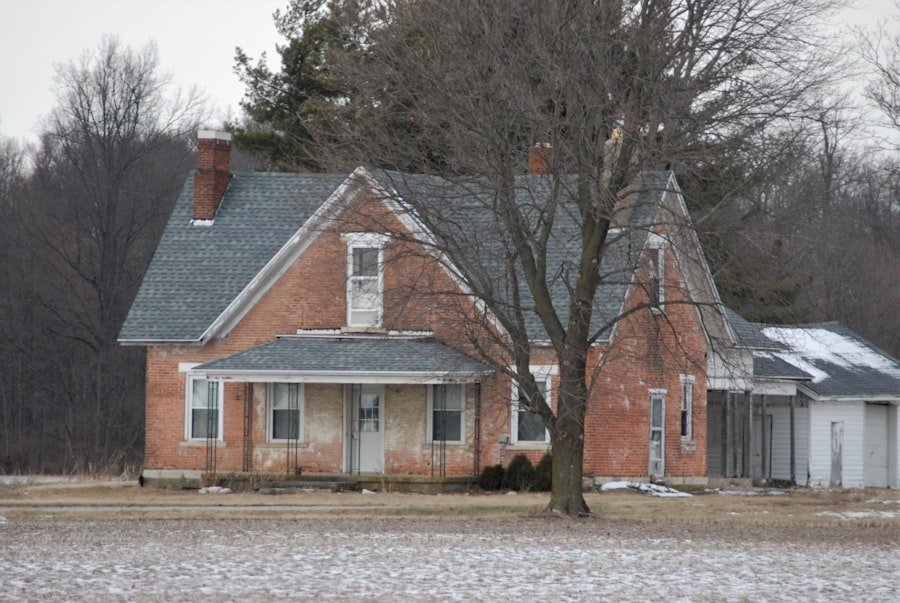
Finding bank repossessed homes for sale in Western Australia requires a strategic approach and access to reliable resources. One effective method is to work with a real estate agent who specializes in REO properties. These professionals have access to listings that may not be widely advertised and can provide valuable insights into the local market.
They can also guide buyers through the complexities of purchasing a repossessed home, ensuring a smoother transaction process. Another avenue for discovering bank repossessed homes is through online real estate platforms and auction websites. Many banks and lenders list their REO properties on these sites, allowing buyers to browse available listings from the comfort of their homes.
Additionally, attending foreclosure auctions can provide opportunities to bid on properties directly from the bank. However, it is essential to conduct thorough research and due diligence before participating in any auction to avoid potential pitfalls.
Factors to Consider Before Investing in Bank Repossessed Homes
Before diving into the world of bank repossessed homes, prospective investors must consider several critical factors that can impact their investment decisions. First and foremost is the condition of the property. Many repossessed homes may require significant repairs or renovations, which can add to the overall cost of the investment.
Conducting a thorough inspection is vital to understanding the extent of any necessary work and estimating potential expenses. Another important consideration is the location of the property. The neighborhood’s desirability can significantly influence resale value and rental potential.
Investors should research local market trends, including property values, rental rates, and future development plans in the area. Understanding these dynamics will help investors make informed decisions about which properties to pursue and how much to invest in renovations.
Financing Options for Purchasing Bank Repossessed Homes
| Location | Number of Bank Repossessed Homes | Average Price | Average Days on Market | Property Type | Year Built |
|---|---|---|---|---|---|
| Seattle, WA | 45 | 420,000 | 60 | Single Family | 1995 |
| Spokane, WA | 30 | 250,000 | 75 | Condo | 2005 |
| Tacoma, WA | 25 | 310,000 | 55 | Townhouse | 2010 |
| Vancouver, WA | 20 | 280,000 | 65 | Single Family | 2000 |
| Bellevue, WA | 15 | 500,000 | 50 | Single Family | 2015 |
Financing a bank repossessed home can differ from traditional home purchases due to the unique nature of these properties. Many buyers opt for conventional mortgages; however, some lenders may have specific requirements for financing REO properties. It is essential to work with a lender experienced in financing foreclosures to ensure a smooth process.
Another option is to consider cash purchases, which can provide a competitive edge in negotiations. Cash buyers often have an advantage over those seeking financing, as they can close deals more quickly and with fewer contingencies. Additionally, some investors may explore alternative financing options such as hard money loans or private lenders, which can offer more flexible terms for purchasing distressed properties.
Tips for Inspecting Bank Repossessed Homes
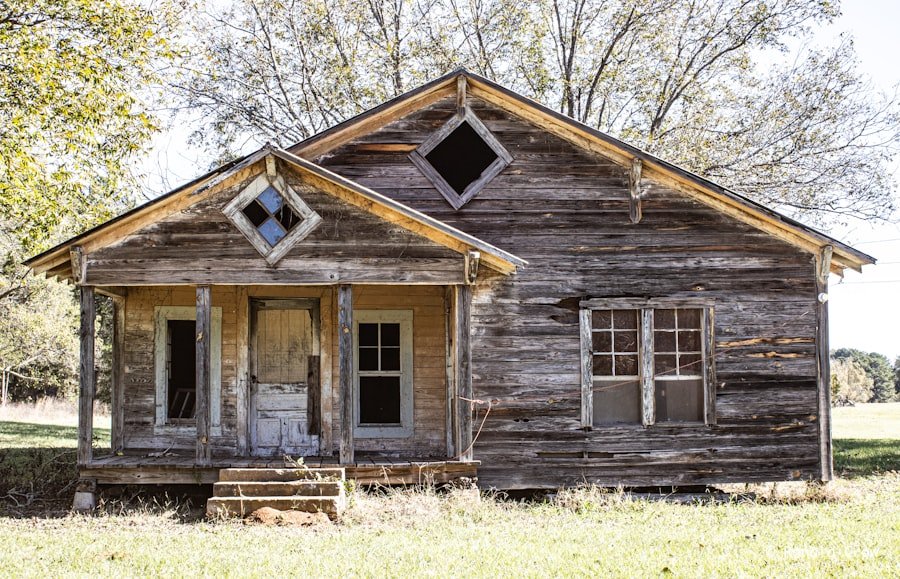
Inspecting bank repossessed homes is a crucial step in the buying process that should not be overlooked. Given that these properties are often sold “as-is,” it is essential to conduct a thorough inspection to identify any underlying issues that may not be immediately visible. Hiring a qualified home inspector with experience in evaluating distressed properties can provide valuable insights into the condition of the home.
During the inspection, buyers should pay close attention to critical areas such as the roof, plumbing, electrical systems, and foundation. Additionally, it is wise to assess any potential safety hazards or code violations that may need addressing before occupancy or resale. By identifying these issues early on, investors can make informed decisions about whether to proceed with the purchase or negotiate repairs with the bank.
Negotiating the Purchase of Bank Repossessed Homes
Negotiating the purchase of bank repossessed homes requires a strategic approach and an understanding of the bank’s motivations. Banks are typically looking to sell these properties quickly and recoup their losses; therefore, they may be open to negotiations on price and terms.
It is also essential to be patient during the negotiation process, as banks may take time to respond to offers or counteroffers. Building rapport with the bank’s representative can also be beneficial; demonstrating seriousness and commitment can help facilitate smoother negotiations. Ultimately, being well-informed and prepared will empower buyers to secure favorable terms on their purchase.
Renovating Bank Repossessed Homes for Profit
Renovating bank repossessed homes presents an opportunity for investors to increase property value significantly and maximize their return on investment. However, successful renovations require careful planning and execution. Investors should begin by creating a detailed renovation budget that outlines all anticipated costs, including materials, labor, permits, and unexpected expenses.
When planning renovations, it is crucial to focus on improvements that will yield the highest return on investment. Upgrades such as kitchen remodels, bathroom renovations, and curb appeal enhancements can significantly increase a property’s market value. Additionally, energy-efficient upgrades can attract environmentally conscious buyers while reducing long-term operating costs for rental properties.
Marketing and Selling Bank Repossessed Homes
Once renovations are complete, effectively marketing and selling bank repossessed homes is essential for achieving maximum profit.
Highlighting key features and improvements made during renovations will help differentiate the property from others on the market.
Leveraging social media platforms and real estate websites can also expand reach and generate interest in the property. Collaborating with a knowledgeable real estate agent who understands the local market dynamics can further enhance marketing efforts. Their expertise in pricing strategies and negotiation tactics will be invaluable in securing favorable offers from prospective buyers.
Legal Considerations When Buying Bank Repossessed Homes
Navigating the legal landscape when purchasing bank repossessed homes is crucial for protecting oneself from potential pitfalls. Buyers should conduct thorough due diligence to ensure there are no outstanding liens or legal issues associated with the property. Engaging a qualified real estate attorney can provide peace of mind by reviewing contracts and ensuring compliance with local laws.
Additionally, understanding the implications of purchasing an “as-is” property is vital. Buyers should be aware that they may be responsible for any repairs or issues discovered after closing unless otherwise negotiated with the bank. Familiarizing oneself with local regulations regarding foreclosures and property transfers will help ensure a smooth transaction process.
Risks and Challenges of Investing in Bank Repossessed Homes
While investing in bank repossessed homes presents numerous opportunities, it is essential to acknowledge the inherent risks and challenges involved in this venture. One significant risk is the potential for hidden problems within the property that may not be apparent during inspections. Investors must be prepared for unexpected repair costs that could impact their overall profitability.
Additionally, fluctuations in the real estate market can pose challenges for investors looking to sell renovated properties at a profit. Economic downturns or shifts in buyer demand may affect resale values and rental rates, leading to potential financial losses. Therefore, conducting thorough market research and having contingency plans in place will help mitigate these risks while maximizing investment success.
In conclusion, investing in bank repossessed homes offers unique opportunities for savvy investors willing to navigate the complexities of this market segment. By understanding the intricacies involved—from finding properties and securing financing to renovating and marketing—investors can position themselves for success while capitalizing on potential savings and long-term gains. With careful planning and informed decision-making, bank repossessed homes can become valuable assets within any real estate portfolio.
If you’re interested in exploring bank repossessed homes for sale in Washington, you might find it helpful to read about the best suburbs for retirees. This article provides insights into various neighborhoods that could be ideal for those looking to settle down in a peaceful environment. You can check it out here: The Best Suburbs for Retirees.
Related reading: Repossessed House Auctions Perth: finding Distressed Propert — a detailed breakdown worth your time.