
A Closer Look at Unlocking the Subdivision Potential in Lockridge
Zoning regulations are the backbone of any property development project, and understanding them is crucial for anyone considering subdivision in Lockridge. These regulations dictate how land can be used, what types of buildings can be constructed, and the density of development allowed in specific areas. In Lockridge, zoning laws are designed to maintain the character of the community while accommodating growth.
Therefore, it is essential to familiarize yourself with the local zoning codes, which can be found through the City of Swan’s planning department or their official website. Moreover, zoning regulations can vary significantly from one area to another within Lockridge. For instance, some zones may allow for higher density residential developments, while others may restrict building heights or require specific setbacks from property lines.
Understanding these nuances not only helps in identifying suitable properties for subdivision but also ensures compliance with local laws, thereby avoiding potential legal issues down the line. Engaging with local planning authorities can provide clarity on any ambiguities and help you navigate the complexities of zoning regulations effectively.
Key Takeaways
- Understanding the zoning regulations in Lockridge is crucial for successful subdivision development.
- Identifying suitable properties for subdivision requires careful consideration of location, size, and zoning restrictions.
- Assessing the market demand for subdivided properties in Lockridge is essential for a profitable development.
- Navigating the permitting and approval process is a complex but necessary step in subdivision development.
- Hiring the right professionals, such as surveyors and real estate agents, is crucial for successful subdivision development.
Identifying Suitable Properties for Subdivision
Once you have a firm grasp of the zoning regulations, the next step is to identify suitable properties for subdivision. This process involves looking for parcels of land that meet the criteria set forth by local zoning laws and have the potential for profitable development. Key factors to consider include the size of the lot, its location, and its proximity to essential amenities such as schools, parks, and public transport.
Properties that are larger than average or those that have been underutilized often present excellent opportunities for subdivision. Additionally, it is vital to assess the physical characteristics of the land itself. Properties with flat terrain are generally easier and more cost-effective to develop than those with steep slopes or other challenging topographies.
Furthermore, consider the existing infrastructure surrounding the property, such as roads and utilities, as these can significantly impact the feasibility of subdivision. By conducting thorough research and analysis, you can identify properties that not only comply with zoning regulations but also offer a strong potential return on investment.
Assessing the Market Demand for Subdivided Properties in Lockridge
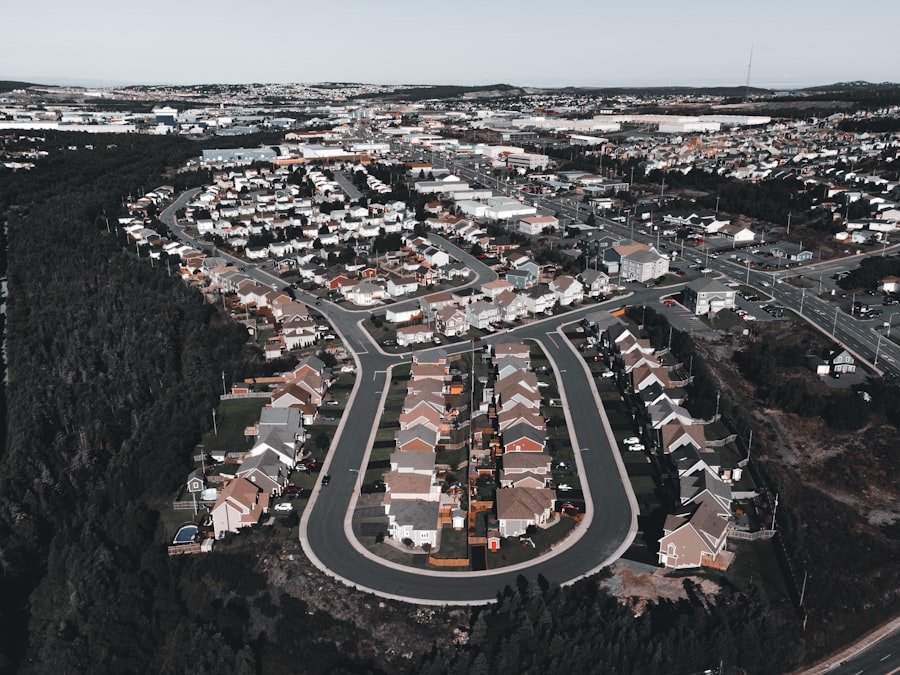
Before diving into subdivision development, it is essential to assess the market demand for subdivided properties in Lockridge. Understanding current market trends will help you gauge whether your investment will yield a profitable return. Start by analyzing recent sales data for subdivided properties in the area, paying close attention to factors such as sale prices, time on the market, and buyer demographics.
This information can provide valuable insights into what types of properties are in demand and what buyers are willing to pay. Additionally, consider engaging with local real estate agents who specialize in the Lockridge market. Their expertise can offer a wealth of information regarding buyer preferences and emerging trends.
For instance, if there is a growing demand for family homes or affordable housing options, this could influence your subdivision plans. By aligning your development strategy with market demand, you can increase your chances of success and ensure that your subdivided properties attract potential buyers.
Navigating the Permitting and Approval Process
| Stage | Timeframe | Key Metrics |
|---|---|---|
| Pre-Application | 1-2 months | Number of required documents |
| Application Review | 3-6 months | Number of revisions requested |
| Public Comment Period | 30-60 days | Number of public comments received |
| Decision Making | 2-4 months | Number of permits approved/denied |
Navigating the permitting and approval process is one of the most critical steps in subdivision development. This process can be complex and time-consuming, often requiring multiple approvals from various government agencies. In Lockridge, developers must submit a subdivision application to the City of Swan’s planning department, which will review it against local zoning regulations and planning policies.
It is essential to prepare a comprehensive application that includes detailed plans and documentation to facilitate a smooth approval process. Moreover, engaging with local authorities early in the process can help identify any potential issues that may arise during the review. This proactive approach allows you to address concerns before they become significant roadblocks.
Additionally, be prepared for public consultation processes where community feedback may be solicited regarding your proposed subdivision. By being transparent and open to feedback, you can foster goodwill within the community and increase the likelihood of receiving approval for your project.
Hiring the Right Professionals for Subdivision Development
The success of your subdivision project largely depends on assembling a team of qualified professionals who can guide you through each stage of development. Hiring experienced architects, surveyors, and town planners is crucial for ensuring that your project meets all regulatory requirements while also being aesthetically pleasing and functional. These professionals bring valuable expertise that can help you navigate complex zoning laws and design effective subdivision layouts.
Additionally, consider hiring a reputable project manager who can oversee the entire development process. A project manager will coordinate between various stakeholders, manage timelines, and ensure that budgets are adhered to throughout the project lifecycle. By investing in skilled professionals, you not only enhance the quality of your development but also mitigate risks associated with mismanagement or non-compliance with regulations.
Maximizing the Use of Available Space for Subdivision
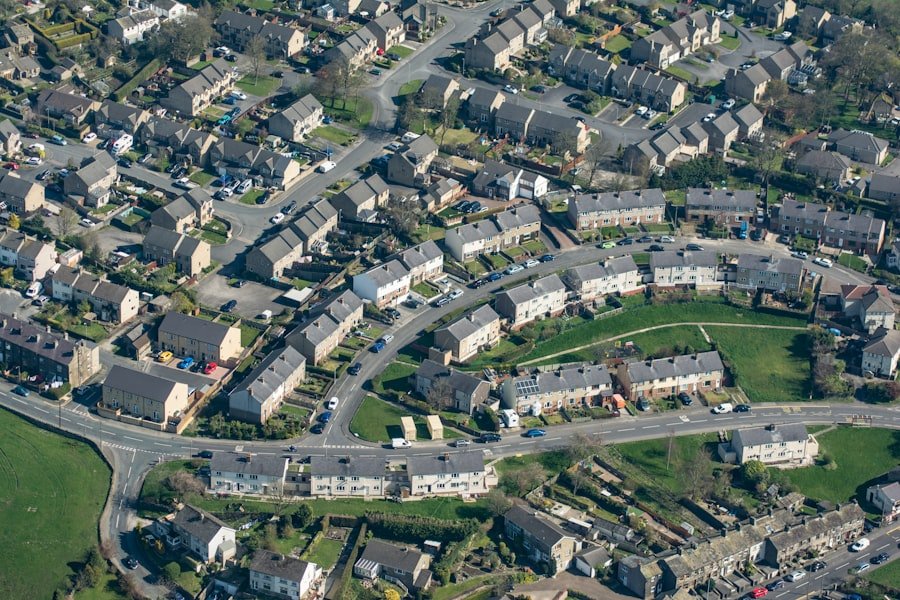
Maximizing the use of available space is a critical aspect of successful subdivision development. Efficient land use not only increases the number of lots available for sale but also enhances the overall appeal of your development. When designing your subdivision layout, consider factors such as lot size, orientation, and access to communal spaces like parks or playgrounds.
Thoughtful design can create a sense of community while also ensuring that each lot has adequate privacy and access to natural light. Furthermore, incorporating sustainable practices into your design can add value to your subdivided properties. Features such as green spaces, energy-efficient homes, and environmentally friendly landscaping can attract eco-conscious buyers and set your development apart from others in the market.
By prioritizing both functionality and sustainability in your design approach, you can create a subdivision that appeals to a broad range of potential buyers while maximizing your investment.
Considering Environmental and Infrastructure Factors
When planning a subdivision in Lockridge, it is essential to consider environmental and infrastructure factors that may impact your development. Conducting an environmental assessment can help identify any potential issues related to land use, such as protected habitats or waterway proximity. Understanding these factors allows you to design your subdivision in a way that minimizes environmental impact while complying with local regulations.
Infrastructure considerations are equally important; access to roads, public transport, water supply, sewage systems, and electricity are all critical components that can affect both development feasibility and property value. Engaging with local utility providers early in the planning process can help ensure that necessary services are available or can be extended to your site without significant delays or costs. By taking these factors into account during the planning phase, you can create a well-rounded subdivision that meets both regulatory requirements and community needs.
Creating Appealing Subdivided Properties for Buyers
Creating appealing subdivided properties is essential for attracting potential buyers and achieving successful sales outcomes. The design and layout of each lot should prioritize functionality while also considering aesthetic appeal. Incorporating modern architectural styles and high-quality materials can enhance the attractiveness of your properties and set them apart from competitors in the market.
Additionally, consider offering customizable options for buyers to personalize their homes further. This could include choices in floor plans, finishes, or landscaping options that allow buyers to tailor their new homes to their preferences. By providing flexibility and appealing design features, you can create a desirable product that resonates with prospective buyers and increases demand for your subdivided properties.
Understanding the Financial Implications of Subdivision Development
Subdivision development involves various financial implications that must be carefully considered before embarking on a project. From initial acquisition costs to ongoing expenses such as permits, construction materials, labor, and marketing efforts, understanding these financial aspects is crucial for ensuring profitability. Conducting a thorough financial analysis will help you estimate potential returns on investment while also identifying any risks associated with your project.
Moreover, it is essential to factor in financing options when planning your subdivision development. Whether through traditional bank loans or alternative financing methods such as private investors or crowdfunding platforms, securing adequate funding is vital for maintaining cash flow throughout the project lifecycle. By understanding both costs and financing options upfront, you can make informed decisions that align with your financial goals.
Marketing and Selling Subdivided Properties in Lockridge
Once your subdivision is complete, effective marketing strategies are essential for attracting buyers and achieving successful sales outcomes. Begin by developing a comprehensive marketing plan that outlines your target audience and key selling points for your subdivided properties. Utilize various marketing channels such as social media platforms, real estate websites, local newspapers, and open house events to reach potential buyers effectively.
Additionally, consider collaborating with local real estate agents who have established networks within Lockridge’s property market. Their expertise can help position your subdivided properties favorably among prospective buyers while also providing valuable insights into pricing strategies based on current market conditions. By implementing a well-rounded marketing approach tailored to your target audience’s preferences, you can maximize visibility and drive interest in your subdivided properties.
Navigating Potential Challenges and Pitfalls in Subdivision Development
Subdivision development is not without its challenges; being aware of potential pitfalls can help you navigate them effectively throughout your project journey. Common challenges include delays in obtaining permits or approvals due to regulatory hurdles or community opposition; these issues can significantly impact timelines and budgets if not managed proactively. Additionally, fluctuations in market demand or economic conditions may affect property values during development; staying informed about market trends will allow you to adjust your strategy accordingly if necessary.
By anticipating challenges ahead of time and developing contingency plans to address them promptly when they arise, you can mitigate risks associated with subdivision development while increasing your chances of success in Lockridge’s competitive real estate market.
If you’re interested in exploring more about subdivision potential in the area, you might want to check out a related article on Carnac Court, Gosnells, WA 6110.
Understanding the dynamics in Gosnells can offer valuable perspectives for those considering similar ventures in Lockridge.
Related reading: Expert Residential Property Managers in East Victoria Park, WA 6101, Expert Business Property Management in East Victoria Park, WA 6101 and Effective Residential Property Management Solutions in Carlisle WA 610. These guides go deeper on the topics that matter most to property management readers.