
What You Need to Know About Routine Inspection Keeps Lockridge Safe
Routine inspections are a cornerstone of effective property management, serving as a proactive measure to ensure that properties remain in optimal condition. These inspections not only help in identifying maintenance issues before they escalate into costly repairs but also play a crucial role in safeguarding the value of the property. By regularly assessing the state of a property, managers can ensure that it meets the expectations of tenants and complies with local regulations.
This diligence fosters a sense of trust and reliability between property owners and tenants, ultimately leading to higher tenant satisfaction and retention rates. Moreover, routine inspections are essential for maintaining safety standards within a property.
By addressing these issues promptly, property managers not only protect the well-being of tenants but also mitigate the risk of legal liabilities for property owners. In an era where tenant rights are increasingly emphasized, routine inspections serve as a vital tool in demonstrating a commitment to safety and quality living conditions.
Key Takeaways
- Routine inspections are important for maintaining a safe and hazard-free environment in any setting.
- Types of inspections include visual inspections, equipment inspections, and environmental inspections, among others.
- The frequency of inspections should be determined based on the specific needs and risks of the environment being inspected.
- Inspection procedures should be thorough and systematic, covering all potential hazards and safety concerns.
- Identifying potential hazards is crucial in preventing accidents and ensuring a safe environment for all.
Types of Inspections
There are several types of inspections that property managers can conduct, each serving a specific purpose in maintaining the integrity of the property. The most common type is the routine inspection, which typically occurs every few months and focuses on the overall condition of the property. During these inspections, property managers assess the state of appliances, plumbing, electrical systems, and general cleanliness.
This comprehensive approach ensures that any minor issues are addressed before they develop into significant problems. Another important type of inspection is the move-in and move-out inspection. These inspections are critical for documenting the condition of a property at the beginning and end of a tenancy.
By meticulously recording any existing damage or wear and tear, property managers can ensure that tenants are held accountable for any damages incurred during their stay. This not only protects the interests of property owners but also promotes fairness in the rental process. Additionally, periodic safety inspections are essential for ensuring compliance with local building codes and safety regulations, further emphasizing the importance of a thorough inspection regimen.
Frequency of Inspections

The frequency of inspections can vary based on several factors, including the type of property, tenant behavior, and local regulations. For most residential properties, conducting routine inspections every three to six months is generally considered best practice. This frequency strikes a balance between ensuring that properties are well-maintained while respecting tenants’ privacy and comfort.
However, properties with higher turnover rates or those located in areas prone to environmental challenges may require more frequent inspections to address potential issues proactively. In addition to routine inspections, move-in and move-out inspections should be conducted every time a tenant changes. This ensures that the property is thoroughly assessed for any damages or necessary repairs before new tenants take occupancy.
Furthermore, if any maintenance issues arise between scheduled inspections—such as plumbing leaks or electrical problems—property managers should conduct additional inspections as needed to address these concerns promptly. By tailoring the frequency of inspections to the specific needs of each property, managers can ensure that they maintain high standards of care and attention.
Inspection Procedures
| Inspection Procedure | Frequency | Responsibility |
|---|---|---|
| Visual Inspection | Weekly | Quality Control Team |
| Dimensional Inspection | Monthly | Production Team |
| Material Inspection | As needed | Supply Chain Team |
Establishing clear inspection procedures is vital for ensuring consistency and thoroughness in the inspection process. Property managers should develop a comprehensive checklist that outlines all areas to be inspected, including both interior and exterior components of the property. This checklist serves as a guide during inspections, helping managers to systematically assess each aspect of the property without overlooking critical details.
During an inspection, it is essential for property managers to document their findings meticulously. This documentation should include photographs, notes on any observed issues, and recommendations for necessary repairs or maintenance. By maintaining detailed records, property managers can provide transparency to property owners and tenants alike, fostering trust in their management practices.
Additionally, these records serve as valuable references for future inspections and can be instrumental in resolving disputes over damages or maintenance responsibilities.
Identifying Potential Hazards
One of the primary objectives of routine inspections is to identify potential hazards that could jeopardize tenant safety or lead to costly repairs for property owners. Property managers must be vigilant in assessing various aspects of the property that could pose risks, such as structural integrity, electrical systems, and fire safety measures. For instance, during an inspection, managers should check for signs of water damage or mold growth, which can indicate underlying plumbing issues or inadequate ventilation.
Furthermore, it is crucial to evaluate outdoor areas for potential hazards as well. This includes inspecting walkways for cracks or uneven surfaces that could lead to slips and falls, as well as ensuring that outdoor lighting is functional to prevent accidents after dark. By proactively identifying these hazards during routine inspections, property managers can take immediate action to rectify issues before they escalate into serious problems that could endanger tenants or result in legal liabilities.
Addressing Maintenance Issues
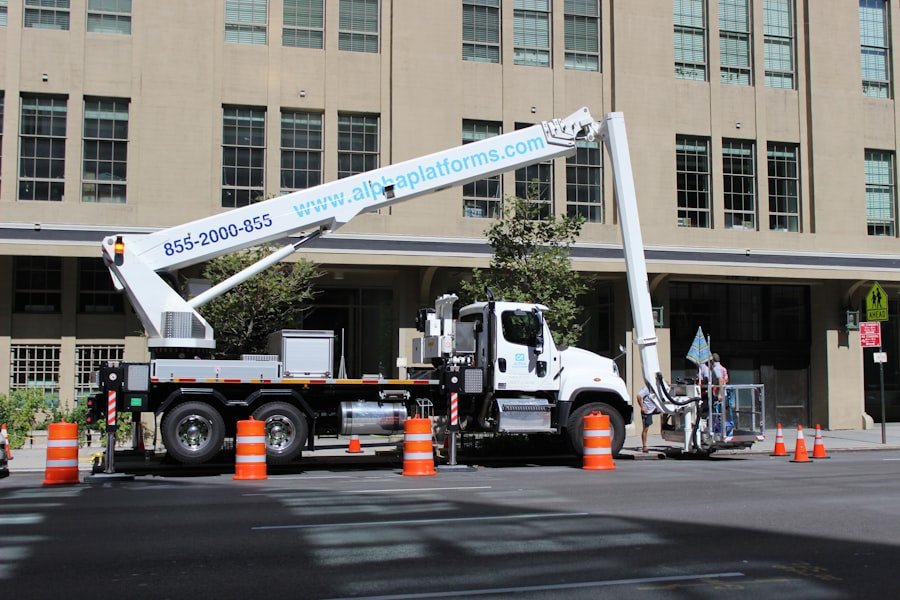
Once potential maintenance issues have been identified during inspections, it is imperative for property managers to address them promptly and effectively. Timely intervention not only prevents minor issues from developing into major repairs but also demonstrates a commitment to maintaining high living standards for tenants. Property managers should prioritize repairs based on urgency and impact on tenant safety and comfort.
In many cases, addressing maintenance issues may involve coordinating with contractors or service providers to ensure that repairs are completed efficiently and to a high standard. Property managers should maintain a network of reliable professionals who can respond quickly to maintenance requests and provide quality workmanship. By fostering strong relationships with these service providers, property managers can streamline the repair process and minimize disruption for tenants.
Ensuring Compliance with Safety Standards
Compliance with safety standards is a critical aspect of property management that cannot be overlooked. Property managers must stay informed about local building codes and safety regulations to ensure that their properties meet all necessary requirements. This includes conducting regular safety inspections to verify that smoke detectors are functional, fire extinguishers are accessible and up-to-date, and that all electrical systems comply with safety standards.
In addition to adhering to local regulations, property managers should also implement best practices for tenant safety. This may involve providing tenants with information on emergency procedures, conducting fire drills, or ensuring that common areas are well-lit and free from hazards. By prioritizing compliance with safety standards and promoting tenant awareness, property managers can create a secure living environment that fosters peace of mind for both tenants and property owners.
Training and Education for Inspectors
To ensure that inspections are conducted effectively and consistently, it is essential for property management companies to invest in training and education for their inspectors. Well-trained inspectors possess the knowledge and skills necessary to identify potential issues accurately and assess properties comprehensively. Ongoing education also helps inspectors stay current with industry trends, changes in regulations, and advancements in technology that can enhance the inspection process.
Training programs should cover various aspects of property management, including safety standards, maintenance best practices, and effective communication with tenants. By equipping inspectors with this knowledge, property management companies can enhance their overall service quality and ensure that inspections are conducted with professionalism and expertise. Furthermore, fostering a culture of continuous learning within the organization encourages inspectors to take pride in their work and strive for excellence in every inspection they conduct.
Collaboration with Local Authorities
Collaboration with local authorities is an essential component of effective property management and routine inspections. Property managers should establish relationships with local building inspectors, fire marshals, and other relevant agencies to stay informed about changes in regulations and best practices within the community. This collaboration not only enhances compliance efforts but also provides valuable resources for addressing potential issues.
Additionally, engaging with local authorities can facilitate access to training programs or workshops focused on safety standards and property management practices. By participating in these initiatives, property managers can further enhance their knowledge base while demonstrating their commitment to maintaining high standards within their properties. Ultimately, collaboration with local authorities strengthens the overall effectiveness of routine inspections and contributes to safer living environments for tenants.
Reporting and Record-Keeping
Effective reporting and record-keeping are vital components of successful property management practices. After each inspection, property managers should compile detailed reports outlining their findings, including any identified issues or recommended actions. These reports serve as essential documentation for both property owners and tenants, providing transparency regarding the property’s condition.
In addition to individual inspection reports, maintaining comprehensive records over time allows property managers to track trends in maintenance needs or recurring issues within a property. This data-driven approach enables them to make informed decisions about long-term maintenance strategies and budget planning. Furthermore, having organized records readily available can be invaluable in resolving disputes or addressing tenant concerns regarding maintenance responsibilities.
Continuous Improvement and Feedback
Continuous improvement is a fundamental principle in effective property management practices. Property managers should regularly seek feedback from tenants regarding their experiences during inspections and overall satisfaction with maintenance services. This feedback provides valuable insights into areas where improvements can be made and helps identify any gaps in service delivery.
Incorporating tenant feedback into inspection processes allows property managers to adapt their practices based on real-world experiences. Additionally, conducting periodic reviews of inspection procedures ensures that they remain relevant and effective in addressing evolving needs within the rental market. By fostering a culture of continuous improvement through feedback mechanisms and regular evaluations, property management companies can enhance their service quality while building stronger relationships with tenants and property owners alike.
In conclusion, routine inspections play an indispensable role in effective property management by ensuring properties remain safe, well-maintained, and compliant with regulations. Through diligent inspection procedures, proactive hazard identification, timely maintenance responses, collaboration with local authorities, thorough reporting practices, and a commitment to continuous improvement, property managers can deliver exceptional service while maximizing tenant satisfaction and protecting property value.
In the context of routine inspections in Lockridge, it’s essential to understand the broader dynamics of the Perth real estate market. For those interested in the potential of investing in this area, the article “Why You Should Invest in Perth’s Real Estate Market: The Ultimate Property Market Forecast 2024” provides valuable insights. This piece offers a comprehensive forecast of the property market, highlighting key trends and opportunities that could influence investment decisions in Lockridge and surrounding suburbs. Understanding these market dynamics can help property owners and investors make informed decisions about their real estate strategies.
Curious about property management? Start with Top Real Estate Tips for Sellers and future of property management huntingdale.