
How Capturing Langford: Stunning Property Photography Affects You
In the competitive world of real estate, first impressions are everything. Property photography serves as the initial gateway for potential buyers or renters to engage with a listing. High-quality images can make a significant difference in attracting interest and generating leads.
In an era where online listings dominate the market, the visual representation of a property can either captivate or deter prospective clients. A well-executed photo can evoke emotions, create a narrative, and ultimately influence a buyer’s decision-making process. Therefore, investing in professional property photography is not just an option; it is a necessity for anyone looking to sell or rent a property effectively.
Moreover, property photography plays a crucial role in establishing credibility and professionalism. Listings adorned with stunning images signal to potential clients that the seller or agent values quality and attention to detail. This perception can enhance trust and encourage prospective buyers to take the next step, whether that be scheduling a viewing or making an offer.
In contrast, poorly lit or amateurish photos can lead to skepticism and missed opportunities. Thus, the importance of property photography cannot be overstated; it is an essential tool in the arsenal of real estate marketing that can significantly impact the success of a sale or rental.
Key Takeaways
- Property photography is crucial for attracting potential buyers and creating a positive first impression of a property.
- Choosing the right equipment, such as a wide-angle lens and a tripod, is essential for capturing high-quality property photos.
- Understanding lighting and composition is key to creating visually appealing property photos that highlight the property’s best features.
- When capturing the exterior of a property, consider the time of day, use natural light, and showcase the property’s curb appeal.
- When capturing the interior of a property, declutter the space, use natural light, and highlight the unique features and selling points of the property.
- Using editing software can enhance property photos by adjusting lighting, color, and composition to make the property more visually appealing.
- Showcasing the unique features of a property, such as architectural details or a stunning view, can make the property stand out to potential buyers.
- Creating a sense of space and depth in property photos can make the property feel more inviting and spacious to potential buyers.
- Capturing the ambiance and atmosphere of a property, such as cozy lighting or a welcoming outdoor space, can help potential buyers envision themselves living there.
- Utilizing drones for aerial property photography can provide a unique perspective and showcase the property’s surroundings, such as a large backyard or proximity to amenities.
- Property photography plays a crucial role in real estate marketing by creating a strong visual impact and attracting potential buyers to the property.
Choosing the Right Equipment for Property Photography
Selecting the appropriate equipment is fundamental to achieving high-quality property photographs.
A DSLR or mirrorless camera equipped with a wide-angle lens is ideal for capturing expansive spaces and ensuring that every corner of a room is visible. This choice of equipment allows photographers to showcase properties in their best light, literally and figuratively. In addition to the camera, other accessories can enhance the quality of property photography.
A sturdy tripod is indispensable for stabilizing shots, particularly in low-light conditions or when using longer exposure times. This stability ensures that images are sharp and free from motion blur. Additionally, external flash units or reflectors can help illuminate darker areas of a property, creating a balanced exposure throughout the image.
Investing in quality equipment not only improves the final product but also demonstrates a commitment to professionalism that can resonate with potential clients.
Understanding Lighting and Composition for Property Photography
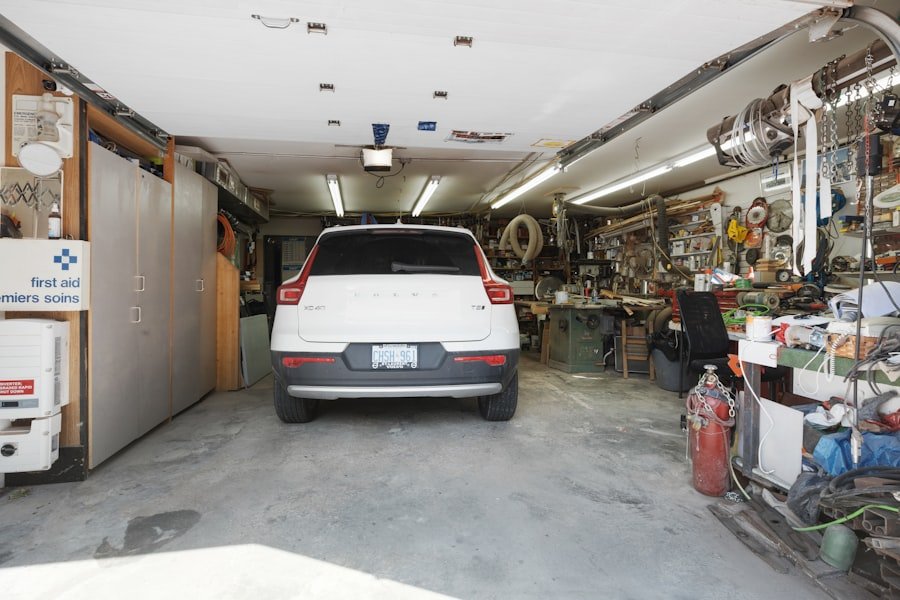
Lighting is one of the most critical elements in property photography, as it can dramatically alter the mood and perception of a space. Natural light is often preferred for its ability to create warmth and depth in images. Photographers should aim to shoot during the golden hours—early morning or late afternoon—when sunlight is soft and diffused.
This approach helps to avoid harsh shadows and overly bright spots that can detract from the overall appeal of a property. Additionally, understanding how to manipulate artificial lighting can be beneficial for interior shots, where natural light may be limited. Composition is equally important in property photography.
The rule of thirds is a fundamental guideline that can help create visually appealing images by dividing the frame into nine equal sections and placing key elements along these lines or at their intersections. This technique draws the viewer’s eye into the photograph and creates a sense of balance. Furthermore, incorporating leading lines—such as hallways or staircases—can guide the viewer’s gaze through the image, enhancing their experience and engagement with the space.
By mastering both lighting and composition, photographers can create stunning visuals that effectively showcase properties.
Tips for Capturing the Exterior of a Property
| Aspect | Tips |
|---|---|
| Lighting | Shoot during the golden hour for warm, soft light |
| Angles | Experiment with different angles to capture the best view of the property |
| Composition | Frame the property with natural elements for a more appealing shot |
| Details | Highlight unique architectural features or landscaping |
| Weather | Avoid shooting in harsh sunlight or bad weather conditions |
When photographing the exterior of a property, it is essential to consider the time of day and weather conditions. Shooting during overcast days can provide soft lighting that reduces harsh shadows and highlights architectural details without overwhelming brightness. Additionally, capturing images from various angles allows potential buyers to appreciate the property’s full scope and character.
A wide shot that includes surrounding landscaping can provide context and enhance curb appeal, while close-ups of unique architectural features can highlight craftsmanship. Another effective strategy is to include lifestyle elements in exterior shots. For instance, staging outdoor spaces with furniture or decor can help potential buyers envision themselves enjoying those areas.
Including people in exterior shots can also add a sense of scale and liveliness to the images. By capturing not just the property itself but also its surroundings and potential uses, photographers can create compelling visuals that resonate with prospective buyers.
Tips for Capturing the Interior of a Property
Interior photography requires careful attention to detail and an understanding of how to best represent each room’s unique characteristics. One effective technique is to shoot from the corners of rooms rather than straight on; this approach allows for a wider perspective and captures more of the space in one frame. Additionally, decluttering and staging rooms before shooting can significantly enhance their appeal.
A clean, organized space allows potential buyers to visualize their own belongings within the home. Utilizing various angles and perspectives can also add depth to interior shots. For example, capturing both wide-angle shots that showcase entire rooms and tighter shots that focus on specific features—such as fireplaces or built-in shelving—can create a comprehensive visual narrative of the property.
Furthermore, paying attention to details like textures, colors, and furnishings can help convey the ambiance of each space, making it more inviting to potential buyers.
Using Editing Software to Enhance Property Photos
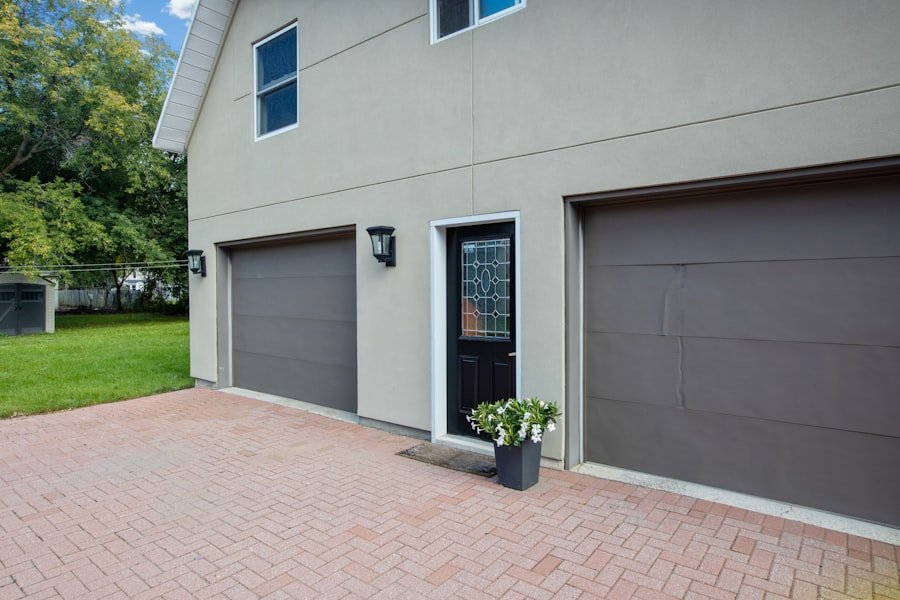
Post-processing is an integral part of property photography that allows photographers to refine their images further. Editing software such as Adobe Lightroom or Photoshop provides tools for adjusting exposure, contrast, saturation, and sharpness, enabling photographers to enhance their images while maintaining realism. It is essential to strike a balance between enhancing an image and ensuring it accurately represents the property; overly edited photos can lead to disappointment during viewings.
Additionally, editing software allows for corrections such as lens distortion removal or perspective adjustments, which can be particularly useful when working with wide-angle lenses. These adjustments help create polished images that reflect professionalism and attention to detail. By investing time in post-processing, photographers can elevate their work and produce stunning visuals that stand out in a crowded market.
Showcasing the Unique Features of a Property
Every property has its unique selling points—be it an exquisite kitchen, luxurious bathroom, or stunning outdoor space—and it is crucial for photographers to highlight these features effectively. Close-up shots that focus on high-end appliances, intricate tile work, or custom cabinetry can draw attention to quality craftsmanship and design choices that set a property apart from others on the market. By showcasing these unique elements, photographers can create a narrative that resonates with potential buyers.
In addition to individual features, capturing how these elements work together within the overall design of the home is essential. For instance, photographing an open-concept living area that flows seamlessly into a gourmet kitchen can illustrate how spaces interact and enhance daily living experiences. By telling a cohesive story through imagery, photographers can help potential buyers envision themselves living in and enjoying the property.
Creating a Sense of Space and Depth in Property Photos
Creating a sense of space and depth in property photos is vital for helping potential buyers understand the layout and flow of a home. Wide-angle lenses are often employed for this purpose; they allow photographers to capture more of a room while maintaining proportions that feel natural. However, it is essential to use these lenses judiciously; excessive distortion can misrepresent spaces and lead to buyer disappointment.
Incorporating foreground elements into compositions can also enhance depth perception in photographs. For example, including furniture or decor items in the foreground while focusing on deeper elements of a room creates layers within an image that draw viewers in. This technique not only adds visual interest but also helps potential buyers better understand how they might navigate through spaces within the home.
Capturing the Ambiance and Atmosphere of a Property
The ambiance of a property plays a significant role in how it is perceived by potential buyers. Photographers should aim to capture not just the physical attributes of a space but also its emotional resonance. This can be achieved through careful consideration of lighting, color palettes, and staging elements that evoke warmth and comfort.
For instance, using soft lighting during twilight hours can create an inviting atmosphere that encourages viewers to imagine themselves living in the space. Additionally, incorporating lifestyle elements into photographs—such as fresh flowers on a dining table or cozy throws on sofas—can further enhance the sense of warmth and livability within a home. By creating images that evoke feelings rather than just showcasing features, photographers can connect with potential buyers on an emotional level, making them more likely to envision themselves in the property.
Utilizing Drones for Aerial Property Photography
Aerial photography has become increasingly popular in real estate marketing due to its ability to provide unique perspectives on properties and their surroundings. Drones allow photographers to capture stunning overhead shots that showcase not only the property itself but also its proximity to amenities such as parks, schools, or waterfronts. This bird’s-eye view can be particularly advantageous for larger properties or those with expansive outdoor spaces.
When utilizing drones for aerial photography, it is essential to adhere to local regulations regarding drone usage and ensure safety protocols are followed during flights. Additionally, capturing aerial shots during optimal lighting conditions—such as golden hour—can enhance visual appeal and create striking images that stand out in listings. By incorporating drone photography into their repertoire, real estate professionals can offer clients an innovative way to showcase properties.
The Role of Property Photography in Real Estate Marketing
Property photography serves as a cornerstone of effective real estate marketing strategies. High-quality images not only attract potential buyers but also enhance online listings’ visibility across various platforms. In an age where consumers are inundated with information, captivating visuals are essential for cutting through the noise and capturing attention.
Furthermore, professional property photography contributes significantly to branding efforts for real estate agents and agencies alike. Consistently high-quality imagery reinforces an agent’s reputation for excellence while establishing trust with clients seeking representation in buying or selling properties. As such, investing in professional property photography is not merely an expense; it is an investment in long-term success within the competitive real estate market.
In conclusion, mastering property photography involves understanding various technical aspects while also tapping into creativity and emotional resonance. From choosing the right equipment to utilizing editing software effectively, each step plays a vital role in producing stunning visuals that resonate with potential buyers. By prioritizing high-quality imagery as part of their marketing strategies, real estate professionals can significantly enhance their chances of success in today’s dynamic market landscape.
If you’re interested in enhancing your property’s appeal through professional photography, you might also want to explore how property management services can elevate your real estate experience. A related article that delves into this topic is available on Smart Realty’s website. It discusses the comprehensive property management services offered in Thornlie, which can complement your property’s visual presentation by ensuring it is well-maintained and appealing to potential buyers or renters. For more insights, check out the article on elevating property management services in Thornlie.