
Key Facts About Exploring Langford’s Promising Future Growth Areas
Langford, a vibrant suburb located in the City of Armadale, Western Australia, has emerged as a focal point for growth and development in recent years.
The suburb’s growth areas are not just about expanding residential spaces; they encompass a holistic approach to urban development that prioritizes sustainability, accessibility, and community well-being.
As Langford continues to evolve, it presents a unique opportunity for stakeholders to engage in shaping its future. The growth areas in Langford are characterized by a blend of residential, commercial, and recreational developments that cater to the needs of a diverse population. This dynamic environment is attracting families, young professionals, and retirees who are looking for a balanced lifestyle that combines urban convenience with suburban tranquility.
As the demand for housing increases, Langford’s growth areas are becoming increasingly relevant in discussions about urban planning and community development. The potential for economic growth, improved infrastructure, and enhanced quality of life makes Langford an exciting place to watch in the coming years.
Key Takeaways
- Langford’s growth areas offer promising opportunities for development and economic growth.
- Current development and infrastructure in Langford are well-positioned to support future growth.
- Potential growth areas in Langford include areas with underutilized land and opportunities for redevelopment.
- Transportation and accessibility in Langford are key considerations for future development and growth.
- Economic opportunities in Langford’s growth areas include potential for job creation and increased investment.
Current Development and Infrastructure in Langford
Langford has seen significant investment in infrastructure and development over the past decade, transforming it into a thriving community hub. The local government has prioritized upgrading essential services such as roads, public transport, and utilities to support the growing population. Recent projects have included the expansion of public transport routes, improvements to road networks, and the establishment of new parks and recreational facilities.
These developments not only enhance the quality of life for residents but also attract new businesses and investors to the area. Moreover, the current development landscape in Langford is marked by a mix of residential housing options that cater to various demographics. From affordable housing projects to modern townhouses and family homes, the suburb is evolving to meet the diverse needs of its residents.
The integration of green spaces within these developments reflects a commitment to sustainability and environmental stewardship. As Langford continues to grow, the focus on creating a well-connected and accessible community remains paramount.
Potential Growth Areas in Langford

As Langford continues to expand, several potential growth areas have been identified that promise to further enhance the suburb’s appeal. One such area is the vicinity surrounding the Langford Village Shopping Centre, which serves as a commercial hub for residents. The potential for mixed-use developments in this area could create a vibrant atmosphere where shopping, dining, and living coexist harmoniously.
By encouraging businesses to set up shop alongside residential units, Langford can foster a sense of community while providing residents with convenient access to essential services. Another promising growth area lies along the major transport corridors that traverse Langford. These corridors present opportunities for higher-density housing developments that can accommodate the increasing population while maintaining accessibility to public transport.
By strategically planning these growth areas, Langford can ensure that new developments are integrated into the existing urban fabric, promoting connectivity and reducing reliance on private vehicles. This approach not only supports sustainable living but also enhances the overall attractiveness of the suburb.
Transportation and Accessibility in Langford
| Transportation and Accessibility in Langford | |
|---|---|
| Population | 35,342 |
| Number of Vehicles | 18,245 |
| Public Transit Ridership | 2,500 daily |
| Number of Bus Routes | 8 |
| Number of Bike Lanes | 15 miles |
Transportation and accessibility are critical components of any growing suburb, and Langford is no exception.
Bus services operate frequently, providing convenient access to nearby train stations and major employment hubs.
As Langford continues to develop, there is an opportunity to enhance these transport links further, ensuring that residents can easily navigate their surroundings without relying solely on cars. In addition to public transport, Langford’s road infrastructure is being upgraded to accommodate increased traffic flow resulting from population growth. The local government is investing in road improvements and expansions that will facilitate smoother commutes for residents.
Furthermore, pedestrian-friendly initiatives are being introduced to encourage walking and cycling within the suburb. By prioritizing transportation and accessibility, Langford is positioning itself as a forward-thinking community that values connectivity and mobility for all its residents.
Economic Opportunities in Langford’s Growth Areas
The economic landscape in Langford’s growth areas is ripe with opportunities for both established businesses and entrepreneurs looking to make their mark. The influx of new residents creates a demand for goods and services, providing local businesses with a larger customer base. This economic potential is further amplified by the ongoing development projects that attract investment and create jobs within the community.
Langford’s strategic location also plays a significant role in its economic prospects. With easy access to major highways and proximity to Perth’s central business district, businesses operating in Langford can benefit from increased visibility and accessibility. The local government is actively working to create an environment conducive to business growth by offering incentives for new enterprises and supporting existing businesses through various initiatives.
As economic opportunities continue to expand in Langford’s growth areas, the suburb is set to become a thriving economic hub in its own right.
Environmental Considerations in Langford’s Growth Areas
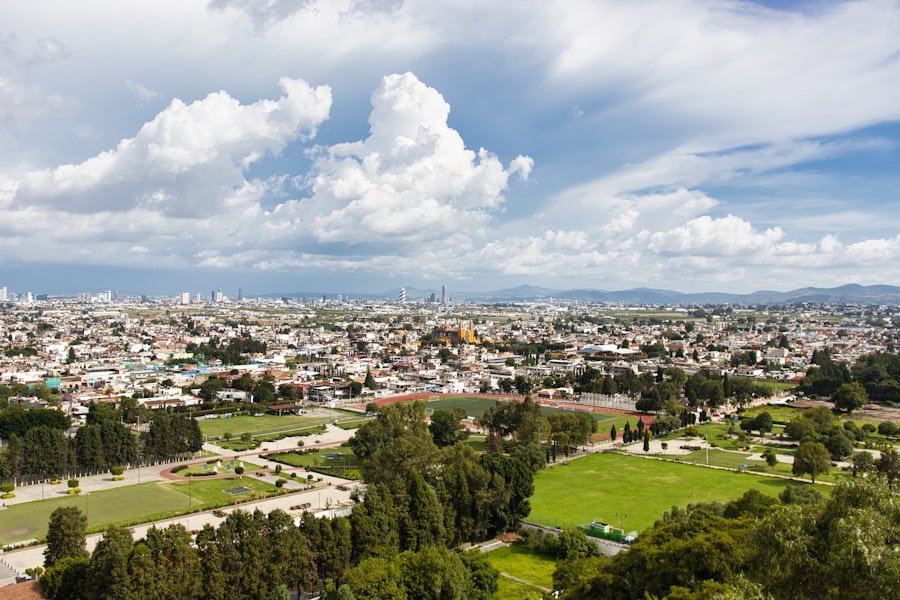
As Langford embarks on its journey of growth and development, environmental considerations are at the forefront of planning efforts. The local government recognizes the importance of preserving natural resources and promoting sustainable practices within the community. Initiatives aimed at protecting green spaces, enhancing biodiversity, and reducing carbon footprints are being integrated into development plans.
One notable aspect of Langford’s environmental strategy is the emphasis on creating green corridors that connect parks and natural reserves throughout the suburb. These corridors not only provide recreational opportunities for residents but also serve as vital habitats for local wildlife. Additionally, sustainable building practices are being encouraged among developers to minimize environmental impact while maximizing energy efficiency.
By prioritizing environmental considerations in its growth areas, Langford is setting an example for responsible urban development.
Community Services and Amenities in Langford’s Growth Areas
A thriving community is built on access to essential services and amenities, and Langford excels in this regard. The suburb boasts a range of facilities that cater to the diverse needs of its residents, including schools, healthcare centers, recreational facilities, and shopping options. The presence of quality educational institutions ensures that families have access to excellent learning opportunities for their children.
Moreover, community services such as libraries, community centers, and sports clubs foster social interaction and engagement among residents. These amenities contribute to a strong sense of belonging within the community, making Langford an attractive place to live for individuals and families alike. As new developments emerge in growth areas, there is an opportunity to further enhance these services and amenities, ensuring that they remain accessible and relevant to the evolving needs of the population.
Challenges and Opportunities for Development in Langford
While Langford’s growth areas present numerous opportunities for development, they are not without challenges. One significant challenge is balancing the need for increased housing density with preserving the character of existing neighborhoods. As new developments are proposed, it is essential for stakeholders to engage with the community to ensure that their voices are heard and considered in decision-making processes.
Another challenge lies in managing infrastructure demands as population growth accelerates. Ensuring that roads, public transport systems, and essential services can keep pace with development requires careful planning and investment from both local government and private developers. However, these challenges also present opportunities for innovation and collaboration among stakeholders.
By working together to address these issues proactively, Langford can create a sustainable future that benefits all residents.
Future Development Plans and Initiatives in Langford
Looking ahead, Langford has ambitious plans for future development that align with its vision for sustainable growth. The local government is actively engaging with urban planners and community members to create comprehensive development strategies that prioritize livability and environmental stewardship. These plans include initiatives aimed at enhancing public transport options, expanding green spaces, and promoting mixed-use developments that foster vibrant communities.
Additionally, there is a focus on attracting investment into key sectors such as technology, retail, and hospitality. By creating an environment conducive to business growth, Langford aims to diversify its economy while providing job opportunities for residents. Future development initiatives will also emphasize community engagement, ensuring that residents have a voice in shaping their neighborhood’s future.
Stakeholder Involvement in Langford’s Growth Areas
Stakeholder involvement is crucial in shaping the future of Langford’s growth areas. The local government recognizes the importance of engaging with residents, businesses, developers, and community organizations throughout the planning process. By fostering open communication channels and encouraging collaboration among stakeholders, Langford can create development plans that reflect the needs and aspirations of its diverse population.
Community consultations play a vital role in this process by allowing residents to share their insights and concerns regarding proposed developments. This participatory approach not only builds trust between stakeholders but also ensures that decisions are made with a comprehensive understanding of community dynamics. As stakeholder involvement continues to be prioritized in Langford’s growth areas, the suburb can cultivate a sense of ownership among residents while creating spaces that truly reflect their values.
The Promising Future of Langford’s Growth Areas
In conclusion, Langford’s growth areas represent a promising future filled with potential for residents, businesses, and investors alike. With ongoing investments in infrastructure, transportation accessibility, economic opportunities, environmental considerations, community services, and stakeholder involvement, Langford is well-positioned to thrive as it evolves into a vibrant urban center. As development continues apace, it is essential for all stakeholders—government officials, developers, businesses, and residents—to work collaboratively towards a shared vision for Langford’s future.
By embracing innovation while honoring community values, Langford can create an inclusive environment where everyone can flourish. The journey ahead may present challenges; however, with commitment and collaboration at its core, Langford’s growth areas will undoubtedly emerge as a model for sustainable urban development in Western Australia.
Langford is poised for significant future growth, with various development projects and community enhancements on the horizon. A related article that provides insight into similar growth areas can be found in the context of Gosnells, WA. For instance, the development at Chilham Place in Gosnells highlights the potential for residential expansion and infrastructure improvements that could serve as a model for Langford’s future. This article discusses the strategic planning and community benefits that accompany such developments, offering a glimpse into how Langford might evolve in the coming years.