
How Maximizing Energy Efficiency in Como WA Rental Properties Affects You
Energy efficiency has become a critical consideration in the management of rental properties, particularly in today’s environmentally conscious society. As energy costs continue to rise, both landlords and tenants are increasingly aware of the financial implications of energy consumption. For property owners, investing in energy-efficient upgrades not only enhances the value of their assets but also attracts a broader pool of potential tenants who prioritize sustainability.
Moreover, energy-efficient properties often command higher rental prices, as tenants are willing to pay a premium for lower utility bills and a reduced carbon footprint. In addition to financial benefits, energy efficiency plays a significant role in promoting environmental sustainability. By reducing energy consumption, rental properties contribute to lower greenhouse gas emissions, which is essential in combating climate change.
This commitment to sustainability can enhance a property owner’s reputation and align with the values of eco-conscious tenants. Ultimately, understanding the importance of energy efficiency is not just about compliance with regulations; it is about creating a win-win situation for both landlords and tenants while contributing positively to the environment.
Key Takeaways
- Energy efficiency in rental properties is important for reducing costs and environmental impact.
- Assess current energy usage to identify areas for improvement in Como WA rental properties.
- Identify and implement energy-efficient upgrades and improvements to reduce energy consumption.
- Implement energy-efficient appliances and fixtures to further reduce energy usage in rental properties.
- Utilize renewable energy sources to further reduce environmental impact and energy costs in rental properties.
Assessing Current Energy Usage in Como WA Rental Properties
Before embarking on any energy efficiency initiatives, it is crucial for property owners to assess the current energy usage of their rental properties in Como, WThis assessment serves as a baseline for understanding where improvements can be made and helps identify specific areas of high energy consumption. Property owners can begin by reviewing utility bills over the past year to identify trends and peak usage periods. Additionally, conducting an energy audit can provide valuable insights into how energy is being used within the property.
An energy audit typically involves a thorough examination of the property’s heating, cooling, and electrical systems, as well as an evaluation of insulation and windows. Professional auditors can use specialized tools to measure energy loss and identify inefficiencies that may not be immediately apparent. By understanding current energy usage patterns, property owners can make informed decisions about which upgrades will yield the most significant benefits, ultimately leading to enhanced tenant satisfaction and increased property value.
Identifying Energy-Efficient Upgrades and Improvements
Once property owners have assessed their current energy usage, the next step is to identify potential energy-efficient upgrades and improvements. There are numerous options available that can significantly reduce energy consumption while enhancing the overall comfort of the rental property. Common upgrades include installing energy-efficient windows, upgrading insulation, and replacing outdated heating and cooling systems with modern, high-efficiency models.
In addition to these larger-scale improvements, property owners should also consider smaller upgrades that can have a substantial impact on energy efficiency. For instance, switching to LED lighting throughout the property can reduce electricity usage significantly. Similarly, installing low-flow fixtures in bathrooms and kitchens can decrease water heating costs while promoting water conservation.
By taking a comprehensive approach to identifying energy-efficient upgrades, property owners can create a more sustainable living environment that appeals to eco-conscious tenants.
Implementing Energy-Efficient Appliances and Fixtures
| Appliance/Fixture | Energy Efficiency Rating | Energy Consumption (kWh/year) | Cost Savings per year |
|---|---|---|---|
| Refrigerator | Energy Star certified | 350 | 100 |
| Washing Machine | Energy Star certified | 150 | 50 |
| Dishwasher | Energy Star certified | 300 | 80 |
| Light Bulbs | LED | 10 per bulb | 20 per bulb |
One of the most effective ways to enhance energy efficiency in rental properties is by implementing energy-efficient appliances and fixtures. When it comes to appliances, landlords should prioritize those that have earned the ENERGY STAR label, which signifies that they meet strict energy efficiency guidelines set by the U.S. Environmental Protection Agency. These appliances not only consume less energy but also tend to have longer lifespans, reducing replacement costs over time. In addition to appliances, landlords should consider upgrading fixtures such as faucets, showerheads, and thermostats. Smart thermostats, for example, allow tenants to control their heating and cooling systems more efficiently, leading to reduced energy consumption. By investing in these modern technologies, property owners can create a more appealing living space while simultaneously lowering operating costs. The implementation of energy-efficient appliances and fixtures is a proactive step toward achieving long-term sustainability goals.
Utilizing Renewable Energy Sources in Rental Properties
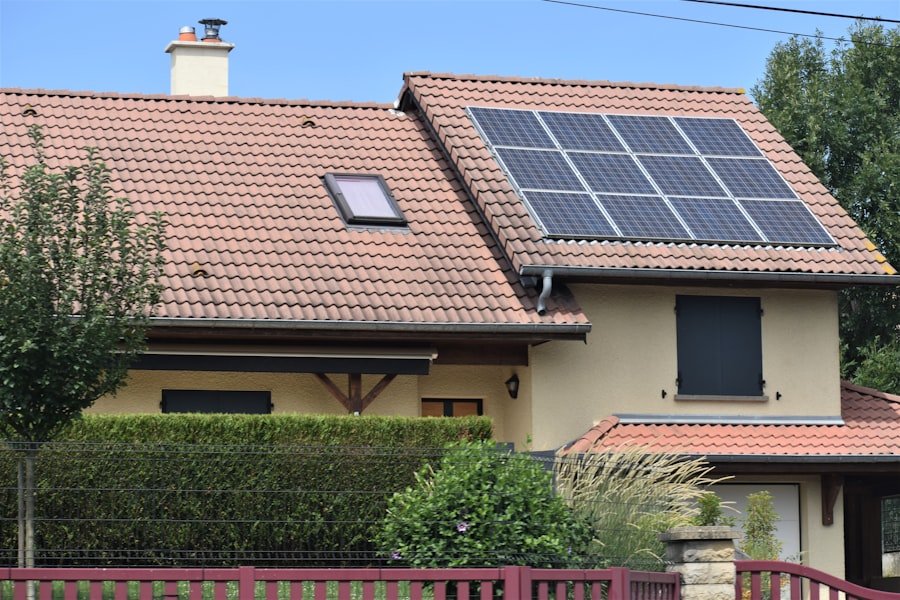
Incorporating renewable energy sources into rental properties is an innovative way to enhance energy efficiency while reducing reliance on traditional fossil fuels. Solar panels are one of the most popular options for property owners looking to harness renewable energy. By installing solar panels on rooftops, landlords can generate clean electricity that can be used to power common areas or even individual units, significantly lowering utility costs for tenants.
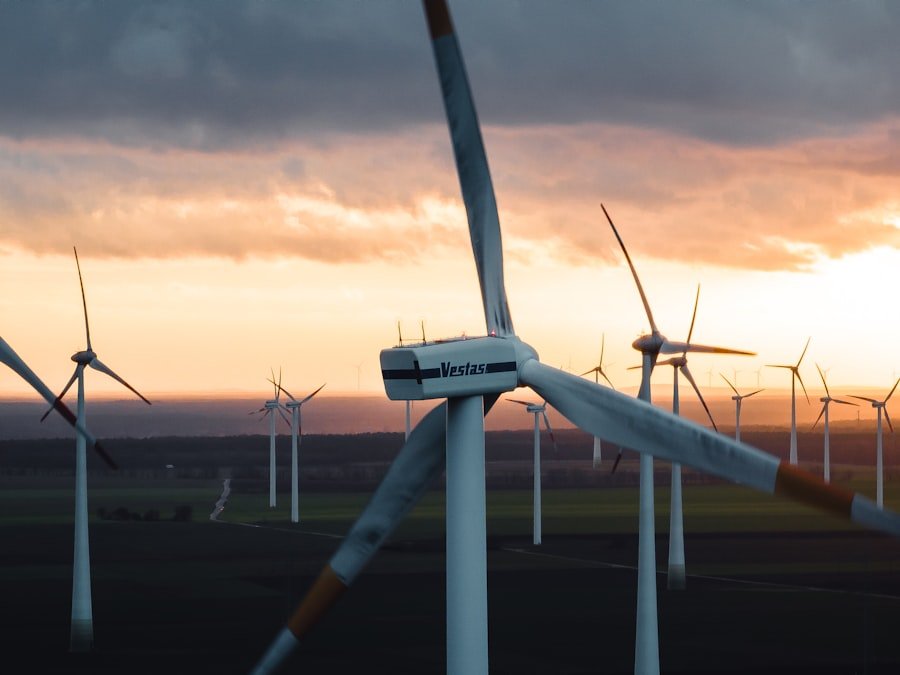
Additionally, property owners can explore other renewable energy options such as wind turbines or geothermal heating systems, depending on the property’s location and feasibility. While the initial investment may be substantial, the long-term savings on energy bills and potential tax incentives make renewable energy sources an attractive option for many landlords. By embracing renewable energy solutions, property owners not only enhance their properties’ sustainability but also position themselves as forward-thinking leaders in the real estate market.
Improving Insulation and Sealing to Reduce Energy Loss
Improving insulation and sealing is a fundamental aspect of enhancing energy efficiency in rental properties. Proper insulation helps maintain comfortable indoor temperatures by reducing heat transfer between the interior and exterior of the building. This means that during hot summers or cold winters, tenants will experience less fluctuation in temperature, leading to increased comfort and reduced reliance on heating and cooling systems.
Sealing gaps and cracks around windows, doors, and other openings is equally important in preventing air leaks that contribute to energy loss. Simple measures such as weatherstripping or caulking can make a significant difference in maintaining indoor temperatures and reducing energy consumption. By investing in insulation and sealing improvements, property owners can create a more comfortable living environment for tenants while simultaneously lowering utility costs—a win-win scenario for everyone involved.
Educating Tenants on Energy-Efficient Practices
While implementing energy-efficient upgrades is essential, educating tenants on how to use these features effectively is equally important. Property owners should take the initiative to provide tenants with information on best practices for conserving energy within their units. This could include simple tips such as turning off lights when leaving a room, using natural light whenever possible, and setting thermostats at optimal temperatures.
Additionally, landlords can host workshops or provide informational materials that outline the benefits of energy-efficient practices. By fostering a culture of sustainability within their rental properties, landlords empower tenants to take an active role in reducing their energy consumption. This collaborative approach not only enhances tenant satisfaction but also contributes to lower utility bills for everyone involved.
Monitoring and Managing Energy Usage in Rental Properties
To ensure that energy efficiency initiatives are effective, property owners should implement monitoring and management strategies for energy usage within their rental properties. This could involve using smart meters or energy management systems that provide real-time data on electricity consumption. By analyzing this data, landlords can identify trends and areas where further improvements may be needed.
Regularly reviewing energy usage allows property owners to make informed decisions about future upgrades or adjustments to existing systems. Additionally, providing tenants with access to their own energy usage data can encourage them to adopt more sustainable practices. By actively monitoring and managing energy consumption, landlords can maximize the benefits of their investments in energy efficiency while ensuring that tenants enjoy a comfortable living environment.
Maximizing Natural Light and Ventilation in Rental Properties
Maximizing natural light and ventilation is another effective strategy for enhancing energy efficiency in rental properties. Well-placed windows and skylights can significantly reduce the need for artificial lighting during daylight hours while also improving indoor air quality through proper ventilation. Property owners should consider architectural designs that prioritize natural light and airflow when constructing or renovating rental units.
In addition to design considerations, landlords can encourage tenants to utilize natural ventilation by opening windows during cooler parts of the day or using ceiling fans instead of air conditioning when possible. By creating bright and airy living spaces that capitalize on natural light and ventilation, property owners not only enhance tenant comfort but also reduce reliance on artificial lighting and climate control systems.
Investing in Smart Home Technology for Energy Efficiency
The rise of smart home technology presents an exciting opportunity for property owners looking to enhance energy efficiency in their rental properties. Smart devices such as programmable thermostats, smart lighting systems, and automated blinds allow tenants to control their environment more effectively while minimizing energy waste. For instance, smart thermostats can learn occupants’ schedules and adjust heating or cooling accordingly, leading to significant savings on utility bills.
Investing in smart home technology not only improves the overall tenant experience but also positions rental properties as modern and desirable options in a competitive market. As technology continues to evolve, landlords who embrace these innovations will likely see increased tenant satisfaction and retention rates. Furthermore, smart home technology often comes with monitoring capabilities that allow landlords to track energy usage patterns over time—providing valuable insights for future improvements.
Evaluating the Return on Investment for Energy-Efficient Upgrades
Finally, it is essential for property owners to evaluate the return on investment (ROI) for any energy-efficient upgrades they undertake. While many improvements require an upfront investment, they often lead to long-term savings through reduced utility costs and increased property value. Landlords should conduct a thorough cost-benefit analysis before making decisions about which upgrades to pursue.
Factors such as local utility rates, potential tax incentives for energy-efficient improvements, and anticipated increases in rental income should all be considered when evaluating ROI. Additionally, property owners should keep track of tenant feedback regarding comfort levels and satisfaction with energy-efficient features—this qualitative data can provide valuable insights into the overall success of their initiatives. By carefully assessing ROI, landlords can make informed decisions that align with their financial goals while contributing positively to environmental sustainability.
In conclusion, enhancing energy efficiency in rental properties is not just a trend; it is a necessity for modern landlords who wish to remain competitive in today’s market. By understanding current energy usage patterns, implementing upgrades, educating tenants, and monitoring performance, property owners can create sustainable living environments that benefit everyone involved—ultimately leading to increased tenant satisfaction and long-term financial success.
In the context of energy efficiency in rental properties in Como, WA, it’s essential to consider the broader real estate market dynamics that can influence property decisions. An insightful article that complements this topic is “Why Now May Be the Perfect Time to Sell Your Property,” which discusses current market trends and factors that might affect property values and investment decisions. Understanding these trends can be crucial for property owners looking to enhance their rental properties’ energy efficiency as a means to increase their market appeal. For more details, you can read the full article here.
Want to learn more? Take a look at Maximizing Returns: Rental Property Management in Perth and Thornlie rental property management — practical, locally focused advice worth your time.