
How Efficient Como WA Garden Maintenance for Rental Properties Affects You
Maintaining a garden for rental properties is not merely an aesthetic choice; it is a strategic investment that can significantly enhance the overall value of the property. A well-kept garden creates an inviting atmosphere that attracts potential tenants, making the property more desirable in a competitive rental market. First impressions matter, and a lush, vibrant garden can set the tone for what tenants can expect inside the home.
It signals that the property is well cared for, which can lead to higher rental rates and lower vacancy periods. Moreover, a beautiful garden can serve as a unique selling point, distinguishing your rental from others that may lack outdoor appeal. Additionally, a well-maintained garden contributes to tenant satisfaction and retention.
Tenants are more likely to stay in a property that offers a pleasant outdoor space where they can relax, entertain, or engage in gardening themselves. This not only reduces turnover costs but also fosters a sense of community and belonging among tenants. Furthermore, gardens can provide environmental benefits, such as improved air quality and increased biodiversity, which can be particularly appealing to eco-conscious renters.
In essence, investing time and resources into maintaining a garden is an investment in the long-term success of your rental property.
Key Takeaways
- A well-maintained garden can increase the rental value and appeal of a property
- Low-maintenance garden designs can save time and effort for both landlords and tenants
- Choosing drought-resistant and hardy plants can reduce the need for frequent watering and care
- Efficient watering systems such as drip irrigation can save water and ensure plants receive adequate moisture
- Regular lawn care and maintenance, including mowing and fertilizing, is essential for a neat and attractive garden
Designing a Low-Maintenance Garden
When it comes to designing a low-maintenance garden for rental properties, the key is to create an environment that is both visually appealing and easy to care for. This involves selecting design elements that require minimal upkeep while still providing an attractive landscape. One effective approach is to incorporate hardscaping features such as pathways, patios, and decorative stones.
These elements not only reduce the area that needs to be planted but also add structure and interest to the garden. By using materials like gravel or pavers, you can create functional spaces that enhance the usability of the garden without demanding constant attention. In addition to hardscaping, consider implementing native plants and drought-resistant species in your garden design.
Native plants are adapted to the local climate and soil conditions, making them easier to maintain and less susceptible to pests and diseases. They require less water and fertilizer compared to non-native species, which translates into lower maintenance costs over time. By designing a garden that embraces these principles, you can create an outdoor space that remains beautiful with minimal effort, ensuring that your rental property remains attractive to potential tenants without overwhelming them with upkeep responsibilities.
Choosing the Right Plants for a Rental Property Garden
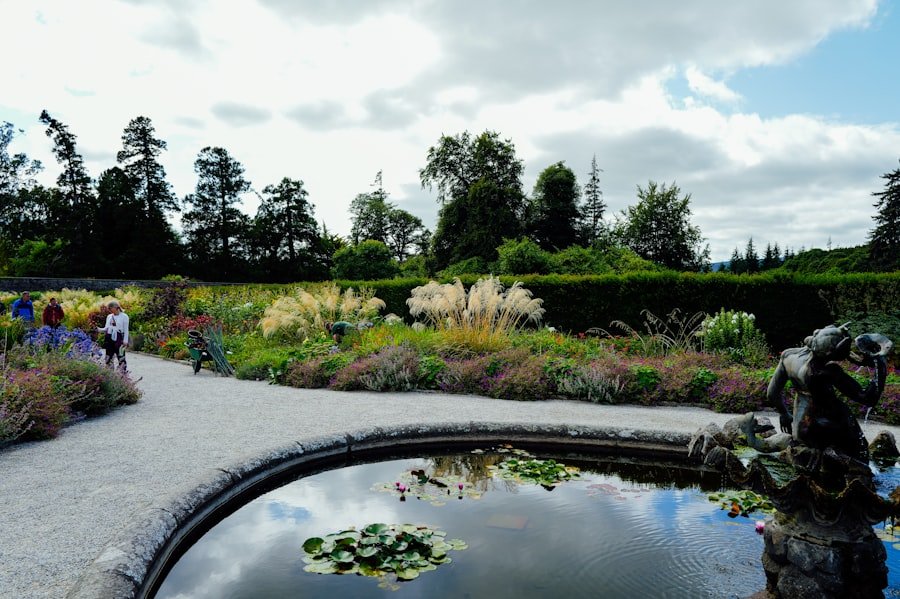
Selecting the right plants for a rental property garden is crucial for achieving a low-maintenance yet visually appealing landscape. When choosing plants, consider their growth habits, water requirements, and seasonal interest. Opting for perennials over annuals can be a wise choice, as perennials return year after year without needing to be replanted.
Additionally, look for plants that offer year-round interest through foliage color or texture, ensuring that the garden remains attractive even during off-seasons. Another important factor is the climate and soil conditions of your rental property’s location. Researching local plant varieties that thrive in your area will not only simplify maintenance but also promote biodiversity in your garden.
Incorporating a mix of shrubs, ornamental grasses, and flowering plants can create a dynamic landscape that appeals to a wide range of tenants. Furthermore, grouping plants with similar water and sunlight needs together can streamline watering efforts and reduce maintenance time. By carefully selecting the right plants, you can create a garden that enhances your rental property’s appeal while minimizing upkeep.
Implementing Efficient Watering Systems
| Efficient Watering Systems Metrics | 2019 | 2020 | 2021 |
|---|---|---|---|
| Water Usage (gallons) | 500,000 | 480,000 | 450,000 |
| Watering System Cost () | 10,000 | 9,500 | 9,000 |
| Watering System Efficiency (%) | 75% | 80% | 85% |
An efficient watering system is essential for maintaining a healthy garden while conserving water resources. For rental properties, where tenant turnover may lead to inconsistent care, installing an automated irrigation system can be a game-changer. Drip irrigation systems deliver water directly to the plant roots, minimizing evaporation and runoff while ensuring that plants receive the moisture they need without overwatering.
This not only promotes healthy growth but also reduces water bills—a benefit that can be passed on to tenants. In addition to drip systems, consider incorporating rainwater harvesting techniques into your garden design. Installing rain barrels or cisterns allows you to collect and store rainwater for later use in watering your garden.
This sustainable approach not only conserves water but also provides an eco-friendly feature that may appeal to environmentally conscious renters. By implementing efficient watering systems, you can ensure that your garden remains vibrant and healthy while minimizing maintenance efforts and costs.
Regular Lawn Care and Maintenance
Regular lawn care is an integral part of maintaining an attractive garden for rental properties. A well-manicured lawn enhances curb appeal and creates a welcoming environment for potential tenants. Establishing a routine lawn care schedule that includes mowing, fertilizing, aerating, and overseeding will help keep your grass healthy and lush throughout the growing season.
Mowing at the appropriate height encourages deeper root growth and helps prevent weeds from taking hold. In addition to mowing, it’s essential to monitor your lawn for signs of stress or disease. Regularly inspecting for pests or brown patches allows you to address issues before they escalate into larger problems.
Implementing practices such as proper watering techniques and using organic fertilizers can promote a healthier lawn while reducing the need for chemical treatments. By prioritizing regular lawn care and maintenance, you can ensure that your rental property remains visually appealing and inviting to prospective tenants.
Pruning and Trimming for a Neat Appearance
Pruning and trimming are vital practices for maintaining a neat appearance in your rental property garden. Regularly cutting back overgrown shrubs and trees not only enhances the aesthetic appeal but also promotes healthy growth by allowing more sunlight to reach the inner branches. This practice helps prevent diseases caused by overcrowding and ensures that plants remain vibrant and lush throughout the growing season.
In addition to improving plant health, pruning can also enhance safety by removing dead or damaged branches that could pose hazards to tenants or visitors. Establishing a seasonal pruning schedule allows you to keep your garden looking its best while minimizing the risk of accidents or injuries. By prioritizing pruning and trimming as part of your garden maintenance routine, you can create an inviting outdoor space that reflects positively on your rental property.
Weed Control and Prevention
Weed control is an essential aspect of maintaining a beautiful garden for rental properties. Weeds compete with desirable plants for nutrients, water, and sunlight, which can lead to unhealthy growth and diminished aesthetics. Implementing effective weed control strategies is crucial for keeping your garden looking its best while minimizing maintenance efforts.
One effective method is to use mulch around plants and in garden beds; this not only suppresses weed growth but also retains moisture in the soil. Regularly monitoring your garden for emerging weeds is equally important. Hand-pulling weeds before they have a chance to seed can prevent them from spreading throughout your garden.
Additionally, using landscape fabric or biodegradable weed barriers can provide long-term solutions for controlling weeds in high-traffic areas or around newly planted beds. By prioritizing weed control and prevention strategies, you can maintain a tidy garden that enhances the overall appeal of your rental property.
Mulching for Soil Health and Weed Suppression
Mulching is one of the most effective practices for promoting soil health while simultaneously suppressing weeds in your rental property garden. Applying a layer of organic mulch—such as wood chips, straw, or shredded leaves—helps retain moisture in the soil while providing essential nutrients as it breaks down over time. This not only supports healthy plant growth but also reduces the need for frequent watering.
In addition to moisture retention, mulch acts as a natural barrier against weed growth by blocking sunlight from reaching weed seeds in the soil. This dual benefit makes mulching an invaluable practice for maintaining an attractive garden with minimal effort. Furthermore, organic mulch contributes to improved soil structure and fertility as it decomposes, creating a healthier environment for your plants to thrive.
By incorporating mulching into your gardening routine, you can enhance both soil health and aesthetics while reducing maintenance demands.
Pest and Disease Management
Effective pest and disease management is crucial for maintaining the health of your rental property garden. Regularly inspecting plants for signs of pests or diseases allows you to address issues before they escalate into larger problems that could jeopardize plant health or aesthetics. Implementing integrated pest management (IPM) strategies—such as encouraging beneficial insects like ladybugs or using organic pest control methods—can help keep harmful pests at bay without resorting to harsh chemicals.
Additionally, promoting plant diversity within your garden can reduce susceptibility to pests and diseases by creating a balanced ecosystem where beneficial organisms thrive. Rotating crops or planting companion plants can further enhance this balance while providing visual interest throughout the seasons. By prioritizing proactive pest and disease management strategies, you can ensure that your rental property garden remains healthy and vibrant year-round.
Seasonal Clean-up and Maintenance
Seasonal clean-up is an essential component of maintaining an attractive garden for rental properties throughout the year. As seasons change, so do the needs of your garden; therefore, establishing a seasonal maintenance schedule is crucial for keeping it looking its best. In spring, focus on removing debris from winter storms, pruning back dead foliage, and preparing flower beds for new plantings.
This sets the stage for vibrant growth during the warmer months. As summer progresses into fall, it’s important to continue monitoring plant health while preparing for winter dormancy. Removing spent annuals, cutting back perennials, and applying mulch before frost sets in will help protect plants during colder months while ensuring a tidy appearance throughout the season changeover.
By committing to seasonal clean-up efforts, you can maintain an inviting outdoor space that enhances your rental property’s appeal year-round.
Hiring Professional Garden Maintenance Services
While many landlords may choose to manage their gardens independently, hiring professional garden maintenance services can provide numerous benefits that ultimately enhance the value of your rental property. Professional gardeners possess expertise in horticulture and landscape design, ensuring that your garden receives optimal care tailored to its specific needs. This level of knowledge translates into healthier plants, more efficient maintenance practices, and ultimately a more attractive outdoor space.
Moreover, outsourcing garden maintenance allows landlords to focus on other aspects of property management without sacrificing quality care for their gardens. Professional services often offer comprehensive packages that include regular lawn care, pruning, pest management, and seasonal clean-up—all tailored to fit your specific requirements as a landlord. By investing in professional garden maintenance services, you not only enhance the visual appeal of your rental property but also ensure its long-term health and value in an increasingly competitive market.
In conclusion, maintaining a well-designed garden is essential for enhancing the appeal of rental properties while maximizing their value over time. From selecting low-maintenance plants to implementing efficient watering systems and hiring professional services when necessary, landlords have numerous strategies at their disposal to create inviting outdoor spaces that attract tenants and foster satisfaction. By prioritizing these practices within their property management approach, landlords can ensure their gardens remain vibrant year-round—ultimately leading to greater success in the competitive rental market.
When it comes to maintaining a rental property in Como, WA, especially with a focus on garden upkeep, it’s essential to have a reliable property management team. A well-maintained garden not only enhances the property’s curb appeal but also increases its rental value. For those seeking expert assistance, you might find the services of a premier property manager beneficial. For instance, the Premier Property Manager in Piara Waters offers comprehensive management solutions that could be tailored to meet the specific needs of your rental property, ensuring that both the interior and exterior, including the garden, are well-maintained and appealing to potential tenants.
Related reading: Property maintenance Gosnells, rental property maintenance services and Maximizing Efficiency with Building Maintenance Services. These guides go deeper on the topics that matter most to property maintenance readers.