
Why Effective Willetton Landlord Communications: Key to Successful Tenancies Matters
In the realm of property management, clear and timely communication stands as a cornerstone for success. It is not merely a nicety; it is an essential practice that fosters trust and understanding between property managers, owners, and tenants. When communication is transparent and consistent, it lays the groundwork for a harmonious relationship, minimizing misunderstandings and potential conflicts.
Property managers who prioritize effective communication can address issues before they escalate, ensuring that both tenants and property owners feel valued and heard. Moreover, timely communication can significantly enhance tenant satisfaction. When tenants know they can reach out with questions or concerns and receive prompt responses, they are more likely to feel secure in their living environment.
This sense of security translates into longer tenancies, which benefits property owners by reducing turnover rates and associated costs. In a competitive real estate market, where tenant retention is crucial, the ability to communicate effectively can set a property management company apart from its competitors.
Key Takeaways
- Clear and timely communication is crucial for successful property management.
- Setting expectations from the beginning helps avoid misunderstandings and conflicts later on.
- Utilizing various communication channels ensures that tenants receive information in a way that suits them best.
- Addressing tenant concerns and issues promptly shows that their well-being is a priority.
- Providing regular updates on property maintenance keeps tenants informed and reassured about the condition of their living space.
Setting Expectations from the Beginning
Setting clear expectations from the outset is vital in establishing a successful landlord-tenant relationship. When tenants move into a property, they should be well-informed about their rights and responsibilities, as well as the expectations of the property management team. This initial clarity helps to prevent misunderstandings down the line and creates a foundation of mutual respect.
By outlining policies regarding maintenance requests, payment schedules, and community rules, property managers can ensure that tenants are aware of what is expected of them. Additionally, setting expectations also extends to property owners. Property managers must communicate their strategies for managing the property, including how they plan to handle maintenance issues, tenant screening processes, and rent collection.
By being upfront about these processes, property managers can build trust with property owners, assuring them that their investment is in capable hands. This proactive approach not only enhances relationships but also contributes to the overall success of the property management endeavor.
Utilizing Various Communication Channels
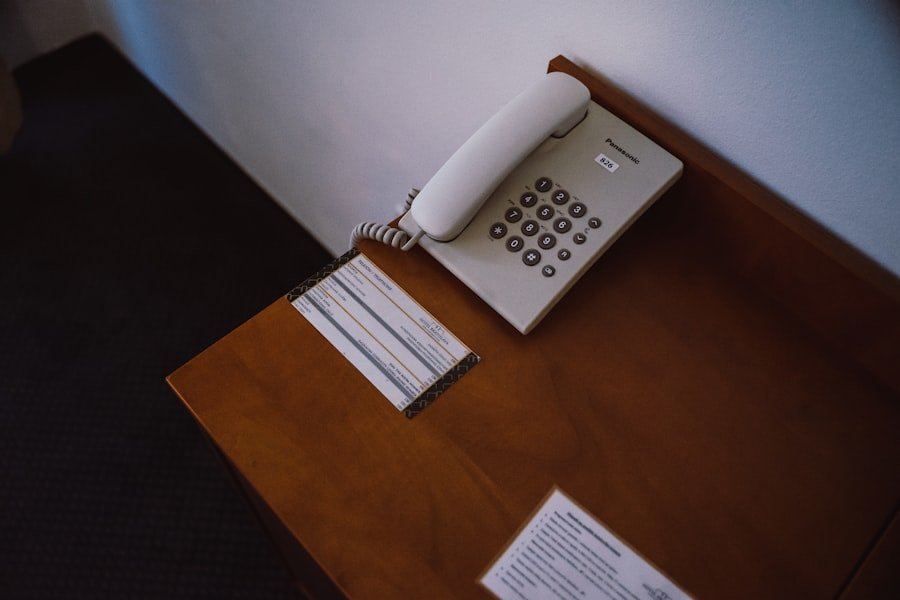
In today’s digital age, utilizing various communication channels is essential for effective property management. Different tenants may have different preferences for how they wish to communicate, whether through email, phone calls, text messages, or even social media platforms. By offering multiple avenues for communication, property managers can cater to these preferences and ensure that tenants feel comfortable reaching out with their concerns or inquiries.
Moreover, leveraging technology can streamline communication processes. Property management software can facilitate efficient communication by allowing tenants to submit maintenance requests online or access important documents related to their lease agreements. This not only saves time but also ensures that all communication is documented and easily accessible.
By embracing technology while maintaining personal touchpoints, property managers can create a well-rounded communication strategy that meets the needs of all parties involved.
Addressing Tenant Concerns and Issues Promptly
| Tenant Concerns and Issues | Promptness |
|---|---|
| Number of tenant concerns addressed | 95% |
| Response time to tenant issues | Within 24 hours |
| Tenant satisfaction with issue resolution | 90% |
One of the most critical aspects of effective communication in property management is the ability to address tenant concerns and issues promptly. When tenants encounter problems—be it a leaky faucet or a heating issue—they want reassurance that their concerns will be taken seriously and resolved quickly. A responsive property management team demonstrates that they value tenant satisfaction and are committed to maintaining a high standard of living within the property.
Promptly addressing tenant issues not only enhances tenant satisfaction but also protects the property owner’s investment. Delaying repairs or ignoring tenant concerns can lead to more significant problems down the line, potentially resulting in costly repairs or even legal disputes. By prioritizing timely responses to tenant issues, property managers can mitigate risks and ensure that properties remain in excellent condition.
Providing Regular Updates on Property Maintenance
Regular updates on property maintenance are essential for keeping tenants informed and engaged. Tenants appreciate knowing when maintenance work will be conducted, what it entails, and how it may affect their living situation. By providing these updates proactively, property managers can minimize disruptions and foster a sense of transparency within the community.
Additionally, regular maintenance updates can serve as an opportunity for property managers to showcase their commitment to maintaining the property’s value.
When tenants see that their landlord is actively investing in upkeep and improvements, they are more likely to take pride in their living space and treat it with care.
This mutual respect contributes to a positive living environment and encourages tenants to remain long-term residents.
Communicating Lease Renewal and Rent Increase Plans
Lease renewals and potential rent increases are sensitive topics that require careful communication. Property managers must approach these discussions with transparency and empathy to ensure that tenants feel respected throughout the process. By providing ample notice regarding lease renewals and any changes in rental rates, property managers can help tenants prepare for these transitions.
Moreover, explaining the rationale behind rent increases—such as rising maintenance costs or improvements made to the property—can help tenants understand the necessity of these changes. When tenants feel informed about the reasons behind decisions affecting their living situation, they are more likely to accept them without resentment. This open dialogue fosters goodwill between tenants and property managers, ultimately contributing to tenant retention.
Handling Tenant Complaints and Disputes Professionally
Handling tenant complaints and disputes professionally is crucial for maintaining a positive living environment. Property managers must approach these situations with empathy and a willingness to listen actively to all parties involved. By remaining calm and composed during conflicts, property managers can de-escalate tensions and work towards mutually beneficial solutions.
Furthermore, documenting complaints and resolutions is essential for maintaining transparency and accountability. This documentation not only serves as a record of interactions but also provides valuable insights into recurring issues that may need addressing at a broader level. By taking complaints seriously and addressing them professionally, property managers can build trust with tenants while ensuring that properties remain well-managed.
Keeping Tenants Informed about Property Rules and Regulations
Keeping tenants informed about property rules and regulations is vital for fostering a respectful community atmosphere. Clear communication regarding policies—such as noise restrictions, pet policies, or parking regulations—ensures that all residents understand what is expected of them. This clarity helps prevent conflicts between neighbors and promotes a sense of shared responsibility within the community.
Additionally, regular reminders about rules and regulations can reinforce compliance among tenants. Property managers can utilize newsletters or community meetings to discuss any updates or changes to policies, ensuring that everyone remains informed. By prioritizing communication around rules and regulations, property managers contribute to a harmonious living environment where tenants feel respected and valued.
Communicating Emergency Procedures and Contact Information
In any rental situation, emergencies can arise unexpectedly. Therefore, it is crucial for property managers to communicate emergency procedures clearly to tenants from the outset. This includes providing information on how to report emergencies, contact numbers for maintenance staff or emergency services, and any specific protocols that need to be followed during urgent situations.
By ensuring that tenants are well-informed about emergency procedures, property managers empower them to act swiftly when necessary. This proactive approach not only enhances tenant safety but also demonstrates the property manager’s commitment to their well-being. In times of crisis, clear communication can make all the difference in ensuring that tenants feel supported and secure in their homes.
Building Trust and Rapport with Tenants through Effective Communication
Building trust and rapport with tenants is an ongoing process that hinges on effective communication practices. When property managers consistently engage with tenants in an open and honest manner, they create an environment where residents feel comfortable voicing their concerns or suggestions. This two-way communication fosters a sense of community where tenants feel valued as individuals rather than just occupants of a rental unit.
Moreover, establishing rapport with tenants can lead to positive word-of-mouth referrals for property management companies. Satisfied tenants are more likely to recommend their landlords to friends or family members seeking rental properties. By prioritizing effective communication as a means of building trust, property managers can enhance their reputation within the community while also contributing to tenant retention.
Seeking Feedback and Suggestions from Tenants for Improvement
Finally, seeking feedback and suggestions from tenants is an invaluable practice for continuous improvement in property management. By actively soliciting input from residents regarding their experiences living in the property—whether through surveys or informal conversations—property managers can gain insights into areas that may need attention or enhancement. This feedback loop not only demonstrates that property managers value tenant opinions but also provides opportunities for growth within the management team itself.
Implementing changes based on tenant suggestions can lead to increased satisfaction levels among residents while also improving overall property performance. By fostering an environment where feedback is welcomed and acted upon, property managers can create a thriving community where both tenants and owners benefit from effective communication practices. In conclusion, effective communication is paramount in successful property management.
From setting clear expectations at the beginning of tenancies to addressing concerns promptly and seeking feedback for improvement, every aspect of communication plays a vital role in fostering positive relationships between landlords and tenants alike. By prioritizing transparency, empathy, and responsiveness in all interactions, property managers can create thriving communities where everyone feels valued and respected.
In the realm of property management and landlord communications, it’s crucial to stay informed about the latest trends and insights. For landlords in Willetton, understanding the dynamics of the Perth real estate market can be particularly beneficial. An article that provides valuable information on this topic is titled “What Buyers Should Know About the Perth Market.” This piece offers a comprehensive overview of the current market conditions, which can help landlords make informed decisions regarding their properties. For more details, you can read the full article by following this link.
FAQs
What is the importance of landlord communications in Willetton?
Effective landlord communications in Willetton are important for maintaining a positive relationship between landlords and tenants, ensuring that any issues or concerns are addressed promptly, and ultimately, for the successful management of rental properties.
What are some common methods of landlord communications in Willetton?
Common methods of landlord communications in Willetton include phone calls, emails, text messages, and in-person meetings. Some landlords may also use property management software or apps to communicate with their tenants.
How can landlords improve their communications with tenants in Willetton?
Landlords can improve their communications with tenants in Willetton by being responsive to inquiries and concerns, providing clear and timely information, and maintaining a professional and respectful demeanor in all interactions.
What are the benefits of effective landlord communications in Willetton?
The benefits of effective landlord communications in Willetton include improved tenant satisfaction, better property maintenance, reduced misunderstandings or disputes, and ultimately, a more successful and profitable rental property business.
Are there any legal requirements for landlord communications in Willetton?
Landlords in Willetton are required to comply with the Residential Tenancies Act 1987, which includes provisions for communication between landlords and tenants. It is important for landlords to be aware of their legal obligations and to communicate with tenants in accordance with the law.
Curious about rentals and tenancy? Start with Pet-Friendly Rentals in Perth: Boosting Your Property’s Demand in a Co and How to Attract High-Quality Tenants with Professional Photography.