
Why Maximizing Rental Returns: Willetton Landlord Tips Matters
Determining the optimal rental price for a property is a critical first step in the property management process. Setting the right price not only attracts potential tenants but also ensures that property owners maximize their investment returns. A rental price that is too high can deter interested parties, leading to prolonged vacancies and lost income.
Conversely, pricing it too low can result in financial losses and undervalue the property. Therefore, it is essential to conduct thorough market research, analyzing comparable properties in the area to establish a competitive yet fair rental rate. In addition to market comparisons, property owners should consider the unique features and amenities of their property.
Factors such as location, size, condition, and available facilities play a significant role in determining rental value. By leveraging local market insights and understanding tenant expectations, property managers can set a price that reflects both the property’s worth and the current demand. This strategic approach not only attracts quality tenants but also fosters a positive landlord-tenant relationship from the outset.
Key Takeaways
- Setting the right rental price is crucial for attracting quality tenants and maximizing rental income.
- Attracting quality tenants involves effective marketing, thorough tenant screening, and clear communication of expectations.
- Maintaining the property regularly ensures tenant satisfaction and preserves the property’s value.
- Offering additional amenities can attract and retain quality tenants, such as in-unit laundry, parking, or pet-friendly policies.
- Understanding market trends helps in setting competitive rental prices and making informed decisions about property management.
Attracting Quality Tenants
Attracting quality tenants is paramount for any successful rental strategy. Quality tenants are not only reliable in terms of timely rent payments but also tend to take better care of the property, reducing maintenance costs and ensuring a harmonious living environment. To attract such tenants, property owners must present their properties in the best possible light.
This includes professional photography, compelling property descriptions, and effective marketing strategies that highlight the property’s unique selling points. Moreover, utilizing various platforms for advertising can significantly increase visibility. Online listings on popular real estate websites, social media promotions, and local community boards can help reach a broader audience.
Additionally, hosting open houses allows potential tenants to experience the property firsthand, creating a personal connection that can lead to quicker leasing decisions. By implementing these strategies, property owners can attract high-quality tenants who will appreciate and respect their investment.
Maintaining the Property
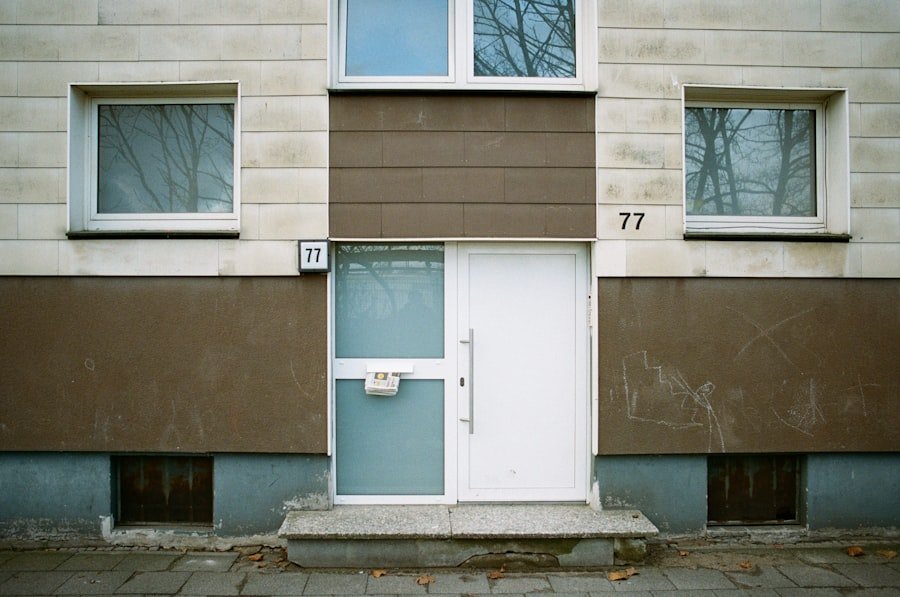
Regular maintenance is essential for preserving the value of a rental property and ensuring tenant satisfaction. A well-maintained property not only enhances its appeal but also minimizes the risk of costly repairs down the line. Property managers should establish a proactive maintenance schedule that includes routine inspections and timely repairs.
This approach not only keeps the property in excellent condition but also demonstrates to tenants that their comfort and safety are priorities. Additionally, maintaining open lines of communication with tenants regarding maintenance issues is crucial. Tenants should feel empowered to report any concerns promptly, allowing property managers to address them before they escalate into more significant problems.
By fostering a culture of responsiveness and care, property managers can create a positive living experience for tenants while safeguarding the property’s long-term value.
Offering Additional Amenities
| Hotel Name | Additional Amenities | Cost |
|---|---|---|
| Hotel A | Swimming Pool | 10 per day |
| Hotel B | Spa Services | 20 per treatment |
| Hotel C | Fitness Center | Included |
In today’s competitive rental market, offering additional amenities can set a property apart from others and attract more prospective tenants. Amenities such as modern appliances, in-unit laundry facilities, outdoor spaces, or access to community features like pools or gyms can significantly enhance a property’s appeal. These added conveniences not only improve tenant satisfaction but can also justify higher rental prices.
Furthermore, understanding tenant demographics can help tailor amenities to meet specific needs.
For instance, young professionals may prioritize high-speed internet access and proximity to public transport, while families might value spacious living areas and safe outdoor play spaces.
By aligning amenities with tenant preferences, property owners can create an attractive living environment that encourages long-term leases and reduces turnover rates.
Understanding the Market Trends
Staying informed about market trends is vital for property owners and managers alike. The real estate landscape is constantly evolving, influenced by factors such as economic conditions, demographic shifts, and changes in tenant preferences. By keeping abreast of these trends, property managers can make informed decisions regarding pricing strategies, marketing approaches, and property improvements.
For instance, if there is a growing demand for eco-friendly features among tenants, property owners may consider investing in energy-efficient appliances or sustainable landscaping options. Similarly, understanding seasonal fluctuations in rental demand can help property managers time their marketing efforts effectively. By being proactive and adaptable to market trends, property managers can position their properties for success in an ever-changing environment.
Implementing Regular Inspections

Regular inspections are a cornerstone of effective property management. These inspections serve multiple purposes: they help identify maintenance issues before they become significant problems, ensure compliance with safety regulations, and provide an opportunity to assess tenant behavior regarding property care. By conducting routine inspections—typically every six months—property managers can maintain oversight of the property’s condition while fostering accountability among tenants.
Moreover, inspections can serve as an opportunity for open dialogue between property managers and tenants. Discussing any concerns or suggestions during these visits can strengthen relationships and enhance tenant satisfaction. When tenants feel heard and valued, they are more likely to take pride in their living space and adhere to lease agreements.
Ultimately, regular inspections contribute to a well-maintained property and a positive rental experience for all parties involved.
Keeping Up with Property Maintenance
Timely property maintenance is essential for preserving both tenant satisfaction and the overall value of the investment. Property managers should prioritize a proactive approach to maintenance by establishing a system for tracking requests and scheduling repairs efficiently. This not only ensures that issues are addressed promptly but also demonstrates a commitment to tenant well-being.
Additionally, maintaining an organized record of all maintenance activities can provide valuable insights into recurring issues or areas that may require further attention.
By analyzing this data, property managers can identify trends and implement preventative measures to mitigate future problems.
This strategic approach not only enhances tenant satisfaction but also protects the property’s long-term value by minimizing wear and tear.
Effective Communication with Tenants
Effective communication is at the heart of successful property management. Establishing clear lines of communication with tenants fosters trust and transparency while ensuring that both parties are on the same page regarding expectations and responsibilities. Property managers should be accessible and responsive to tenant inquiries or concerns, whether through phone calls, emails, or dedicated online portals.
Moreover, regular updates regarding property maintenance schedules or community events can help keep tenants engaged and informed. By creating an open dialogue, property managers can build strong relationships with tenants that contribute to a positive living experience. When tenants feel valued and respected, they are more likely to renew their leases and recommend the property to others.
Knowing the Legal Obligations
Navigating the legal landscape of property management is crucial for protecting both landlords and tenants. Familiarity with local laws and regulations—such as the Residential Tenancy Act 1987—ensures compliance while safeguarding against potential disputes or legal issues. Property managers must stay informed about their legal obligations regarding lease agreements, security deposits, eviction processes, and tenant rights.
By adhering to these regulations, property managers not only protect their clients’ investments but also foster a fair and transparent rental environment for tenants. Understanding legal obligations also empowers property managers to educate tenants about their rights and responsibilities, promoting a harmonious landlord-tenant relationship built on mutual respect.
Utilizing Property Management Services
For many property owners, enlisting professional property management services can be a game-changer. These services offer expertise in various aspects of property management—from marketing and tenant screening to maintenance coordination and legal compliance—allowing owners to focus on other priorities while ensuring their investment is well cared for. Professional property management companies bring valuable industry knowledge and resources that can enhance operational efficiency and maximize returns on investment.
With access to advanced technology platforms for tracking rent payments or maintenance requests, these services streamline processes while providing transparency for both landlords and tenants. Ultimately, partnering with a reputable property management service can lead to improved tenant satisfaction and increased profitability.
Staying Up-to-Date with Rental Legislation
The rental landscape is subject to constant change due to evolving legislation at local, state, and national levels. Staying up-to-date with these changes is essential for property managers to ensure compliance while protecting their clients’ interests. Regularly reviewing updates on rental laws—including changes in tenant rights or eviction procedures—enables property managers to adapt their practices accordingly.
Moreover, attending industry seminars or workshops focused on legal updates can provide valuable insights into best practices for compliance. By prioritizing ongoing education in this area, property managers can position themselves as knowledgeable advocates for both landlords and tenants alike. This commitment to staying informed not only enhances operational effectiveness but also fosters trust among clients who rely on their expertise in navigating complex legal landscapes.
In conclusion, effective property management encompasses various critical elements—from setting competitive rental prices to maintaining open communication with tenants. By prioritizing these aspects while adhering to legal obligations and staying informed about market trends, property managers can create a thriving rental environment that benefits both landlords and tenants alike. With a commitment to excellence in every facet of their operations, professional property management services stand out as invaluable partners in maximizing investment potential while ensuring tenant satisfaction.
In a recent post on the Willetton landlord blog, the discussion centered around the challenges and benefits of managing rental properties in suburban areas. A related article that delves deeper into the dynamics of shared living spaces can be found on Smart Realty’s website. This article, titled “The Shared Accommodation Debate: Exploring the Pros and Cons of Living Together,” provides valuable insights into the growing trend of shared accommodations and how it impacts both landlords and tenants. For more information, you can read the full article by following this link.
FAQs
What is the Willetton landlord blog about?
The Willetton landlord blog provides information and resources for landlords in the Willetton area. It covers topics such as property management, tenant relations, legal requirements, and investment strategies.
Who can benefit from reading the Willetton landlord blog?
The blog is designed to benefit landlords who own or manage properties in the Willetton area. It provides valuable insights and tips for both new and experienced landlords.
What type of content can be found on the Willetton landlord blog?
The blog features a variety of content including articles, guides, tips, and resources related to property management, tenant relations, legal requirements, and investment strategies for landlords in Willetton.
Is the information on the Willetton landlord blog reliable?
The blog is managed by reputable property management professionals who have expertise in the Willetton real estate market. The information provided is based on industry knowledge and experience.
Can readers interact with the Willetton landlord blog?
Yes, readers can interact with the blog by leaving comments, asking questions, and sharing their own experiences. The blog encourages engagement and discussion among landlords in the Willetton area.