
Key Facts About Efficient Maintenance Coordination in East Perth
In the realm of property management, maintenance coordination stands as a cornerstone of operational efficiency and tenant satisfaction. Effective maintenance coordination ensures that properties are not only well-kept but also that tenants feel valued and secure in their living environments. When maintenance issues arise, the speed and effectiveness with which they are addressed can significantly impact tenant retention and overall property value.
A well-coordinated maintenance strategy fosters a sense of trust between property managers and tenants, leading to long-term relationships that benefit both parties. Moreover, maintenance coordination is crucial for preserving the integrity of the property itself. Regular upkeep prevents minor issues from escalating into major problems, which can be costly and time-consuming to resolve.
By prioritizing maintenance coordination, property managers can ensure that their properties remain in excellent condition, thereby maximizing their investment potential. This proactive approach not only enhances the aesthetic appeal of the property but also contributes to a safer and more comfortable living environment for tenants.
Key Takeaways
- Maintenance coordination is crucial for the smooth operation of facilities and equipment.
- Effective communication between maintenance teams is essential for successful coordination.
- Technology can be utilized to streamline and improve maintenance coordination processes.
- Clear protocols and procedures should be implemented to ensure efficient maintenance coordination.
- Prioritizing maintenance requests is important for addressing urgent issues in a timely manner.
Streamlining Communication Between Maintenance Teams
Effective communication is the lifeblood of any successful maintenance coordination strategy. When maintenance teams operate in silos, misunderstandings and delays can occur, leading to frustration for both tenants and property managers. Streamlining communication between maintenance teams is essential for ensuring that everyone is on the same page regarding ongoing projects, urgent repairs, and routine inspections.
By fostering an environment of open dialogue, property managers can facilitate quicker decision-making and more efficient problem-solving. One effective way to enhance communication is through regular meetings and updates. These gatherings allow team members to share insights, discuss challenges, and celebrate successes.
Additionally, utilizing collaborative tools such as shared calendars and project management software can help keep everyone informed about upcoming tasks and deadlines. By prioritizing clear communication channels, property managers can create a cohesive maintenance team that works harmoniously to address tenant needs and maintain property standards.
Utilizing Technology for Efficient Coordination
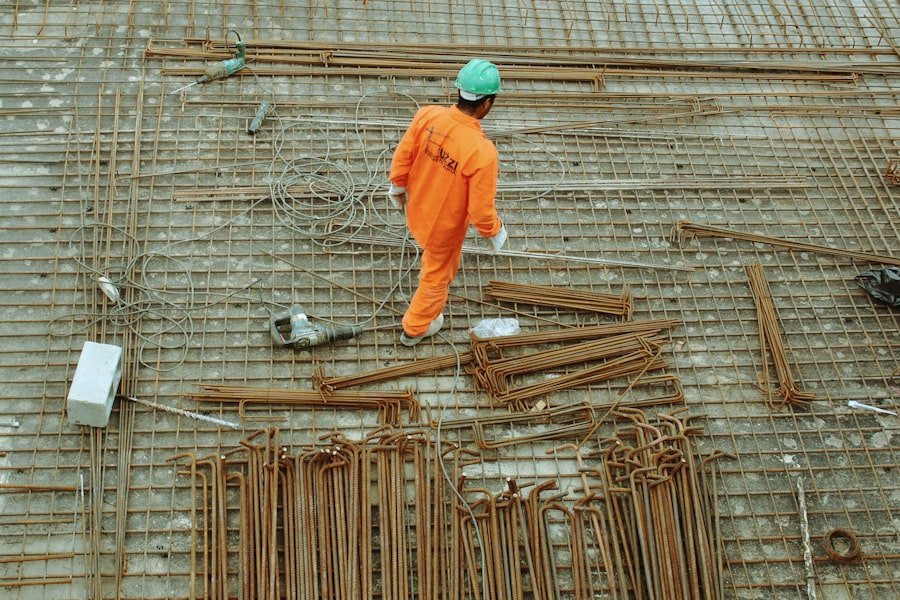
In today’s fast-paced world, technology plays a pivotal role in enhancing maintenance coordination. Property management software offers a range of features designed to streamline processes, from tracking maintenance requests to scheduling repairs. By leveraging technology, property managers can automate routine tasks, reducing the administrative burden on their teams and allowing them to focus on more critical issues.
This efficiency not only saves time but also improves the overall quality of service provided to tenants. Furthermore, mobile applications enable maintenance staff to receive real-time updates and notifications while on the go. This immediacy allows for quicker responses to maintenance requests and ensures that issues are addressed promptly.
Additionally, technology can facilitate better record-keeping, allowing property managers to track maintenance history and identify patterns that may require attention. By embracing technological advancements, property managers can enhance their maintenance coordination efforts and deliver superior service to their tenants.
Implementing Clear Protocols and Procedures
| Metrics | Target | Actual |
|---|---|---|
| Number of clear protocols and procedures implemented | 100% | 95% |
| Employee compliance with protocols | 98% | 96% |
| Number of incidents due to unclear procedures | 0 | 2 |
Establishing clear protocols and procedures is essential for effective maintenance coordination. When team members understand their roles and responsibilities, it minimizes confusion and ensures that tasks are completed efficiently. Property managers should develop comprehensive guidelines that outline the steps to be taken for various types of maintenance requests, from routine inspections to emergency repairs.
These protocols should be easily accessible to all team members, fostering a culture of accountability and professionalism. Moreover, regular training sessions can reinforce these protocols and ensure that all staff members are up-to-date on best practices. By investing in ongoing education, property managers can empower their teams to handle maintenance issues with confidence and competence.
Clear protocols not only streamline operations but also enhance the overall tenant experience by ensuring that requests are handled consistently and effectively.
Prioritizing Maintenance Requests
In any property management scenario, prioritizing maintenance requests is crucial for maintaining tenant satisfaction and property integrity. Not all maintenance issues are created equal; some require immediate attention while others can wait. Property managers must develop a system for categorizing requests based on urgency and impact.
For instance, plumbing leaks or electrical failures should be addressed promptly to prevent further damage, while cosmetic repairs may be scheduled for a later date. By implementing a prioritization system, property managers can allocate resources more effectively and ensure that urgent issues are resolved without delay. This approach not only enhances tenant satisfaction but also demonstrates a commitment to maintaining the property’s value.
Tenants who feel that their concerns are taken seriously are more likely to renew their leases and recommend the property to others.
Scheduling and Planning Maintenance Work
Effective scheduling and planning are integral components of successful maintenance coordination. Property managers must develop a comprehensive calendar that outlines upcoming maintenance tasks, inspections, and repairs. This proactive approach allows teams to allocate resources efficiently and ensures that all necessary work is completed in a timely manner.
By planning ahead, property managers can minimize disruptions to tenants while maintaining the property’s overall condition. Additionally, scheduling regular preventative maintenance can help identify potential issues before they escalate into costly repairs. For example, routine HVAC inspections can catch problems early on, ensuring that systems operate efficiently throughout the year.
By prioritizing preventative measures in their scheduling efforts, property managers can save time and money while enhancing tenant comfort.
Ensuring Timely Response to Maintenance Issues
Timeliness is a critical factor in effective maintenance coordination. When tenants submit maintenance requests, they expect prompt responses and swift action. Property managers must establish clear timelines for addressing various types of requests, ensuring that urgent issues are prioritized while still providing timely service for less critical matters.
By setting expectations for response times, property managers can enhance tenant satisfaction and build trust within the community. Moreover, maintaining open lines of communication during the repair process is essential for keeping tenants informed. Regular updates on the status of their requests demonstrate that property managers value their concerns and are committed to resolving issues promptly.
This transparency fosters a positive relationship between tenants and management, ultimately contributing to higher retention rates.
Collaborating with External Service Providers
While in-house maintenance teams play a vital role in property management, collaborating with external service providers can enhance overall efficiency and effectiveness. Property managers should establish relationships with trusted contractors who specialize in various areas such as plumbing, electrical work, or landscaping. By having reliable partners on hand, property managers can quickly address specialized maintenance needs without compromising quality or service.
Additionally, external service providers often bring valuable expertise and resources that may not be available within the in-house team. This collaboration allows property managers to tackle larger projects or complex repairs with confidence, knowing that they have access to skilled professionals who can deliver outstanding results. By fostering these partnerships, property managers can enhance their maintenance coordination efforts while ensuring that properties remain in top condition.
Tracking and Monitoring Maintenance Progress
Tracking and monitoring maintenance progress is essential for evaluating the effectiveness of coordination efforts. Property managers should implement systems that allow them to document each step of the maintenance process, from initial request to final resolution. This data not only provides valuable insights into team performance but also helps identify areas for improvement.
Regularly reviewing maintenance metrics can reveal trends in request volume, response times, and completion rates.
By analyzing this information, property managers can make informed decisions about resource allocation and process improvements.
Additionally, tracking progress allows for accountability within the team, ensuring that all members are held responsible for their contributions to the overall success of maintenance coordination.
Training and Empowering Maintenance Staff
Investing in training and empowering maintenance staff is crucial for achieving excellence in coordination efforts. Property managers should provide ongoing education opportunities that cover best practices in maintenance procedures, customer service skills, and safety protocols. By equipping staff with the knowledge they need to excel in their roles, property managers can foster a culture of professionalism and accountability.
Empowerment goes beyond training; it involves giving staff the autonomy to make decisions within their scope of work. When team members feel trusted to take initiative, they are more likely to take ownership of their responsibilities and deliver exceptional service to tenants. By prioritizing staff development and empowerment, property managers can create a motivated team that consistently exceeds expectations.
Evaluating and Improving Maintenance Coordination Processes
Continuous evaluation and improvement of maintenance coordination processes are essential for long-term success in property management.
Property managers should regularly assess their strategies to identify strengths and weaknesses within their operations.
Gathering feedback from tenants regarding their experiences with maintenance requests can provide valuable insights into areas that require attention.
Additionally, conducting regular team meetings focused on process improvement allows staff members to share their perspectives on what is working well and what could be enhanced. By fostering an environment of open dialogue and collaboration, property managers can implement changes that lead to more efficient coordination efforts over time. Ultimately, a commitment to continuous improvement ensures that properties remain well-maintained while providing an exceptional living experience for tenants.
In conclusion, effective maintenance coordination is vital for successful property management. By streamlining communication between teams, utilizing technology, implementing clear protocols, prioritizing requests, scheduling work efficiently, ensuring timely responses, collaborating with external providers, tracking progress, training staff, and continuously evaluating processes, property managers can create a robust framework for maintaining properties at the highest standards. This commitment not only enhances tenant satisfaction but also maximizes property value over time—an essential goal for any successful real estate operation.
In the realm of property management, effective maintenance coordination is crucial, especially in areas like East Perth where urban living demands prompt and efficient service. A related article that delves into the intricacies of property management and maintenance can be found in the context of Upper Swan. This article provides insights into the challenges and solutions for maintaining properties in dynamic urban settings, similar to those faced in East Perth. For more detailed information, you can read the full article by visiting this link.
Further reading from our team: 10 Essential House Maintenance Tips for Perth Homeowners and Top 10 Tips for Best Property Maintenance Perth.