
What You Need to Know About Maximizing Langford Rental Property Upgrades: Calculating ROI
Return on Investment (ROI) is a critical metric for property owners, particularly in the rental market. It serves as a benchmark for evaluating the effectiveness of various upgrades and renovations made to a property. In the competitive landscape of rental properties, understanding ROI is essential for maximizing profitability and ensuring that investments yield substantial returns.
When property owners invest in upgrades, they are not merely enhancing the aesthetic appeal of their properties; they are strategically positioning themselves to attract higher-quality tenants and command increased rental rates. Moreover, a well-calculated ROI can guide property owners in making informed decisions about which upgrades to pursue. By focusing on improvements that promise the highest returns, landlords can avoid unnecessary expenditures and ensure that their investments align with market demands.
In essence, understanding ROI is not just about financial gain; it is about creating a sustainable business model that supports long-term growth and stability in the rental market.
Key Takeaways
- Understanding the importance of ROI in rental property upgrades is crucial for maximizing profitability.
- Identifying key areas for upgrades in Langford rental properties can include kitchens, bathrooms, and curb appeal.
- Calculating costs and potential returns for upgrades is essential for making informed investment decisions.
- Prioritizing upgrades for maximum ROI involves considering the impact on property value and rental rates.
- Choosing the right materials and finishes for Langford rental properties can attract tenants and increase property value.
Identifying Key Areas for Upgrades in Langford Rental Properties
In Langford, certain areas of rental properties tend to yield higher returns when upgraded. Kitchens and bathrooms are often at the forefront of these considerations, as they are spaces that significantly influence a tenant’s decision-making process. A modern kitchen equipped with energy-efficient appliances and stylish finishes can dramatically enhance the appeal of a rental property.
Similarly, a renovated bathroom with contemporary fixtures can elevate the overall experience for tenants, making them more likely to renew their leases or recommend the property to others. Additionally, curb appeal should not be overlooked. First impressions matter, and enhancing the exterior of a property can attract potential tenants before they even step inside.
Simple upgrades such as fresh paint, landscaping, and improved lighting can create an inviting atmosphere that sets the tone for the entire rental experience. By identifying these key areas for upgrades, property owners in Langford can strategically invest in improvements that resonate with prospective tenants and ultimately lead to increased occupancy rates and rental income.
Calculating Costs and Potential Returns for Upgrades
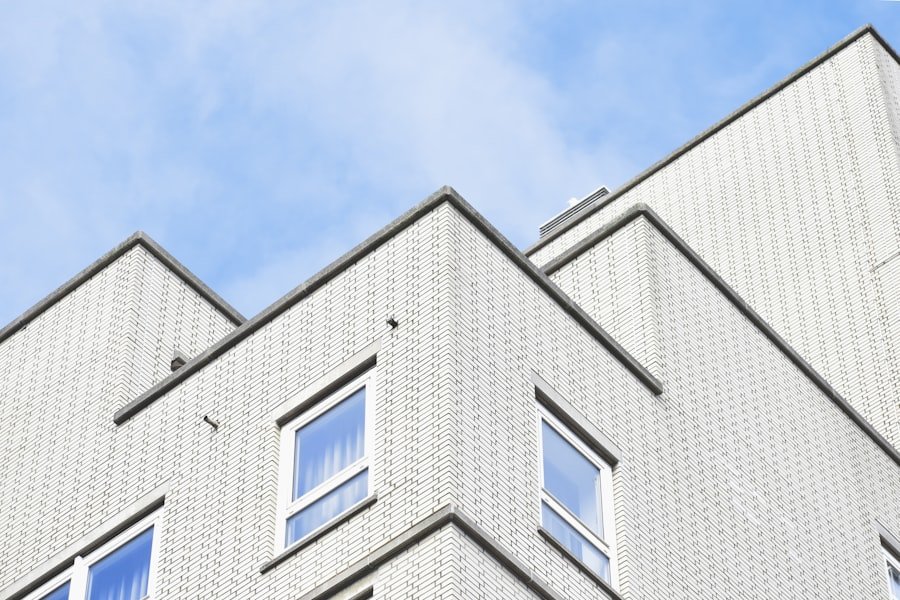
Once key areas for upgrades have been identified, the next step is to calculate the associated costs and potential returns. This process involves a thorough analysis of both direct and indirect expenses related to the upgrades. Direct costs include materials, labor, and any permits required for renovations, while indirect costs may encompass lost rental income during the upgrade process or increased utility expenses due to enhanced features.
To accurately assess potential returns, property owners should research comparable properties in Langford that have undergone similar upgrades. By analyzing rental rates and occupancy levels of these properties, landlords can estimate how much their own upgrades might increase their rental income. This data-driven approach allows property owners to make informed decisions about which upgrades are worth pursuing based on their potential ROI.
Prioritizing Upgrades for Maximum ROI
| Upgrade | Cost | Expected ROI |
|---|---|---|
| Energy-efficient lighting | 500 | 20% |
| Insulation | 1000 | 25% |
| Smart thermostat | 250 | 15% |
| Low-flow fixtures | 300 | 10% |
Not all upgrades are created equal when it comes to ROI. Therefore, prioritizing which improvements to undertake is crucial for maximizing returns. Property owners should consider factors such as cost-effectiveness, tenant preferences, and market trends when determining which upgrades to prioritize.
For instance, while a luxurious outdoor patio may seem appealing, it may not yield as high a return as a modernized kitchen or bathroom. Additionally, timing plays a significant role in prioritizing upgrades. Seasonal trends can influence tenant demand; for example, summer months may see increased interest in outdoor spaces, while winter may prompt tenants to prioritize heating efficiency.
By aligning upgrades with market demand and tenant preferences, property owners can ensure that their investments yield the highest possible returns.
Choosing the Right Materials and Finishes for Langford Rental Properties
The choice of materials and finishes can significantly impact both the aesthetic appeal and durability of rental property upgrades.
Property owners should opt for high-quality materials that not only enhance the visual appeal but also withstand wear and tear over time.
For instance, selecting durable flooring options such as luxury vinyl or tile can provide long-lasting value while minimizing maintenance costs.
Moreover, energy-efficient appliances and fixtures are increasingly sought after by tenants who prioritize sustainability and lower utility bills. Investing in these types of materials not only enhances the property’s appeal but also positions it favorably in a competitive rental market. By carefully selecting materials and finishes that align with tenant preferences and durability requirements, property owners can maximize both immediate returns and long-term value.
Evaluating the Impact of Upgrades on Rental Property Value and Rental Rates
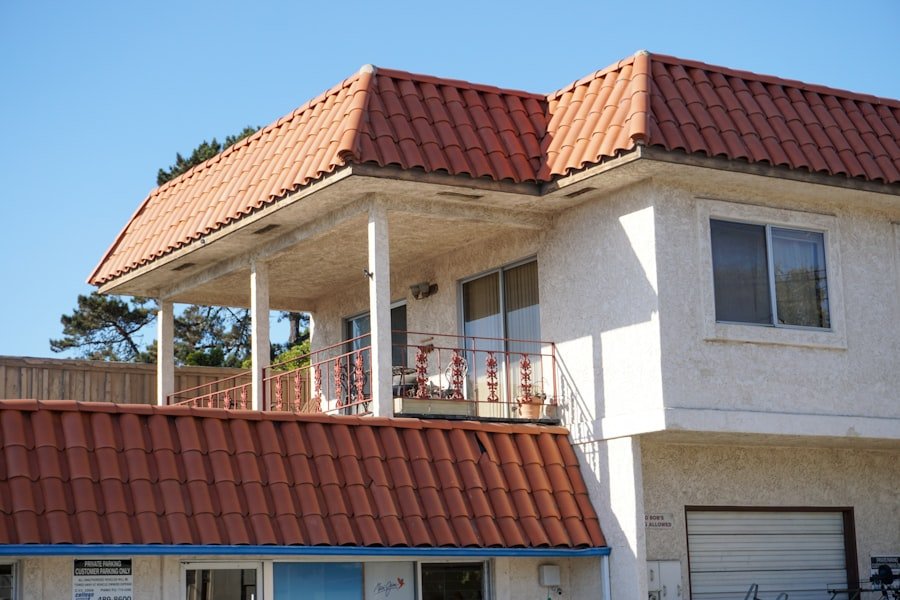
Upgrades have a direct correlation with both rental property value and rental rates. When executed thoughtfully, renovations can significantly increase a property’s market value, making it more attractive to potential buyers should the owner decide to sell in the future. Additionally, upgraded properties often command higher rental rates due to enhanced features and improved living conditions.
To evaluate this impact effectively, property owners should conduct regular assessments of their properties’ market value before and after upgrades. This analysis can help landlords understand how specific improvements have influenced their property’s worth and rental potential. By staying informed about market trends and tenant preferences, property owners can make strategic decisions that enhance both immediate cash flow and long-term investment value.
Considering Long-Term Maintenance and Operating Costs in ROI Calculations
While upgrades can yield significant returns, it is essential for property owners to consider long-term maintenance and operating costs when calculating ROI. Some renovations may require ongoing upkeep or lead to increased utility expenses that could offset initial gains. For example, while installing high-end appliances may attract tenants willing to pay more rent, these appliances may also require specialized maintenance or repairs that could diminish overall profitability.
To mitigate these risks, property owners should conduct thorough research on the long-term implications of their chosen upgrades. This includes understanding warranty options, maintenance requirements, and potential energy savings associated with new installations. By factoring in these considerations during the planning phase, landlords can make informed decisions that support sustainable profitability over time.
Factoring in Tax Incentives and Rebates for Rental Property Upgrades
Tax incentives and rebates can play a significant role in enhancing the financial viability of rental property upgrades. Many local governments offer programs designed to encourage property owners to invest in energy-efficient improvements or renovations that enhance community aesthetics. These incentives can help offset initial costs and improve overall ROI.
Property owners should familiarize themselves with available tax credits or rebates specific to their region in Langford. Consulting with a tax professional or real estate advisor can provide valuable insights into how these incentives can be leveraged effectively. By incorporating tax benefits into their upgrade plans, landlords can further enhance their financial outcomes while contributing positively to their communities.
Assessing the Market Demand for Upgraded Rental Properties in Langford
Understanding market demand is crucial for making informed decisions about rental property upgrades. In Langford, trends may shift based on demographic changes, economic conditions, or evolving tenant preferences. Conducting thorough market research allows property owners to gauge what types of upgrades are most sought after by prospective tenants.
Engaging with local real estate professionals or utilizing online resources can provide valuable insights into current market dynamics. By staying attuned to tenant preferences—such as open floor plans, modern kitchens, or outdoor spaces—property owners can tailor their upgrade strategies to align with demand.
This proactive approach ensures that investments are not only relevant but also positioned for success in an ever-changing rental landscape.
Monitoring and Adjusting ROI Calculations as Upgrades are Implemented
As upgrades are implemented, it is essential for property owners to continuously monitor and adjust their ROI calculations based on real-time data. This involves tracking expenses associated with each upgrade as well as any changes in rental income or occupancy rates resulting from those improvements. Regularly reviewing these metrics allows landlords to assess whether their initial projections align with actual outcomes.
If certain upgrades do not yield the expected returns, property owners should be prepared to pivot their strategies accordingly. This may involve reassessing future upgrade plans or reallocating resources toward more effective improvements. By maintaining flexibility and responsiveness throughout the upgrade process, landlords can optimize their investments for maximum profitability.
Case Studies and Examples of Successful ROI Maximization in Langford Rental Properties
Examining case studies of successful ROI maximization in Langford rental properties provides valuable insights into effective upgrade strategies. For instance, one property owner invested in a comprehensive kitchen renovation that included modern appliances, new cabinetry, and updated countertops. As a result of these enhancements, they were able to increase their rental rate by 20%, significantly boosting their overall ROI.
Another example involves a landlord who focused on improving energy efficiency by installing double-glazed windows and upgrading insulation throughout their property. Not only did these changes attract environmentally conscious tenants willing to pay higher rents, but they also resulted in lower utility costs over time—further enhancing profitability. These case studies illustrate how strategic upgrades can lead to substantial financial gains while also improving tenant satisfaction.
By learning from successful examples within the Langford market, property owners can develop tailored upgrade plans that align with their unique goals and maximize their investment potential. In conclusion, understanding ROI in rental property upgrades is essential for landlords seeking to enhance profitability in Langford’s competitive market. By identifying key areas for improvement, calculating costs and potential returns, prioritizing upgrades wisely, choosing quality materials, evaluating impacts on value and rates, considering long-term costs, leveraging tax incentives, assessing market demand, monitoring progress, and learning from successful case studies—property owners can position themselves for success while maximizing their investment potential over time.
Investing in rental property upgrades can significantly enhance the return on investment (ROI) for property owners in Langford. By making strategic improvements, landlords can attract higher-quality tenants and potentially increase rental income. For those considering such upgrades, it’s crucial to have a reliable property manager who can provide expert advice and manage the property efficiently. An article that delves into the importance of having a trusted property manager can be found here. This resource highlights how professional management can maximize the benefits of property upgrades and ensure a smooth rental experience.
FAQs
What is the ROI for rental property upgrades in Langford?
The return on investment (ROI) for rental property upgrades in Langford can vary depending on the specific upgrades made and the local rental market conditions. However, investing in upgrades such as modern kitchens, updated bathrooms, and energy-efficient features can generally yield a higher ROI.
What are some common rental property upgrades that can increase ROI in Langford?
Common rental property upgrades that can increase ROI in Langford include modernizing kitchens and bathrooms, installing energy-efficient appliances and fixtures, improving curb appeal with landscaping and exterior updates, and adding amenities such as in-unit laundry or outdoor living spaces.
How can landlords calculate the ROI for rental property upgrades in Langford?
Landlords can calculate the ROI for rental property upgrades in Langford by comparing the cost of the upgrades to the expected increase in rental income or property value. The formula for ROI is (Net Profit / Cost of Investment) x 100. Net profit is the additional income generated from the upgrades, and the cost of investment includes the upfront costs of the upgrades.
Are there any specific regulations or requirements for rental property upgrades in Langford?
Landlords in Langford must comply with local building codes and regulations when making rental property upgrades. It’s important to obtain any necessary permits and ensure that the upgrades meet safety and quality standards. Additionally, landlords should be aware of any specific requirements related to energy efficiency or accessibility.
What are the potential benefits of investing in rental property upgrades in Langford?
Investing in rental property upgrades in Langford can lead to several potential benefits, including increased rental income, higher property value, improved tenant satisfaction and retention, reduced maintenance costs, and a competitive edge in the rental market. Upgrades can also attract higher-quality tenants.