
Key Facts About Effective Pest Control for Rental Properties in Langford
Langford, a vibrant suburb in Western Australia, is not only known for its picturesque landscapes and community spirit but also for the variety of pests that can invade residential properties. Among the most common pests in this area are cockroaches, ants, spiders, and rodents. Cockroaches thrive in warm, humid environments and can often be found in kitchens and bathrooms, where food and moisture are readily available.
Ants, on the other hand, are social insects that can form large colonies, making them a persistent nuisance as they search for food. Spiders, while beneficial in controlling other pest populations, can become a concern when they invade living spaces. Rodents, including mice and rats, pose significant health risks as they can contaminate food and spread diseases.
Understanding these pests is crucial for property owners and managers in Langford. Each pest has its own unique behavior and habitat preferences, which means that effective control strategies must be tailored to address specific infestations. For instance, knowing that cockroaches are nocturnal can help in setting traps and baits during their active hours.
Similarly, recognizing the trails that ants follow can lead to more effective bait placement. By familiarizing themselves with the common pests in Langford, property owners can take proactive steps to mitigate infestations before they escalate into larger problems.
Key Takeaways
- Common pests in Langford include rodents, ants, cockroaches, and bed bugs
- Pest control in rental properties is important to maintain the property’s value and ensure tenant satisfaction
- Hiring professional pest control services can effectively address pest issues and provide long-term solutions
- Implementing preventative measures such as sealing cracks and keeping the property clean can help reduce pest infestations
- Regular inspections and monitoring are essential to identify and address pest problems early on
Importance of Pest Control in Rental Properties
Pest control is not just a matter of comfort; it is a critical aspect of maintaining rental properties. For landlords and property managers, ensuring a pest-free environment is essential for tenant satisfaction and retention. A property infested with pests can lead to negative reviews, high turnover rates, and ultimately a loss of revenue.
Tenants expect their living spaces to be clean and safe, and the presence of pests can significantly diminish their quality of life. Moreover, pest infestations can lead to property damage, as pests like termites can compromise the structural integrity of buildings. In addition to protecting the property’s value, effective pest control is also a legal obligation for landlords.
Under the Residential Tenancies Act, landlords are required to provide a habitable living environment for their tenants. This includes taking necessary measures to control pests and ensuring that the property remains free from infestations. Failure to address pest issues promptly can result in legal repercussions and financial liabilities.
Therefore, investing in regular pest control services is not only beneficial for tenant satisfaction but also a smart business decision for property owners.
Hiring Professional Pest Control Services
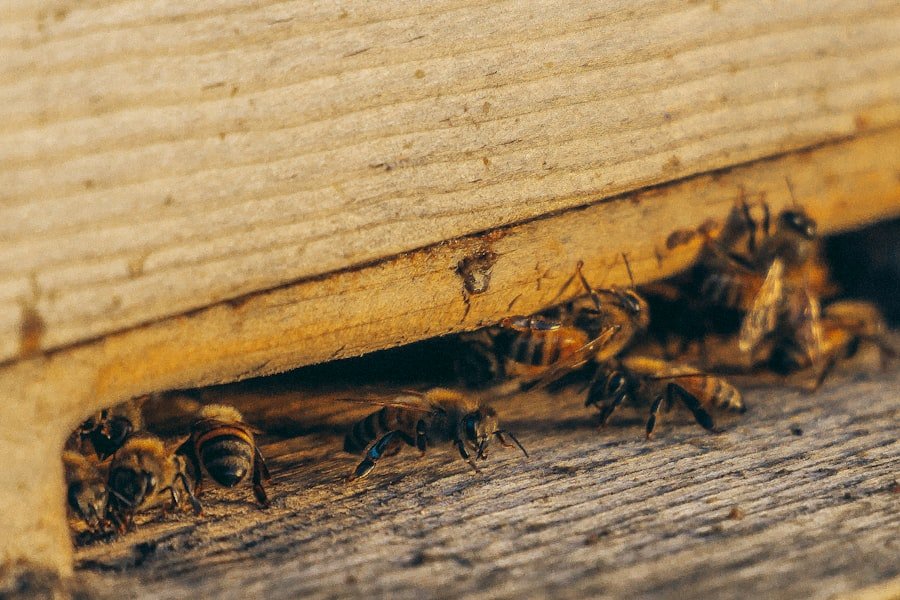
When it comes to pest control, hiring professional services is often the most effective approach. While DIY methods may seem cost-effective initially, they often fail to address the root cause of infestations and can lead to recurring problems.
They are trained to recognize signs of infestations that may go unnoticed by untrained eyes, ensuring that no corner of the property is overlooked. Moreover, professional pest control services offer tailored solutions based on the specific needs of each property. They conduct thorough inspections to assess the extent of the infestation and develop a comprehensive treatment plan that addresses both immediate concerns and long-term prevention strategies.
By entrusting pest control to professionals, property owners can rest assured that their investments are being protected by knowledgeable experts who adhere to industry standards and regulations.
Implementing Preventative Measures
| Preventative Measures | Metrics |
|---|---|
| Hand Hygiene | Number of handwashing stations |
| Social Distancing | Percentage of capacity limit enforced |
| Mask Wearing | Compliance rate with mask mandate |
| Cleaning and Disinfecting | Frequency of cleaning schedule |
Preventative measures are essential in maintaining a pest-free environment in rental properties. Property owners should take proactive steps to minimize the risk of infestations before they occur. This includes sealing cracks and crevices in walls, windows, and doors to prevent pests from entering the premises.
Additionally, ensuring that all food items are stored in airtight containers can significantly reduce attractants for pests like ants and cockroaches. Regular maintenance is also crucial in preventing pest issues. Property owners should routinely inspect their properties for signs of wear and tear that could create entry points for pests.
This includes checking for gaps around plumbing fixtures, repairing damaged screens, and ensuring that gutters are clean and functioning properly. By implementing these preventative measures, landlords can create an environment that is less conducive to pest infestations, ultimately saving time and money on pest control services.
Regular Inspections and Monitoring
Regular inspections and monitoring are vital components of an effective pest management strategy. Property owners should schedule routine inspections to identify potential pest problems before they escalate into full-blown infestations. These inspections should be thorough and cover both the interior and exterior of the property.
By keeping a close eye on areas prone to pest activity, such as basements, attics, and outdoor spaces, landlords can catch issues early on. In addition to scheduled inspections, monitoring for signs of pests should be an ongoing practice. This includes being vigilant about unusual noises, droppings, or damage to property that may indicate an infestation.
Tenants should also be encouraged to report any sightings or concerns promptly. By fostering open communication between landlords and tenants regarding pest issues, property owners can ensure that any potential problems are addressed swiftly and effectively.
Proper Waste Management and Storage

Proper waste management is a critical factor in preventing pest infestations in rental properties. Pests are often attracted to food waste and garbage, making it essential for property owners to implement effective waste disposal practices. Landlords should provide tenants with clear guidelines on how to dispose of waste properly, including using sealed bins and taking out garbage regularly.
Additionally, outdoor waste storage areas should be kept clean and organized to deter pests from congregating. This includes ensuring that dumpsters are emptied frequently and that lids are securely closed. By maintaining a clean waste management system, property owners can significantly reduce the likelihood of attracting pests to their properties.
Addressing Moisture and Water Leaks
Moisture is a key factor that attracts many pests, making it crucial for property owners to address any water leaks or damp areas promptly. Common household pests such as termites and cockroaches thrive in moist environments, so identifying sources of moisture is essential in preventing infestations. Property owners should regularly inspect plumbing fixtures for leaks and ensure that roofs are free from damage that could lead to water intrusion.
In addition to fixing leaks, proper ventilation is important in reducing humidity levels within properties. Landlords should ensure that bathrooms, kitchens, and laundry areas are well-ventilated to prevent moisture buildup. By addressing moisture issues proactively, property owners can create an environment that is less inviting to pests while also promoting the overall health of their rental properties.
Educating Tenants on Pest Control
Educating tenants about pest control is an essential aspect of maintaining a pest-free rental property. Property owners should provide tenants with information on how to prevent infestations through simple practices such as proper food storage and cleanliness. By empowering tenants with knowledge about common pests and their behaviors, landlords can foster a collaborative approach to pest management.
Additionally, landlords should encourage tenants to report any signs of pests immediately rather than waiting until the problem escalates. Open communication between landlords and tenants regarding pest issues can lead to quicker resolutions and minimize potential damage to the property. By working together, both parties can contribute to maintaining a safe and comfortable living environment.
Using Environmentally-Friendly Pest Control Methods
As awareness of environmental issues grows, many property owners are seeking environmentally-friendly pest control methods as part of their management strategies. These methods prioritize the use of natural ingredients and techniques that minimize harm to non-target species and the surrounding ecosystem. Professional pest control companies often offer green alternatives that effectively manage pests while reducing chemical exposure for tenants.
Implementing environmentally-friendly pest control methods not only benefits the environment but also appeals to tenants who prioritize sustainability in their living spaces. By choosing eco-friendly options, property owners can demonstrate their commitment to responsible management practices while still effectively addressing pest issues.
Dealing with Infestations in a Timely Manner
When it comes to pest infestations, time is of the essence.
Property owners must be vigilant in monitoring for signs of infestations and act quickly when issues arise.
This may involve contacting professional pest control services immediately upon discovering evidence of pests. Timely intervention not only protects the property but also safeguards tenant health and well-being. Infestations can pose serious health risks due to allergens or diseases carried by pests; therefore, addressing these issues promptly is crucial for maintaining a safe living environment.
Maintaining a Clean and Well-Maintained Property
Ultimately, maintaining a clean and well-maintained property is one of the most effective ways to prevent pest infestations. Regular cleaning routines should be established for both common areas and individual units to ensure that food debris or clutter does not attract pests. Property owners should also invest in routine maintenance checks to address any structural issues that could create entry points for pests.
By prioritizing cleanliness and maintenance, landlords not only enhance tenant satisfaction but also protect their investments from potential damage caused by pests. A well-cared-for property sends a message of professionalism and responsibility, fostering positive relationships with tenants while minimizing the risk of infestations. In conclusion, effective pest management in rental properties requires a multifaceted approach that includes understanding common pests, implementing preventative measures, hiring professional services when necessary, educating tenants, and maintaining cleanliness throughout the property.
By taking these proactive steps, property owners can create a safe and comfortable living environment while protecting their investments from potential damage caused by pests.
When managing a rental property, especially in areas like Langford, pest control is a crucial aspect to ensure tenant satisfaction and property maintenance. It’s essential for property managers and landlords to understand the dynamics of maintaining a property, which includes securing transactions and understanding real estate trust accounts. For more insights into the operational dynamics of real estate management, you can read the article on securing transactions and understanding real estate trust accounts. This article provides valuable information that can help property managers streamline their operations and ensure a smooth rental experience for both landlords and tenants.
FAQs
What is Langford pest control rental property?
Langford pest control for rental properties refers to the management and prevention of pests such as insects, rodents, and other unwanted creatures in rental properties located in Langford, British Columbia.
Why is pest control important for rental properties in Langford?
Pest control is important for rental properties in Langford to ensure the health and safety of tenants, protect the property from damage, and maintain a clean and habitable living environment.
What are common pests found in rental properties in Langford?
Common pests found in rental properties in Langford may include ants, cockroaches, rodents, bed bugs, and spiders. These pests can cause damage to the property and pose health risks to tenants.
How can landlords or property managers address pest control in rental properties in Langford?
Landlords or property managers can address pest control in rental properties in Langford by implementing regular inspections, maintaining cleanliness, sealing entry points, and hiring professional pest control services when necessary.
Are there any regulations or laws regarding pest control in rental properties in Langford?
Landlords in Langford are responsible for maintaining rental properties in a good state of repair, which includes addressing pest infestations. There may be specific regulations or bylaws related to pest control that landlords must adhere to.
What are the benefits of hiring professional pest control services for rental properties in Langford?
Hiring professional pest control services for rental properties in Langford can ensure thorough and effective pest management, minimize the risk of re-infestation, and provide peace of mind for both landlords and tenants.