
A Closer Look at Langford Rental Property Fire Safety: A Crucial Priority
Fire safety is a critical concern for both landlords and tenants in Langford, as it directly impacts the well-being of residents and the integrity of properties. The potential for fire-related incidents is ever-present, making it essential for all parties involved to prioritize safety measures. A fire can lead to devastating consequences, including loss of life, injury, and significant property damage.
Therefore, understanding the importance of fire safety in rental properties is paramount for fostering a secure living environment. Moreover, ensuring fire safety not only protects individuals but also enhances the overall value of rental properties. Properties that are well-equipped with fire safety measures are more attractive to potential tenants, as they demonstrate a commitment to tenant welfare.
Landlords who prioritize fire safety can also mitigate their liability risks, as they are less likely to face legal repercussions stemming from negligence. In this way, fire safety is not just a regulatory requirement; it is a fundamental aspect of responsible property management.
Key Takeaways
- Fire safety in rental properties is crucial for the protection of tenants and the preservation of property.
- Common fire hazards in rental properties include faulty wiring, cooking equipment, heating appliances, and smoking materials.
- Landlords are responsible for providing and maintaining fire safety equipment, while tenants are responsible for using it properly and reporting any issues.
- Essential fire safety equipment for rental properties includes smoke alarms, carbon monoxide detectors, fire extinguishers, and emergency lighting.
- Creating a fire escape plan for rental properties is essential for ensuring that tenants know how to safely evacuate in case of a fire.
Common Fire Hazards in Rental Properties
Identifying common fire hazards in rental properties is the first step toward effective prevention. One of the most prevalent risks is faulty electrical wiring, which can lead to short circuits and electrical fires. Overloaded power outlets and the use of extension cords can exacerbate this issue, creating a dangerous environment for tenants.
Additionally, improper use of heating appliances, such as space heaters or stoves, can also pose significant fire risks if not monitored closely. Another common hazard is the accumulation of flammable materials within the property. Items such as paper, cardboard, and textiles can ignite easily and spread flames rapidly.
Kitchens are particularly vulnerable areas, where cooking accidents can lead to fires if left unattended. By recognizing these hazards, landlords and tenants can work together to implement preventive measures that significantly reduce the risk of fire incidents.
Responsibilities of Landlords and Tenants in Fire Safety
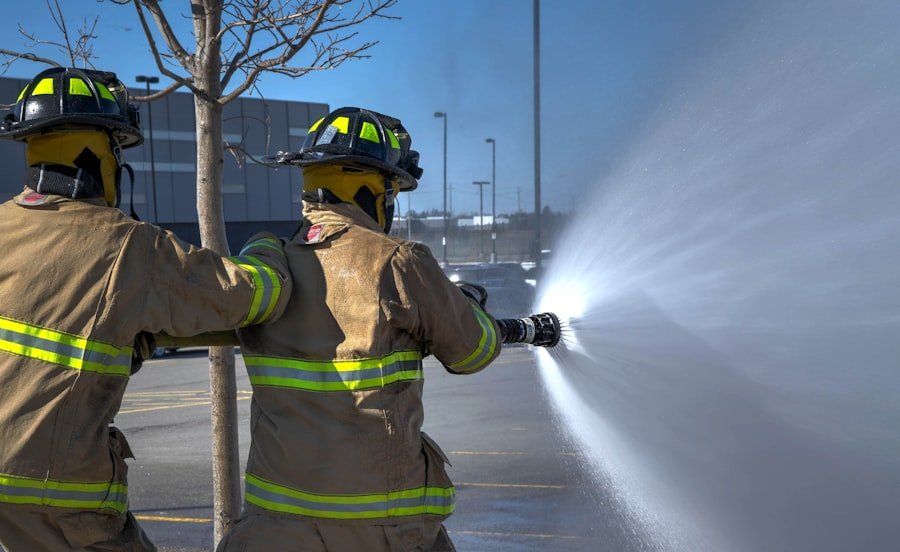
Both landlords and tenants have distinct responsibilities when it comes to fire safety in rental properties. Landlords are primarily responsible for ensuring that the property meets all fire safety regulations and standards. This includes installing smoke alarms, providing fire extinguishers, and ensuring that all electrical systems are up to code.
Regular maintenance checks should be conducted to identify any potential hazards and rectify them promptly. On the other hand, tenants also play a crucial role in maintaining fire safety within their homes. They should be educated about the importance of fire safety protocols and encouraged to report any issues or concerns to their landlords immediately.
Tenants must also take personal responsibility for their actions, such as avoiding the use of faulty appliances or leaving cooking unattended. By fostering a collaborative approach to fire safety, both parties can contribute to a safer living environment.
Essential Fire Safety Equipment for Langford Rental Properties
| Fire Safety Equipment | Quantity | Location |
|---|---|---|
| Smoke Alarms | 1 per floor | In each bedroom and hallway |
| Fire Extinguishers | 1 per floor | Kitchen and near exits |
| Fire Blankets | 1 per kitchen | Accessible in the kitchen area |
| Emergency Exit Signs | As needed | Clearly visible near exits |
Equipping rental properties with essential fire safety equipment is vital for protecting residents and minimizing risks. Smoke alarms are perhaps the most critical component of any fire safety strategy. These devices provide early warning signals in the event of a fire, allowing occupants to evacuate safely.
It is essential that smoke alarms are installed in every bedroom, hallway, and common area, and that they are tested regularly to ensure functionality. In addition to smoke alarms, landlords should consider providing fire extinguishers in easily accessible locations throughout the property. Fire extinguishers can be invaluable in controlling small fires before they escalate into larger emergencies.
Furthermore, clear signage indicating escape routes and emergency exits should be prominently displayed to guide tenants during an evacuation. By investing in these essential safety measures, landlords demonstrate their commitment to tenant welfare while significantly reducing the risk of fire-related incidents.
Creating a Fire Escape Plan for Rental Properties
A well-thought-out fire escape plan is crucial for ensuring the safety of tenants in rental properties. This plan should outline clear evacuation routes and procedures that residents can follow in the event of a fire. Landlords should work with tenants to develop this plan, taking into account the unique layout of the property and any potential obstacles that may hinder evacuation.
Regular drills should be conducted to familiarize tenants with the escape plan and ensure that everyone knows how to respond in an emergency. It is also important to designate a meeting point outside the property where tenants can gather after evacuating.
By prioritizing the creation and implementation of a fire escape plan, landlords can significantly improve tenant safety and preparedness.
Importance of Smoke Alarms and Carbon Monoxide Detectors in Rental Properties
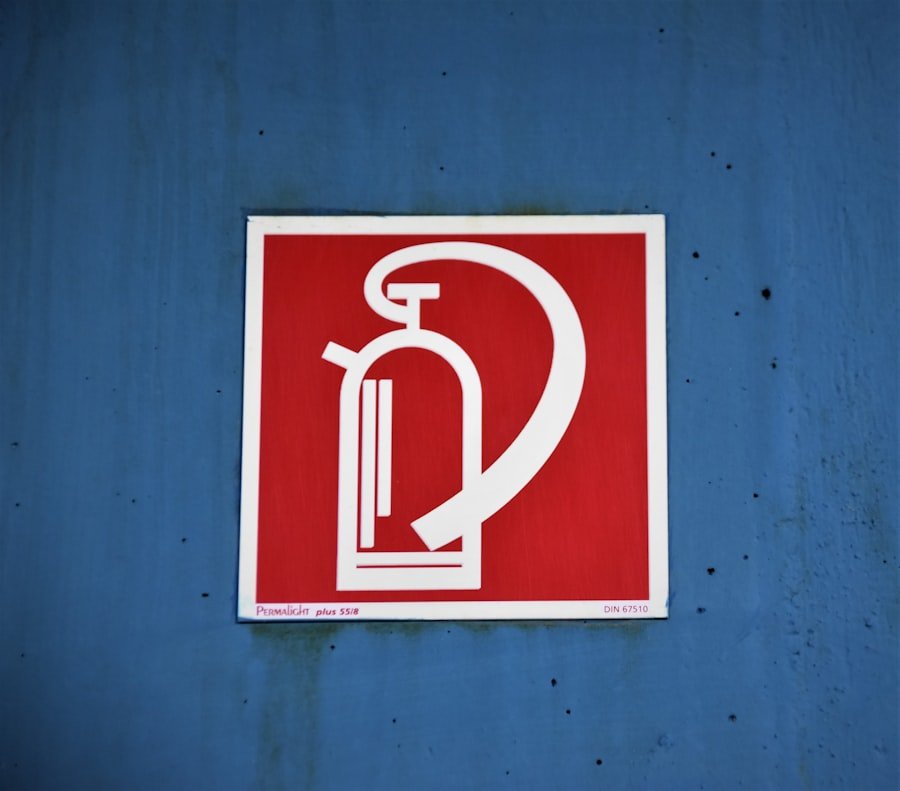
Smoke alarms and carbon monoxide detectors are essential components of any comprehensive fire safety strategy in rental properties. Smoke alarms serve as an early warning system, alerting occupants to potential fires before they become life-threatening. It is crucial that these devices are installed correctly and maintained regularly to ensure their effectiveness.
Carbon monoxide detectors are equally important, as carbon monoxide is a silent killer that can result from malfunctioning heating systems or appliances. These detectors provide an additional layer of protection for tenants by alerting them to dangerous gas levels before they become harmful. Landlords must ensure that both smoke alarms and carbon monoxide detectors are present in their properties and that tenants understand their significance.
By prioritizing these safety devices, landlords can create a safer living environment for all residents.
Regular Maintenance and Inspections for Fire Safety in Rental Properties
Regular maintenance and inspections are vital for ensuring ongoing fire safety in rental properties. Landlords should establish a routine schedule for checking smoke alarms, carbon monoxide detectors, and fire extinguishers to ensure they are functioning correctly. Additionally, electrical systems should be inspected periodically by qualified professionals to identify any potential hazards before they escalate into serious issues.
Tenants should also be encouraged to report any maintenance concerns promptly, as their observations can provide valuable insights into potential fire hazards. By fostering open communication between landlords and tenants regarding maintenance issues, both parties can work together to uphold high standards of fire safety within the property.
Educating Tenants on Fire Safety Protocols
Education plays a crucial role in promoting fire safety within rental properties. Landlords should take the initiative to educate tenants about fire safety protocols during lease signings or orientation sessions. This education should cover essential topics such as proper use of appliances, safe cooking practices, and how to respond in case of a fire emergency.
Providing tenants with written materials outlining fire safety procedures can also be beneficial. These resources should include information on how to operate fire extinguishers, how to recognize potential hazards, and what steps to take during an evacuation. By empowering tenants with knowledge about fire safety protocols, landlords can foster a culture of awareness and preparedness that ultimately enhances overall safety within the property.
Legal Requirements for Fire Safety in Langford Rental Properties
In Langford, landlords must adhere to specific legal requirements regarding fire safety in rental properties. The Residential Tenancies Act outlines various obligations that landlords must fulfill to ensure tenant safety. This includes maintaining smoke alarms in working order and ensuring that all electrical systems comply with relevant regulations.
Failure to comply with these legal requirements can result in significant penalties for landlords, including fines or legal action from tenants or regulatory authorities. Therefore, it is imperative for landlords to stay informed about current laws and regulations related to fire safety in rental properties. By prioritizing compliance with legal requirements, landlords not only protect their investments but also demonstrate their commitment to tenant welfare.
Insurance Considerations for Fire Safety in Rental Properties
Insurance considerations are another critical aspect of fire safety in rental properties. Landlords should ensure that they have adequate insurance coverage that includes protection against fire-related incidents. This coverage can help mitigate financial losses resulting from property damage or liability claims arising from tenant injuries due to fires.
Tenants should also be encouraged to obtain renters’ insurance that covers personal belongings in case of a fire or other emergencies. This insurance provides peace of mind for tenants while protecting their assets from unforeseen events. By addressing insurance considerations related to fire safety, both landlords and tenants can safeguard themselves against potential financial repercussions stemming from fire incidents.
Resources for Landlords and Tenants to Improve Fire Safety in Rental Properties
Numerous resources are available for landlords and tenants seeking to improve fire safety in rental properties. Local government websites often provide valuable information on fire safety regulations and best practices specific to Langford. Additionally, organizations such as the National Fire Protection Association (NFPA) offer educational materials and resources aimed at promoting fire safety awareness.
Landlords may also consider attending workshops or training sessions focused on property management best practices related to fire safety. These opportunities provide valuable insights into effective strategies for maintaining safe living environments while complying with legal requirements. By leveraging available resources, both landlords and tenants can work collaboratively toward enhancing fire safety within rental properties.
In conclusion, prioritizing fire safety in Langford rental properties is essential for protecting residents and preserving property value. By understanding common hazards, fulfilling responsibilities, equipping properties with essential safety equipment, creating escape plans, educating tenants, complying with legal requirements, addressing insurance considerations, and utilizing available resources, both landlords and tenants can contribute significantly to a safer living environment. Ultimately, fostering a culture of awareness and preparedness will lead to improved outcomes for everyone involved in the rental process.
When considering fire safety measures for rental properties in Langford, it’s crucial to ensure that all safety protocols are up to date and compliant with local regulations. Property managers play a vital role in maintaining these standards, ensuring that both tenants and properties are protected. For those looking to enhance their property management strategies, particularly in areas like Langford, it might be beneficial to explore resources on effective property management. A related article that could provide valuable insights is available on how to find a reliable property manager in Gosnells, WA, Australia. You can read more about it by visiting this link.
FAQs
What are the fire safety requirements for rental properties in Langford?
In Langford, rental properties are required to meet specific fire safety standards outlined in the BC Building Code and the BC Fire Code. These standards include having working smoke detectors, fire extinguishers, and clearly marked fire exits.
Are landlords responsible for ensuring fire safety in rental properties?
Yes, landlords are responsible for ensuring that their rental properties meet all fire safety requirements. This includes regular maintenance and testing of smoke detectors and fire extinguishers, as well as ensuring that all fire exits are clear and accessible.
What are the consequences for not meeting fire safety requirements in rental properties?
Failure to meet fire safety requirements in rental properties can result in fines and penalties for landlords. In addition, non-compliance with fire safety standards can put tenants at risk and may result in legal action if a fire occurs.
What should tenants do to ensure fire safety in their rental properties?
Tenants should familiarize themselves with the fire safety features of their rental property, including the location of smoke detectors, fire extinguishers, and fire exits. Tenants should also report any issues with fire safety equipment to their landlord immediately.
Are there any resources available to help landlords and tenants with fire safety in rental properties?
Yes, the Langford Fire Department provides resources and information to help landlords and tenants understand and meet fire safety requirements in rental properties. Additionally, the BC Safety Authority offers guidelines and resources for fire safety in rental properties.