
A Closer Look at Langford Rental Property Inspection Schedule: Ensuring Quality and Compliance
Regular inspections are a cornerstone of effective property management, serving as a proactive measure to maintain the integrity and value of rental properties. These inspections not only help identify potential issues before they escalate into costly repairs but also ensure that the property remains in compliance with local regulations. By conducting routine checks, property managers can assess the condition of the property, ensuring that it meets the expectations of both landlords and tenants.
This practice fosters a sense of trust and transparency, which is essential in maintaining positive relationships with tenants. Moreover, regular inspections provide an opportunity to reinforce the importance of tenant responsibility. When tenants know that inspections are scheduled, they are more likely to take care of the property, leading to a mutually beneficial arrangement.
This proactive approach not only protects the landlord’s investment but also enhances tenant satisfaction, as they feel their living environment is being cared for and maintained. In essence, regular inspections are not merely a formality; they are a vital strategy for preserving property value and ensuring tenant happiness.
Key Takeaways
- Regular inspections are important for maintaining rental properties and ensuring tenant satisfaction.
- Understanding local rental property regulations is crucial for compliance and avoiding legal issues.
- Creating a comprehensive inspection checklist helps ensure no areas are overlooked during inspections.
- Scheduling inspections efficiently can save time and resources for property managers.
- Communicating with tenants about inspection dates helps maintain a positive landlord-tenant relationship.
Understanding Local Rental Property Regulations
Navigating the complex landscape of local rental property regulations is crucial for any property manager. Each jurisdiction has its own set of laws governing rental properties, including tenant rights, eviction processes, and maintenance responsibilities. Understanding these regulations is not just about compliance; it is about safeguarding the interests of both landlords and tenants.
A thorough knowledge of local laws ensures that property managers can effectively advocate for their clients while also protecting tenants from unfair practices. Furthermore, staying informed about changes in legislation is essential for maintaining compliance and avoiding potential legal pitfalls. Regular training and education on local rental laws can empower property managers to make informed decisions that benefit all parties involved.
By prioritizing compliance with local regulations, property managers can create a stable and secure rental environment, fostering trust and confidence among tenants and landlords alike.
Creating a Comprehensive Inspection Checklist

A well-structured inspection checklist is an invaluable tool for property managers, serving as a roadmap for thorough evaluations of rental properties. This checklist should encompass all critical areas of the property, including structural integrity, plumbing, electrical systems, and overall cleanliness. By having a comprehensive checklist in place, property managers can ensure that no detail is overlooked during inspections, leading to more accurate assessments and timely maintenance.
Additionally, a detailed checklist can streamline the inspection process, making it more efficient and effective. It allows property managers to systematically evaluate each aspect of the property, ensuring consistency across inspections. This level of organization not only enhances the quality of inspections but also provides a clear record of findings that can be referenced in future evaluations.
Ultimately, a comprehensive inspection checklist is an essential component of effective property management, contributing to the overall success of rental operations.
Scheduling Inspections for Maximum Efficiency
| Inspection Type | Frequency | Efficiency Metric |
|---|---|---|
| Fire Safety | Quarterly | Average time per inspection |
| Building Code | Annually | Number of inspections per day |
| Health and Safety | Bi-annually | Percentage of inspections completed on time |
Scheduling inspections in a manner that maximizes efficiency is crucial for property managers aiming to optimize their time and resources. By strategically planning inspection dates and times, property managers can minimize disruptions to tenants while ensuring that all properties are evaluated in a timely manner. This requires careful consideration of tenant schedules, seasonal factors, and maintenance needs to create an inspection calendar that works for everyone involved.
Moreover, utilizing technology can greatly enhance scheduling efficiency. Online booking systems and automated reminders can streamline the process, reducing the administrative burden on property managers while improving communication with tenants. By adopting a proactive approach to scheduling inspections, property managers can ensure that properties are consistently monitored and maintained, ultimately leading to higher tenant satisfaction and better overall property performance.
Communicating with Tenants about Inspection Dates
Effective communication with tenants regarding inspection dates is essential for fostering a positive relationship and ensuring smooth operations. Property managers should provide ample notice before inspections, allowing tenants to prepare their living spaces and address any concerns they may have. Clear communication not only demonstrates respect for tenants’ privacy but also reinforces the importance of inspections in maintaining the quality of their living environment.
Additionally, property managers should be open to feedback from tenants regarding inspection schedules. By actively engaging with tenants and considering their preferences, property managers can create a collaborative atmosphere that encourages cooperation during inspections. This level of communication not only enhances tenant satisfaction but also contributes to a more efficient inspection process, ultimately benefiting both landlords and tenants.
Conducting Thorough Inspections for Quality Assurance
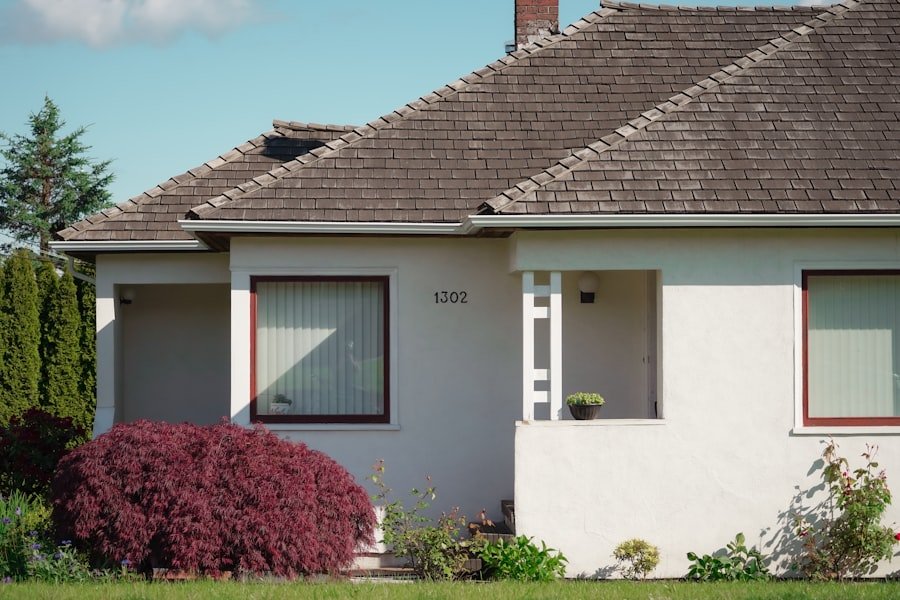
Conducting thorough inspections is paramount for ensuring quality assurance in property management. Property managers must approach each inspection with a keen eye for detail, meticulously evaluating every aspect of the property. This includes checking for signs of wear and tear, assessing the functionality of appliances and systems, and identifying any potential safety hazards.
A thorough inspection not only helps maintain the property’s value but also ensures that tenants are living in a safe and comfortable environment. Moreover, thorough inspections provide an opportunity for property managers to build rapport with tenants. By taking the time to explain findings and address any concerns during the inspection process, property managers can demonstrate their commitment to quality service.
This level of engagement fosters trust between landlords and tenants, ultimately leading to longer lease agreements and reduced turnover rates.
Addressing Maintenance and Repair Needs Promptly
Promptly addressing maintenance and repair needs is a critical aspect of effective property management. When issues arise within a rental property, timely intervention can prevent minor problems from escalating into major repairs that could significantly impact both tenant satisfaction and property value. Property managers must prioritize maintenance requests and ensure that qualified professionals are dispatched quickly to resolve any issues.
Additionally, maintaining open lines of communication with tenants regarding maintenance requests is essential.
Tenants should feel empowered to report issues without fear of repercussions, knowing that their concerns will be addressed promptly and professionally. By fostering a culture of responsiveness and accountability, property managers can enhance tenant satisfaction while protecting the long-term value of the properties they manage.
Documenting Inspection Findings and Actions Taken
Thorough documentation of inspection findings and actions taken is vital for effective property management.
Keeping detailed records allows property managers to track the condition of each property over time, providing valuable insights into maintenance trends and potential areas for improvement.
This documentation serves as a reference point for future inspections and can be instrumental in resolving disputes between landlords and tenants.
Moreover, maintaining accurate records demonstrates professionalism and accountability in property management practices. In the event of legal disputes or regulatory inquiries, having comprehensive documentation readily available can protect both landlords and property managers from potential liabilities. Ultimately, diligent record-keeping is an essential practice that contributes to transparency and trust in the landlord-tenant relationship.
Ensuring Compliance with Health and Safety Standards
Ensuring compliance with health and safety standards is a fundamental responsibility for property managers. Rental properties must meet specific regulations regarding fire safety, sanitation, and structural integrity to provide a safe living environment for tenants. Property managers must stay informed about local health codes and safety regulations to ensure that their properties remain compliant at all times.
Additionally, conducting regular safety inspections can help identify potential hazards before they pose a risk to tenants. By prioritizing health and safety compliance, property managers not only protect their tenants but also safeguard their clients’ investments. A commitment to maintaining high safety standards enhances the reputation of the property management agency while fostering trust among tenants.
Utilizing Technology for Streamlined Inspection Processes
In today’s digital age, leveraging technology can significantly enhance the efficiency of inspection processes in property management. Various software solutions are available that allow property managers to schedule inspections, document findings, and communicate with tenants seamlessly. Utilizing these tools can streamline operations, reduce administrative burdens, and improve overall service delivery.
Moreover, technology can facilitate remote inspections through virtual tours or video calls when necessary. This flexibility allows property managers to adapt to changing circumstances while still ensuring that properties are regularly monitored. By embracing technology in inspection processes, property managers can enhance their effectiveness while providing superior service to both landlords and tenants.
Continuous Improvement and Adaptation of Inspection Procedures
The landscape of property management is constantly evolving, necessitating continuous improvement and adaptation of inspection procedures. Property managers must remain open to feedback from tenants and landlords alike, using this input to refine their processes continually. Regularly reviewing inspection protocols ensures that they remain relevant and effective in addressing the needs of all stakeholders involved.
Additionally, staying informed about industry best practices and emerging trends can provide valuable insights into enhancing inspection procedures further. By committing to ongoing education and professional development, property managers can position themselves as leaders in the field while delivering exceptional service to their clients. Ultimately, a dedication to continuous improvement fosters a culture of excellence within the agency, benefiting both landlords and tenants alike.
In conclusion, regular inspections play an integral role in effective property management by ensuring compliance with regulations, maintaining quality standards, addressing maintenance needs promptly, documenting findings accurately, prioritizing health and safety compliance, leveraging technology for efficiency, and committing to continuous improvement. By adopting these best practices, property managers can enhance tenant satisfaction while maximizing the value of rental properties for landlords.
If you’re a property owner or tenant in Langford, staying informed about the rental property inspection schedule is crucial for maintaining compliance and ensuring the property’s upkeep. For those interested in understanding the broader real estate market dynamics, you might find the article on property valuations in Perth particularly insightful. This article provides valuable information on how properties are assessed, which can be beneficial for both buyers and sellers in making informed decisions. Understanding property valuations can also help landlords and tenants negotiate better terms and prepare for inspections with a clearer perspective on property value and expectations.
FAQs
What is the purpose of the Langford rental property inspection schedule?
The purpose of the Langford rental property inspection schedule is to ensure that rental properties in Langford are maintained in a safe and habitable condition for tenants.
Who is responsible for conducting the rental property inspections in Langford?
The rental property inspections in Langford are typically conducted by municipal inspectors or bylaw enforcement officers.
How often are rental properties inspected in Langford?
The frequency of rental property inspections in Langford can vary, but they are typically conducted on a regular basis, such as annually or bi-annually.
What are the common areas of inspection during a rental property inspection in Langford?
Common areas of inspection during a rental property inspection in Langford may include the condition of the building structure, electrical and plumbing systems, fire safety measures, and overall cleanliness and maintenance of the property.
What happens if a rental property in Langford fails an inspection?
If a rental property in Langford fails an inspection, the property owner may be issued a notice of violation and be required to make the necessary repairs or improvements to bring the property up to code. Failure to comply with the inspection requirements may result in fines or other penalties.