
How Landlord Inspection Checklist: Ensuring Property Maintenance Affects You
Landlord inspections are a critical component of property management that ensures both the property and the tenants are well cared for. These inspections serve as a proactive measure to identify potential issues before they escalate into costly repairs or disputes. For landlords, regular inspections not only protect their investment but also foster a positive relationship with tenants by demonstrating a commitment to maintaining a safe and comfortable living environment.
In an ever-evolving real estate landscape, understanding the importance of these inspections is paramount for any landlord looking to maximize their property’s value and ensure tenant satisfaction.
Conducting thorough inspections can also help landlords comply with local regulations and standards, which can vary significantly from one jurisdiction to another. By adhering to these guidelines, landlords can avoid legal complications and ensure that their properties meet safety and habitability requirements.
This proactive approach not only safeguards the landlord’s investment but also enhances the overall reputation of the property, making it more attractive to prospective tenants. In this article, we will explore various aspects of landlord inspections, providing a comprehensive checklist that covers everything from exterior maintenance to tenant communication.
Key Takeaways
- Landlord inspections are essential for maintaining the property and ensuring the safety and comfort of tenants.
- Regular exterior property maintenance is crucial for curb appeal and preventing damage to the building.
- Interior property maintenance checklist includes checking for leaks, mold, and proper functioning of doors and windows.
- Plumbing and electrical systems should be inspected for leaks, proper functioning, and safety measures.
- HVAC system inspection is important for ensuring proper heating and cooling for tenants’ comfort.
Exterior Property Maintenance Checklist
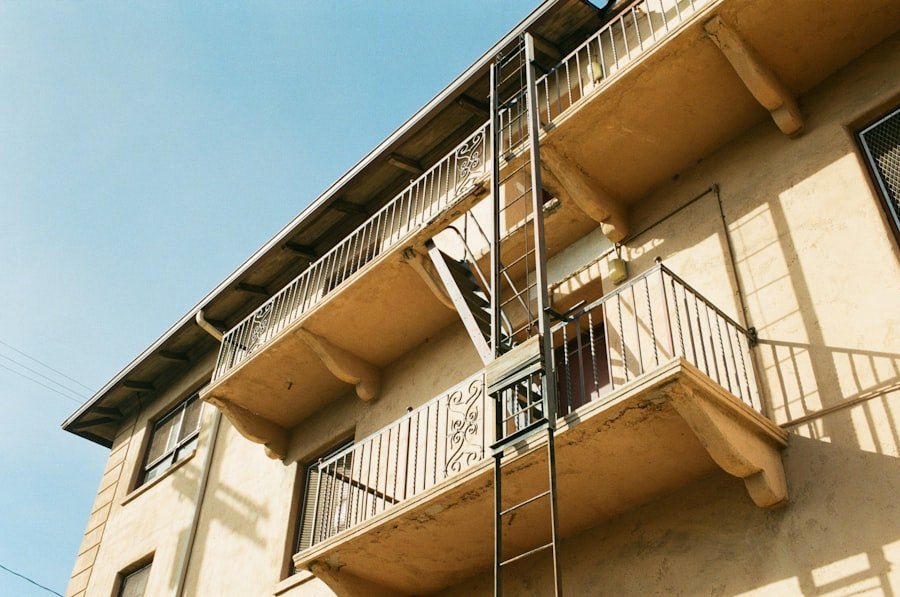
The exterior of a property is the first impression that potential tenants and visitors will have, making it essential for landlords to maintain its appearance and functionality. A well-kept exterior not only enhances curb appeal but also protects the property from weather-related damage and pest infestations. The exterior property maintenance checklist should include several key elements, such as inspecting the roof for missing shingles or leaks, checking gutters and downspouts for clogs, and ensuring that all windows and doors are properly sealed.
Additionally, landscaping should be regularly maintained, including mowing the lawn, trimming hedges, and removing any debris that may accumulate. Another crucial aspect of exterior maintenance is ensuring that walkways, driveways, and parking areas are in good condition. Cracks or uneven surfaces can pose safety hazards for tenants and visitors alike.
Regularly inspecting fences, gates, and outdoor lighting is also essential to maintain security and accessibility.
By addressing these exterior maintenance tasks promptly, landlords can prevent minor issues from escalating into significant problems that could lead to costly repairs or tenant dissatisfaction.
Interior Property Maintenance Checklist
While the exterior of a property is vital for first impressions, the interior is where tenants spend most of their time. Therefore, conducting regular interior inspections is crucial for maintaining a safe and comfortable living environment. The interior property maintenance checklist should begin with a thorough examination of walls, ceilings, and floors for any signs of damage or wear.
This includes checking for cracks, water stains, or mold growth that could indicate underlying issues. Additionally, landlords should inspect windows and doors to ensure they open and close properly and that locks are functioning correctly. Another important aspect of interior maintenance is assessing the condition of appliances and fixtures.
Landlords should check that all appliances are in good working order, including refrigerators, stoves, dishwashers, and laundry machines. Light fixtures should also be inspected to ensure they are functioning correctly and that bulbs are replaced as needed. By maintaining the interior of the property to a high standard, landlords can enhance tenant satisfaction and reduce turnover rates.
Plumbing and Electrical Systems Inspection
| Aspect | Metrics |
|---|---|
| Plumbing System | Water pressure, leaks, drainage, fixtures condition |
| Electrical System | Wiring condition, outlet functionality, circuit breaker status |
| Inspection Frequency | Annually or as per local regulations |
| Inspection Checklist | Comprehensive list covering all components and potential issues |
Plumbing and electrical systems are two critical components of any rental property that require regular inspection to ensure safety and functionality. A plumbing inspection should include checking for leaks in pipes, faucets, and toilets, as well as ensuring that drains are clear and functioning properly. Landlords should also inspect water heaters for signs of corrosion or leaks, as well as test water pressure to ensure it meets acceptable standards.
Addressing plumbing issues promptly can prevent water damage and costly repairs down the line. Similarly, electrical systems must be thoroughly inspected to ensure safety and compliance with local codes. This includes checking circuit breakers for proper function, inspecting outlets for signs of wear or damage, and ensuring that all electrical wiring is up to code.
Landlords should also test smoke detectors and carbon monoxide detectors to ensure they are functioning correctly. By prioritizing plumbing and electrical inspections, landlords can protect their tenants’ safety while safeguarding their investment.
HVAC System Inspection
The heating, ventilation, and air conditioning (HVAC) system is essential for maintaining a comfortable living environment in any rental property. Regular HVAC inspections are crucial to ensure that the system operates efficiently and effectively. Landlords should begin by checking air filters for cleanliness and replacing them as needed to maintain optimal airflow.
Additionally, inspecting ductwork for leaks or blockages can help improve energy efficiency and indoor air quality. During an HVAC inspection, landlords should also assess the overall condition of the heating and cooling units themselves. This includes checking for unusual noises or odors that may indicate underlying issues.
Scheduling professional maintenance at least once a year can help identify potential problems before they become significant concerns. By ensuring that the HVAC system is well-maintained, landlords can enhance tenant comfort while reducing energy costs.
Appliance Inspection
Appliances play a significant role in tenant satisfaction, making regular appliance inspections essential for landlords. A comprehensive appliance inspection should include checking all major appliances for functionality and cleanliness. This includes testing refrigerators to ensure they maintain proper temperatures, verifying that ovens heat evenly, and ensuring that dishwashers clean effectively.
Additionally, landlords should inspect laundry machines for any signs of wear or malfunction. Regular appliance maintenance not only enhances tenant satisfaction but can also extend the lifespan of these essential items. Landlords should keep records of appliance warranties and service history to facilitate repairs or replacements when necessary.
By prioritizing appliance inspections, landlords can create a more enjoyable living experience for tenants while protecting their investment.
Fire Safety Inspection
Fire safety is a critical concern for any rental property owner, making regular fire safety inspections essential for compliance with local regulations and tenant safety. Landlords should begin by checking smoke detectors and carbon monoxide detectors to ensure they are functioning correctly and have fresh batteries. Additionally, landlords should inspect fire extinguishers to ensure they are easily accessible and within their service dates.
Another important aspect of fire safety inspections is assessing escape routes within the property. Landlords should ensure that all exits are clearly marked and unobstructed in case of an emergency. Conducting regular fire drills with tenants can also help familiarize them with escape routes and emergency procedures.
By prioritizing fire safety inspections, landlords can protect their tenants while minimizing liability risks.
Pest Control Inspection
Pest control is an often-overlooked aspect of property management that can significantly impact tenant satisfaction and property value. Regular pest control inspections are essential for identifying potential infestations before they become significant problems. Landlords should conduct thorough inspections of both the interior and exterior of the property, looking for signs of pests such as droppings, nests, or damage to structures.
In addition to regular inspections, landlords should establish a proactive pest control plan that includes preventive measures such as sealing entry points, maintaining cleanliness in common areas, and addressing any moisture issues that may attract pests. By prioritizing pest control inspections and prevention strategies, landlords can create a healthier living environment for tenants while protecting their investment from damage.
Tenant Communication and Preparation
Effective communication with tenants is crucial for successful property management and ensuring a smooth inspection process. Landlords should inform tenants well in advance about upcoming inspections, providing details about what will be inspected and why it is essential for their safety and comfort. This transparency fosters trust between landlords and tenants while encouraging cooperation during the inspection process.
Additionally, landlords should encourage tenants to report any maintenance issues or concerns they may have before the inspection takes place. This proactive approach allows landlords to address potential problems promptly while demonstrating their commitment to tenant satisfaction. By prioritizing open communication with tenants, landlords can create a positive living experience while ensuring their properties remain well-maintained.
Documentation and Record Keeping
Thorough documentation is an essential aspect of effective property management that helps landlords stay organized while protecting their investments. Keeping detailed records of inspections, maintenance activities, tenant communications, and repairs can provide valuable insights into the property’s condition over time. This documentation can also serve as evidence in case of disputes or legal issues.
Landlords should establish a systematic approach to record-keeping that includes digital files or physical folders for each property they manage. Regularly updating these records ensures that landlords have access to accurate information when needed. By prioritizing documentation and record-keeping practices, landlords can streamline their operations while safeguarding their investments.
Follow-up and Maintenance Plan
After conducting inspections, it is crucial for landlords to develop a follow-up plan that addresses any identified issues promptly. This may involve scheduling repairs or maintenance tasks based on the findings from the inspection checklist. Establishing a timeline for completing these tasks ensures that properties remain in optimal condition while minimizing disruptions for tenants.
Additionally, landlords should consider implementing a long-term maintenance plan that outlines regular inspection schedules for various systems within the property. This proactive approach not only helps prevent future issues but also demonstrates a commitment to maintaining a safe and comfortable living environment for tenants. By prioritizing follow-up actions and developing a comprehensive maintenance plan, landlords can protect their investments while enhancing tenant satisfaction.
In conclusion, landlord inspections are an essential aspect of effective property management that ensures both properties and tenants are well cared for. By following comprehensive checklists covering exterior maintenance, interior upkeep, plumbing and electrical systems inspection, HVAC assessments, appliance checks, fire safety evaluations, pest control measures, tenant communication strategies, documentation practices, and follow-up plans, landlords can maximize their property’s value while fostering positive relationships with tenants. Prioritizing these inspections not only protects investments but also enhances tenant satisfaction—ultimately leading to long-term success in the competitive real estate market.
When it comes to managing rental properties, having a comprehensive inspection checklist is crucial for landlords to ensure their properties are well-maintained and compliant with regulations. A related article that provides valuable insights into property management can be found on Smart Realty’s website. This article, titled “Property Management Morley,” offers guidance on effective property management strategies, including the importance of regular inspections and maintenance. For more information, you can read the full article by visiting <a href='https://smartrealty.com.au/property-management-morley/’>Property Management Morley.
Learn more by exploring Smart Realty.