
Understanding Property Management: A Guide for Landlords: Key Things to Consider
Property management is a multifaceted discipline that encompasses the administration, operation, and oversight of real estate properties on behalf of their owners. It involves a wide range of activities, from marketing and leasing to maintenance and tenant relations. The primary goal of property management is to maximize the value of the property while ensuring a smooth and efficient operation.
This is particularly crucial in a dynamic real estate market like Perth, where the demand for rental properties is ever-evolving. In essence, property management serves as the bridge between property owners and tenants. It ensures that the interests of both parties are met while adhering to legal regulations and industry standards.
A proficient property management team not only enhances the overall experience for tenants but also safeguards the investment of property owners. By employing strategic management practices, property managers can significantly increase rental income, reduce vacancy rates, and maintain the property’s condition over time.
Key Takeaways
- Property management involves overseeing and maintaining real estate properties on behalf of the owner.
- A property manager is responsible for handling day-to-day operations, tenant relations, property maintenance, and financial management.
- Hiring a property manager can save time, reduce stress, and ensure that the property is well-maintained and profitable.
- Landlords have legal responsibilities such as providing habitable living conditions, handling security deposits, and following eviction procedures.
- Building positive tenant relations is crucial for successful property management and can lead to longer tenancies and lower turnover rates.
The Role of a Property Manager
The role of a property manager is comprehensive and requires a diverse skill set. At its core, a property manager acts as the representative of the property owner, handling all aspects of property operations. This includes marketing the property to potential tenants, conducting thorough tenant screenings, managing lease agreements, and overseeing day-to-day operations.
A skilled property manager is adept at navigating the complexities of tenant relations, ensuring that both parties are satisfied and that any issues are resolved promptly. Moreover, property managers are responsible for maintaining compliance with local laws and regulations, such as the Residential Tenancy Act 1987 in Western Australia. This legal framework outlines the rights and responsibilities of landlords and tenants, ensuring that all parties are treated fairly.
A knowledgeable property manager stays updated on any changes in legislation, protecting both the property owner’s investment and the tenant’s rights. By taking on these responsibilities, property managers allow owners to focus on other aspects of their lives while ensuring their properties are well-managed.
Benefits of Hiring a Property Manager
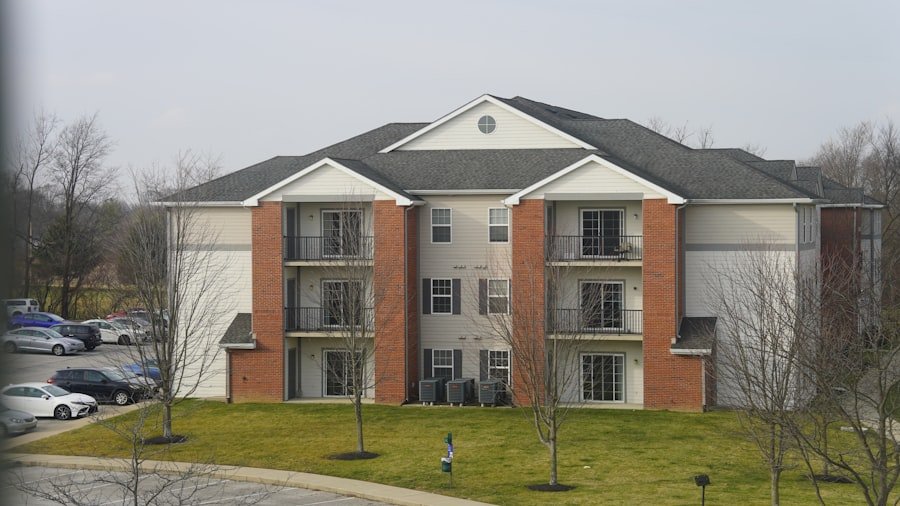
Hiring a property manager offers numerous benefits that can significantly enhance the experience of both property owners and tenants. One of the most compelling advantages is the expertise that a professional property manager brings to the table. With years of experience in the real estate market, they possess an in-depth understanding of local rental trends, pricing strategies, and tenant expectations.
This knowledge enables them to set competitive rental rates that attract quality tenants while maximizing returns for property owners. Additionally, property managers streamline the leasing process by handling all aspects of tenant acquisition. From marketing the property to conducting background checks and interviews, they ensure that only qualified tenants are selected.
This not only reduces the risk of problematic tenants but also fosters a positive living environment for all residents. Furthermore, property managers are equipped to handle maintenance requests and emergencies efficiently, ensuring that properties remain in excellent condition and that tenants feel valued and cared for.
Responsibilities of a Landlord
| Responsibility | Description |
|---|---|
| Property Maintenance | Ensuring the property is well-maintained and in good repair |
| Rent Collection | Collecting rent from tenants in a timely manner |
| Tenant Screening | Screening potential tenants to ensure they are suitable for the property |
| Legal Compliance | Ensuring the property complies with all relevant laws and regulations |
| Handling Tenant Concerns | Addressing and resolving tenant concerns and issues |
While property managers play a crucial role in overseeing day-to-day operations, landlords also have specific responsibilities that must be fulfilled to ensure a successful rental experience. One of the primary duties of a landlord is to maintain open lines of communication with their property manager and tenants. This includes being responsive to inquiries, addressing concerns promptly, and fostering a positive relationship with all parties involved.
Landlords are also responsible for ensuring that their properties comply with local health and safety regulations. This may involve regular inspections, necessary repairs, and upgrades to meet current standards. Additionally, landlords must keep accurate financial records related to their rental properties, including income from rent and expenses for maintenance or repairs.
By staying organized and proactive in these areas, landlords can contribute to a successful rental experience while protecting their investment.
Understanding Tenant Relations
Tenant relations are a critical aspect of property management that can significantly impact tenant retention and satisfaction. A positive relationship between landlords or property managers and tenants fosters a sense of community and encourages tenants to take better care of their living spaces. Effective communication is key; property managers should be approachable and responsive to tenant inquiries or concerns.
Moreover, understanding tenant needs and preferences can lead to improved satisfaction levels. For instance, offering flexible lease terms or accommodating special requests can enhance tenant loyalty. Regular check-ins or surveys can also provide valuable feedback on how to improve the living experience.
By prioritizing tenant relations, property managers can create an environment where tenants feel valued and respected, ultimately leading to longer lease terms and reduced turnover rates.
Legal Considerations for Landlords

Navigating the legal landscape is an essential responsibility for landlords in Perth. The Residential Tenancy Act 1987 outlines various rights and obligations for both landlords and tenants, making it imperative for landlords to stay informed about these regulations. Failure to comply with legal requirements can result in costly disputes or penalties.
Landlords must ensure that lease agreements are clear and comprehensive, outlining all terms related to rent payments, maintenance responsibilities, and termination procedures. Additionally, they should be aware of their obligations regarding bond collection and handling tenant disputes. By adhering to legal guidelines and maintaining transparency in all dealings, landlords can protect themselves from potential legal issues while fostering trust with their tenants.
Property Maintenance and Repairs
Property maintenance is a fundamental aspect of successful property management that directly impacts tenant satisfaction and retention. Regular inspections should be conducted to identify any maintenance issues before they escalate into costly repairs. Property managers should establish a proactive maintenance schedule that includes routine checks on plumbing, electrical systems, heating/cooling units, and other essential components.
When repairs are necessary, prompt action is crucial. Tenants appreciate timely responses to maintenance requests, which can significantly enhance their overall experience living in the property. A well-maintained property not only attracts quality tenants but also preserves its value over time.
By prioritizing maintenance and repairs, property managers can ensure that properties remain in excellent condition while minimizing long-term costs for landlords.
Financial Management for Landlords
Effective financial management is vital for landlords seeking to maximize their investment returns. Property managers play an essential role in this area by providing detailed financial reports that outline income from rent, expenses related to maintenance or repairs, and overall profitability. These reports enable landlords to make informed decisions about their properties.
Additionally, property managers can assist landlords in setting competitive rental rates based on market analysis and trends. By conducting thorough research on comparable properties in the area, they can help landlords optimize their pricing strategies to attract quality tenants while maximizing revenue. Furthermore, having a clear understanding of tax implications related to rental income can help landlords navigate financial responsibilities more effectively.
Marketing and Tenant Screening
Marketing plays a crucial role in attracting quality tenants to rental properties. A well-executed marketing strategy can significantly reduce vacancy rates while ensuring that properties are leased quickly and efficiently. Property managers utilize various channels to promote available units, including online listings, social media platforms, and traditional advertising methods.
Once potential tenants express interest in a property, thorough screening processes come into play. This includes background checks, credit assessments, employment verification, and rental history reviews. By implementing rigorous tenant screening procedures, property managers can identify responsible tenants who are likely to pay rent on time and maintain the property well.
This not only protects the landlord’s investment but also contributes to a positive living environment for all residents.
Dealing with Evictions and Lease Terminations
While every effort should be made to maintain positive tenant relations, there may be instances where evictions or lease terminations become necessary. Property managers must handle these situations delicately yet decisively to minimize disruption for all parties involved. Understanding the legal process surrounding evictions is crucial; property managers must follow proper procedures outlined in the Residential Tenancy Act 1987.
Communication is key during this process; keeping open lines with both landlords and tenants can help mitigate misunderstandings or conflicts. Property managers should provide clear documentation regarding lease violations or reasons for termination while ensuring that all actions taken comply with legal requirements. By approaching evictions professionally and respectfully, property managers can protect the interests of landlords while minimizing stress for tenants.
Tips for Successful Property Management
Successful property management requires a combination of skills, knowledge, and dedication. One essential tip is to prioritize communication; maintaining open lines with both landlords and tenants fosters trust and transparency throughout the management process. Regular updates on property status or upcoming maintenance can help keep everyone informed.
Additionally, staying organized is crucial for effective management. Utilizing technology tools such as property management software can streamline operations by automating tasks like rent collection or maintenance requests. This not only saves time but also enhances efficiency in managing multiple properties.
Finally, continuous education is vital in an ever-evolving real estate landscape. Property managers should stay informed about industry trends, legal changes, and best practices through ongoing training or professional development opportunities. By investing in their knowledge base, property managers can provide exceptional service while maximizing value for both landlords and tenants alike.
In conclusion, effective property management encompasses various responsibilities that require expertise in legal compliance, tenant relations, financial management, marketing strategies, maintenance oversight, and more. By understanding these facets thoroughly—alongside hiring experienced professionals like Mahi Masud at Smart Realty—property owners can ensure their investments thrive while providing quality living experiences for tenants in Perth’s competitive real estate market.
Property management involves overseeing and managing real estate properties, ensuring they are well-maintained and profitable for owners. This includes tasks such as tenant placement, rent collection, maintenance, and compliance with local laws. For those interested in the broader aspects of real estate, including property management, you might find the article on exploring the charm of Corfield Street, Gosnells insightful. It delves into the unique characteristics of this area, offering a glimpse into the potential opportunities and challenges property managers might encounter in such neighborhoods.