
Why Efficient Strata Property Management in Lockridge Matters
Efficient strata property management is crucial for the smooth operation and maintenance of shared living spaces. In a world where urban living is becoming increasingly popular, strata properties—such as apartment complexes and townhouses—are on the rise. These properties require a unique approach to management, as they involve multiple owners and shared responsibilities.
Effective strata management ensures that the interests of all stakeholders are balanced, fostering a harmonious living environment. When managed efficiently, strata properties not only maintain their value but also enhance the quality of life for residents. Moreover, efficient strata property management can significantly impact the financial health of the property.
A well-managed strata scheme can lead to increased property values, lower maintenance costs, and improved tenant satisfaction. This is particularly important in competitive real estate markets, where potential buyers and renters are looking for properties that are well-maintained and managed. By prioritizing efficient management practices, strata managers can create a positive reputation for the property, attracting quality tenants and buyers alike.
Key Takeaways
- Efficient strata property management is crucial for the smooth functioning and maintenance of strata properties.
- Strata property managers play a key role in overseeing the day-to-day operations and maintenance of strata properties.
- Key responsibilities of strata property managers include financial management, maintenance, compliance with laws and regulations, and conflict resolution.
- Effective communication and transparency are essential for successful strata management and building trust within the community.
- Financial management and budgeting are important aspects of strata property management to ensure the financial health of the property and meet its long-term goals.
Understanding the Role of Strata Property Managers
Strata property managers play a pivotal role in the administration and governance of strata schemes. They act as the bridge between the owners, tenants, and service providers, ensuring that all parties are informed and engaged in the decision-making process. A skilled strata manager possesses a deep understanding of the unique challenges that come with managing shared properties, including navigating complex regulations and addressing the diverse needs of residents.
Their expertise is essential in maintaining order and ensuring that the property operates smoothly. In addition to their administrative duties, strata property managers are responsible for fostering a sense of community among residents. They facilitate communication between owners and tenants, helping to build relationships that contribute to a positive living environment.
By understanding the dynamics of the community, strata managers can address concerns proactively and implement initiatives that enhance the overall experience for residents. This multifaceted role requires a blend of interpersonal skills, organizational abilities, and industry knowledge.
Key Responsibilities of Strata Property Managers

The responsibilities of strata property managers are extensive and varied, encompassing everything from financial oversight to maintenance coordination. One of their primary duties is to ensure compliance with relevant laws and regulations governing strata properties. This includes adhering to the Strata Titles Act and other local legislation, which helps protect the rights of both owners and tenants.
By staying informed about legal requirements, strata managers can mitigate risks and avoid potential disputes. Another critical responsibility is financial management. Strata property managers are tasked with preparing budgets, collecting levies, and managing funds to ensure that the property remains financially viable.
They must also keep accurate records of all financial transactions and provide transparent reporting to owners. This level of financial oversight is essential for maintaining trust among stakeholders and ensuring that funds are allocated appropriately for maintenance and improvements.
Effective Communication and Transparency in Strata Management
| Metrics | Results |
|---|---|
| Number of communication channels | 5 |
| Response time to strata member inquiries | 24 hours |
| Frequency of strata meetings | Monthly |
| Transparency in financial reporting | Quarterly reports |
Effective communication is at the heart of successful strata management. Strata property managers must be adept at conveying information clearly and concisely to all stakeholders. This includes providing regular updates on property matters, addressing concerns raised by residents, and facilitating discussions during meetings.
By fostering open lines of communication, strata managers can build trust and rapport with owners and tenants alike. Transparency is equally important in strata management. Owners and tenants should have access to information regarding financial matters, maintenance schedules, and any decisions made by the strata committee.
By being transparent about these issues, strata managers can help alleviate concerns and prevent misunderstandings. This commitment to openness not only enhances relationships within the community but also reinforces the integrity of the management process.
Financial Management and Budgeting in Strata Properties
Financial management is a cornerstone of effective strata property management. Strata managers are responsible for developing comprehensive budgets that account for all anticipated expenses, including maintenance, insurance, utilities, and administrative costs.
In addition to budgeting, strata property managers must also oversee the collection of levies from owners. This involves setting appropriate levy amounts based on the budget and ensuring timely payments. Effective financial management requires diligent record-keeping and regular reporting to owners, providing them with insights into how their contributions are being utilized.
By maintaining a strong financial foundation, strata managers can ensure that properties remain well-maintained and financially stable.
Maintenance and Repairs: Ensuring the Longevity of Strata Properties
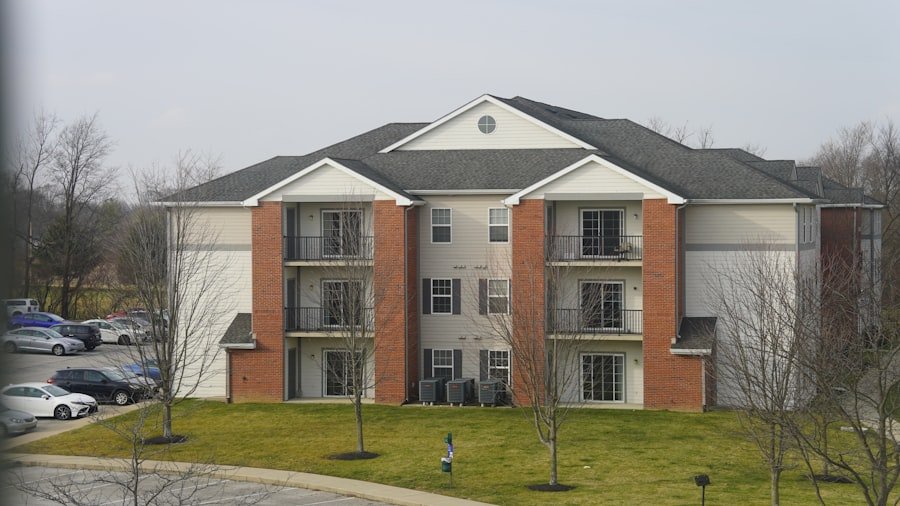
Maintenance and repairs are critical components of strata property management that directly impact the longevity of the property. Strata managers must develop proactive maintenance plans that address both routine upkeep and unexpected repairs. This includes scheduling regular inspections, coordinating with contractors for necessary work, and ensuring that all maintenance tasks are completed promptly.
A well-maintained property not only enhances its aesthetic appeal but also contributes to its overall value. Strata managers must prioritize maintenance tasks based on urgency and budget constraints while keeping residents informed about ongoing projects. By taking a proactive approach to maintenance, strata managers can prevent small issues from escalating into costly repairs, ultimately safeguarding the investment of all owners.
Compliance with Strata Laws and Regulations
Compliance with strata laws and regulations is a fundamental responsibility of strata property managers. The legal landscape governing strata properties can be complex, with various laws at both state and local levels. Strata managers must stay informed about these regulations to ensure that their properties operate within legal boundaries.
Failure to comply with relevant laws can lead to significant consequences for both the management team and property owners. This may include fines, legal disputes, or even loss of property rights. By prioritizing compliance, strata managers not only protect the interests of owners but also foster a sense of security among residents.
This commitment to legal adherence reinforces the professionalism of the management team and enhances the overall reputation of the property.
Conflict Resolution and Dispute Management in Strata Properties
Conflict resolution is an inevitable aspect of managing strata properties due to the diverse interests of owners and tenants. Strata property managers must be equipped with strong negotiation skills to address disputes effectively. Whether it involves noise complaints, parking issues, or disagreements over common area usage, a skilled manager can mediate discussions to find mutually agreeable solutions.
Proactive conflict resolution not only prevents disputes from escalating but also fosters a sense of community among residents. By addressing concerns promptly and fairly, strata managers can build trust within the community and create an environment where residents feel heard and valued. This commitment to conflict resolution ultimately contributes to a more harmonious living experience for all involved.
Leveraging Technology for Streamlined Strata Management
In today’s digital age, technology plays a vital role in streamlining strata property management processes. Strata managers can leverage various software solutions to enhance communication, track maintenance requests, manage finances, and facilitate document sharing among owners. By embracing technology, strata managers can improve efficiency and reduce administrative burdens.
Additionally, technology enables greater transparency in strata management. Online portals allow owners to access important information regarding financial statements, meeting minutes, and maintenance schedules at their convenience. This level of accessibility fosters engagement among residents and empowers them to stay informed about property matters.
Building a Strong Community within Strata Properties
Building a strong community within strata properties is essential for creating a positive living environment. Strata property managers play a key role in fostering community engagement by organizing events, encouraging social interactions among residents, and promoting shared interests. A vibrant community enhances resident satisfaction and contributes to long-term tenant retention.
Moreover, a strong community can lead to increased collaboration among residents when it comes to decision-making processes within the strata scheme. When residents feel connected to one another, they are more likely to participate actively in meetings and contribute positively to discussions about property management issues. This sense of belonging ultimately strengthens the overall fabric of the community.
The Benefits of Professional Strata Property Management Services
Engaging professional strata property management services offers numerous benefits for both owners and tenants alike. With their expertise in navigating complex regulations, managing finances, and addressing maintenance needs, professional strata managers provide peace of mind for property owners who may lack the time or knowledge to handle these responsibilities themselves. Furthermore, professional strata management services enhance communication within the community by serving as a dedicated point of contact for residents’ concerns or inquiries.
This level of support fosters trust among stakeholders while ensuring that issues are addressed promptly and effectively. Ultimately, investing in professional strata property management services leads to improved property values, enhanced resident satisfaction, and a thriving community atmosphere that benefits everyone involved. In conclusion, efficient strata property management is essential for maintaining harmonious living environments within shared properties.
By understanding their roles and responsibilities while prioritizing effective communication, financial oversight, compliance with regulations, conflict resolution strategies, leveraging technology solutions—strata property managers can create thriving communities that enhance both resident satisfaction and property values alike.
Strata property management is a crucial aspect of maintaining and enhancing the value of properties within a community. For those interested in learning more about professional property management services, particularly in the context of Victoria Park, an insightful article can be found on Smart Realty’s website. This article delves into the various facets of property management, offering valuable insights and tips for property owners and managers. You can read more about it by visiting the following link: Professional Property Management in Victoria Park.
Looking to dig deeper into property management? Our articles on Boost Your Willetton Real Estate Business with SEO and Willetton Vacancy Rate: A Closer Look are a great place to start.