
Maximizing Property Potential: Southern River Management: Key Things to Consider
Southern River Management is a critical aspect of environmental stewardship that focuses on the sustainable management of river systems in the southern regions. This approach encompasses a variety of practices aimed at preserving the ecological integrity of rivers while also addressing the needs of local communities and economies. Effective river management requires a comprehensive understanding of the hydrological, ecological, and social dynamics that govern these vital waterways.
By integrating scientific research with community engagement, stakeholders can develop strategies that not only protect the river ecosystems but also enhance the quality of life for residents. The importance of Southern River Management cannot be overstated. Rivers serve as essential lifelines for both human and wildlife populations, providing water for drinking, agriculture, and recreation.
They also support diverse ecosystems that contribute to biodiversity and environmental health. However, these systems are often threatened by pollution, overdevelopment, and climate change. Therefore, a proactive approach to river management is necessary to ensure that these natural resources are preserved for future generations while also meeting the current demands of society.
Key Takeaways
- Understanding Southern River Management:
- Southern river management involves the sustainable management of water resources, ecosystems, and wildlife in the southern region.
- It requires a deep understanding of the local environment, hydrology, and ecological processes.
- Identifying Property Potential in Southern River Management:
- Properties located near southern rivers have the potential for natural beauty, recreational opportunities, and wildlife habitat.
- Proper management can enhance the value and appeal of these properties.
- Utilizing Natural Resources for Property Enhancement:
- Natural resources such as wetlands, forests, and wildlife can be leveraged to enhance the aesthetic and ecological value of properties along southern rivers.
- Sustainable land use practices can improve property appeal and environmental quality.
- Implementing Sustainable Practices for Southern River Management:
- Sustainable practices such as riparian buffer zones, erosion control, and water conservation are essential for the long-term health of southern rivers and surrounding properties.
- Balancing development with conservation is crucial for sustainable management.
- Enhancing Property Value through Southern River Management:
- Proper management of southern rivers can significantly enhance the value of adjacent properties through improved aesthetics, recreational opportunities, and ecological health.
- Sustainable practices can attract buyers and investors seeking environmentally-friendly properties.
Identifying Property Potential in Southern River Management
Identifying property potential within the context of Southern River Management involves assessing the unique characteristics of land adjacent to river systems. This includes evaluating soil quality, water availability, and existing vegetation, as well as understanding how these factors interact with the river’s health. Property owners and developers must recognize that the value of their land is intrinsically linked to the condition of the nearby river.
Properties that are well-managed and situated near healthy waterways can command higher market values due to their appeal for residential, commercial, or recreational use. Moreover, understanding property potential also means recognizing opportunities for development that align with sustainable practices. For instance, properties that incorporate green infrastructure—such as rain gardens or permeable pavements—can enhance water quality while providing aesthetic and functional benefits.
By identifying these opportunities, property owners can not only increase their property values but also contribute positively to the overall health of the river ecosystem.
Utilizing Natural Resources for Property Enhancement
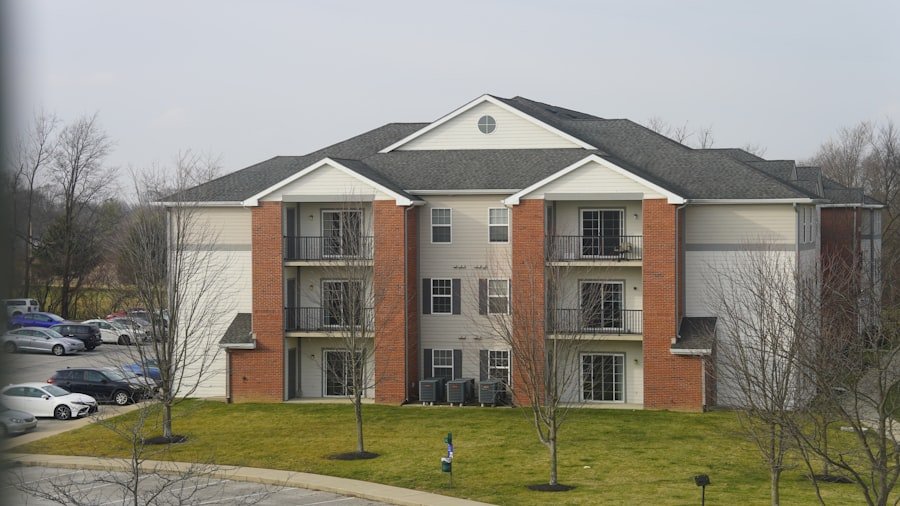
Utilizing natural resources effectively is a cornerstone of successful Southern River Management. This involves harnessing the natural features of a property to enhance its value while promoting ecological sustainability. For example, properties located near rivers can benefit from natural landscaping techniques that utilize native plants to reduce water usage and improve habitat for local wildlife.
By embracing these natural resources, property owners can create attractive environments that appeal to potential buyers or renters. Additionally, integrating renewable energy sources such as solar panels or wind turbines can further enhance property value while reducing reliance on non-renewable energy. These sustainable practices not only lower utility costs for property owners but also align with broader environmental goals.
By showcasing a commitment to sustainability through the responsible use of natural resources, property owners can differentiate their properties in a competitive market.
Implementing Sustainable Practices for Southern River Management
| Metrics | Data |
|---|---|
| Water Quality Improvement | 20% reduction in pollutants |
| Habitat Restoration | 100 acres of wetlands restored |
| Community Engagement | 500 volunteers involved in clean-up efforts |
| Policy Changes | 3 new regulations implemented |
Implementing sustainable practices in Southern River Management is essential for ensuring the long-term health of river ecosystems and surrounding properties. This includes adopting land-use planning strategies that prioritize conservation and minimize environmental impact. For instance, zoning regulations can be established to limit development in sensitive areas, thereby protecting water quality and preserving natural habitats.
Furthermore, sustainable practices extend to water management techniques such as rainwater harvesting and greywater recycling. These methods not only reduce demand on local water supplies but also mitigate runoff that can pollute rivers. By incorporating these practices into property management plans, stakeholders can contribute to a healthier river system while enhancing the resilience of their properties against climate change impacts.
Enhancing Property Value through Southern River Management
Enhancing property value through effective Southern River Management requires a multifaceted approach that considers both environmental and economic factors. Properties that are well-integrated into their natural surroundings tend to attract more interest from buyers and investors. This is particularly true for those seeking homes or businesses that offer access to recreational opportunities such as fishing, kayaking, or hiking along riverbanks.
Moreover, properties that demonstrate a commitment to sustainable practices often command premium prices in the real estate market. Buyers are increasingly looking for homes that not only provide comfort but also align with their values regarding environmental stewardship. By investing in Southern River Management initiatives—such as riparian restoration or habitat enhancement—property owners can significantly increase their property’s marketability and overall value.
Incorporating Wildlife Conservation in Southern River Management

Incorporating wildlife conservation into Southern River Management is vital for maintaining biodiversity and ecological balance within river systems. Healthy rivers support a wide range of species, from fish and amphibians to birds and mammals. By prioritizing conservation efforts, property owners can create habitats that foster wildlife populations while enhancing the aesthetic appeal of their properties.
This can be achieved through various strategies, such as creating buffer zones along riverbanks or establishing wildlife corridors that connect fragmented habitats. These initiatives not only benefit local ecosystems but also provide educational opportunities for residents and visitors alike. By promoting awareness of local wildlife and their habitats, communities can foster a sense of stewardship that encourages responsible land use and conservation practices.
Creating Recreational Opportunities in Southern River Management
Creating recreational opportunities is an essential component of effective Southern River Management. Rivers offer a wealth of activities that promote physical health, mental well-being, and community engagement. By developing parks, trails, and access points along riverbanks, local governments and property owners can enhance the recreational value of their properties while fostering a sense of community pride.
Moreover, recreational opportunities can drive economic growth by attracting tourists and outdoor enthusiasts to the area. Businesses that cater to these visitors—such as kayak rentals or guided fishing tours—can thrive in regions with well-managed river systems. By investing in recreational infrastructure and promoting access to rivers, communities can create vibrant spaces that benefit both residents and local economies.
Balancing Development and Preservation in Southern River Management
Balancing development and preservation is one of the most significant challenges in Southern River Management. As populations grow and urban areas expand, the pressure on river systems increases, often leading to habitat degradation and water quality issues. To address this challenge, stakeholders must adopt a collaborative approach that involves careful planning and stakeholder engagement.
This balance can be achieved through smart growth strategies that prioritize sustainable development while protecting critical habitats. For instance, developers can be encouraged to incorporate green spaces into their projects or utilize low-impact development techniques that minimize environmental disruption. By fostering dialogue between developers, conservationists, and community members, it is possible to create solutions that benefit both economic growth and ecological preservation.
Engaging with Local Communities for Successful Southern River Management
Engaging with local communities is crucial for the success of Southern River Management initiatives. Community involvement fosters a sense of ownership and responsibility toward local river systems, encouraging residents to participate in conservation efforts actively. Public meetings, workshops, and educational programs can help raise awareness about the importance of river health and the role individuals play in protecting these resources.
Moreover, collaboration with local organizations and stakeholders can lead to innovative solutions tailored to specific community needs. By working together, communities can develop management plans that reflect their values while addressing environmental challenges. This inclusive approach not only strengthens community ties but also enhances the effectiveness of Southern River Management efforts.
Investing in Infrastructure for Southern River Management
Investing in infrastructure is essential for effective Southern River Management. Proper infrastructure—such as stormwater management systems, wastewater treatment facilities, and flood control measures—can significantly reduce pollution and protect river ecosystems from degradation. By prioritizing these investments, communities can ensure that their rivers remain healthy and resilient in the face of climate change.
Additionally, infrastructure improvements can enhance public access to rivers, creating opportunities for recreation and tourism. Well-designed parks, trails, and access points encourage community engagement with local waterways while promoting healthy lifestyles. By investing in infrastructure that supports both environmental health and community well-being, stakeholders can create lasting benefits for both people and nature.
Evaluating the Economic Benefits of Southern River Management
Evaluating the economic benefits of Southern River Management is essential for justifying investments in conservation efforts and sustainable practices. Healthy river systems contribute significantly to local economies by supporting industries such as tourism, agriculture, and fishing. Furthermore, properties located near well-managed rivers often experience increased market values due to their desirable locations.
By quantifying these economic benefits—such as increased property values, job creation in tourism-related sectors, and reduced costs associated with flood damage—stakeholders can make informed decisions about resource allocation and management strategies. Ultimately, recognizing the economic value of healthy rivers reinforces the importance of sustainable practices in ensuring long-term prosperity for communities reliant on these vital ecosystems.
If you’re considering property management in Southern River, it’s essential to understand the benefits of hiring professional agencies to handle your real estate investments. A related article that delves into the advantages of employing residential property management services can be found on Smart Realty’s website. This article, titled “Why Should You Hire the Residential Property Management Agencies,” provides valuable insights into how these agencies can enhance the efficiency and profitability of your property investments. For more information, you can read the full article by following this link.
While you are here: Efficient Property Management in Rockingham, Affordable Property Management in Kelmscott: Your Solution for Stress- and Top Property Manager in South Perth: Your Key to Successful Property M — worth a read if you are weighing up your options.