
How Efficient Tenant Management Services in Joondalup Affects You
In the realm of property management, understanding tenant needs is paramount. Tenants are not just occupants; they are individuals with unique preferences, lifestyles, and expectations. A successful property manager must take the time to comprehend these needs, ensuring that the living environment is conducive to tenant satisfaction.
This understanding goes beyond merely knowing the number of bedrooms or the square footage of a property. It involves recognizing the importance of community amenities, proximity to schools and workplaces, and even the nuances of local culture that can significantly impact a tenant’s experience. Moreover, understanding tenant needs fosters a sense of belonging and loyalty.
When tenants feel that their concerns are acknowledged and addressed, they are more likely to renew their leases and recommend the property to others. This not only reduces vacancy rates but also enhances the overall reputation of the property. By actively engaging with tenants through surveys, feedback forms, and informal conversations, property managers can gain valuable insights that inform decisions about property improvements and amenities.
Ultimately, a deep understanding of tenant needs lays the foundation for a thriving rental community.
Key Takeaways
- Understanding tenant needs is crucial for providing satisfactory property management services.
- Effective communication with tenants is essential for building trust and maintaining a positive landlord-tenant relationship.
- Streamlining maintenance requests can help in addressing issues promptly and ensuring tenant satisfaction.
- Timely rent collection is important for maintaining a steady cash flow and ensuring financial stability.
- Ensuring legal compliance is necessary to avoid potential legal issues and maintain a good reputation as a property manager.
Effective Communication with Tenants
Effective communication is the cornerstone of successful property management. It is essential for building trust and rapport between property managers and tenants. Clear, open lines of communication ensure that tenants feel comfortable voicing their concerns, asking questions, and providing feedback.
This two-way communication fosters a positive relationship that can lead to long-term tenant retention. Property managers should utilize various communication channels, including emails, phone calls, and even social media platforms, to reach tenants where they are most comfortable. Additionally, timely responses to tenant inquiries are crucial.
When tenants know that their property manager is accessible and responsive, it instills confidence in their decision to rent. Regular updates about property maintenance, community events, or changes in policies can also enhance communication. By keeping tenants informed, property managers can mitigate misunderstandings and prevent potential conflicts from escalating.
Ultimately, effective communication not only enhances tenant satisfaction but also contributes to a harmonious living environment.
Streamlining Maintenance Requests

A streamlined maintenance request process is vital for ensuring tenant satisfaction and maintaining property value. Tenants should have an easy and efficient way to report maintenance issues, whether through an online portal or a dedicated phone line. By simplifying this process, property managers can ensure that issues are addressed promptly, minimizing disruptions to tenants’ lives.
A well-organized maintenance system not only enhances tenant satisfaction but also reflects positively on the property management team. Furthermore, proactive maintenance can prevent minor issues from escalating into costly repairs. Regular inspections and routine maintenance checks can identify potential problems before they become significant concerns.
By investing in preventive measures, property managers can save time and money while ensuring that tenants enjoy a safe and comfortable living environment. A commitment to streamlining maintenance requests demonstrates a property manager’s dedication to tenant well-being and property upkeep.
Timely Rent Collection
| Month | Number of Tenants | Percentage of Timely Rent Collection |
|---|---|---|
| January | 50 | 90% |
| February | 52 | 85% |
| March | 48 | 92% |
Timely rent collection is a critical aspect of property management that directly impacts cash flow and overall profitability. Property managers must establish clear policies regarding rent due dates, payment methods, and late fees to ensure that tenants understand their financial obligations. Utilizing technology can streamline this process; online payment systems allow tenants to pay their rent conveniently while providing property managers with real-time tracking of payments.
Moreover, maintaining open communication about rent collection is essential. Property managers should send reminders before rent is due and follow up promptly on any late payments. This proactive approach not only encourages timely payments but also demonstrates professionalism and accountability.
By prioritizing timely rent collection, property managers can maintain financial stability for both themselves and their clients while fostering a sense of responsibility among tenants.
Ensuring Legal Compliance
Navigating the legal landscape of property management is crucial for protecting both landlords and tenants. Compliance with local laws and regulations, such as the Residential Tenancy Act 1987 in Western Australia, ensures that property managers operate within legal boundaries while safeguarding the rights of all parties involved. Property managers must stay informed about changes in legislation and best practices to avoid potential legal pitfalls.
Additionally, ensuring legal compliance fosters trust between property managers and tenants. When tenants know that their rights are being upheld and that they are living in a legally compliant environment, they are more likely to feel secure in their rental situation. Property managers should provide tenants with clear information about their rights and responsibilities while also being transparent about lease agreements and any changes in policies.
By prioritizing legal compliance, property managers can create a safe and respectful living environment for all.
Handling Tenant Complaints
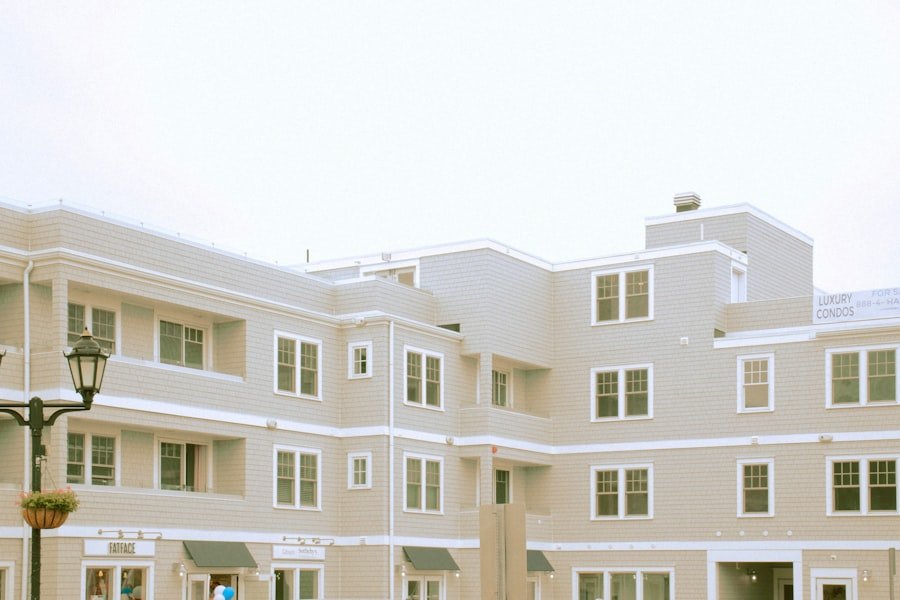
Handling tenant complaints effectively is a hallmark of exceptional property management. Complaints are inevitable in any rental situation; how they are addressed can make all the difference in tenant satisfaction. Property managers should approach complaints with empathy and professionalism, actively listening to tenants’ concerns before proposing solutions.
This approach not only resolves issues but also demonstrates a commitment to tenant well-being. Moreover, establishing a clear process for handling complaints can streamline resolution efforts. Tenants should know how to submit complaints and what to expect in terms of response times.
By addressing complaints promptly and transparently, property managers can prevent minor issues from escalating into major conflicts. Ultimately, effective complaint handling fosters a positive living environment where tenants feel valued and heard.
Managing Lease Renewals and Terminations
Managing lease renewals and terminations requires careful consideration and strategic planning. Property managers must proactively engage with tenants well before their lease expiration dates to discuss renewal options or address any concerns that may lead to termination. Open communication during this process can help identify potential issues early on, allowing for resolution before they impact tenant retention.
Additionally, understanding market trends is essential when managing lease renewals. Property managers should conduct regular assessments of rental rates in the area to ensure that lease terms remain competitive while maximizing revenue for property owners. When it comes to terminations, clear communication about the process is vital; tenants should be informed of their rights and responsibilities regarding notice periods and move-out procedures.
By managing lease renewals and terminations effectively, property managers can maintain occupancy rates while ensuring a smooth transition for both tenants and property owners.
Implementing Property Inspections
Regular property inspections are a fundamental aspect of effective property management. These inspections serve multiple purposes: they help identify maintenance issues before they escalate, ensure compliance with lease agreements, and provide an opportunity for property managers to engage with tenants directly. By conducting thorough inspections at regular intervals, property managers can maintain the property’s condition while fostering positive relationships with tenants.
Moreover, inspections should be approached with transparency and respect for tenants’ privacy. Property managers should provide advance notice of inspections and clearly communicate their purpose. This approach not only demonstrates professionalism but also helps build trust between property managers and tenants.
By prioritizing regular inspections as part of a comprehensive management strategy, property managers can protect their clients’ investments while ensuring tenant satisfaction.
Providing Transparent Financial Reporting
Transparent financial reporting is essential for building trust between property managers and property owners. Clients deserve clear insights into their property’s financial performance, including income from rent, expenses related to maintenance or repairs, and any other relevant financial data. By providing regular financial reports that are easy to understand, property managers can demonstrate accountability while empowering owners to make informed decisions about their investments.
Additionally, transparency in financial reporting extends to addressing any discrepancies or concerns promptly. Property managers should be prepared to explain any variances in income or expenses while providing context for financial performance trends over time. This level of transparency not only fosters trust but also strengthens the partnership between property managers and owners as they work together toward maximizing the property’s value.
Resolving Disputes and Conflict Resolution
Disputes are an unfortunate reality in property management; however, how they are resolved can significantly impact tenant satisfaction and overall community harmony. Property managers must approach conflict resolution with a calm demeanor and a focus on finding mutually beneficial solutions. Active listening is key; understanding each party’s perspective allows for more effective problem-solving.
Moreover, establishing clear policies for dispute resolution can streamline the process for both tenants and property managers. When tenants know what steps to take in case of a dispute—whether it involves mediation or formal complaint procedures—they are more likely to feel empowered rather than frustrated by the situation. By prioritizing conflict resolution as part of their management strategy, property managers can foster a positive living environment where disputes are handled professionally and efficiently.
Utilizing Technology for Efficient Management
In today’s digital age, leveraging technology is essential for efficient property management. From online payment systems to maintenance request portals, technology streamlines processes that enhance both tenant satisfaction and operational efficiency. Property managers who embrace technology can provide tenants with convenient tools for communication while also gaining valuable insights into property performance through data analytics.
Additionally, technology facilitates better organization within property management teams. Cloud-based software allows for real-time collaboration among team members while providing access to important documents from anywhere at any time. This level of organization ensures that all aspects of property management run smoothly—from maintenance requests to financial reporting—ultimately benefiting both tenants and property owners alike.
In conclusion, effective property management encompasses various elements that contribute to tenant satisfaction and overall success in the real estate market. By understanding tenant needs, fostering effective communication, streamlining processes like maintenance requests and rent collection, ensuring legal compliance, handling complaints professionally, managing lease renewals thoughtfully, implementing regular inspections diligently, providing transparent financial reporting consistently, resolving disputes amicably, and utilizing technology efficiently—property managers can create thriving rental communities that benefit everyone involved.
If you’re exploring tenant management services in Joondalup, you might find it beneficial to consider the broader landscape of property management excellence in nearby regions. An insightful article that delves into this topic is “Smart Realty: Pioneering Property Management Excellence in Baldivis.” This piece highlights the innovative approaches and high standards set by Smart Realty, which could offer valuable insights for those interested in tenant management services. For more information, you can read the full article by visiting Smart Realty: Pioneering Property Management Excellence in Baldivis.
Curious about rentals and tenancy? Start with Units for Rent in Redcliffe 6104: Find Your Ideal Space and Efficient Rental Property Management in Lathlain.