
Efficient Apartment Property Management in Perth: Key Things to Consider
Property management plays a pivotal role in the successful operation of apartment buildings, serving as the bridge between property owners and tenants. It encompasses a wide range of responsibilities, from maintaining the physical condition of the property to ensuring that tenants are satisfied and their needs are met. Effective property management not only enhances the living experience for tenants but also maximizes the return on investment for property owners.
This dual focus is essential in today’s competitive real estate market, where tenant expectations are high, and property owners seek to protect their investments. A proficient property management team understands the intricacies of managing apartment buildings, including the importance of regular maintenance, tenant relations, and financial oversight. They are responsible for enforcing lease agreements, collecting rent, and addressing tenant concerns promptly.
By fostering a positive living environment, property managers can reduce turnover rates and increase tenant retention, ultimately leading to a more stable income stream for property owners. In essence, effective property management is not just about maintaining a building; it’s about creating a community where tenants feel valued and property owners feel secure in their investment.
Key Takeaways
- Property management is crucial for maintaining apartment buildings and ensuring tenant satisfaction.
- Effective communication with tenants is key to building positive relationships and addressing issues promptly.
- Technology can streamline property management processes, making them more efficient and effective.
- Maximizing maintenance efficiency is essential for keeping tenants happy and the property in good condition.
- A strategic marketing plan is important for attracting and retaining tenants in a competitive rental market.
Implementing Effective Communication Strategies with Tenants
Effective communication is the cornerstone of successful property management. Establishing clear lines of communication with tenants fosters trust and transparency, which are essential for maintaining a harmonious living environment. Property managers should prioritize open dialogue, ensuring that tenants feel comfortable voicing their concerns or suggestions.
Regular updates about property maintenance, community events, or changes in policies can help keep tenants informed and engaged, reducing misunderstandings and potential conflicts. Moreover, utilizing various communication channels can enhance tenant engagement. Whether through emails, newsletters, or community boards, property managers should strive to reach tenants in ways that resonate with them.
Additionally, implementing a tenant portal can streamline communication by providing a centralized platform for submitting maintenance requests, paying rent, and accessing important information. By prioritizing effective communication strategies, property managers can build strong relationships with tenants, leading to increased satisfaction and loyalty.
Utilizing Technology to Streamline Property Management Processes

In today’s digital age, technology has become an indispensable tool for property management. By leveraging innovative software solutions, property managers can streamline various processes, from tenant screening to maintenance tracking. Property management software can automate routine tasks such as rent collection and lease renewals, freeing up valuable time for property managers to focus on more strategic initiatives.
This efficiency not only enhances operational effectiveness but also improves the overall tenant experience. Additionally, technology can facilitate better data management and reporting. Property managers can utilize analytics tools to track key performance indicators such as occupancy rates, maintenance response times, and tenant satisfaction levels.
This data-driven approach enables property managers to make informed decisions that enhance property performance and tenant retention. By embracing technology, property managers can stay ahead of industry trends and deliver exceptional service to both tenants and property owners.
Maximizing Maintenance Efficiency to Ensure Tenant Satisfaction
| Metrics | Target | Actual |
|---|---|---|
| Number of maintenance requests | 100 per month | 85 per month |
| Response time to maintenance requests | 24 hours | 18 hours |
| Percentage of satisfied tenants | 90% | 92% |
| Number of preventive maintenance tasks completed | 50 per month | 55 per month |
Maintenance is a critical aspect of property management that directly impacts tenant satisfaction. A well-maintained apartment building not only enhances the living experience for tenants but also protects the long-term value of the property. Property managers should implement proactive maintenance strategies that prioritize regular inspections and timely repairs.
By addressing maintenance issues before they escalate, property managers can prevent costly repairs and minimize tenant disruptions. Furthermore, establishing a reliable network of contractors and service providers is essential for maximizing maintenance efficiency. Property managers should cultivate strong relationships with local vendors who can respond quickly to maintenance requests and provide quality service.
By ensuring that maintenance issues are resolved promptly and effectively, property managers can foster a positive living environment that encourages tenant retention and satisfaction.
Developing a Strategic Marketing Plan to Attract and Retain Tenants
A well-crafted marketing plan is essential for attracting and retaining tenants in a competitive rental market. Property managers should conduct thorough market research to understand the needs and preferences of potential tenants. This information can inform marketing strategies that highlight the unique features and benefits of the apartment building.
Utilizing online platforms such as social media and real estate websites can significantly increase visibility and reach a broader audience. In addition to attracting new tenants, retaining existing ones is equally important. Property managers should focus on creating a sense of community within the apartment building through events and activities that encourage tenant interaction.
Offering incentives such as referral bonuses or loyalty programs can also motivate current tenants to renew their leases. By developing a comprehensive marketing plan that addresses both acquisition and retention, property managers can ensure a steady stream of income for property owners.
Implementing Sustainable Practices to Reduce Operating Costs
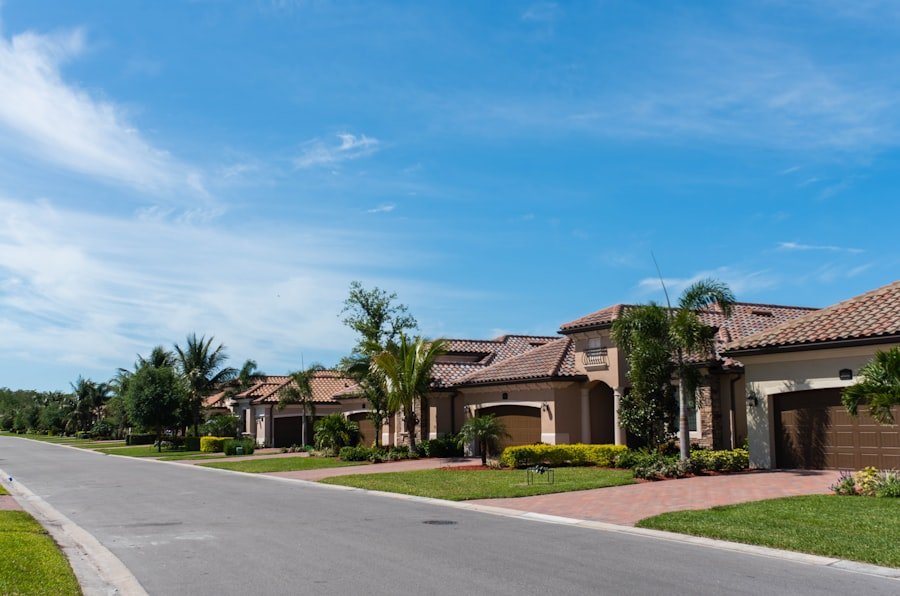
Sustainability has become a key consideration in property management as both tenants and owners increasingly prioritize environmentally friendly practices. Implementing sustainable initiatives not only reduces operating costs but also enhances the appeal of the apartment building to eco-conscious tenants. Property managers can start by conducting energy audits to identify areas where energy efficiency can be improved, such as upgrading lighting systems or installing energy-efficient appliances.
Additionally, promoting recycling programs and encouraging tenants to adopt sustainable practices can foster a culture of environmental responsibility within the community. By showcasing these efforts in marketing materials, property managers can attract tenants who value sustainability while simultaneously reducing operating costs through lower utility bills. Embracing sustainable practices is not just beneficial for the environment; it’s also a smart business strategy that enhances the overall value of the property.
Ensuring Compliance with Local Laws and Regulations
Compliance with local laws and regulations is a fundamental responsibility of property management that cannot be overlooked. Property managers must stay informed about changes in legislation that affect rental properties, including tenant rights, safety standards, and fair housing laws. By ensuring compliance with these regulations, property managers protect both tenants and property owners from potential legal issues.
Moreover, adhering to local laws fosters trust between property managers and tenants. When tenants feel confident that their rights are being upheld and that they are living in a safe environment, they are more likely to renew their leases and recommend the property to others. Property managers should prioritize ongoing education and training to stay abreast of legal requirements, ensuring that their practices align with current regulations.
Creating a Comprehensive Financial Management Plan for the Property
A comprehensive financial management plan is essential for the long-term success of any rental property. Property managers should develop budgets that account for all operating expenses, including maintenance costs, utilities, insurance, and marketing expenses. By closely monitoring financial performance against these budgets, property managers can identify areas for improvement and make informed decisions about resource allocation.
Additionally, regular financial reporting provides transparency for property owners regarding the performance of their investment. Property managers should provide detailed reports on income, expenses, occupancy rates, and other key metrics to keep owners informed about their property’s financial health. By establishing a robust financial management plan, property managers can ensure that properties remain profitable while providing valuable insights to owners.
Establishing Strong Relationships with Local Service Providers and Contractors
Building strong relationships with local service providers and contractors is crucial for effective property management. Reliable vendors can significantly impact the quality of service provided to tenants, from maintenance repairs to landscaping services. Property managers should take the time to vet potential contractors thoroughly, ensuring they have a proven track record of quality work and timely responses.
Moreover, fostering these relationships can lead to better pricing and priority service during peak times when demand is high. Property managers who maintain open lines of communication with their contractors can address issues quickly and efficiently, minimizing disruptions for tenants. By establishing strong partnerships with local service providers, property managers can enhance operational efficiency while ensuring that tenants receive top-notch service.
Implementing Effective Tenant Screening and Lease Management Processes
Tenant screening is one of the most critical aspects of property management that directly impacts the success of rental operations. A thorough screening process helps identify responsible tenants who are likely to pay rent on time and take care of the property. Property managers should implement standardized screening criteria that include background checks, credit history evaluations, and rental history verification.
Once suitable tenants are identified, effective lease management processes must be established to ensure compliance with lease terms. Clear communication regarding lease agreements helps set expectations from the outset while minimizing potential disputes down the line.
Utilizing Data and Analytics to Make Informed Property Management Decisions
In an increasingly data-driven world, utilizing analytics in property management has become essential for making informed decisions. Property managers should leverage data to track performance metrics such as occupancy rates, tenant turnover rates, and maintenance response times. This information provides valuable insights into areas where improvements can be made or where additional resources may be needed.
Furthermore, analyzing market trends can help property managers adjust rental rates competitively while maximizing occupancy levels. By staying attuned to market dynamics through data analysis, property managers can make strategic decisions that enhance overall property performance. Embracing data-driven decision-making not only improves operational efficiency but also positions properties for long-term success in an ever-evolving real estate landscape.
In conclusion, effective property management encompasses a multitude of responsibilities that require strategic planning, strong communication skills, technological proficiency, and an unwavering commitment to tenant satisfaction. By prioritizing these elements—alongside compliance with local laws and sustainable practices—property managers can create thriving communities that benefit both tenants and property owners alike.
If you’re interested in learning more about apartment property management in Perth, you might find the article on residential property management in Gosnells insightful. This piece provides valuable information on managing residential properties, which can be particularly useful for those involved in apartment management. For further details, you can read the full article by visiting this link.