
Key Facts About 17 Winter Drive Thornlie: Navigating the Cold Season Safely
Nestled in the heart of Thornlie, 17 Winter Drive stands as a beacon of comfort and safety during the cold months of the year. This residential area is not just a location; it embodies the spirit of community and resilience that characterizes the region. As winter approaches, the importance of preparing for the challenges that come with it cannot be overstated.
The icy roads, snow-covered landscapes, and unpredictable weather patterns demand that both residents and visitors alike equip themselves with the knowledge and tools necessary to navigate these conditions safely. At 17 Winter Drive, the community thrives on shared experiences, especially during winter. Families gather to share stories of their winter adventures, while neighbors lend a helping hand to one another when the snow piles up.
However, as picturesque as this season can be, it also brings with it a host of challenges that require careful preparation and awareness. Understanding how to prepare your vehicle for winter driving, recognizing the dangers of black ice, and knowing how to respond to low visibility conditions are all essential skills for anyone who wishes to traverse the roads safely during this time of year.
Key Takeaways
- 17 Winter Drive Thornlie is a challenging winter driving route with various hazards.
- Proper vehicle preparation is essential for safe winter driving.
- Driving in snow and ice requires caution and specific techniques.
- Black ice is a hidden danger on winter roads, but it can be avoided with the right knowledge.
- Navigating winter weather conditions requires adaptability and awareness.
Preparing Your Vehicle for Winter Driving
Before embarking on any winter journey, ensuring that your vehicle is ready for the harsh conditions is paramount. Start by checking your battery; cold weather can significantly reduce its efficiency. A battery that may have been functioning well in warmer months can struggle to start in frigid temperatures.
Next, inspect your tires. Winter tires are specifically designed to provide better traction on snow and ice compared to all-season tires.
If you live in an area prone to heavy snowfall, investing in a set of winter tires can make a significant difference in your vehicle’s handling and safety. Additionally, ensure that your tire pressure is at the recommended level, as cold temperatures can cause tire pressure to drop.
Tips for Driving in Snow and Ice
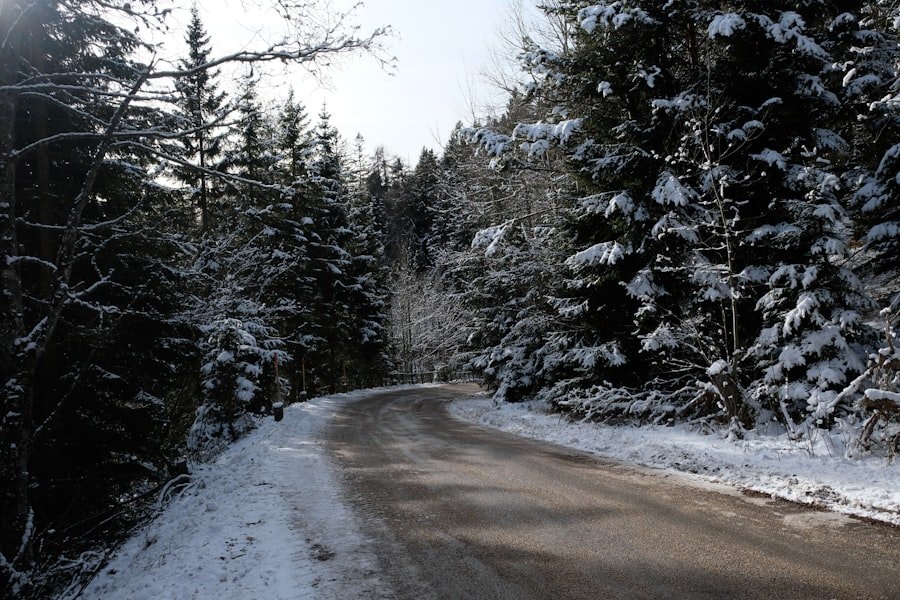
Driving in snow and ice requires a different approach than driving in dry conditions. One of the most important tips is to reduce your speed. Slower speeds give you more time to react to unexpected situations, such as sudden stops or skids.
It’s also essential to increase your following distance; this allows for ample space to brake safely without risking a collision. When navigating through snow-covered roads, gentle acceleration and braking are key. Abrupt movements can lead to loss of traction and control.
Instead of slamming on the brakes, apply them gradually to maintain stability. If you find yourself skidding, steer into the direction of the skid rather than away from it; this technique helps regain control of your vehicle more effectively.
Understanding Black Ice and How to Avoid It
| Topic | Metrics |
|---|---|
| Black Ice Definition | A thin layer of ice on the road that is difficult to see |
| Formation | Forms when the air temperature is at or below freezing and rain or drizzle falls on a road surface |
| Danger | Causes slippery road conditions and increases the risk of accidents |
| How to Avoid | Drive slowly, keep a safe distance from other vehicles, and avoid sudden movements |
Black ice is one of winter driving’s most treacherous hazards. This thin layer of ice forms when moisture freezes on roadways, creating a nearly invisible surface that can catch even the most experienced drivers off guard. Understanding where black ice is likely to form can help you avoid it altogether.
Areas such as bridges, overpasses, and shaded sections of the road are particularly susceptible to black ice formation. To minimize the risk of encountering black ice, stay vigilant while driving during early morning or late evening hours when temperatures are at their lowest. If you suspect that black ice may be present, reduce your speed and avoid sudden maneuvers.
If you do hit a patch of black ice, remain calm and steer straight; overcorrecting can lead to a loss of control.
Navigating Winter Weather Conditions
Winter weather can change rapidly, making it essential for drivers to stay informed about current conditions before heading out. Checking local weather forecasts and road conditions can provide valuable insights into what to expect during your journey. If severe weather is predicted, consider postponing non-essential travel until conditions improve.
When driving in heavy snowfall or blizzards, visibility can become severely compromised. Use your headlights to increase visibility for yourself and others on the road, but avoid using high beams as they can reflect off the snow and create glare. If conditions become too dangerous, find a safe place to pull over until the storm passes.
The Importance of Proper Traction and Tire Maintenance
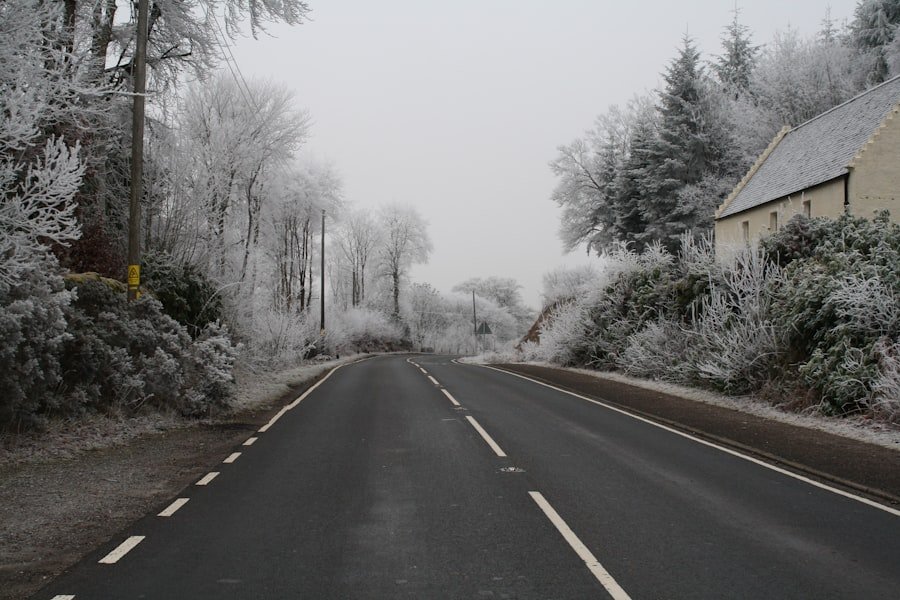
Proper traction is vital for safe winter driving, making tire maintenance an essential aspect of vehicle preparation. In addition to using winter tires, regularly checking tire tread depth is crucial for maintaining grip on slippery surfaces. A simple penny test can help determine if your tires have sufficient tread; insert a penny into the tread with Lincoln’s head facing down—if you can see all of Lincoln’s head, it’s time for new tires.
Moreover, maintaining proper tire pressure is equally important during winter months. Cold temperatures can cause tire pressure to drop significantly, leading to reduced traction and increased wear on your tires. Regularly checking and adjusting tire pressure ensures optimal performance and safety on icy roads.
Staying Safe on the Road: Defensive Driving Techniques
Defensive driving is an essential skill for navigating winter roads safely. This approach involves being aware of your surroundings and anticipating potential hazards before they become problems. Always be on the lookout for other drivers who may not be as cautious as you are; maintaining a safe distance from other vehicles allows you more time to react if someone else makes a mistake.
Additionally, avoid distractions while driving in winter conditions. Keep your focus on the road ahead and refrain from using your phone or engaging in other activities that could divert your attention from driving. By staying alert and practicing defensive driving techniques, you can significantly reduce your risk of accidents during winter months.
Emergency Kit Essentials for Winter Driving
An emergency kit is an invaluable resource for any driver during winter months. Preparing a well-stocked kit can provide peace of mind and ensure that you are ready for any situation that may arise while on the road. Essential items to include are blankets or sleeping bags for warmth, non-perishable snacks for sustenance, a flashlight with extra batteries, and a first aid kit for minor injuries.
Additionally, consider including items such as a shovel for clearing snow from around your vehicle, sand or kitty litter for added traction if you get stuck, and jumper cables in case of battery failure. Having these essentials on hand can make all the difference in an emergency situation.
Tips for Driving in Low Visibility Conditions
Low visibility conditions can arise from heavy snowfall, fog, or rain, making it crucial for drivers to adapt their techniques accordingly. When visibility is compromised, reduce your speed and increase your following distance to allow for more reaction time. Use low beam headlights instead of high beams; high beams can create glare in foggy conditions.
If visibility becomes extremely poor, consider pulling over to a safe location until conditions improve. Use your hazard lights to alert other drivers that you are stationary, ensuring that you remain visible even when parked.
Understanding the Dangers of Hypothermia and Frostbite
While focusing on vehicle safety is essential during winter driving, it’s equally important to understand the health risks associated with cold weather exposure. Hypothermia occurs when body temperature drops dangerously low due to prolonged exposure to cold temperatures or wind chill factors. Symptoms include shivering, confusion, and fatigue; if you suspect someone is experiencing hypothermia, seek medical attention immediately.
Frostbite is another serious concern during winter months, particularly for exposed skin on fingers, toes, ears, and noses. Signs of frostbite include numbness and discoloration of the skin; if frostbite is suspected, gently warm the affected area without rubbing it and seek medical help as soon as possible.
Navigating Winter Roads with Confidence
As winter descends upon Thornlie and beyond, being prepared for the challenges it brings is essential for every driver. From understanding how to prepare your vehicle for icy conditions to recognizing the dangers posed by black ice and low visibility, knowledge is your best ally on winter roads. By practicing defensive driving techniques and maintaining proper tire care, you can navigate these treacherous conditions with confidence.
Equipping yourself with an emergency kit ensures that you are ready for any situation that may arise while traveling during winter months. Additionally, being aware of health risks such as hypothermia and frostbite will help keep you safe both inside and outside your vehicle. With these strategies in mind, you can embrace the beauty of winter while ensuring that every journey remains safe and secure.
If you’re interested in the real estate market around 17 Winter Drive, Thornlie, you might find it beneficial to explore the expertise of top agents in the area. For those looking to buy or sell property in Thornlie, Smart Realty offers insights into the most successful agents in the region. You can learn more about their services and how they can assist you by visiting their article on the best selling agents for Thornlie. This resource provides valuable information on the local market and the professionals who can help you navigate it effectively.