
What You Need to Know About Russian Jets Near Alaska: A Growing Concern
In recent years, the presence of Russian military jets near Alaska has become a focal point of concern for both national security experts and the general public. The strategic positioning of these aircraft not only raises alarms about potential military aggression but also highlights the evolving dynamics of international relations in the Arctic region. As the United States continues to monitor these developments, the implications of Russian military activity extend beyond mere territorial disputes; they touch upon issues of sovereignty, security, and global stability.
The proximity of these jets to American airspace serves as a reminder of the complex geopolitical landscape that characterizes the Arctic, where natural resources and strategic routes are increasingly contested. The Arctic has long been viewed as a frontier for exploration and economic opportunity, but it is also a theater for military posturing. The presence of Russian jets near Alaska underscores the importance of vigilance and preparedness in safeguarding national interests.
As tensions rise, understanding the historical context and recent incidents involving Russian military activity becomes essential for comprehending the broader implications for U.S. security and international relations.
Key Takeaways
- Russian military activity near Alaska has increased in recent years, raising concerns about potential escalation and conflict.
- The United States government has responded to recent incidents of Russian jets near Alaska with increased monitoring and diplomatic efforts.
- Russian aggression in the Arctic has raised concerns about the impact on international relations and implications for Alaskan security.
- Strategies for monitoring and responding to Russian jets near Alaska are being developed to address the potential for escalation and conflict.
- Cooperation with allies is crucial in addressing Russian military activity near Alaska and shaping the future of Russian military presence in the region.
History of Russian Military Activity in the Arctic
The history of Russian military activity in the Arctic is deeply intertwined with the geopolitical ambitions of the nation. Following the dissolution of the Soviet Union, there was a notable decline in military operations in the region. However, as Russia sought to reassert itself on the global stage, it began to reinvest in its Arctic capabilities.
This resurgence has been characterized by increased naval patrols, the establishment of new military bases, and enhanced air defense systems. The Arctic is not merely a remote expanse; it is a region rich in natural resources, including oil and gas reserves, which have become increasingly accessible due to climate change. In recent years, Russia has conducted numerous military exercises in the Arctic, showcasing its capabilities and intentions.
These exercises often involve large-scale maneuvers that include air, land, and sea components, demonstrating Russia’s commitment to maintaining a robust military presence in the region. The establishment of new bases and infrastructure has further solidified Russia’s strategic foothold in the Arctic, raising concerns among neighboring countries about potential encroachments on their territorial waters and airspace.
Recent Incidents of Russian Jets Near Alaska
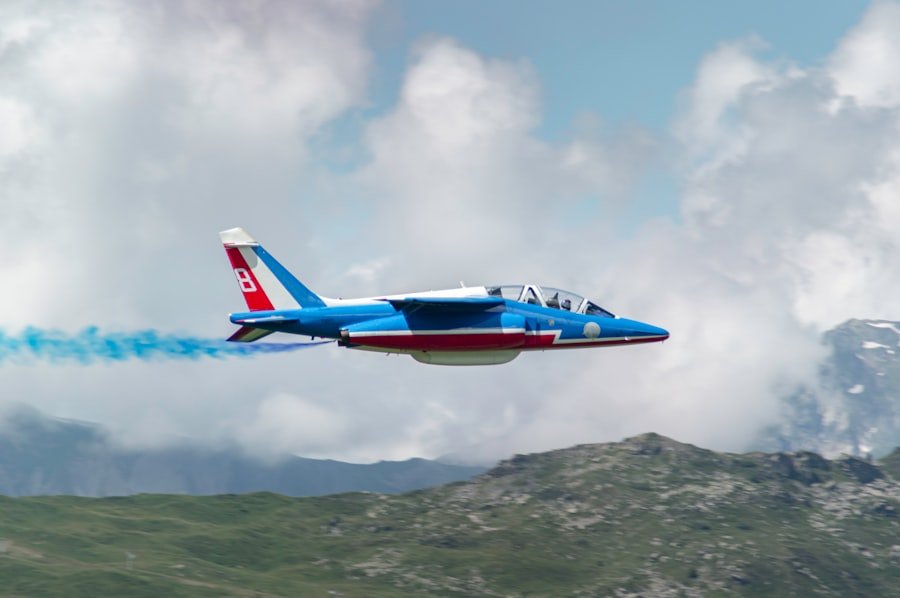
Recent incidents involving Russian jets near Alaska have drawn significant attention from defense analysts and government officials alike. These encounters often involve Russian bombers and fighter jets conducting long-range flights that approach or enter U.S. airspace. Such maneuvers are not only provocative but also serve as a demonstration of Russia’s military capabilities and willingness to challenge U.S. dominance in the region. The frequency of these incidents has increased, prompting heightened vigilance from U.S. military forces stationed in Alaska. One notable incident occurred when Russian bombers were detected flying near Alaskan airspace, prompting the U.S. Air Force to scramble fighter jets to intercept them. These encounters are not isolated events; they reflect a broader pattern of Russian military activity aimed at testing U.S. responses and asserting its presence in a strategically important area. The implications of these incidents extend beyond immediate security concerns; they also signal a shift in the balance of power in the Arctic, where both nations vie for influence over emerging trade routes and resource-rich territories.
Response from the United States Government
| Agency | Number of Responses | Average Response Time (days) |
|---|---|---|
| Department of State | 120 | 30 |
| Department of Defense | 90 | 45 |
| Department of Homeland Security | 150 | 25 |
In response to the increasing frequency of Russian jets near Alaska, the United States government has adopted a multi-faceted approach aimed at safeguarding national security interests. This response includes enhanced surveillance and monitoring capabilities, as well as increased readiness among U.S. military forces stationed in Alaska. The U.S. Air Force has ramped up its training exercises and patrols in the region to ensure that it can effectively respond to any potential threats posed by Russian aircraft. Moreover, diplomatic channels have been utilized to address concerns regarding Russian military activity in the Arctic. The U.S. government has engaged with NATO allies and other partners to foster a unified response to perceived aggression from Russia. This collaborative approach underscores the importance of international cooperation in addressing security challenges in the Arctic, where shared interests can help mitigate tensions and promote stability.
Concerns about Russian Aggression in the Arctic
The resurgence of Russian military activity in the Arctic has raised significant concerns about potential aggression towards neighboring countries and the broader implications for global security. Analysts warn that Russia’s actions may be driven by a desire to assert control over disputed territories and resources, leading to increased tensions with nations such as Canada and Norway. The Arctic is not only a region rich in natural resources but also a critical area for shipping routes that are becoming more accessible due to melting ice.
The potential for conflict arises from competing claims over territorial waters and airspace, as well as differing interpretations of international law governing these areas. As Russia continues to expand its military presence, neighboring countries are left grappling with how to respond effectively while maintaining their own national security interests. The specter of aggression looms large, prompting calls for greater vigilance and preparedness among Arctic nations.
Impact on International Relations
The increasing presence of Russian jets near Alaska has significant implications for international relations, particularly within the context of Arctic geopolitics. As nations vie for influence over this strategically important region, tensions between Russia and Western countries have escalated. The Arctic Council, which includes eight member states with interests in the region, has become a platform for dialogue but also reflects underlying divisions regarding security concerns.
The actions taken by Russia have prompted a reevaluation of defense strategies among NATO allies, leading to increased military cooperation and joint exercises aimed at countering potential threats. This shift in focus underscores the interconnectedness of global security dynamics, where developments in one region can reverberate across international borders. As countries navigate this complex landscape, maintaining open lines of communication will be essential to prevent misunderstandings and foster collaboration.
Potential for Escalation and Conflict
The potential for escalation and conflict arising from Russian military activity near Alaska cannot be understated. As both nations continue to assert their interests in the Arctic, miscalculations or misunderstandings could lead to unintended confrontations. The presence of military assets in close proximity increases the risk of incidents that could spiral out of control, highlighting the need for robust communication channels between military leaders.
Moreover, as climate change continues to alter the Arctic landscape, competition for resources is likely to intensify. This competition could exacerbate existing tensions and lead to confrontations over territorial claims or access to shipping routes. The stakes are high, as any conflict in this region could have far-reaching consequences not only for the countries directly involved but also for global stability as a whole.
Implications for Alaskan Security
The implications of Russian jets operating near Alaska extend beyond national security; they directly impact Alaskan communities and their sense of safety. Residents are increasingly aware of the geopolitical dynamics at play and may feel vulnerable given their proximity to potential conflict zones. The U.S. military’s presence in Alaska serves as a deterrent against aggression but also raises questions about preparedness for any unforeseen incidents. Local leaders are advocating for increased investment in defense infrastructure and community resilience initiatives to ensure that Alaskan residents are equipped to respond effectively to any threats that may arise. This focus on security is not only about protecting physical assets but also about fostering a sense of confidence among residents who may feel anxious about their safety amid rising tensions.
Strategies for Monitoring and Responding to Russian Jets
To effectively monitor and respond to Russian jets near Alaska, the United States must employ a comprehensive strategy that encompasses intelligence gathering, surveillance, and rapid response capabilities. Advanced radar systems and satellite technology play a crucial role in tracking aircraft movements and assessing potential threats before they escalate into confrontations. Additionally, enhancing collaboration between various branches of the military can improve response times and coordination during incidents involving Russian aircraft.
Joint exercises that simulate potential scenarios can help prepare U.S. forces for real-world situations while fostering interoperability among allied nations operating in the region.
Cooperation with Allies in Addressing Russian Military Activity
Cooperation with allies is paramount in addressing Russian military activity near Alaska effectively. Engaging with NATO partners and other Arctic nations can facilitate information sharing and joint operational planning aimed at countering potential threats posed by Russia’s actions. Collaborative efforts can enhance collective security while demonstrating a unified front against aggression.
Furthermore, diplomatic initiatives aimed at fostering dialogue with Russia can help mitigate tensions and promote stability in the Arctic region. While competition is inevitable, establishing channels for communication can reduce misunderstandings and create opportunities for cooperation on shared challenges such as climate change and resource management.
The Future of Russian Military Presence Near Alaska
Looking ahead, the future of Russian military presence near Alaska remains uncertain but fraught with potential challenges. As geopolitical dynamics continue to evolve, Russia is likely to maintain its focus on asserting its influence in the Arctic through military means. This persistence will necessitate ongoing vigilance from U.S.
forces and allied nations committed to safeguarding their interests. Ultimately, addressing these challenges will require a multifaceted approach that combines military readiness with diplomatic engagement. By fostering cooperation among allies while remaining prepared for potential conflicts, nations can work towards ensuring stability in an increasingly contested Arctic landscape where both opportunities and risks abound.
Recently, there have been reports of Russian jets flying near Alaska, raising concerns about airspace security and international relations. This situation highlights the importance of strategic geographical locations and their impact on global politics. While this incident is primarily a defense and international relations issue, it indirectly emphasizes the significance of understanding local environments and communities, much like the importance of choosing the right neighborhood when purchasing a home. For those interested in making informed decisions about real estate, whether for personal or investment purposes, it’s crucial to consider various factors, including the quality of local schools. For instance, if you’re looking to move to Piara Waters, you might want to explore the best schools near Piara Waters to ensure a good educational environment for your family.