
Understanding Exploring the Terrifying World of Silent Hill
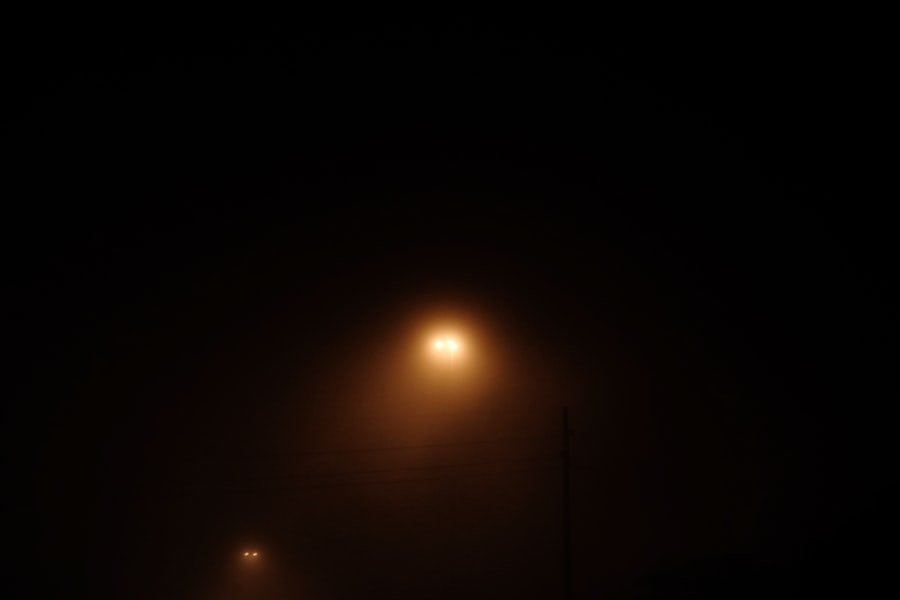
Silent Hill is a name that resonates deeply within the realm of horror, evoking a sense of dread and unease that lingers long after the experience has ended. The town itself is shrouded in an eerie fog, a thick veil that obscures vision and creates an unsettling atmosphere. This fog is not merely a visual element; it serves as a metaphor for the psychological turmoil that permeates the lives of its inhabitants.
As players navigate through the desolate streets, they are enveloped in a world that feels both familiar and alien, where every corner turned could lead to salvation or despair. The haunting ambiance is further amplified by the dilapidated buildings, rusting vehicles, and the pervasive silence that hangs in the air, broken only by the distant echoes of footsteps or the unsettling sounds of unseen entities. The atmosphere of Silent Hill is meticulously crafted to evoke feelings of isolation and hopelessness.
The town itself becomes a character, reflecting the inner struggles of those who dare to enter its confines. Each location tells a story, from the abandoned school filled with remnants of childhood innocence to the foreboding hospital that symbolizes suffering and decay. The interplay of light and shadow creates a visual tapestry that enhances the sense of dread, making players acutely aware that danger lurks just beyond their line of sight.
This haunting atmosphere is not just a backdrop; it is an integral part of the narrative, drawing players into a world where their fears are laid bare and their sanity is tested.
Key Takeaways
- The haunting atmosphere of Silent Hill creates a sense of unease and dread from the moment players enter the town.
- Unraveling the mystery of the town involves piecing together fragmented clues and delving into the dark history of Silent Hill.
- The psychological horror of Silent Hill delves into the deepest fears and anxieties of the human mind, creating a truly terrifying experience.
- Navigating through the fog and darkness of Silent Hill requires careful exploration and a keen sense of direction to avoid getting lost.
- Confronting the monstrous creatures of Silent Hill is a heart-pounding experience that tests players’ survival instincts and combat skills.
Unraveling the Mystery of the Town
At its core, Silent Hill is a puzzle waiting to be solved, a labyrinthine mystery that beckons players to delve deeper into its dark history. The town is steeped in secrets, each layer revealing more about its tragic past and the events that led to its current state of decay. As players explore, they encounter cryptic clues and fragmented narratives that piece together the stories of those who once called Silent Hill home.
This unraveling of mystery is not just an exercise in curiosity; it serves as a catalyst for self-discovery, forcing players to confront their own fears and regrets as they navigate through the town’s haunted corridors. The narrative structure of Silent Hill is intricately woven, with each character representing different facets of trauma and guilt. As players interact with these characters, they are drawn into their personal struggles, creating a rich tapestry of interconnected stories that reflect the human condition.
The deeper one ventures into Silent Hill, the more complex the narrative becomes, challenging players to confront uncomfortable truths about themselves and their pasts. This exploration of mystery is not merely for entertainment; it serves as a profound commentary on the nature of fear, loss, and redemption, making Silent Hill a thought-provoking experience that lingers long after the game is over.
The Psychological Horror of Silent Hill

Silent Hill transcends traditional horror by delving into the psychological aspects of fear and trauma. It is not just about jump scares or grotesque monsters; it is about the internal struggles that haunt individuals long after physical threats have been vanquished. The game masterfully explores themes of guilt, grief, and repressed memories, forcing players to confront their own demons as they navigate through the town’s nightmarish landscape.
Each encounter with the supernatural serves as a reflection of the characters’ inner turmoil, blurring the lines between reality and illusion. The psychological horror in Silent Hill is further amplified by its use of symbolism and metaphor. The monsters that inhabit the town are not merely physical threats; they represent the characters’ fears and unresolved issues.
For instance, Pyramid Head embodies punishment and guilt, serving as a constant reminder of past transgressions. This deep psychological exploration creates an immersive experience that resonates with players on a personal level, making them question their own motivations and fears. Silent Hill challenges players to confront their darkest thoughts, ultimately leading to a cathartic experience that transcends mere entertainment.
Navigating through the Fog and Darkness
| Metrics | Data |
|---|---|
| Number of foggy days | 25 |
| Visibility in meters | 100 |
| Accidents caused by fog | 15 |
| Use of fog lights | 80% |
As players traverse the fog-laden streets of Silent Hill, they are met with an overwhelming sense of uncertainty. The thick mist obscures visibility, creating an atmosphere ripe for tension and suspense. Every step taken feels fraught with danger, as players must rely on their instincts to navigate through this treacherous landscape.
The fog serves as both a physical barrier and a psychological one, heightening feelings of vulnerability and isolation. It forces players to confront their fears head-on, as they must venture into the unknown without knowing what horrors await them. The darkness in Silent Hill is not just a visual element; it symbolizes the characters’ internal struggles and fears.
As players delve deeper into the town’s mysteries, they are confronted with their own shadows—both literal and metaphorical. The interplay between light and darkness creates a sense of foreboding, where every flicker of illumination could either reveal salvation or expose hidden terrors. This navigation through fog and darkness becomes a journey of self-discovery, challenging players to confront their fears while seeking answers in a world that seems determined to keep them lost.
Confronting the Monstrous Creatures
The creatures that inhabit Silent Hill are some of the most iconic manifestations of horror in gaming history. Each monster is meticulously designed to evoke fear and discomfort, serving as a physical representation of the characters’ psychological struggles. From grotesque figures like Pyramid Head to hauntingly familiar forms like the Nurses, these creatures embody the darkness that lurks within each character’s psyche.
Confronting these monstrous entities becomes an integral part of the gameplay experience, forcing players to face their fears head-on. The encounters with these creatures are not merely battles for survival; they are deeply symbolic confrontations with one’s own inner demons. Each monster serves as a reminder of past traumas or unresolved issues, challenging players to confront what they have tried to bury deep within themselves.
The horror lies not only in their grotesque appearances but also in what they represent—a manifestation of guilt, shame, or fear that must be faced in order to move forward. This psychological depth adds layers to the gameplay experience, transforming each encounter into a moment of introspection and growth.
The Haunting Soundtrack of Silent Hill
The auditory experience in Silent Hill is as crucial as its visual elements in creating an immersive atmosphere of horror. The haunting soundtrack composed by Akira Yamaoka plays a pivotal role in establishing mood and tension throughout the game. Each note resonates with an unsettling beauty, evoking feelings of despair and longing that perfectly complement the game’s themes.
The music weaves seamlessly into the fabric of gameplay, enhancing moments of fear while also providing poignant reflections on loss and memory. The sound design in Silent Hill goes beyond mere music; it incorporates ambient noises that heighten the sense of dread. The distant echoes of footsteps, unsettling whispers, and dissonant sounds create an auditory landscape that immerses players in a world filled with uncertainty.
This careful attention to sound design amplifies emotional responses, making players acutely aware of their surroundings while simultaneously heightening their anxiety. The haunting soundtrack becomes an integral part of the narrative experience, guiding players through moments of terror while also providing glimpses into the characters’ emotional states.
The Influence of Silent Hill on Horror Gaming
Silent Hill has left an indelible mark on the landscape of horror gaming, influencing countless titles that followed in its wake. Its unique blend of psychological horror and atmospheric storytelling set a new standard for what horror games could achieve. By prioritizing narrative depth over mere shock value, Silent Hill paved the way for future developers to explore complex themes within interactive experiences.
Its impact can be seen in games that prioritize atmosphere and emotional resonance over traditional horror tropes. The legacy of Silent Hill extends beyond its gameplay mechanics; it has inspired a generation of game designers to push boundaries and explore new avenues within the horror genre. Titles such as “Amnesia: The Dark Descent” and “Layers of Fear” draw heavily from Silent Hill’s emphasis on psychological horror and environmental storytelling.
The influence can also be seen in film adaptations and other media that seek to capture the essence of what makes Silent Hill so compelling—a deep exploration of fear intertwined with rich narrative threads.
Exploring the Abandoned Buildings and Streets
One of the most captivating aspects of Silent Hill is its richly detailed environments that invite exploration and discovery. The abandoned buildings and desolate streets serve as haunting reminders of a once-thriving community now consumed by darkness. Players are encouraged to explore every nook and cranny, uncovering hidden secrets and piecing together fragments of history that reveal more about the town’s tragic past.
This exploration becomes an integral part of the experience, allowing players to immerse themselves fully in Silent Hill’s haunting world. The design of these environments reflects a meticulous attention to detail, creating spaces that feel both authentic and unsettling. From crumbling schools filled with remnants of childhood innocence to decrepit hospitals echoing with despair, each location tells its own story while contributing to the overarching narrative.
As players navigate through these abandoned spaces, they are confronted with visual cues that evoke emotions ranging from nostalgia to terror. This exploration fosters a sense of connection between players and the world around them, making every discovery feel significant within the context of their journey.
The Psychological Impact of Silent Hill on Players
Silent Hill’s ability to evoke profound psychological responses sets it apart from other horror games. Players often find themselves grappling with their own fears and insecurities as they navigate through the town’s nightmarish landscape. The game’s exploration of trauma and guilt resonates deeply on an emotional level, prompting introspection long after gameplay has ended.
This psychological impact transforms Silent Hill from mere entertainment into a thought-provoking experience that challenges players to confront their own inner demons. The emotional weight carried by Silent Hill can lead to lasting impressions on players’ psyches. Many report feeling haunted by their experiences within the game—an indication that it has successfully tapped into universal themes of fear and vulnerability.
This psychological engagement fosters a connection between players and characters that transcends traditional gaming experiences, creating moments of empathy and understanding amidst horror. In this way, Silent Hill becomes not just a game but an exploration of what it means to confront one’s fears head-on.
The Legacy of Silent Hill in Horror Culture
Silent Hill’s legacy extends far beyond its initial release; it has become a cornerstone within horror culture itself. Its influence can be seen across various forms of media—from films inspired by its themes to literature exploring similar psychological depths. The game’s ability to blend horror with profound emotional narratives has solidified its place as one of the most significant contributions to both gaming and horror storytelling at large.
As new generations discover Silent Hill through remakes or sequels, its impact continues to resonate within contemporary discussions about horror gaming’s evolution. Developers draw inspiration from its innovative approach while fans celebrate its enduring relevance within popular culture. This legacy serves as a testament not only to Silent Hill’s artistry but also to its ability to provoke thought and emotion—qualities that define great storytelling across all mediums.
Overcoming Fear and Survival in Silent Hill
At its heart, Silent Hill is not just about horror; it is also about resilience in the face of overwhelming fear. Players are thrust into situations where survival hinges on their ability to confront both external threats and internal struggles alike. As they navigate through treacherous environments filled with monstrous entities lurking around every corner, they must summon courage from within themselves—a journey mirrored by characters who grapple with their own demons throughout gameplay.
This theme resonates deeply with players who find themselves reflecting on their own experiences with fear—whether it be personal challenges or societal pressures—making Silent Hill an empowering exploration rather than simply an exercise in terror alone. By overcoming obstacles both literal (in terms of gameplay) as well as metaphorical (in terms of character arcs), players emerge from this harrowing journey transformed—having faced down darkness only to emerge stronger on the other side. In conclusion, Silent Hill stands as an unparalleled achievement within horror gaming—a masterclass in atmospheric storytelling intertwined with psychological depth that continues to captivate audiences today.
Its haunting atmosphere invites exploration while unraveling mysteries forces introspection; all culminating into profound experiences where confronting fears leads not only towards survival but also towards personal growth—a legacy worthy enough for any true fan or newcomer alike!
Silent Hill f, the latest installment in the iconic horror video game series, has captivated fans with its eerie atmosphere and gripping storyline. As players navigate through the haunting landscapes and unravel the mysteries within, the game offers a chilling experience that keeps them on the edge of their seats. For those interested in exploring more about the settings and environments that inspire such immersive experiences, the article on South Perth provides an intriguing look at a location that, while not directly related to the game, shares a similar sense of place and atmosphere that can enhance one’s appreciation for the art of creating compelling environments in both real estate and virtual worlds.