
Understanding Championing Chonky Bears: The Excitement of Fat Bear Week
Fat Bear Week is an annual celebration that takes place in Katmai National Park, Alaska, where the public gets to vote for their favorite bear based on their impressive weight gain leading up to hibernation. This unique event highlights the remarkable transformation of these magnificent creatures as they prepare for the long winter months ahead. The competition showcases the bears’ physical prowess and resilience, as they feast on salmon and other food sources to build up their fat reserves.
The event has gained immense popularity over the years, drawing attention not only to the bears themselves but also to the broader issues of wildlife conservation and environmental awareness. The origins of Fat Bear Week can be traced back to the park’s live bear cam, which allows viewers from around the world to observe the bears in their natural habitat. As people became enamored with the antics of these chonky bears, the idea of a friendly competition emerged.
The event has since evolved into a week-long celebration that combines fun, education, and advocacy for bear conservation. Each year, participants eagerly await the announcement of the contenders, who are often given playful names that reflect their personalities and physical attributes. This lighthearted approach to wildlife observation fosters a sense of community among bear enthusiasts and encourages a deeper appreciation for these incredible animals.
Key Takeaways
- Fat Bear Week is an annual event that celebrates the success of bears in gaining weight before hibernation.
- Celebrating chonky bears is significant as it raises awareness about bear conservation and the impact of climate change on their habitat.
- Bears prepare for hibernation by increasing their food intake and storing fat to survive the winter months.
- Climate change can disrupt bear hibernation patterns and food availability, affecting their ability to survive and reproduce.
- Social media plays a crucial role in promoting Fat Bear Week and raising awareness about bear conservation efforts.
The significance of celebrating chonky bears
Celebrating chonky bears during Fat Bear Week serves multiple purposes, both for wildlife enthusiasts and for the broader community. Firstly, it brings attention to the natural behaviors and life cycles of bears, particularly their need to gain weight before hibernation. By focusing on these adorable, rotund creatures, Fat Bear Week helps educate the public about the importance of healthy ecosystems and the role that bears play within them.
This awareness is crucial in fostering a sense of responsibility towards wildlife conservation and habitat preservation. Moreover, the celebration of chonky bears serves as a reminder of the challenges that wildlife faces in an ever-changing world. As we marvel at their impressive size and strength, we are also prompted to consider the impact of human activity on their habitats.
By highlighting the bears’ struggle for survival, Fat Bear Week encourages individuals to take action in support of conservation efforts. The event not only entertains but also inspires a sense of stewardship for our planet and its inhabitants, making it a vital component of wildlife advocacy.
How do bears prepare for hibernation?
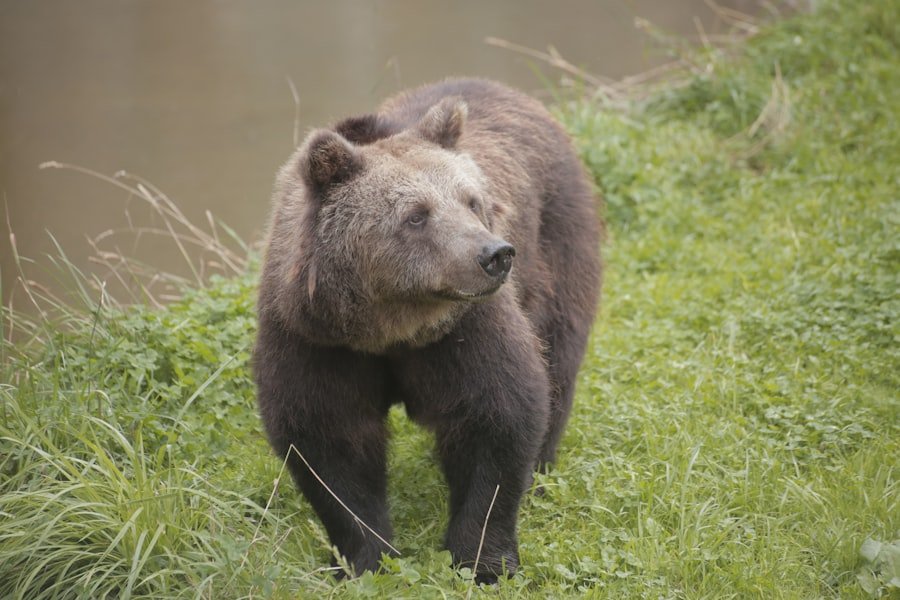
As winter approaches, bears undergo a fascinating transformation in preparation for hibernation. This process begins with an intense focus on feeding, as they seek out high-calorie foods to build up their fat reserves. During late summer and early fall, bears can consume up to 20,000 calories a day, primarily by feasting on salmon as they spawn in rivers and streams.
This feeding frenzy is essential for their survival during hibernation, as they will rely on these fat stores to sustain them through months of dormancy. In addition to increasing their body weight, bears also undergo physiological changes that prepare them for hibernation. Their metabolism slows down significantly, allowing them to conserve energy while they remain inactive.
During this time, bears will find a suitable den—often a cave or hollowed-out tree—where they can safely rest until spring arrives. Interestingly, female bears will give birth during hibernation, nurturing their cubs in the warmth of their dens until they are ready to emerge into the world. This remarkable adaptation ensures that both mother and cubs have the best chance of survival in a harsh environment.
The impact of climate change on bear hibernation
| Year | Location | Duration of Hibernation | Temperature Change |
|---|---|---|---|
| 2010 | Alaska | 6 months | +2°C |
| 2015 | Canada | 5.5 months | +1.5°C |
| 2020 | Russia | 5 months | +2.5°C |
Climate change poses significant challenges to bear populations and their hibernation patterns. As global temperatures rise and weather patterns shift, the availability of food sources becomes increasingly unpredictable. For instance, earlier springs can lead to a mismatch between the timing of food availability and the bears’ hibernation cycles.
If bears emerge from hibernation too early, they may struggle to find sufficient food, which can have dire consequences for their health and reproductive success. Additionally, climate change can disrupt the delicate ecosystems that support bear populations. Changes in river flows can affect salmon spawning patterns, leading to reduced food availability for bears during critical feeding periods.
As habitats become fragmented due to human development and environmental changes, bears may find it more challenging to access traditional feeding grounds. This not only impacts their ability to gain weight before hibernation but also threatens their overall survival in an increasingly hostile environment.
The role of social media in promoting Fat Bear Week
Social media has played a pivotal role in elevating Fat Bear Week from a local event to a global phenomenon. Platforms like Instagram, Twitter, and Facebook allow fans from around the world to engage with the event in real-time, sharing their favorite bear contenders and celebrating their unique characteristics. The use of hashtags such as #FatBearWeek has created a sense of community among participants, fostering discussions about wildlife conservation and encouraging people to learn more about these incredible animals.
Moreover, social media provides an accessible platform for educational content related to bear behavior and conservation efforts. Organizations like Katmai National Park utilize these channels to share informative posts about bear ecology, habitat preservation, and the importance of responsible wildlife viewing practices. By leveraging social media’s reach, Fat Bear Week not only entertains but also educates a diverse audience about the challenges facing bears and the need for ongoing conservation initiatives.
The science behind bear weight gain
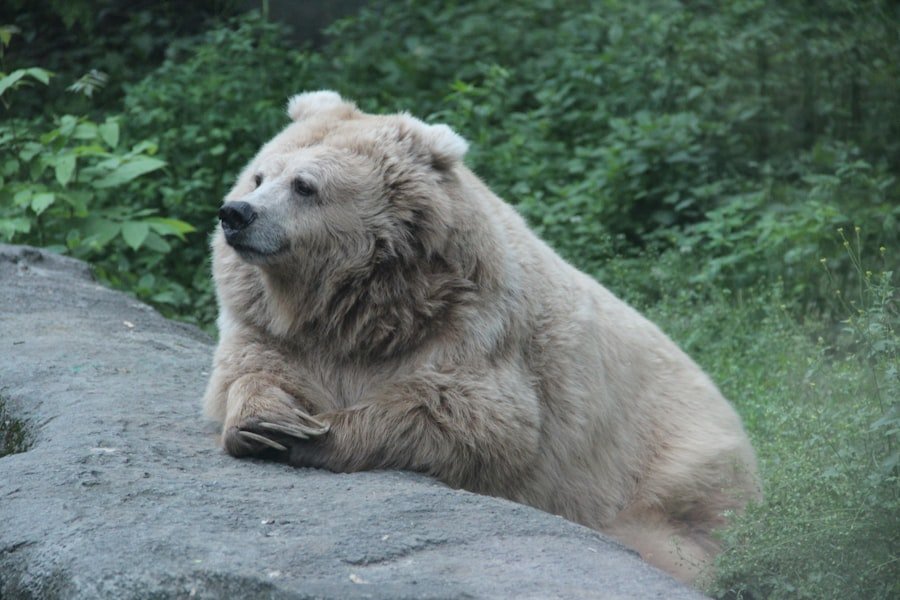
The science behind bear weight gain is a fascinating interplay of biology and ecology. Bears are classified as carnivores but are omnivorous in practice, consuming a wide variety of foods that contribute to their weight gain during late summer and fall. Their diet primarily consists of high-calorie foods such as salmon, berries, nuts, and vegetation.
The ability to efficiently convert these food sources into fat is crucial for their survival during hibernation when they rely solely on stored energy. Bears possess a unique metabolic adaptation that allows them to gain weight rapidly while minimizing energy expenditure. Their bodies are designed to store excess calories as fat rather than muscle mass, which is essential for maintaining body temperature during hibernation.
Additionally, hormonal changes play a significant role in regulating appetite and metabolism during this period. As fall approaches, increased levels of hormones such as insulin promote fat storage while suppressing metabolic rates—ensuring that bears can pack on the pounds before entering their long winter slumber.
How to participate in Fat Bear Week
Participating in Fat Bear Week is an enjoyable and engaging experience for individuals of all ages. To join in on the fun, fans can visit the official Fat Bear Week website or follow Katmai National Park’s social media channels for updates on this year’s contenders. Each year features a bracket-style competition where participants can vote for their favorite bear based on photos showcasing their impressive size and personality.
In addition to voting for their favorite bears, participants can engage with educational content provided by Katmai National Park. This includes learning about bear behavior, habitat conservation efforts, and ways to support wildlife protection initiatives. Sharing posts on social media using designated hashtags allows fans to connect with others who share their passion for wildlife conservation while spreading awareness about the importance of protecting these magnificent creatures.
The importance of bear conservation efforts
Bear conservation efforts are vital not only for the survival of these iconic animals but also for maintaining healthy ecosystems. Bears play a crucial role in their habitats by helping to regulate prey populations and dispersing seeds through their feeding habits. Their presence contributes to biodiversity and supports various other species within their ecosystems.
However, human activities such as habitat destruction, poaching, and climate change pose significant threats to bear populations worldwide. Conservation initiatives aimed at protecting bear habitats and promoting sustainable practices are essential for ensuring their long-term survival. Organizations dedicated to wildlife protection work tirelessly to raise awareness about the challenges facing bears while advocating for policies that prioritize habitat preservation and responsible land use.
By supporting these efforts, individuals can contribute to creating a safer environment for bears and other wildlife while fostering a greater appreciation for nature’s delicate balance.
The cultural impact of Fat Bear Week
Fat Bear Week has transcended its origins as a local event in Alaska to become a cultural phenomenon celebrated by wildlife enthusiasts around the globe. The playful nature of the competition resonates with people from all walks of life, fostering a sense of joy and connection through shared admiration for these remarkable animals. The event has inspired countless memes, artwork, and merchandise that celebrate chonky bears, further embedding them into popular culture.
Moreover, Fat Bear Week serves as a platform for raising awareness about broader environmental issues beyond just bear conservation. By engaging audiences through humor and creativity, it encourages discussions about climate change, habitat preservation, and responsible wildlife viewing practices. This cultural impact extends beyond entertainment; it cultivates a sense of responsibility among individuals to advocate for wildlife protection and engage with nature in meaningful ways.
The success stories of previous Fat Bear Week champions
Each year’s Fat Bear Week champions become symbols of resilience and adaptability within the bear community. Previous winners have showcased not only impressive weight gains but also remarkable stories that highlight their unique personalities and struggles in the wild. For instance, Otis—a beloved champion known for his distinctive appearance—has captured hearts with his tenacity in securing food despite competition from younger bears.
These success stories serve as powerful reminders of the challenges faced by bears in their natural habitats while also celebrating their triumphs over adversity. By sharing these narratives during Fat Bear Week, organizers emphasize the importance of understanding individual bear behaviors and experiences within the context of broader conservation efforts. Each champion represents not just an impressive physique but also a testament to the resilience of wildlife in an ever-changing world.
Ways to support bear conservation efforts beyond Fat Bear Week
While Fat Bear Week is an exciting opportunity to celebrate bears and raise awareness about conservation efforts, there are numerous ways individuals can continue supporting these initiatives throughout the year. One effective method is by donating to organizations dedicated to wildlife protection and habitat preservation. Many nonprofits focus specifically on bear conservation or broader environmental issues that impact various species.
Additionally, individuals can engage in responsible outdoor practices when visiting natural areas inhabited by bears or other wildlife. This includes following guidelines for safe wildlife viewing, properly disposing of trash to prevent attracting animals into human spaces, and respecting designated trails to minimize habitat disruption. Educating oneself about local ecosystems fosters a deeper appreciation for nature while empowering individuals to advocate for policies that prioritize environmental protection.
In conclusion, Fat Bear Week is more than just a fun competition; it serves as an important reminder of our responsibility towards wildlife conservation and environmental stewardship. By celebrating chonky bears and engaging with educational content surrounding their lives, we can foster a greater appreciation for these magnificent creatures while advocating for their protection in an ever-changing world.
Fat Bear Week is an annual event that celebrates the success of bears in preparing for hibernation by gaining substantial weight. This event, which takes place in Katmai National Park, Alaska, has gained popularity for its engaging way of highlighting wildlife conservation. If you’re interested in learning more about how to prepare for significant life events, such as buying a house, you might find this article on what to look for when buying a house insightful. Just as bears prepare for the winter, potential homeowners need to be well-prepared and informed before making such a significant investment.
Curious about property management? Start with property inspection armadale and Top 20 Property Management Companies: A Comprehensive Guide.