
Why The Future of Travel: Stagecoach 2026 Matters
Travel has always been an intrinsic part of human existence, evolving from the rudimentary journeys of our ancestors to the sophisticated systems we have today. The evolution of travel reflects not only advancements in technology but also shifts in societal values, economic conditions, and cultural exchanges. From the days of footpaths and horseback rides to the modern era of jet-setting and digital navigation, each phase has contributed to a rich tapestry of experiences that shape our understanding of the world.
As we delve into the history of travel, one cannot overlook the significant role that stagecoach travel played in bridging distances and connecting communities. Stagecoach travel emerged as a revolutionary mode of transportation in the 17th century, providing a reliable means for people to traverse long distances. It marked a pivotal moment in the evolution of travel, as it allowed for the movement of not just individuals but also goods and information across vast landscapes.
The stagecoach became synonymous with adventure and exploration, embodying the spirit of a time when the world was still largely uncharted. As we explore the rise of stagecoach travel, we will uncover how this mode of transport laid the groundwork for modern travel experiences and continues to influence our journeys today.
Key Takeaways
- Stagecoach travel has evolved significantly over time, from its humble beginnings to the ultimate travel experience in 2026.
- Advancements in stagecoach technology have improved the sustainability and environmental impact of travel.
- The future of stagecoach routes promises to offer a cultural experience and have a positive economic impact.
- Stagecoach accommodations and amenities prioritize safety and security for travelers.
- Embracing the future of travel means embracing the rich history and promising future of stagecoach travel.
The Rise of Stagecoach Travel
The rise of stagecoach travel can be traced back to a time when roads were rudimentary and travel was fraught with challenges. In the early 1600s, stagecoaches began to appear in Europe, offering a more structured and reliable means of transportation compared to previous methods. These horse-drawn vehicles were designed to carry multiple passengers and their luggage, making long-distance travel more accessible to the general public.
The establishment of regular routes and schedules transformed stagecoach travel into a viable option for those seeking adventure or necessity. As stagecoaches gained popularity, they became a symbol of progress and innovation. They connected cities and towns, facilitating trade and communication in ways that had previously been unimaginable.
The introduction of postal services via stagecoaches further solidified their importance in society, allowing for the swift exchange of letters and packages. This newfound connectivity not only fostered economic growth but also encouraged cultural exchanges, as people from different regions interacted during their travels. The stagecoach era marked a significant turning point in how we perceive distance and accessibility, laying the foundation for future advancements in transportation.
Advancements in Stagecoach Technology
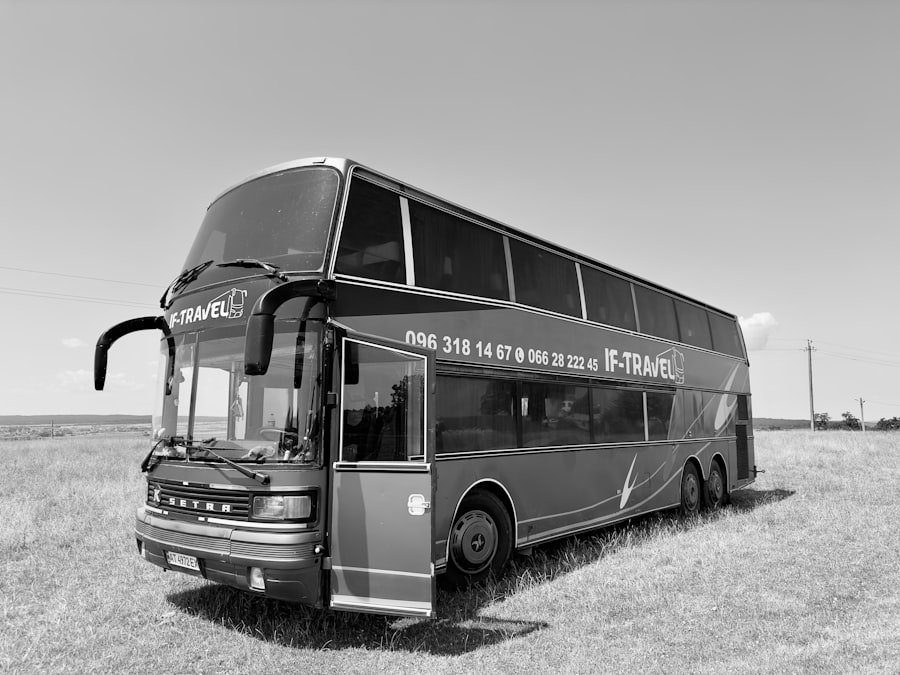
The evolution of stagecoach technology played a crucial role in enhancing the travel experience. Early stagecoaches were often uncomfortable and slow, but as demand grew, so did innovation. Improvements in design and engineering led to the development of more efficient vehicles that could accommodate greater numbers of passengers while providing a smoother ride.
Innovations such as suspension systems and better wheel designs significantly improved comfort levels, making long journeys more bearable. Moreover, advancements in horse breeding and care contributed to the efficiency of stagecoach travel. Stronger and faster horses were bred specifically for this purpose, allowing coaches to cover greater distances in shorter periods.
The introduction of relay stations along routes enabled horses to be changed out regularly, ensuring that coaches could maintain their speed without exhausting their teams. These technological advancements not only enhanced the speed and comfort of stagecoach travel but also set the stage for future innovations in transportation that would follow.
Sustainable Travel: Stagecoach’s Environmental Impact
| Metrics | Data |
|---|---|
| CO2 Emissions | XXX tons per year |
| Energy Consumption | XXX kWh per year |
| Water Usage | XXX gallons per year |
| Waste Production | XXX tons per year |
In an age where sustainability is at the forefront of global discussions, it is essential to reflect on the environmental impact of various modes of transportation. Stagecoach travel, with its reliance on horse-drawn vehicles, presents an interesting case study in sustainable travel practices. Unlike modern transportation methods that often rely on fossil fuels, stagecoaches operated on renewable energy—horses—making them inherently more environmentally friendly.
The ecological footprint of stagecoach travel was minimal compared to contemporary forms of transport. The use of horses not only reduced carbon emissions but also promoted land use practices that were less damaging to the environment. Additionally, stagecoach routes often encouraged the development of local economies through agriculture and trade, fostering a symbiotic relationship between transportation and environmental stewardship.
As we look towards a future that prioritizes sustainability, revisiting the principles behind stagecoach travel can inspire modern solutions that balance mobility with ecological responsibility.
Stagecoach 2026: The Ultimate Travel Experience
Fast forward to 2026, and imagine a world where stagecoach travel has been revitalized as a premier mode of transportation. With advancements in technology and a renewed focus on sustainable practices, modern stagecoaches could offer an unparalleled travel experience that combines nostalgia with contemporary comforts. Picture luxurious interiors equipped with modern amenities such as Wi-Fi, climate control, and gourmet dining options—all while maintaining the charm and allure of traditional stagecoach travel.
In this envisioned future, stagecoaches would operate on scenic routes that highlight breathtaking landscapes and cultural landmarks. Travelers would have the opportunity to immerse themselves in local cultures through curated experiences along their journey, from artisanal food tastings to guided historical tours. This blend of comfort, adventure, and cultural engagement would redefine what it means to travel by stagecoach, appealing to both seasoned travelers and those seeking unique experiences.
The Future of Stagecoach Routes
As we look ahead to the future of stagecoach routes, it is essential to consider how these pathways can evolve to meet the needs of modern travelers while preserving their historical significance. The potential for new routes that connect urban centers with rural destinations is vast, offering opportunities for exploration beyond traditional tourist hotspots. By integrating technology such as GPS tracking and mobile applications, travelers could enjoy real-time updates on schedules and route changes while also accessing information about points of interest along their journey.
Moreover, partnerships with local businesses could enhance the overall experience by providing travelers with exclusive offers at restaurants, shops, and attractions along the route. This collaborative approach would not only enrich the travel experience but also support local economies by encouraging visitors to explore off-the-beaten-path destinations. As we envision the future of stagecoach routes, it is clear that innovation and collaboration will play pivotal roles in shaping a new era of travel that honors tradition while embracing modernity.
Stagecoach Accommodations and Amenities
The accommodations and amenities offered during stagecoach travel are crucial components that can significantly enhance the overall experience for travelers. In our vision for 2026, modern stagecoaches would be equipped with comfortable seating arrangements designed for relaxation during long journeys. Passengers could enjoy spacious legroom, reclining seats, and even private compartments for those seeking solitude or intimacy during their travels.
In addition to comfort, amenities such as onboard entertainment systems could provide travelers with movies, music, or educational content related to their journey’s destinations. Access to refreshments—ranging from light snacks to gourmet meals—would elevate the dining experience while allowing passengers to savor local flavors as they traverse different regions. By prioritizing passenger comfort and enjoyment through thoughtful accommodations and amenities, modern stagecoach travel could become a sought-after choice for those looking for an enriching travel experience.
Safety and Security in Stagecoach Travel
Safety and security are paramount considerations in any mode of transportation, including stagecoach travel. As we envision a future where stagecoaches are once again a popular choice for travelers, it is essential to implement robust safety measures that ensure peace of mind for passengers. Modern technology can play a significant role in enhancing safety protocols; for instance, GPS tracking systems could monitor each coach’s location in real-time, allowing for swift responses in case of emergencies.
Additionally, thorough training programs for drivers and staff would be essential to ensure they are equipped to handle various situations effectively. Regular maintenance checks on vehicles would further guarantee that all equipment is functioning optimally before embarking on journeys. By prioritizing safety through comprehensive measures and utilizing technology effectively, modern stagecoach travel can provide an experience that is not only enjoyable but also secure for all passengers.
Stagecoach Travel: A Cultural Experience
One of the most enriching aspects of stagecoach travel lies in its potential to serve as a cultural experience that connects travelers with diverse communities along their routes. Each stop along a journey presents an opportunity for passengers to engage with local traditions, cuisine, and history—transforming mere transportation into an immersive adventure. By incorporating cultural experiences into the itinerary—such as local festivals or artisan workshops—stagecoach travel can foster meaningful connections between travelers and the places they visit.
Moreover, storytelling plays a vital role in enhancing cultural experiences during stagecoach journeys. Guides could share tales about the history of each region or anecdotes about significant events that shaped local culture. This narrative approach not only enriches travelers’ understanding but also creates lasting memories that extend beyond mere sightseeing.
By embracing cultural experiences as an integral part of stagecoach travel, we can cultivate a deeper appreciation for the diverse tapestry of human experiences across different regions.
The Economic Impact of Stagecoach Travel
The economic impact of stagecoach travel extends far beyond ticket sales; it encompasses a wide range of benefits for local communities along established routes. By facilitating tourism and encouraging visitors to explore lesser-known destinations, stagecoaches can stimulate local economies through increased spending at restaurants, shops, and attractions. This influx of visitors creates job opportunities within these communities while supporting small businesses that rely on tourism for their livelihoods.
Furthermore, investments in infrastructure improvements—such as better roads or rest stops—can enhance not only stagecoach travel but also overall accessibility for residents and other travelers alike. As communities recognize the economic potential associated with revitalizing stagecoach routes, they may be more inclined to collaborate with operators to create mutually beneficial partnerships that promote sustainable tourism practices while preserving local culture.
Embracing the Future of Travel
As we reflect on the evolution of travel—from its humble beginnings to its current state—it becomes evident that there is much we can learn from history as we embrace the future. Stagecoach travel represents a unique intersection between tradition and innovation; it offers valuable insights into how we can create meaningful experiences while prioritizing sustainability and community engagement. By envisioning a future where stagecoaches once again take center stage in our transportation landscape, we open ourselves up to new possibilities that honor our past while paving the way for exciting adventures ahead.
In conclusion, embracing the future of travel means recognizing the importance of diverse modes of transportation that cater to our evolving needs as global citizens. Stagecoach travel has much to offer—whether through its rich history or its potential for revitalization—and it deserves a place in our collective imagination as we navigate an ever-changing world. Let us celebrate this remarkable journey together as we look forward to exploring new horizons through innovative approaches rooted in tradition.
In anticipation of Stagecoach 2026, a significant event that promises to reshape the landscape of live music festivals, it’s essential to consider the broader implications of such large-scale gatherings on local economies and real estate markets. An insightful article that delves into the financial dynamics of property investments, which can be influenced by events like Stagecoach, is “Unlocking Wealth: The Inner Workings of Investment Properties.” This piece provides a comprehensive look at how strategic property investments can yield substantial returns, especially in areas that host major events. For more details, you can read the full article here.