
In recent years, the concept of eco-friendly homes has gained significant traction, becoming a focal point for homeowners and builders alike. As environmental concerns continue to rise, the demand for sustainable living solutions has never been more pressing. Eco-friendly homes are designed with the intention of minimizing their impact on the environment while maximizing comfort and efficiency for their inhabitants.
These homes not only contribute to a healthier planet but also offer numerous benefits to homeowners, including reduced utility bills, improved indoor air quality, and increased property value. The shift towards eco-friendly living is not merely a trend; it represents a fundamental change in how we approach home design and construction. With a growing awareness of climate change and resource depletion, many individuals are seeking ways to reduce their carbon footprint.
Eco-friendly homes embody this ethos by incorporating sustainable practices and materials that promote energy efficiency and environmental stewardship. As we delve deeper into the various aspects of eco-friendly homes, it becomes clear that they are not just a responsible choice but also a smart investment for the future.
Key Takeaways
- Eco-friendly homes in Harrisdale offer numerous benefits for both the environment and homeowners.
- Energy-efficient design and appliances play a crucial role in reducing energy consumption and lowering utility bills.
- Sustainable building materials such as bamboo, reclaimed wood, and recycled steel are great options for eco-friendly homes.
- Water conservation and recycling systems help minimize water waste and promote sustainable living.
- Indoor air quality and healthy living can be achieved through proper ventilation, non-toxic materials, and natural cleaning products in eco-friendly homes.
Energy-Efficient Design and Appliances
One of the cornerstones of eco-friendly homes is energy-efficient design, which focuses on optimizing the use of energy throughout the home. This includes strategic placement of windows for natural light, proper insulation to maintain temperature, and open floor plans that enhance airflow. By designing homes with energy efficiency in mind, builders can significantly reduce the reliance on heating and cooling systems, leading to lower energy consumption and costs.
In addition to design, the selection of energy-efficient appliances plays a crucial role in creating an eco-friendly home. Modern appliances are now available with high energy ratings, which indicate their efficiency in consuming electricity or gas. From refrigerators to washing machines, choosing Energy Star-rated appliances can lead to substantial savings on utility bills while also reducing greenhouse gas emissions.
Homeowners who invest in these technologies not only contribute to a more sustainable future but also enjoy the benefits of lower operating costs and enhanced comfort.
Sustainable Building Materials
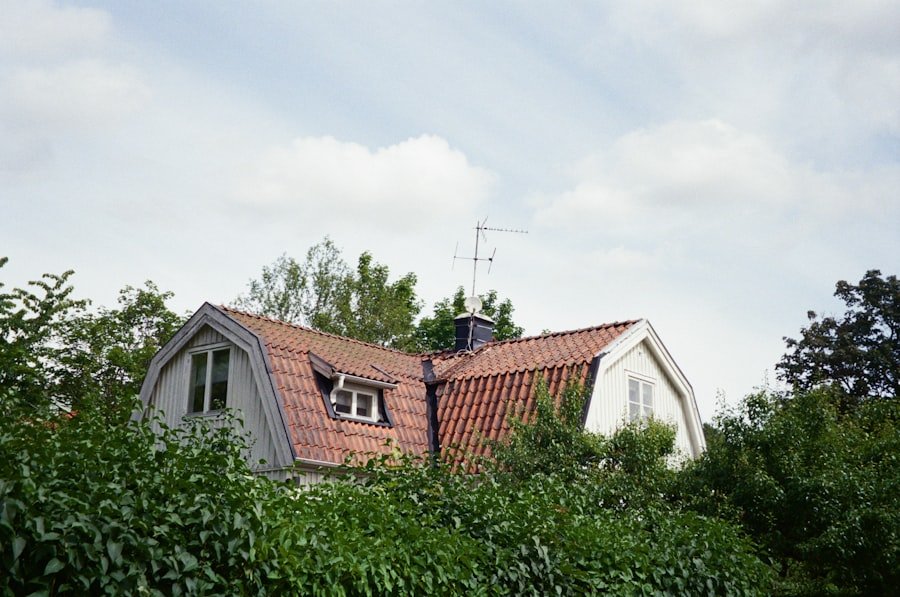
The choice of building materials is another critical aspect of eco-friendly homes. Sustainable building materials are sourced responsibly, often from renewable resources or recycled content, minimizing their environmental impact. For instance, bamboo is an excellent alternative to traditional hardwoods due to its rapid growth rate and renewability.
Similarly, reclaimed wood from old structures can be repurposed for new construction, reducing waste and preserving natural resources. Moreover, eco-friendly homes often utilize materials that are non-toxic and free from harmful chemicals. This commitment to sustainability extends beyond aesthetics; it ensures that the indoor environment remains safe and healthy for occupants.
By selecting sustainable materials, homeowners can create spaces that not only look beautiful but also contribute positively to the environment. The use of such materials reflects a dedication to responsible living and a desire to leave a lasting legacy for future generations.
Water Conservation and Recycling
| Metrics | Data |
|---|---|
| Water Consumption | 10,000 gallons per month |
| Water Recycling Rate | 50% |
| Water Saved through Conservation | 5,000 gallons per month |
| Investment in Water Conservation | 10,000 |
Water conservation is an essential component of eco-friendly living, particularly in regions where water scarcity is a concern. Eco-friendly homes often incorporate features such as low-flow fixtures, dual-flush toilets, and rainwater harvesting systems to minimize water usage. These innovations not only help conserve this precious resource but also reduce water bills for homeowners.
In addition to conserving water, many eco-friendly homes implement recycling systems that allow for greywater reuse. Greywater systems collect water from sinks, showers, and washing machines for irrigation purposes, further reducing the demand on municipal water supplies. By embracing these practices, homeowners can significantly decrease their water footprint while contributing to a more sustainable community.
Indoor Air Quality and Healthy Living
Indoor air quality is a critical aspect of healthy living that is often overlooked in traditional home design. Eco-friendly homes prioritize the use of non-toxic materials and finishes that emit fewer volatile organic compounds (VOCs), ensuring that the air inside remains clean and safe for occupants. This focus on health extends to proper ventilation systems that promote airflow and reduce humidity levels, preventing mold growth and improving overall comfort.
Furthermore, eco-friendly homes often incorporate natural elements such as plants and green walls that enhance indoor air quality while providing aesthetic appeal. These living features not only purify the air but also create a calming atmosphere that promotes well-being. By prioritizing indoor air quality, eco-friendly homes foster healthier living environments that support the physical and mental health of their inhabitants.
Solar Power and Renewable Energy
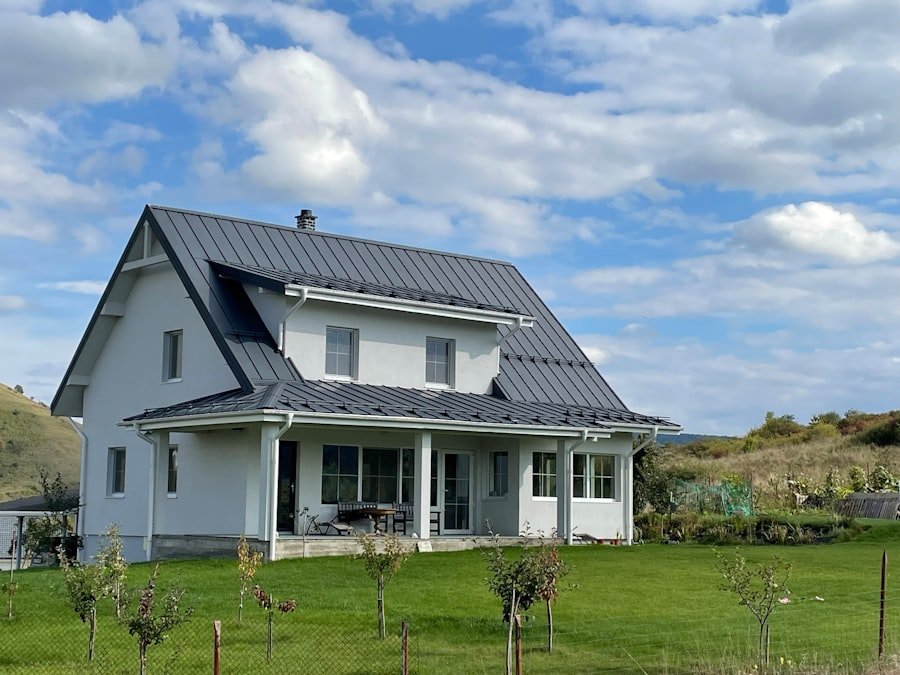
Harnessing solar power is one of the most effective ways to create an eco-friendly home. Solar panels convert sunlight into electricity, providing a renewable energy source that can significantly reduce reliance on fossil fuels. By investing in solar technology, homeowners can lower their energy bills while contributing to a cleaner environment.
In addition to solar panels, eco-friendly homes may incorporate other forms of renewable energy such as wind turbines or geothermal heating systems. These technologies work in harmony with traditional energy sources to create a balanced energy portfolio that prioritizes sustainability. As renewable energy becomes more accessible and affordable, homeowners have the opportunity to take control of their energy consumption while making a positive impact on the planet.
Eco-Friendly Landscaping and Garden Design
The exterior of an eco-friendly home is just as important as its interior when it comes to sustainability. Eco-friendly landscaping focuses on creating outdoor spaces that are both beautiful and environmentally responsible. This includes using native plants that require less water and maintenance while providing habitat for local wildlife.
Additionally, eco-friendly gardens often incorporate permaculture principles that promote biodiversity and soil health. Techniques such as companion planting and organic gardening practices help create resilient ecosystems that thrive without the need for chemical fertilizers or pesticides. By designing outdoor spaces with sustainability in mind, homeowners can enhance their connection to nature while contributing to the overall health of their community.
Waste Reduction and Recycling Practices
Waste reduction is a fundamental principle of eco-friendly living that extends beyond the home itself. Eco-friendly homes often include designated recycling areas and composting systems that encourage responsible waste management practices among residents. By minimizing waste generation and promoting recycling efforts, homeowners can significantly reduce their environmental impact.
Moreover, many eco-friendly builders prioritize construction practices that minimize waste during the building process. This includes careful planning to ensure efficient use of materials and recycling any leftover scraps or debris. By adopting these practices, homeowners can contribute to a circular economy where resources are reused rather than discarded, ultimately benefiting both the environment and their communities.
Smart Home Technology for Energy Efficiency
The integration of smart home technology has revolutionized the way we approach energy efficiency in eco-friendly homes. Smart thermostats, lighting systems, and appliances allow homeowners to monitor and control their energy usage in real-time. This level of control enables individuals to make informed decisions about their consumption patterns, leading to significant energy savings.
Additionally, smart home technology can enhance security and convenience while promoting sustainability. For example, automated irrigation systems can optimize water usage based on weather conditions, ensuring gardens receive just the right amount of moisture without waste. By embracing smart technology, homeowners can create efficient living spaces that align with their eco-friendly values while enjoying modern conveniences.
Community Resources and Support for Eco-Friendly Living
Creating an eco-friendly home is not solely an individual endeavor; it often involves collaboration with community resources and support networks. Many local governments offer incentives for sustainable building practices or provide access to workshops on energy efficiency and green living. These resources empower homeowners to make informed choices while fostering a sense of community around shared values.
Furthermore, community organizations focused on sustainability often host events or initiatives aimed at promoting eco-friendly practices among residents. From tree planting days to educational seminars on composting, these opportunities encourage individuals to engage with their neighbors while working towards common goals. By tapping into these resources, homeowners can enhance their commitment to sustainability while building connections within their community.
Benefits of Creating Eco-Friendly Homes in Harrisdale
The benefits of creating eco-friendly homes in Harrisdale extend far beyond individual households; they contribute to a healthier planet and a more sustainable future for all. By prioritizing energy efficiency, sustainable materials, water conservation, and healthy living environments, homeowners can significantly reduce their environmental impact while enjoying lower utility bills and improved quality of life. As we continue to face pressing environmental challenges, embracing eco-friendly living becomes increasingly vital.
The collective efforts of individuals committed to sustainability can lead to meaningful change within communities and beyond. By investing in eco-friendly homes today, we pave the way for a brighter tomorrow—one where future generations can thrive in harmony with nature while enjoying all the comforts of modern living.
In the quest for sustainable living, eco-friendly homes in Harrisdale are becoming increasingly popular among environmentally conscious buyers. These homes are designed with energy efficiency and minimal environmental impact in mind, featuring solar panels, rainwater harvesting systems, and sustainable building materials. For those interested in taking the first step towards owning such a home, it’s essential to be well-informed about the buying process. A helpful resource for prospective buyers is the article on tips for first-time home buyers, which provides valuable insights and guidance to navigate the real estate market effectively.