
What You Need to Know About The Benefits of Subdivision Blocks for Martin – Introduction to Subdivision Blocks – How Subdivision Blocks Can Benefit Martin – Tips for Using Subdivision Blocks
Subdivision blocks represent a unique opportunity in the realm of real estate, particularly for those looking to maximize their investment potential. A subdivision block is essentially a parcel of land that can be divided into smaller lots, allowing for the development of multiple properties on a single piece of land. This concept is not only appealing to developers but also to individual homeowners who may wish to capitalize on their existing property.
Understanding the intricacies of subdivision blocks is crucial for anyone considering this path, as it involves navigating local zoning laws, land use regulations, and the overall market demand for housing. The process of subdividing land can be complex, requiring a thorough understanding of local regulations and the necessary permits. However, the rewards can be significant.
By transforming a single block into multiple lots, property owners can increase their asset’s value and create opportunities for new developments. This process often involves working closely with local councils and planning authorities to ensure compliance with all legal requirements. For those willing to invest the time and effort, subdivision blocks can serve as a lucrative avenue for enhancing property value and generating additional income.
Key Takeaways
- Subdivision blocks allow for the division of land into smaller lots, increasing the potential for development and investment opportunities.
- Subdivision blocks can lead to increased property value as the demand for smaller, more affordable lots grows in urban areas.
- Property owners can generate additional rental income by building and renting out multiple units on subdivided blocks.
- Subdivision blocks offer flexibility in property use, allowing for mixed-use developments or the construction of multiple dwellings on a single lot.
- Subdivision blocks have the potential for future development, providing long-term investment opportunities for property owners.
Increased Property Value
One of the most compelling reasons to consider subdivision blocks is the potential for increased property value. When a property is subdivided, it can often be sold as individual lots, each with its own title. This fragmentation can lead to a significant appreciation in value compared to selling the property as a whole.
The market demand for residential lots in desirable areas often drives prices up, making subdivision an attractive option for property owners looking to maximize their return on investment. Moreover, the value increase is not merely theoretical; it is supported by market trends and data. Properties that have undergone subdivision frequently see a marked increase in their overall worth, particularly in urban areas where housing demand is high.
Investors who take advantage of this trend can benefit from substantial financial gains, making subdivision blocks an appealing strategy for those looking to enhance their real estate portfolio.
Additional Rental Income
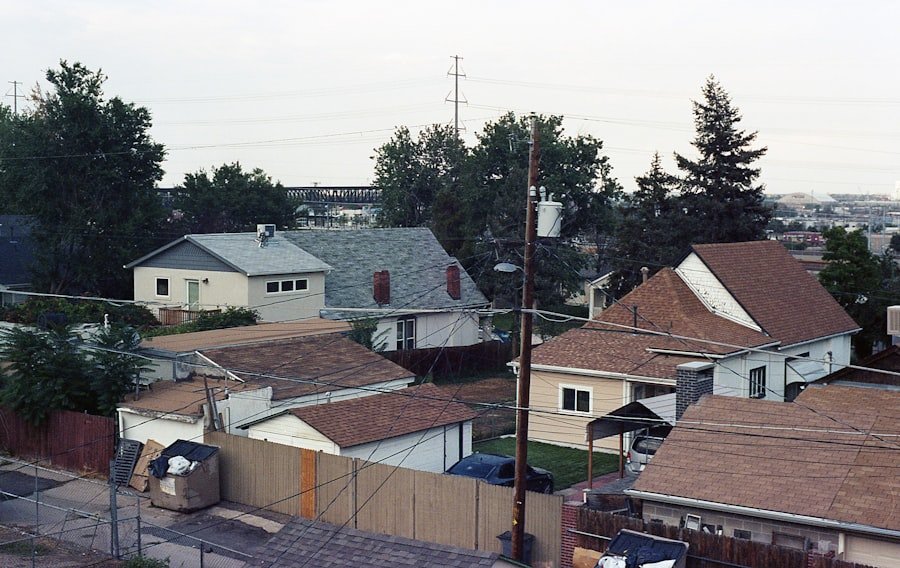
Subdivision blocks also present an excellent opportunity for generating additional rental income. By creating multiple lots on a single property, owners can develop several rental units, thereby diversifying their income streams. This approach not only maximizes the use of the land but also provides a buffer against market fluctuations.
If one rental unit experiences vacancy, the others can continue to generate income, ensuring a more stable financial situation for property owners. Furthermore, the demand for rental properties continues to rise in many urban areas, making this an opportune time to invest in subdivision blocks. With careful planning and execution, property owners can create desirable rental units that attract tenants and command competitive rental prices.
This strategy not only enhances cash flow but also contributes to long-term wealth accumulation through real estate investment.
Flexibility in Property Use
| City | Flexibility in Property Use | Regulations |
|---|---|---|
| New York | High | Strict |
| London | Medium | Moderate |
| Tokyo | Low | Flexible |
Another significant advantage of subdivision blocks is the flexibility they offer in terms of property use. Once a block has been subdivided, property owners have various options for how to utilize their land. They may choose to build single-family homes, multi-family units, or even commercial properties, depending on local zoning regulations and market demand.
This versatility allows owners to adapt their investment strategy based on changing market conditions or personal preferences. Additionally, subdivided properties can cater to different demographics, from young professionals seeking modern apartments to families looking for spacious homes. This adaptability not only increases the potential tenant pool but also enhances the overall appeal of the property.
By strategically planning the development of subdivision blocks, owners can create spaces that meet the needs of their target market while maximizing their investment potential.
Potential for Future Development
Investing in subdivision blocks also opens the door to future development opportunities. As urban areas continue to grow and evolve, the demand for housing and commercial spaces will likely increase. Property owners who have already subdivided their land may find themselves well-positioned to capitalize on this trend by developing additional units or expanding existing properties.
Moreover, as neighborhoods change and new infrastructure projects are introduced, previously undervalued areas may experience a surge in interest from developers and investors alike. By holding onto subdivided properties, owners can benefit from future appreciation in value and increased demand for housing or commercial space. This long-term perspective can significantly enhance the overall return on investment for those who choose to invest in subdivision blocks.
Cost Savings on Utilities and Infrastructure

Subdivision blocks can also lead to cost savings on utilities and infrastructure. When multiple properties are developed on a single block, owners may benefit from shared services such as water, electricity, and sewage systems. This shared infrastructure can reduce overall costs and streamline maintenance efforts, making it more economical for property owners.
Additionally, many local governments offer incentives for developers who create new housing units or commercial spaces in their jurisdictions. These incentives may include reduced fees for permits or infrastructure improvements, further enhancing the financial viability of subdividing land. By taking advantage of these opportunities, property owners can maximize their investment while minimizing costs associated with utilities and infrastructure development.
Reduced Maintenance and Upkeep
Another advantage of subdivision blocks is the potential for reduced maintenance and upkeep costs. When multiple properties are developed on a single block, owners can often share maintenance responsibilities, leading to lower overall expenses. For example, landscaping, snow removal, and other common services can be coordinated among tenants or homeowners, reducing individual costs.
Furthermore, newer developments often come with modern amenities and materials that require less maintenance than older properties. This aspect not only enhances tenant satisfaction but also reduces the burden on property owners who may otherwise face significant upkeep costs associated with aging structures. By investing in subdivision blocks, owners can create low-maintenance properties that provide long-term financial benefits.
Enhanced Neighborhood Aesthetics
Subdivision blocks have the potential to enhance neighborhood aesthetics significantly. Thoughtfully designed developments can contribute positively to the overall look and feel of an area, attracting new residents and businesses alike. By focusing on quality construction and appealing landscaping, property owners can create inviting spaces that elevate the neighborhood’s character.
Moreover, well-planned subdivisions often incorporate green spaces, parks, and communal areas that foster a sense of community among residents. These features not only improve the quality of life for those living in the area but also increase property values as demand for aesthetically pleasing neighborhoods rises. By investing in subdivision blocks with an eye toward design and community engagement, property owners can contribute to creating vibrant and attractive living environments.
Opportunities for Community Building
Subdivision blocks also provide unique opportunities for community building among residents. When multiple homes or rental units are developed within close proximity, it fosters a sense of belonging and encourages social interaction among neighbors. Property owners can facilitate this sense of community by incorporating shared spaces such as parks or recreational facilities that promote engagement among residents.
Additionally, community-building initiatives such as neighborhood events or social gatherings can further strengthen relationships among residents. By creating an environment where people feel connected and engaged with one another, property owners can enhance tenant satisfaction and retention rates while contributing positively to the overall neighborhood dynamic.
Potential for Multi-Generational Living
In today’s housing market, multi-generational living arrangements are becoming increasingly popular as families seek ways to live together while maintaining their independence. Subdivision blocks offer an ideal solution for accommodating these arrangements by providing separate living spaces within close proximity to one another. Property owners can design homes that cater specifically to multi-generational families, ensuring that each unit has its own amenities while still fostering connection among family members.
This approach not only meets the growing demand for multi-generational living but also allows property owners to maximize their investment potential by catering to a diverse demographic. As families continue to seek flexible living arrangements that accommodate various needs and lifestyles, subdivision blocks present an attractive option for both investors and homeowners alike.
Considerations for Subdivision Block Investment
While there are numerous advantages to investing in subdivision blocks, it is essential to consider several factors before embarking on this journey. First and foremost is understanding local zoning laws and regulations governing land use in your area. Each municipality has its own set of rules regarding subdivisions, which can impact your ability to develop properties as planned.
Additionally, conducting thorough market research is crucial when evaluating potential subdivision opportunities. Understanding current trends in housing demand and pricing will help you make informed decisions about your investment strategy. Finally, working with experienced professionals—such as real estate agents or land planners—can provide valuable insights into navigating the complexities of subdivision development.
In conclusion, subdivision blocks offer a wealth of opportunities for property owners looking to maximize their investments while contributing positively to their communities. From increased property value and additional rental income to enhanced neighborhood aesthetics and community building opportunities, the benefits are numerous and compelling. However, careful consideration of local regulations and market conditions is essential for success in this endeavor.
With proper planning and execution, investing in subdivision blocks can yield significant financial rewards while creating vibrant living spaces that enrich communities for years to come.
If you’re interested in learning more about the intricacies of real estate and property management, particularly in the context of subdivision blocks like those in Martin, you might find the article on navigating land tax insightful. It delves into the complexities of land tax, offering a comprehensive understanding of how it works and its implications for property owners. This knowledge is crucial for anyone involved in property development or investment. For more detailed information, you can read the full article by visiting Navigating Land Tax: Understanding How It Works and Its Implications.