
Student Housing Rentals: Martin’s Top Picks Explained
When it comes to student housing rentals, the age-old adage “location, location, location” rings truer than ever. The right neighborhood can significantly enhance a student’s academic experience, providing not just a place to live but a vibrant community that fosters learning and social interaction. In cities with bustling university campuses, such as Perth, certain neighborhoods stand out as prime locations for student housing.
Areas like Northbridge and Leederville are not only close to educational institutions but also offer a plethora of cafes, shops, and recreational facilities that cater to the student lifestyle. Moreover, neighborhoods like Crawley and Subiaco provide a unique blend of tranquility and accessibility. These areas are often quieter, allowing students to focus on their studies while still being within a short distance from campus.
The convenience of public transport in these neighborhoods cannot be overstated; students can easily commute to classes or explore the city without the hassle of owning a car. Ultimately, choosing the right neighborhood is about finding a balance between proximity to campus, lifestyle amenities, and a supportive community that enhances the overall student experience.
Key Takeaways
- Proximity to campus is crucial when choosing student housing rentals
- Look for amenities such as laundry facilities and study areas in student housing rentals
- Martin recommends budget-friendly student housing rentals for students
- Dos: Inspect the security features; Don’ts: Overlook safety when choosing student housing rentals
- Living in student housing rentals provides a sense of community and convenience
Amenities to Look for in Student Housing Rentals
Essential Amenities for a Comfortable Living
Students should prioritize properties that offer essential features such as high-speed internet access, laundry facilities, and communal spaces for socializing or studying. A well-equipped kitchen is also vital, as it allows students to prepare their meals, promoting healthier eating habits and saving money on dining out.
Additional Perks for an Enhanced Living Experience
In addition to these basics, consider looking for properties that provide additional perks like fitness centers, study lounges, or outdoor spaces. These amenities not only enhance the living experience but also foster a sense of community among residents. For instance, having a gym on-site can encourage students to maintain an active lifestyle, while communal study areas can facilitate collaboration and group work.
Transforming a Rental into a Home
Ultimately, the right amenities can transform a simple rental into a home that supports both academic success and personal well-being.
Budget-Friendly Student Housing Rentals: Martin’s Recommendations

Finding budget-friendly student housing rentals can be a daunting task, especially in competitive markets. However, with careful planning and research, students can discover affordable options that meet their needs without breaking the bank. One of Martin’s top recommendations is to consider shared accommodations.
By splitting rent and utilities with roommates, students can significantly reduce their monthly expenses while still enjoying a comfortable living environment. Another strategy is to explore less popular neighborhoods that are still within reasonable commuting distance from campus. Often, these areas offer lower rental prices while providing access to essential amenities and public transport.
Additionally, students should keep an eye out for seasonal promotions or discounts offered by landlords during peak rental periods. By being proactive and flexible in their search, students can find budget-friendly housing that allows them to focus on their studies without financial stress.
The Dos and Don’ts of Student Housing Rentals: Tips from Martin
| Do’s | Don’ts |
|---|---|
| Do research the neighborhood and amenities | Don’t ignore the location and surrounding area |
| Do set a budget and stick to it | Don’t overspend on rent |
| Do inspect the rental property before signing the lease | Don’t skip the inspection process |
| Do communicate openly with the landlord or property manager | Don’t avoid addressing issues with the rental property |
| Do understand the terms of the lease agreement | Don’t sign a lease without reading and understanding it |
Navigating the world of student housing rentals can be tricky, but Martin has compiled a list of dos and don’ts to help students make informed decisions. First and foremost, do conduct thorough research on potential neighborhoods and properties. Visit the area at different times of day to get a feel for the environment and assess safety levels.
Additionally, do read reviews from previous tenants to gain insight into the landlord’s reputation and property management practices. On the flip side, don’t rush into signing a lease without fully understanding the terms and conditions. It’s essential to clarify any doubts regarding rent increases, maintenance responsibilities, and security deposits before committing.
Furthermore, don’t overlook the importance of viewing the property in person. Photos can be misleading, so seeing the space firsthand will help ensure it meets your expectations. By following these dos and don’ts, students can navigate the rental process with confidence and secure a living situation that suits their needs.
Safety First: How to Ensure Your Student Housing Rental is Secure
Safety should always be a top priority when selecting a student housing rental. Students must take proactive steps to ensure their living environment is secure and conducive to peace of mind. One of the first things to consider is the property’s security features.
Look for rentals equipped with secure entry systems, well-lit common areas, and functioning smoke detectors. Additionally, inquire about the neighborhood’s safety record; local crime statistics can provide valuable insight into potential risks. Beyond physical security measures, students should also establish personal safety practices.
This includes being aware of surroundings when walking alone at night and keeping doors locked at all times. Forming connections with neighbors can also enhance safety; having a supportive community can create an environment where residents look out for one another. By prioritizing safety in their housing search and daily routines, students can create a secure living space that allows them to focus on their studies without unnecessary worry.
The Benefits of Living in Student Housing Rentals: Martin’s Perspective
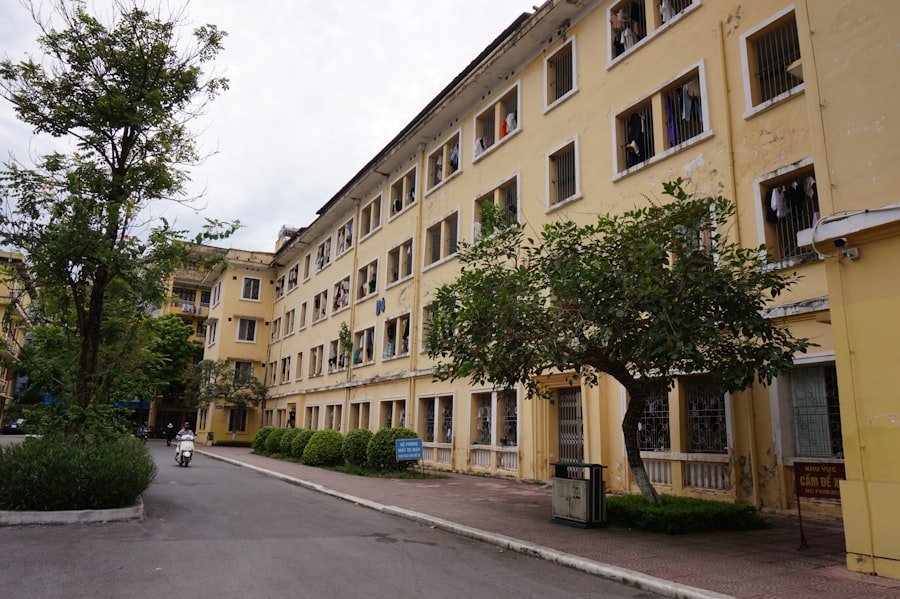
Living in student housing rentals offers numerous benefits that extend beyond mere convenience. From Martin’s perspective, one of the most significant advantages is the opportunity for social interaction and networking. Student housing often fosters a sense of community among residents, providing ample opportunities for friendships to blossom and collaborations to form.
This social aspect can be particularly beneficial for first-year students who may be adjusting to life away from home. Additionally, student housing rentals often come with built-in support systems. Many properties have on-site management teams or resident advisors who can assist with any issues that arise during the rental period.
This support can be invaluable for students navigating the challenges of independent living for the first time. Furthermore, living in close proximity to fellow students creates an environment conducive to academic collaboration; study groups can form organically, enhancing learning experiences and academic performance.
How to Find the Best Roommates for Your Student Housing Rental
Finding compatible roommates is crucial for ensuring a harmonious living situation in student housing rentals. Martin suggests starting by assessing personal preferences and lifestyle habits before beginning the search for roommates. Consider factors such as study habits, cleanliness standards, and social preferences; aligning these aspects can help prevent conflicts down the line.
Once personal criteria are established, utilize various platforms to find potential roommates. Social media groups dedicated to student housing or university forums can be excellent resources for connecting with like-minded individuals seeking shared accommodations. Additionally, consider hosting informal meet-and-greet sessions with potential roommates to gauge compatibility before making any commitments.
By taking the time to find suitable roommates, students can create a positive living environment that enhances their overall college experience.
The Importance of Proximity to Campus: Martin’s Top Picks for Student Housing Rentals
Proximity to campus is a critical factor when selecting student housing rentals; it directly impacts daily routines and overall convenience. Martin emphasizes that living close to campus not only saves time on commuting but also allows students to take full advantage of campus resources such as libraries, study spaces, and extracurricular activities. Being within walking distance or a short public transport ride from classes can significantly reduce stress levels and enhance academic performance.
In terms of specific recommendations, neighborhoods like Kensington and Victoria Park are ideal choices due to their close proximity to major universities while still offering affordable rental options. These areas provide easy access to public transport routes that connect directly to campus, making them highly desirable for students seeking convenience without sacrificing quality of life. Ultimately, choosing a rental close to campus can lead to a more fulfilling college experience by allowing students to engage fully in both academic and social opportunities.
When it comes to student housing rentals, students often face the choice between apartments and houses. Each option has its unique advantages and disadvantages that cater to different lifestyles and preferences. Apartments typically offer modern amenities and are often located in vibrant neighborhoods close to campus life.
They tend to require less maintenance than houses and often come with features such as security systems or on-site management. On the other hand, renting a house may provide more space and privacy for students who prefer a quieter living environment or have larger groups of friends they wish to accommodate. Houses often come with outdoor spaces such as gardens or patios that can serve as social hubs during warmer months.
However, they may require more upkeep in terms of maintenance responsibilities shared among roommates. Ultimately, the decision between apartments and houses should be based on individual preferences regarding lifestyle, budget constraints, and desired living arrangements.
How to Make the Most of Your Student Housing Rental: Martin’s Advice
Maximizing your experience in student housing rentals involves more than just finding the right property; it requires actively engaging with your living environment and community. Martin advises students to personalize their space by adding personal touches such as decorations or plants that reflect their personality and make them feel at home. Creating an inviting atmosphere can significantly enhance comfort levels during stressful study periods.
Additionally, take advantage of communal spaces within your rental property or building by organizing events or study sessions with fellow residents. Building relationships with neighbors not only fosters camaraderie but also creates a supportive network that can be invaluable during challenging times in college life. Lastly, stay organized by keeping track of important dates related to rent payments or lease renewals; being proactive in these matters will help ensure a smooth living experience throughout your time in student housing.
The Future of Student Housing Rentals: Trends to Watch For
As we look ahead at the future of student housing rentals, several trends are emerging that will shape the landscape for years to come. One significant trend is the increasing demand for sustainable living options among environmentally conscious students. Properties that incorporate green technologies such as energy-efficient appliances or solar panels are becoming more appealing as students prioritize sustainability in their lifestyle choices.
Another trend is the rise of co-living spaces designed specifically for students seeking community-oriented living arrangements without sacrificing privacy or independence. These innovative housing solutions often feature shared amenities while providing private bedrooms or suites—striking a balance between social interaction and personal space. As technology continues to evolve, we may also see advancements in how students search for rentals—virtual tours or augmented reality applications could become commonplace tools in the rental process.
By staying informed about these trends and adapting accordingly, both landlords and students can navigate the ever-changing landscape of student housing rentals effectively.
In recent years, the dynamics of student housing rentals have been influenced by various factors, including shifts in real estate trends and market demands. A related article that provides insight into these changes is titled “Renters in Melbourne’s East Look to Buy in Northern Suburbs This Spring.” This piece explores how renters, including students, are considering purchasing properties in different suburbs due to evolving market conditions. For more details, you can read the full article by following this link.