
Understanding Unlocking the Potential: Homes with Subdivision Potential in Martin
Subdivision potential refers to the ability of a property to be divided into smaller parcels, each of which can be developed or sold separately. In Martin, a suburb known for its diverse community and strategic location, understanding this potential is crucial for homeowners and investors alike. The demand for housing in the area has been steadily increasing, driven by a growing population and a desire for more affordable living options.
As such, many property owners are exploring the possibility of subdividing their land to maximise its value and meet the needs of the market. The process of assessing subdivision potential involves evaluating various factors, including land size, zoning regulations, and local infrastructure. In Martin, the landscape is characterised by a mix of residential and commercial properties, making it an attractive option for those looking to invest in real estate.
By understanding the nuances of subdivision potential, property owners can make informed decisions that not only enhance their investment but also contribute to the overall development of the community.
Summary
- Understanding subdivision potential in Martin requires a thorough understanding of local zoning laws and regulations.
- Factors to consider when assessing subdivision potential include the size and shape of the property, access to utilities, and the demand for smaller housing units in the area.
- The legal and regulatory framework for subdivision in Martin is complex and requires careful navigation to ensure compliance with all requirements.
- Maximizing the value of homes with subdivision potential involves strategic planning, design, and marketing to appeal to potential buyers or renters.
- Working with local authorities and planning departments is essential for obtaining the necessary permits and approvals for subdivision projects in Martin.
Factors to Consider When Assessing Subdivision Potential
Land Size and Shape
The size and shape of the land play a significant role in determining whether subdivision is feasible. Larger parcels of land are generally more conducive to subdivision, as they can accommodate multiple dwellings while still adhering to local regulations. The shape of the land can also impact how easily it can be divided; irregularly shaped lots may present challenges that could complicate the subdivision process.
Zoning Regulations
Another critical factor is zoning regulations. In Martin, different areas are designated for specific types of development, which can influence the potential for subdivision. Property owners must familiarise themselves with local zoning laws to understand what is permissible on their land. This includes knowing the minimum lot sizes required for new subdivisions and any restrictions that may apply to certain types of developments.
Engaging with Local Authorities
Engaging with local planning authorities can provide valuable insights into these regulations and help property owners navigate the complexities of subdivision. By doing so, property owners can gain a better understanding of the opportunities and challenges associated with subdividing their land in Martin.
The Legal and Regulatory Framework for Subdivision in Martin
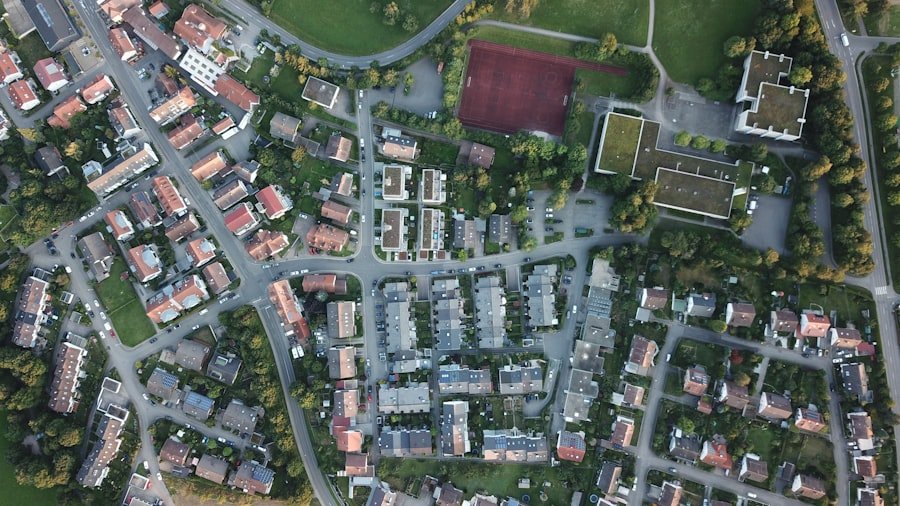
The legal and regulatory framework governing subdivision in Martin is primarily dictated by the Planning and Development Act 2005 and the Residential Design Codes (R-Codes). These regulations outline the requirements for subdividing land, including minimum lot sizes, access provisions, and design standards. Understanding this framework is essential for property owners considering subdivision, as non-compliance can lead to costly delays or even rejection of their application.
In addition to state regulations, local councils in Martin have their own planning schemes that further dictate subdivision processes. These schemes may include specific guidelines tailored to the unique characteristics of the area, such as environmental considerations or heritage protections. Property owners must engage with these local regulations to ensure their subdivision plans align with community goals and standards.
By doing so, they can increase their chances of obtaining approval while contributing positively to the neighbourhood’s development.
Maximizing the Value of Homes with Subdivision Potential
| Factors | Metrics |
|---|---|
| Location | Distance to amenities, schools, transport links |
| Property Size | Total land area, potential number of lots |
| Zoning Regulations | Permitted land use, density restrictions |
| Market Demand | Current demand for housing in the area |
| Development Costs | Cost of subdivision, infrastructure development |
Maximising the value of homes with subdivision potential requires a strategic approach that considers both market trends and property characteristics. One effective strategy is to enhance the existing property before pursuing subdivision. This could involve renovations or improvements that increase the overall appeal and marketability of the home.
A well-maintained property not only attracts potential buyers but also sets a higher baseline value for any future subdivisions. Additionally, conducting a thorough market analysis can provide insights into current demand for subdivided properties in Martin. Understanding what buyers are looking for—such as proximity to schools, parks, or public transport—can inform decisions about how best to subdivide and develop the land.
By aligning subdivision plans with market demands, property owners can significantly increase their return on investment while contributing to the housing supply in the area.
Working with Local Authorities and Planning Departments
Collaboration with local authorities and planning departments is crucial when pursuing subdivision in Martin. Engaging early in the process can help property owners understand the specific requirements and expectations set forth by local councils. This proactive approach not only streamlines the application process but also fosters positive relationships with decision-makers who can influence outcomes.
Property owners should consider attending community meetings or workshops hosted by local councils to gain insights into upcoming developments and planning initiatives. These events provide opportunities to ask questions, voice concerns, and gather information that can inform subdivision plans. By demonstrating a commitment to working collaboratively with local authorities, property owners can enhance their credibility and increase their chances of successfully navigating the subdivision process.
Marketing and Selling Homes with Subdivision Potential

Effectively marketing and selling homes with subdivision potential requires a targeted approach that highlights the unique advantages of such properties. Real estate agents should emphasise not only the existing features of the home but also its potential for future development. High-quality visuals, including aerial photography or 3D renderings, can help prospective buyers envision how the property could be transformed through subdivision.
Additionally, utilising digital marketing strategies can broaden reach and attract a diverse pool of potential buyers. Social media platforms, online listings, and targeted advertising campaigns can effectively showcase properties with subdivision potential to interested investors or developers. By crafting compelling narratives around these properties—focusing on their location, amenities, and growth prospects—real estate professionals can create a sense of urgency that drives sales.
The Financial Implications of Subdividing a Property
The financial implications of subdividing a property in Martin are multifaceted and warrant careful consideration. On one hand, successful subdivision can lead to significant financial gains through increased property value and potential rental income from newly created lots or dwellings. However, property owners must also account for various costs associated with the subdivision process, including application fees, surveying costs, and potential infrastructure upgrades.
It is essential for property owners to conduct a comprehensive financial analysis before embarking on a subdivision project. This analysis should include projected costs versus anticipated returns, as well as an assessment of market conditions that could impact profitability. Engaging with financial advisors or real estate professionals can provide valuable insights into these considerations, helping property owners make informed decisions that align with their financial goals.
Case Studies of Successful Subdivision Projects in Martin
Examining case studies of successful subdivision projects in Martin can provide valuable lessons for property owners considering similar ventures. One notable example is a residential property that was subdivided into three separate lots, each featuring modern homes designed to appeal to young families. The project not only met local housing demands but also significantly increased the overall value of the original property.
Another successful case involved a larger parcel of land that was transformed into a mixed-use development featuring residential units alongside commercial spaces. This project not only provided much-needed housing but also contributed to local economic growth by attracting businesses to the area. These examples illustrate how thoughtful planning and execution can lead to successful outcomes in subdivision projects while positively impacting the community.
Potential Pitfalls and Challenges of Subdivision in Martin
While subdivision offers numerous opportunities for property owners in Martin, it is not without its challenges. One common pitfall is underestimating the time and resources required for successful subdivision applications. The process can be lengthy and complex, often involving multiple stakeholders and regulatory approvals.
Property owners must be prepared for potential delays and remain patient throughout the process. Additionally, navigating community opposition can pose challenges during subdivision projects. Neighbours may have concerns about increased density or changes to the character of their neighbourhood.
Engaging with the community early on and addressing concerns transparently can help mitigate opposition and foster support for proposed developments.
Environmental and Sustainability Considerations for Subdivision Projects
As awareness of environmental issues continues to grow, incorporating sustainability into subdivision projects has become increasingly important in Martin. Property owners should consider how their developments can minimise environmental impact while promoting sustainable living practices. This could involve incorporating green spaces, utilising eco-friendly building materials, or implementing energy-efficient designs.
Furthermore, engaging with environmental consultants during the planning phase can provide valuable insights into how best to balance development with ecological preservation. By prioritising sustainability in subdivision projects, property owners not only contribute positively to the environment but also enhance the appeal of their properties to environmentally conscious buyers.
The Future of Subdivision Potential in Martin
The future of subdivision potential in Martin appears promising as demand for housing continues to rise amidst population growth and urbanisation trends. As local authorities adapt planning frameworks to accommodate this demand, opportunities for innovative subdivision projects will likely increase. Property owners who remain informed about market trends and regulatory changes will be well-positioned to capitalise on these opportunities.
Moreover, as community needs evolve, there may be greater emphasis on mixed-use developments that integrate residential living with commercial spaces and public amenities. This shift presents exciting possibilities for property owners looking to contribute positively to their neighbourhoods while maximising their investment potential through thoughtful subdivision strategies. By embracing these trends and remaining adaptable, property owners in Martin can navigate the future landscape of real estate development with confidence.
If you’re considering investing in properties with subdivision potential, you might find the article on Carakine Gr, Thornlie, WA 6108 particularly insightful. This piece delves into the nuances of the Thornlie area, highlighting its appeal for those looking to capitalise on subdivision opportunities. The article provides a comprehensive overview of the local market, offering valuable insights for both seasoned investors and newcomers alike. With its strategic location and promising growth prospects, Thornlie stands out as a prime candidate for those interested in property development and investment.
Related reading: Unlocking Opportunities: Real Estate Auctions in Gosnells, Premium Property Managers in Dalkeith: Your Key to Real Estate Success and Efficient Strata Management in Perth: A Guide. These guides go deeper on the topics that matter most to property management readers.