
Why Maximizing Space: The Benefits of Dual Occupancy Homes Matters
Dual occupancy homes are increasingly becoming a popular choice among homeowners and investors alike. These properties are designed to accommodate two separate living units on a single block of land, allowing for a more efficient use of space while providing the benefits of independent living. Typically, dual occupancy homes can take the form of side-by-side units, duplexes, or even a main house with a secondary dwelling, such as a granny flat.
This innovative approach to residential living not only maximises land use but also caters to the diverse needs of modern families and individuals. The concept of dual occupancy is rooted in the idea of community and shared living, where families can maintain their independence while still being close to one another. This arrangement is particularly appealing in urban areas where land is at a premium, and the demand for housing continues to rise.
As cities expand and populations grow, dual occupancy homes offer a practical solution to the challenges of urban living, providing an opportunity for families to live in proximity without sacrificing their privacy or comfort.
Summary
- Dual occupancy homes refer to properties that are designed to accommodate two separate living spaces within the same building.
- The advantages of dual occupancy homes include increased rental income potential and the ability to cater to different living arrangements.
- Maximizing space with dual occupancy homes involves careful planning and design to ensure both living spaces are functional and comfortable.
- Dual occupancy homes are a smart solution for growing families, providing the flexibility to accommodate changing needs and lifestyles.
- Investing in dual occupancy homes can offer a high return on investment, making it a smart choice for property investors.
The Advantages of Dual Occupancy Homes
One of the most significant advantages of dual occupancy homes is their versatility. These properties can cater to a wide range of living arrangements, from young couples seeking their first home to larger families needing extra space. The flexibility of dual occupancy designs allows homeowners to adapt their living spaces according to their changing needs, whether that means accommodating elderly relatives, providing a home office, or creating a rental opportunity.
This adaptability makes dual occupancy homes an attractive option for many buyers. Moreover, dual occupancy homes can lead to substantial financial benefits. By renting out one unit while residing in the other, homeowners can generate additional income that can help offset mortgage repayments or fund future investments.
This dual income potential is particularly appealing in today’s economic climate, where rising property prices and living costs can make homeownership seem unattainable for many. In essence, dual occupancy homes not only provide a comfortable living environment but also serve as a strategic financial asset.
Maximizing Space with Dual Occupancy Homes
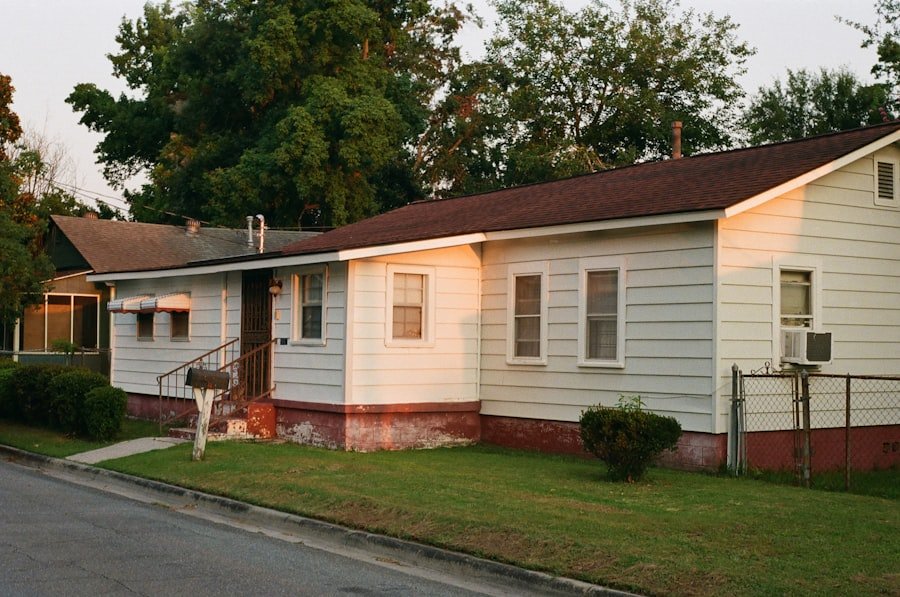
In an era where space is often at a premium, dual occupancy homes excel at maximising available land. These properties are designed with efficiency in mind, ensuring that every square metre is utilised effectively. With thoughtful architectural planning, dual occupancy homes can offer spacious interiors that feel open and inviting while still accommodating two distinct living units.
This clever use of space allows for the creation of functional layouts that cater to the needs of modern families. Furthermore, dual occupancy homes often come equipped with shared outdoor spaces that promote community interaction while still allowing for individual privacy. Gardens, patios, and communal areas can be designed to encourage socialising among neighbours while providing each unit with its own private retreat.
This balance between shared and private spaces enhances the overall living experience, making dual occupancy homes an ideal choice for those seeking both community and solitude.
Dual Occupancy Homes: A Solution for Growing Families
| Metrics | Data |
|---|---|
| Number of Bedrooms | 2-4 bedrooms |
| Number of Bathrooms | 1-3 bathrooms |
| Size of the Property | 1200-2500 square feet |
| Cost of Construction | £150,000 – £300,000 |
| Location | Suburban or semi-urban areas |
As families expand and evolve, the need for adaptable living arrangements becomes increasingly important. Dual occupancy homes provide an ideal solution for growing families by offering additional space without the need to relocate. With the ability to house multiple generations under one roof or accommodate visiting relatives, these properties foster a sense of togetherness while still allowing for personal independence.
The design of dual occupancy homes can be tailored to meet the specific needs of families at various stages of life. For instance, young families may require extra bedrooms and play areas, while older children may appreciate having their own separate living quarters. This flexibility ensures that dual occupancy homes can grow alongside families, providing a long-term housing solution that evolves with their changing needs.
Dual Occupancy Homes: A Smart Investment
Investing in dual occupancy homes is not only a wise financial decision but also a strategic move in today’s competitive real estate market. As demand for housing continues to rise, properties that offer multiple living options are becoming increasingly sought after. Dual occupancy homes provide investors with the opportunity to tap into this growing market by catering to a diverse range of tenants and buyers.
Additionally, the potential for rental income from one unit can significantly enhance the overall return on investment. With careful management and maintenance, dual occupancy properties can yield impressive rental yields while also appreciating in value over time. This combination of income generation and capital growth makes dual occupancy homes an attractive option for savvy investors looking to build their property portfolio.
Designing Dual Occupancy Homes for Functionality

When it comes to designing dual occupancy homes, functionality is key. Architects and builders must consider how best to create two distinct living spaces that are both practical and aesthetically pleasing. This often involves careful planning of layouts, ensuring that each unit has its own entrance, kitchen, and bathroom facilities while still maintaining a cohesive overall design.
Incorporating modern design elements can further enhance the functionality of dual occupancy homes. Open-plan living areas, energy-efficient appliances, and smart home technology can all contribute to creating a comfortable and convenient living environment. By prioritising functionality in the design process, homeowners can ensure that their dual occupancy property meets the needs of its occupants while also appealing to potential buyers or tenants.
Dual Occupancy Homes: A Sustainable Living Option
Sustainability is becoming an increasingly important consideration for homeowners and investors alike. Dual occupancy homes offer a sustainable living option by promoting efficient land use and reducing urban sprawl. By accommodating two households on a single block of land, these properties help to minimise the environmental impact associated with traditional single-family homes.
Moreover, dual occupancy designs can incorporate eco-friendly features such as solar panels, rainwater harvesting systems, and energy-efficient building materials. These sustainable elements not only reduce the carbon footprint of the property but also contribute to lower utility bills for residents. As more people become conscious of their environmental impact, dual occupancy homes present an appealing option for those seeking a greener lifestyle.
Overcoming Challenges in Dual Occupancy Home Design
While dual occupancy homes offer numerous benefits, they are not without their challenges. One of the primary concerns is ensuring that both units maintain their privacy while still fostering a sense of community. Thoughtful design solutions can help address this issue by incorporating soundproofing materials, strategic landscaping, and well-placed windows to minimise sightlines between units.
Another challenge lies in navigating local zoning regulations and building codes that may impact the feasibility of dual occupancy developments. Homeowners and investors must be diligent in researching these requirements to ensure compliance and avoid potential setbacks during the construction process. By working closely with experienced architects and builders who understand local regulations, individuals can successfully overcome these challenges and create a harmonious dual occupancy home.
Dual Occupancy Homes: A Solution for Multigenerational Living
As multigenerational living becomes more common due to economic factors and changing family dynamics, dual occupancy homes offer an ideal solution for families seeking to live together while maintaining their independence. These properties allow multiple generations to reside under one roof without sacrificing personal space or privacy. The design flexibility inherent in dual occupancy homes enables families to create tailored living arrangements that suit their unique needs.
For example, grandparents may occupy one unit while younger family members reside in the other, fostering close relationships while still allowing for individual autonomy. This arrangement not only strengthens family bonds but also provides practical support systems for childcare or eldercare.
The Financial Benefits of Dual Occupancy Homes
The financial advantages of dual occupancy homes extend beyond rental income potential; they also include reduced costs associated with property maintenance and management. With two units sharing common infrastructure such as driveways and gardens, homeowners can benefit from economies of scale when it comes to upkeep and repairs. Additionally, dual occupancy properties often attract higher resale values compared to traditional single-family homes due to their versatility and income-generating potential.
As demand for housing continues to rise, investing in a dual occupancy home can yield significant long-term financial rewards for homeowners and investors alike.
Dual Occupancy Homes: A Trend in Modern Living
In conclusion, dual occupancy homes represent a growing trend in modern living that caters to the diverse needs of today’s families and individuals. With their ability to maximise space, provide flexible living arrangements, and offer financial benefits, these properties are becoming increasingly popular among homeowners and investors alike. As urban areas continue to expand and housing demands increase, dual occupancy homes will play an essential role in shaping the future of residential living.
By embracing this innovative approach to home design, individuals can enjoy the benefits of community living while still maintaining their independence—a perfect balance for modern life.
Dual occupancy homes, often referred to as multi-dwelling properties, are becoming increasingly popular in urban areas due to their potential for maximising land use and providing additional rental income. These properties typically consist of two separate living units on a single block, offering flexibility for homeowners and investors alike. For those interested in the current trends and future prospects of the housing market, particularly in Perth, an insightful resource is the article on the Perth Housing Market Outlook. This article provides a comprehensive analysis of the market dynamics, helping potential buyers and investors make informed decisions about dual occupancy homes and other property investments.